



Smart Car Selling Guide: Preparation, Pricing, and Legal Checklist
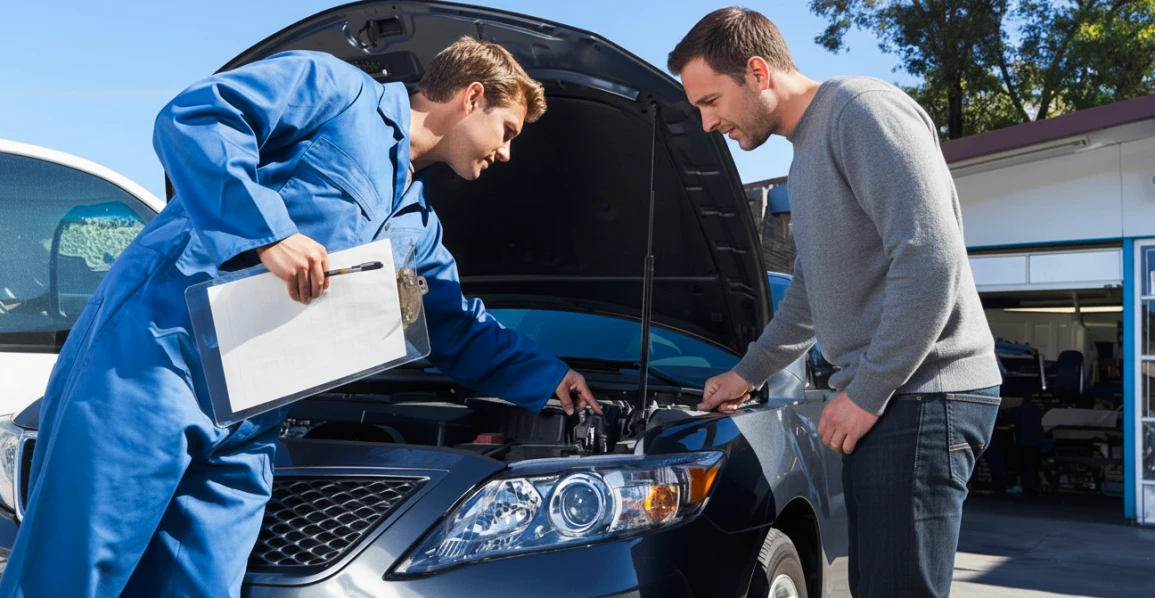
If you’ve ever wondered how to sell a car quickly and at the best price, preparation is your key to success. Selling a vehicle is not only about finding a buyer – it’s about creating value in their eyes. A clean, well-maintained, and legally transparent car can stand out even in a crowded market. Proper preparation can raise the resale value by 10–20% and make the process smoother from the first listing to the final handshake.
This article will walk you through every stage of getting your car ready for sale – from assessing its technical condition and polishing its look to preparing the right documents and negotiating confidently. Let’s begin with the foundation: evaluating your car’s current state.
Assessing the Condition of Your Car
Before listing your car, you need to see it through the eyes of a buyer. Start with a detailed inspection.
- Check the body for scratches, dents, and rust spots. Even small defects can make a potential buyer think the car was neglected. Touch up chipped paint, polish faded surfaces, and ensure headlights are clear – these details greatly affect first impressions.
- Next, move to the engine, suspension, and undercarriage. Any oil leaks, worn-out parts, or squeaky brakes should be repaired. A car that drives smoothly during a test ride gives the buyer confidence that it’s been taken care of.
- Don’t forget about the mileage and service history. Gather all maintenance records – oil changes, brake checks, tire replacements. A full and honest service history can justify a higher price.
- Finally, review all documents. Confirm the VIN number matches your registration papers, and that the car has no outstanding loans or fines. These small checks prevent legal issues and make the buyer feel secure.
Expert insight: Buyers don’t pay only for metal – they pay for trust. When your car looks and feels well-cared-for, it sells faster and closer to your asking price.
Cleaning and Detailing Your Car
.png?_t=1767562370)
Presentation is everything. According to industry experts, clean cars attract twice as many inquiries online. Think of this step as preparing your car for a photo shoot – it should shine inside and out.
- Start with a complete exterior wash: body, wheels, and tires. Remove any road tar or brake dust. Pay special attention to windows and mirrors – clear glass makes the car look newer.
- Then move to the interior. Vacuum the carpets and seats, wipe all plastic and chrome parts, and eliminate any unpleasant odors. A professional interior detailing or deep cleaning of carpets can be a game-changer, especially if you’re aiming for a higher price bracket.
- If you smoke or travel with pets, neutralize odors using ozone treatment or activated charcoal. Buyers are extremely sensitive to smells – even a hint of cigarette smoke can turn them away.
- Lastly, don’t forget the trunk and engine bay. A clean engine compartment signals good maintenance, while an organized trunk shows care and order. Avoid over-polishing – the goal is natural cleanliness, not artificial shine.
Tips for selling a car: A spotless car tells a story – that it was loved, maintained, and worth every penny.
Minor Repairs and Cosmetic Upgrades
You don’t need to invest thousands before selling. Small, strategic improvements often make the biggest difference.
- Replace burned-out bulbs, faded emblems, or cracked license plate covers. Fix minor scratches and polish dull paint. If the headlights have turned yellow, restore them – this simple fix can visually rejuvenate your car by several years.
- Check all fluids – oil, coolant, brake fluid, windshield washer – and top them up if necessary. These details will stand out during a buyer’s inspection or test drive.
- Another subtle upgrade is replacing worn floor mats or installing inexpensive seat covers. Such details make the interior feel newer and more pleasant.
These small investments – usually under $100 – can often raise your car’s value by several hundred dollars.
Checking Documents and Legal Preparation

Now comes the most crucial – and often overlooked – step: documentation. Before you advertise your car, make sure all papers are ready and valid.
You’ll need:
- Registration certificate and title proving ownership.
- Service book or invoices confirming regular maintenance.
- Any warranty papers (if the car is still under warranty).
- Receipts for recent repairs – they reinforce your credibility.
If you’re asking yourself what papers do you need to sell a car, this is the core list. Next, verify that the vehicle is not under loan, has no unpaid tickets, and is not listed as stolen or pledged. Buyers today often run background checks, so transparency is your best defense. Prepare a simple folder or file with copies of all key documents. Presenting them neatly during a viewing gives the impression of professionalism and builds trust instantly.
Remember: documentation is the language of confidence. Organized papers show that you respect both the buyer and the deal.
Preparing Your Car for Online Sale
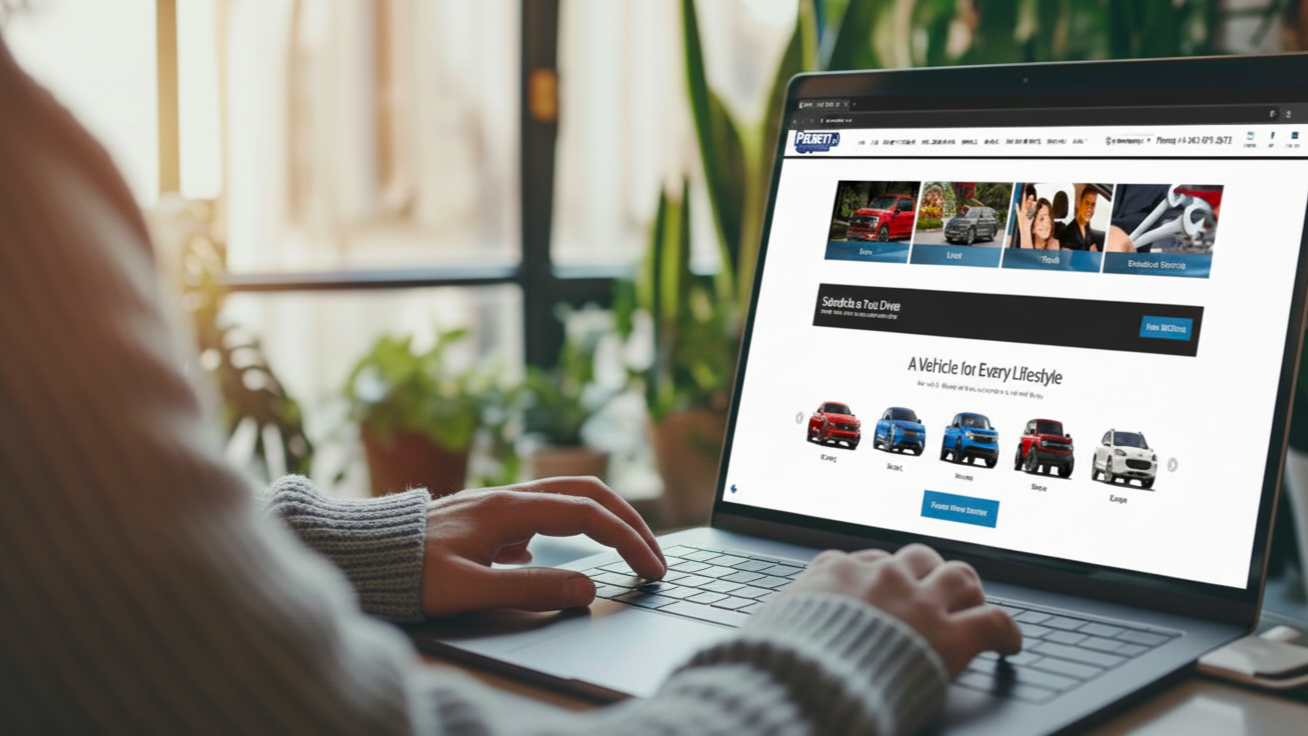
Once your car looks great and the paperwork is ready, it’s time to present it online. This is where your efforts turn into real buyer interest.
- Start with high-quality photos. Take pictures during daylight, in an open area with a clean background. Capture all angles – front, rear, both sides, interior, dashboard, trunk, and engine bay. Include close-ups of important details like odometer, tires, and control panel.
- When writing the description, be clear and honest. List the year, mileage, trim, and maintenance history. Mention any upgrades (new tires, timing belt, battery). Avoid exaggerated claims – transparency increases buyer trust and reduces wasted time on negotiations.
- If you wonder what you need to sell a car online, the formula is simple: clean presentation + truthful information + responsiveness to messages.
- Honesty sells faster than perfection. Buyers can sense sincerity, and a car with a few disclosed flaws is more believable than one described as “perfect.”
Pro tip: write your ad as if you were advising a friend. Empathy builds instant credibility.
Preparing for a Viewing and Test Drive
Now that potential buyers are contacting you, it’s time to show your car in person. Before the meeting, give it another quick wash and ensure the cabin smells fresh. Remove personal belongings and unnecessary items from the glove box and trunk.
Meet the buyer confidently but without pressure. Offer a calm, informative experience – let them inspect the car at their own pace. When answering questions, stay factual and polite, even about small defects. A simple phrase like “This scratch came from a garage door, it’s purely cosmetic” keeps the tone open and trustworthy.
If they request a test drive, ensure your insurance allows it, accompany them, and highlight how smoothly the car drives, how the brakes respond, and how quiet the engine sounds.
Remember: the presentation isn’t about pushing a sale – it’s about helping the buyer decide comfortably.
Tips for selling a car effectively: make the viewing an experience, not a transaction.
Pricing Strategy
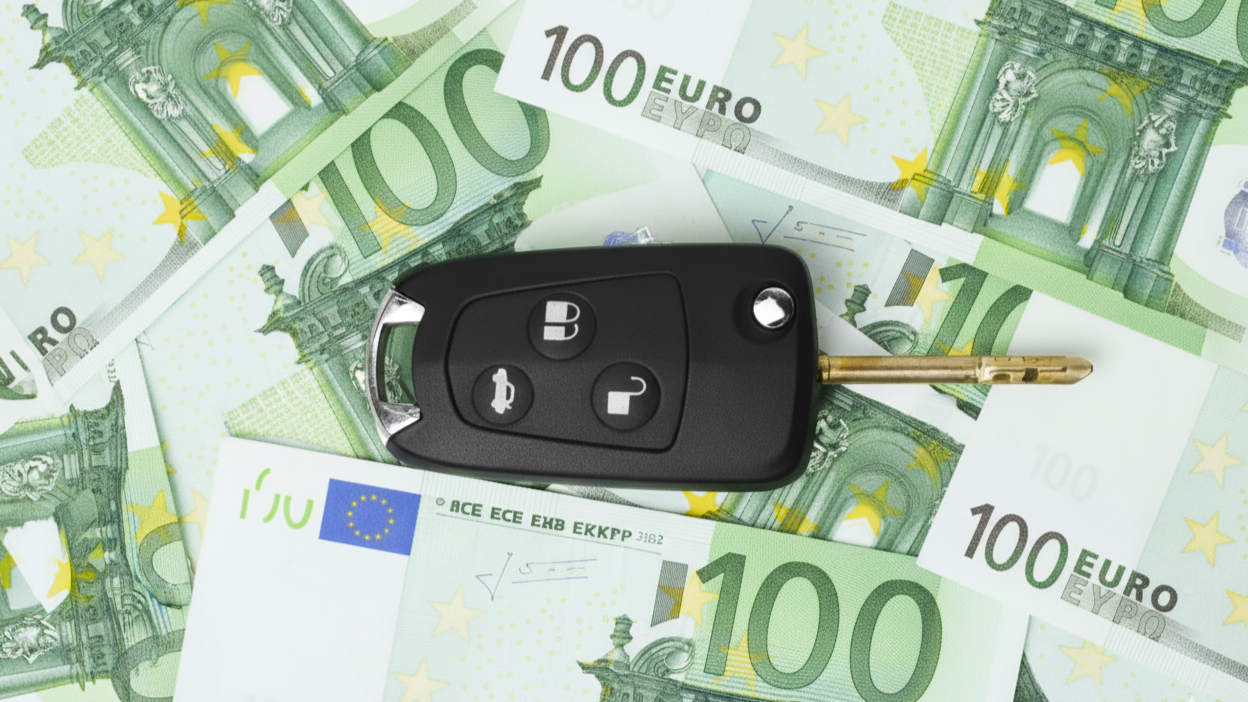
Determining the right price is both art and analysis. Start by researching similar listings in your area – same make, model, mileage, and condition. Be realistic: setting a price too high will scare away serious buyers; setting it too low will cost you money. The best approach is to list slightly above your minimum acceptable price – this leaves room for negotiation.
Consider the following when evaluating:
- Mileage and year of manufacture.
- Cosmetic and mechanical condition.
- Market demand for your model.
- Seasonal factors (convertibles sell better in spring).
If your car has new tires, recent service, or extra features, highlight these as value boosters. During negotiations, stay calm and confident. Allow reasonable bargaining, but don’t rush. A well-prepared seller can justify every dollar. Setting the right price shows professionalism – and buyers always pay attention to professionals.
Selling Privately vs. Through Dealers
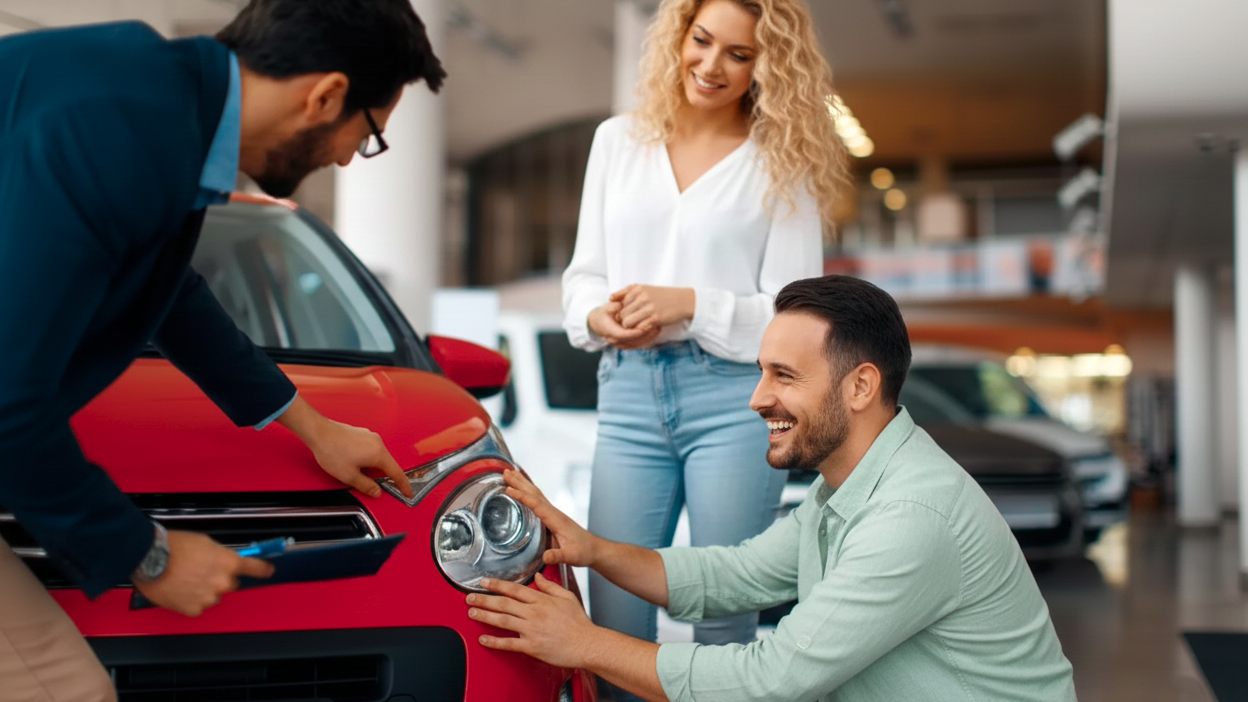
You have two main options when selling your car: privately or through a dealer/trade-in program.
Private sale:
- Pros: You’ll usually get a higher price. You control the presentation and negotiation.
- Cons: Takes more time and requires dealing directly with buyers and paperwork.
Dealer or trade-in:
- Pros: Fast and convenient. No need to handle advertising or strangers.
- Cons: Dealers pay less – typically 10–20% below market value.
If you value speed and convenience, a dealer might be best. But if you want maximum profit and enjoy the process, private sale is your stage.
Expert insight: there’s no universal “best way” – it depends on your goals, time, and personality.
Conclusion
Selling your car isn’t just about the transaction – it’s a reflection of how you treat your property and communicate value. When you prepare your vehicle thoroughly, document everything clearly, and present it honestly, you make the process easier for yourself and the buyer.
Remember the essentials of how to sell car effectively:
- Clean and detail the vehicle.
- Check its technical and legal condition.
- Prepare all necessary papers.
- Take honest photos and write a clear description.
- Approach each buyer with respect and confidence.
Every hour you invest in preparation pays off – not only in a higher price but also in peace of mind and a faster sale. Your car deserves a dignified farewell, and you deserve a deal that feels fair. Because in the end, the best deals aren’t about luck – they’re about preparation.

