



Save Money on Gas: 20 Simple Habits to Improve Fuel Efficiency
The cost of fuel is constantly rising, turning every trip into a significant expense. And naturally, you want to save money and not spend huge sums at the next fill-up. But is this achievable if you have to drive a lot and, consequently, use a lot of gasoline or diesel? Yes, it is! The key is to know the secrets of smart saving. And it's not just about how many kilometers you drive in a day.
In fact, the numbers on your trip computer are directly dependent on your driving style and the condition of your vehicle. Even small changes in your daily habits can make a noticeable difference, reducing your expenses by 15-20%. In this article, we've gathered 20 simple and effective tips that will help you spend less without any extra investment. You will learn how can you make your car more fuel efficient just by changing your approach to driving.
The Impact of Driving Style on Fuel Consumption
The main enemy of fuel efficiency is aggressive driving. Every hard press of the gas pedal is an order for the engine to inject the maximum amount of fuel into the cylinders. Every sharp braking event is a pointless waste of the energy you just burned to accelerate. An aggressive driving style in city traffic, with constant full-throttle accelerations and last-minute braking, can increase fuel consumption by 30-40% compared to a calm and smooth ride.
Smooth driving not only saves gas but also extends the life of your vehicle. It reduces the strain on the engine, transmission, braking system, and suspension. A calm driving manner is the easiest and most effective way to understand how can you save fuel without changing a thing about the car itself.
20 habits that can help you save money on gas
Saving fuel is the result of a comprehensive approach. It's built from dozens of small details, from how you press the pedals to the pressure in your tires. Here are 20 proven ways for how to reduce fuel consumption.
A List of 20 Habits for Economical Driving:
- Use the accelerator as a controller, not an on/off switch. Stomping on the gas pedal forces the onboard computer to send a rich fuel mixture to the cylinders, much of which burns inefficiently, turning into noise and heat rather than useful motion. Instead, increase pressure on the pedal gradually so that your acceleration is even, without jerks or strain. Your goal is to merge smoothly into traffic, not to win a race to the next traffic light.
- Learn to manage your car's momentum. Every time you accelerate, you spend fuel creating kinetic energy. Braking hard right before a traffic light senselessly converts that energy you've already paid for into useless heat on your brake discs. Instead, anticipate the traffic situation several hundred meters ahead. When you see an obstacle or a red light, take your foot off the gas pedal in advance. Let the car coast, slowing down naturally. This type of movement requires almost no fuel and is the most economical mode of driving.
- Maintain a steady speed. Driving at a constant speed in the highest possible gear is the most fuel-efficient mode. Constant fluctuations in pace "eat up" fuel.
- Use cruise control on the highway. Electronics maintain a speed much more accurately and smoothly than a human foot, avoiding unnecessary micro-accelerations.
- Plan your route in advance. Use a navigation app with live traffic updates. Sometimes it's better to drive an extra kilometer on a clear road than to sit in a 20-minute traffic jam with the engine running.
- Change filters on time. A clogged air filter "chokes" the engine, forcing it to use more gas to create the right air-fuel mixture.
- Use high-quality fuel. Refuel at reputable, well-known gas stations. Fuel with a lower octane rating or impurities burns less efficiently, reducing power and increasing consumption.
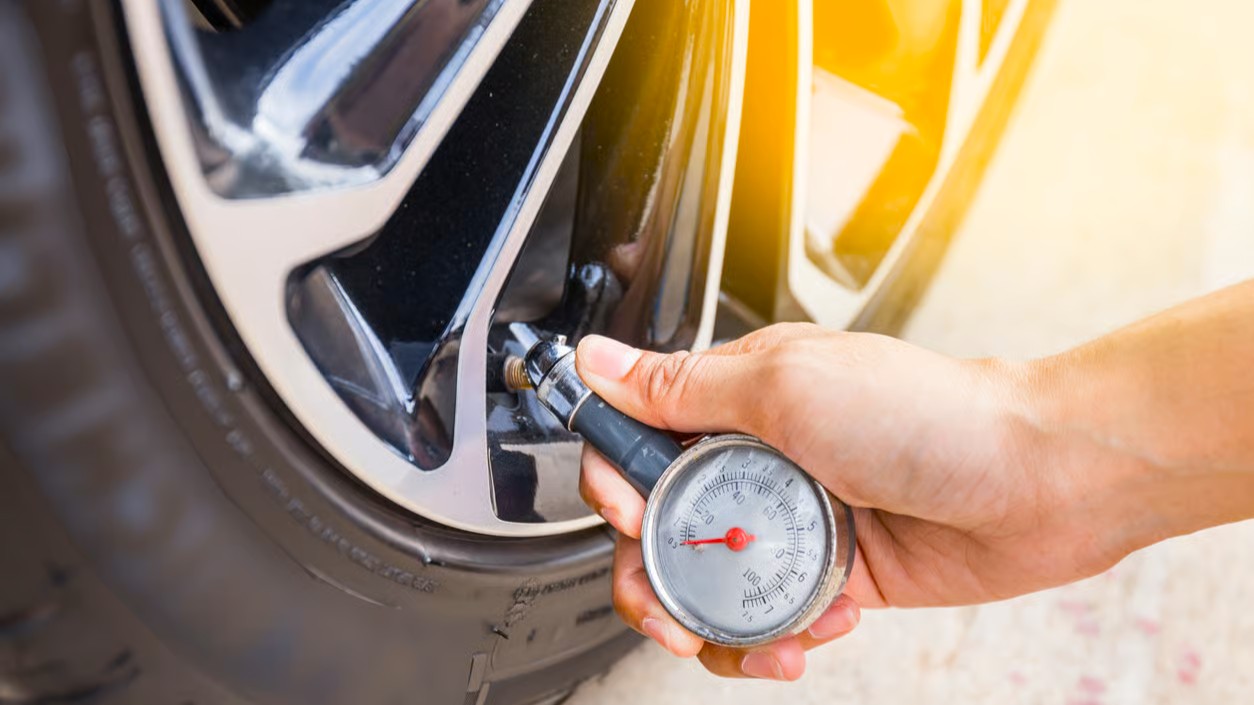
- Check your tire pressure. Underinflated tires by just 0.5 bar (about 7 PSI) increase rolling resistance and can raise consumption by 5–10%. Check the pressure monthly, on cold tires.
- Monitor the condition of your spark plugs. Worn spark plugs produce a weak spark. The fuel doesn't burn completely, leading to a loss of power and increased consumption.
- Get regular maintenance. Timely oil changes, wheel alignment checks, and engine diagnostics help keep your car in optimal condition.
- Don't carry unnecessary weight. Every 50 kg (110 lbs) of extra weight increases consumption by about 2%. Remove tools, child seats, and other items you don't use daily from your car.
- Remove the roof rack. An empty roof box or ski/bike rack seriously worsens aerodynamics and can add up to 10% to your consumption on the highway.
- Keep windows closed at high speed. At speeds above 60 km/h (about 37 mph), open windows create turbulence and significant aerodynamic drag.
- Check tire condition and balance. Worn or unbalanced tires are not only dangerous but also increase rolling resistance.
- Use the onboard computer. Monitor the instantaneous fuel consumption display. It clearly shows how your driving style affects the car's appetite in real-time.
- Use "Eco" mode. If your car has one, use it in the city. The electronics will make the throttle response smoother.
- Install a fuel monitoring app. Apps that track your fill-ups and mileage help you see the big picture and understand which driving changes are having a real effect.
- Combine your trips. Plan your errands to accomplish several tasks in one outing. A few short trips with a cold engine consume far more fuel than one long trip with a warmed-up one.
- Turn off the engine during long stops. If you're stationary for more than a minute (at a railway crossing, waiting for a passenger), shut off the engine.
- Consider carpooling. Sharing rides with colleagues or neighbors on the same route helps split fuel costs and reduces road congestion.
Additional Benefits of Economical Driving
Developing fuel-efficient driving habits is much more than a way to save money on gas. This driving style works for you on many levels: it extends the lifespan of your vehicle, makes every trip safer, and even benefits the environment. A calm and measured approach behind the wheel is an investment that pays off every single day.
Three key benefits of a smooth driving style:
1. Minimal wear — maximum lifespan of vehicle components. Gentle driving reduces the stress placed on your car’s critical systems.
- Brake pads and discs last longer because there are no abrupt, aggressive stops.
- Tires wear more evenly, which means fewer replacements.
- The suspension endures fewer shock loads.
- The engine and transmission operate in optimal conditions, without overloads, extending their service life and reducing the risk of costly repairs.
In essence, every soft acceleration is one less potential trip to the service center.
2. A noticeable increase in safety. A calm driver is always one step ahead.
- They better assess the traffic situation.
- They have more time to react and make thoughtful decisions.
- They avoid impulsive maneuvers — the very maneuvers that cause most accidents.
This approach is especially important in urban environments full of unpredictable factors: pedestrians, sudden lane changes, traffic jams, limited visibility. Smooth driving creates a “safety buffer” around you and your passengers.
3. Environmental benefits — your personal contribution to cleaner air. Fuel-efficient driving naturally reduces fuel consumption. Less fuel burned means:
- less CO₂,
- fewer harmful emissions,
- a more eco-friendly daily routine.
Your impact may seem small, but consistent economical driving over the course of a year offsets dozens of extra kilograms of emissions — a difference that truly matters.
Common Mistakes That Increase Fuel Consumption
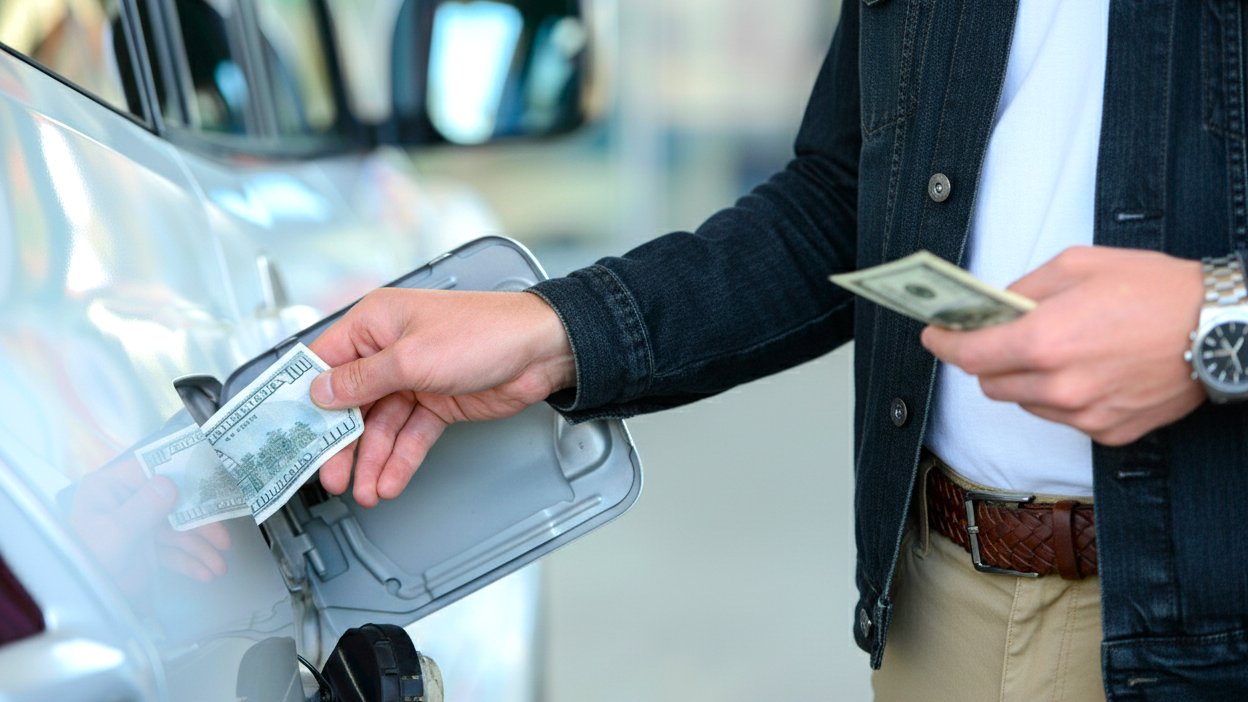
Some driving habits may seem insignificant, but in reality, they quietly and steadily drain your budget. You can try to drive efficiently, monitor your fuel consumption, and choose the best routes — but one or two small mistakes can completely wipe out all your efforts.
Below are the most common mistakes that even experienced drivers make:
1. Incorrect gear selection
This is especially relevant for cars with a manual transmission. Many drivers, trying to save fuel, drive at very low RPM — the engine works “under strain,” close to vibration levels. It may seem economical, but in truth, fuel burns inefficiently, and the load on the engine increases.
The opposite situation is revving the engine too high without real need — for example, rapid acceleration where a smooth start would be enough. As a result, fuel consumption rises, and any potential savings disappear.
Golden rule: shift gears smoothly, keep RPM in the optimal range, and listen to your engine — it always gives hints.
2. Ignoring overheating
An engine running at elevated temperatures consumes more fuel — that’s a fact. And it doesn’t need to reach the red zone: even near the upper limit of the normal range, fuel consumption starts to increase. A common reason for this is a dirty or clogged radiator. Dust, debris, road grime, and fluff reduce heat dissipation, causing the engine to overheat even during normal city driving.
The solution is simple: regularly check the radiator and cooling system, especially in summer or before long trips.
3. Using the air conditioner at full power
When the heat is unbearable, it’s tempting to cool the cabin instantly — so you turn the AC to maximum. But doing so increases fuel consumption by 15–20%, especially in traffic.
This doesn’t mean you have to drive with the windows open in 35°C heat. Just use the AC wisely:
- reduce the power after the cabin cools down initially
- ventilate the car briefly at the start of the trip
- keep filters and the ventilation system in good working order
Once you start noticing these small habits, saving fuel stops being theory and becomes a real, measurable result. Just a couple of days of mindful driving is enough to see your fuel consumption go down — and your car will feel smoother and more predictable on the road.
Conclusion: Savings Start with Habits
You don't need to be a mechanic or an expert to spend less on fuel. It's enough to change a few daily habits and pay a little more attention to your car. Smoothness, anticipation, and regular maintenance are the three pillars of economical driving. This is the exact approach that helps with how to improve fuel economy for any vehicle.
Try to implement at least three tips from this list today—for example, start accelerating more smoothly, check your tire pressure, and clear out the clutter from your trunk. You'll be surprised at how noticeable the difference will be on your trip computer and in your wallet.

