



The Right Car Wash Frequency: When and How Often You Should Clean Your Vehicle
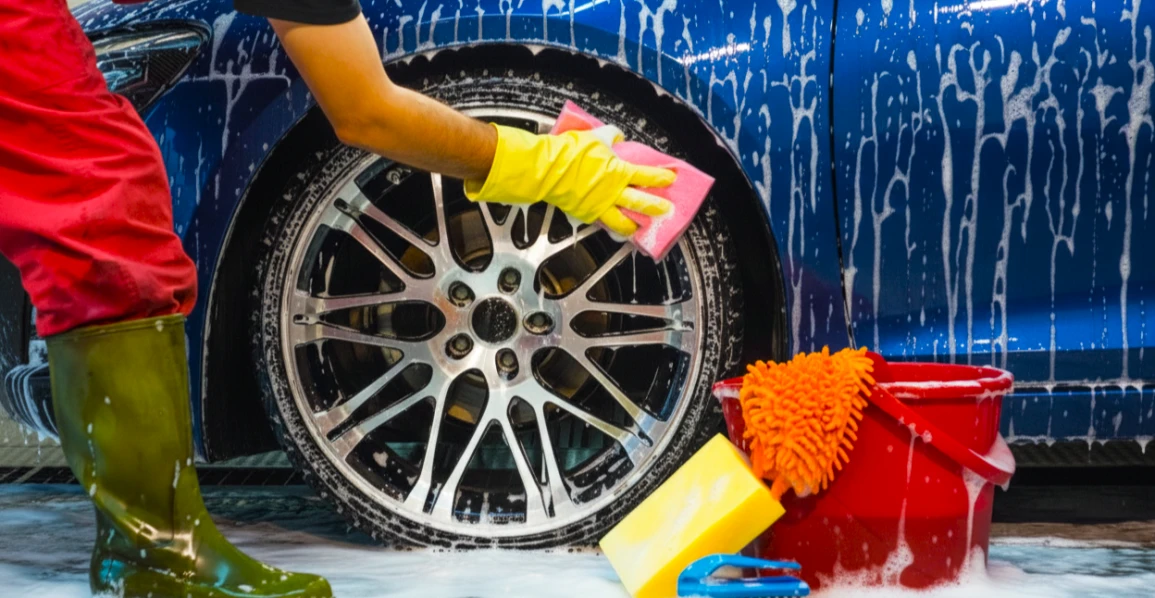
Many drivers wonder how often should I wash my car, thinking it’s mainly about keeping it shiny. In reality, car washing is more than an aesthetic habit — it’s a key part of maintenance. A clean vehicle resists corrosion, maintains better visibility, and holds its resale value longer. Dirt, salt, and pollution are all silent enemies that attack your car’s surface daily.
Regular washing is essential not just for looks but for safety and longevity. Clean windows and mirrors improve visibility, while removing road grime prevents paint oxidation and rust formation. However, there is no universal rule for how often to wash car — the right frequency depends heavily on your local environment, driving habits, and the type of finish your vehicle has.
What Affects How Often You Should Wash Your Car
The first step to determining when to wash car is understanding what affects how quickly it gets dirty.
- Climate and weather conditions. Cars in humid or coastal regions face salt and moisture that speed up rust, while those in hot, dry climates accumulate dust and UV damage. Frequent rain, snow, or road salt demand more frequent washing — sometimes weekly.
- Type of roads. Urban traffic exposes vehicles to exhaust residue, tar, and grime, while rural or off-road routes add mud and sand to the mix. Highway driving often leads to bug splatter and asphalt particles that adhere to the paint.
- Use of road salt and de-icing chemicals. In colder climates, salt is the main reason for corrosion on undercarriages and wheel wells. If your area uses de-icing agents, weekly washing is crucial, especially in winter.
- How often the car is used. Daily commuters or long-distance drivers accumulate contaminants much faster than weekend users. The more you drive, the more frequently you should clean your car.
- Color of the vehicle. Light-colored cars may look cleaner for longer, but they still collect contaminants that can damage the surface. Dark cars, on the other hand, show dust and streaks quickly and often require washing more often for aesthetic reasons.
The General Rule: How Often to Wash a Car
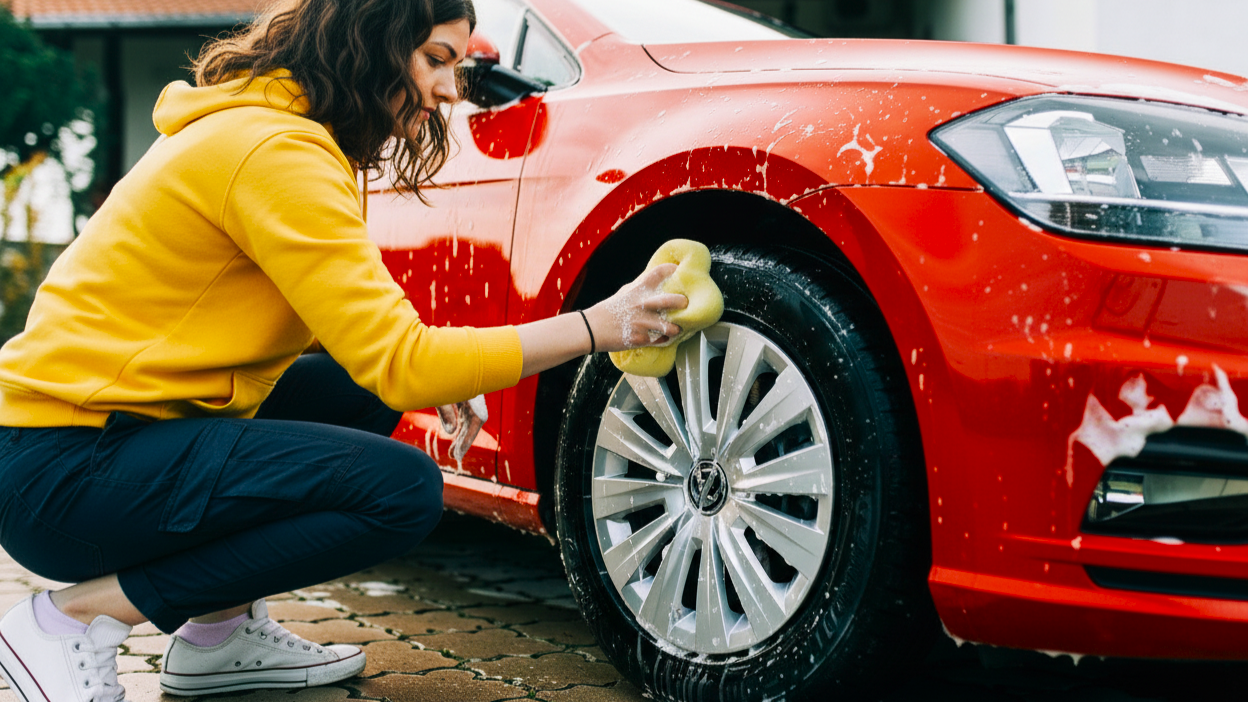
Most experts agree that for the average driver, the optimal frequency is once every one to two weeks. This interval balances practicality and protection, keeping the paint and clear coat in good condition.
Professional detailers recommend not letting more than two weeks pass between washes, as environmental contaminants like pollen, acid rain, and industrial fallout can start to etch the paint if left untreated.
However, how often wash car can vary. If your car is protected by a ceramic coating or a high-quality wax, you can extend the interval slightly — up to every three weeks — as these layers help repel dirt and water. For garage-kept vehicles used occasionally, washing once every month may suffice.
On the other hand, if your car is frequently exposed to harsh conditions — dust, mud, road salt, or bird droppings — weekly washes are necessary to prevent permanent surface damage.
When You Should Wash Your Car More Often
Some conditions require stepping up your routine:
- Winter and salty roads. Road salt is the biggest enemy of metal. Wash at least once a week and don’t forget the undercarriage.
- Highway travel. Bugs, tar, and oil residues can bond to the paint within hours. Remove them quickly to avoid etching.
- Rainy or muddy weather. Even clean rain carries pollutants from the air. Mud holds moisture that promotes rust.
- Parking under trees. Sap, pollen, and bird droppings can eat through the clear coat in days.
- Dusty regions or construction zones. Fine particles scratch paint like sandpaper – frequent rinsing prevents microdamage.
Each of these scenarios accelerates surface wear. If you notice a visible film, don’t wait for “wash day” – rinse immediately. A quick hand wash or touchless rinse can save hundreds of dollars in future paint correction.
How to Tell When It’s Time for a Wash
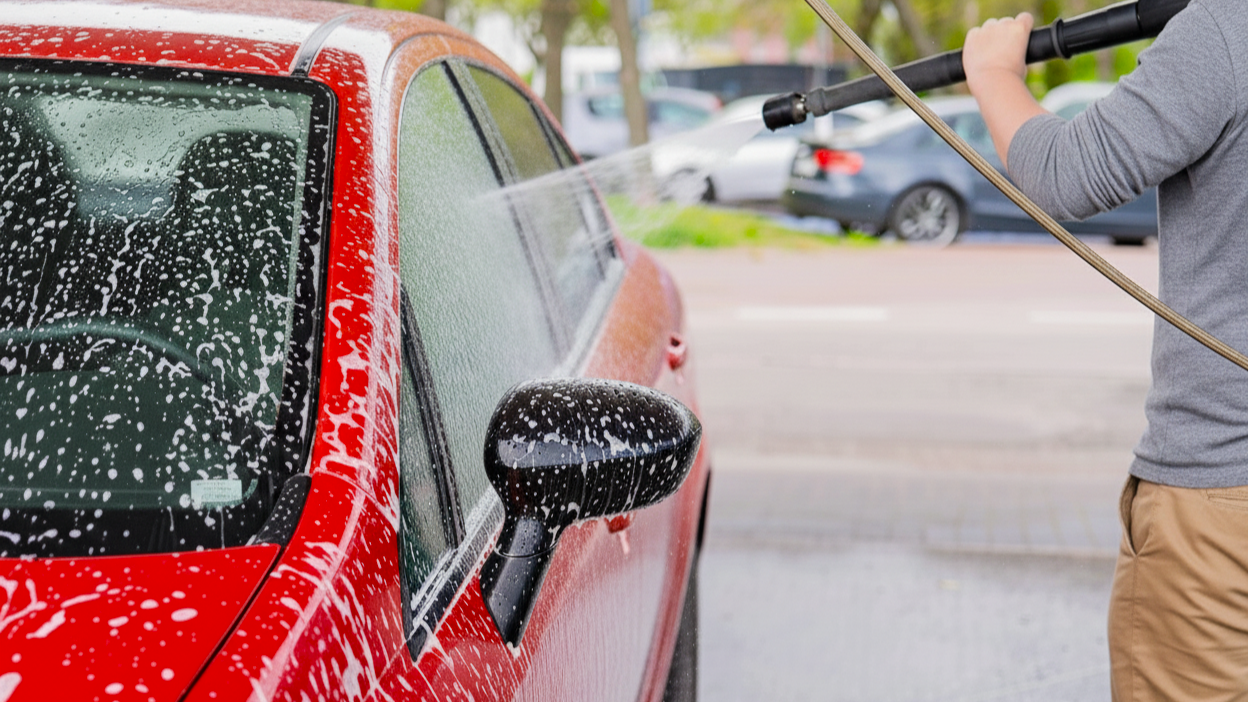
Beyond fixed schedules, there are visual and tactile signs that it’s time to clean your car. If you can clearly see dirt, mud splashes, or streaks on the surface, it’s already past due. A thin layer of sticky residue that cannot be easily removed by touch is another indicator. Reduced visibility through the windshield or mirrors also signals the need for cleaning.
When dust or grime starts to feel rough to the touch, it means contaminants are bonding to the paint – a warning that immediate washing is necessary. Ignoring it allows oxidation and surface dullness to progress rapidly.
The Impact of Regular Washing on Vehicle Condition
Consistent cleaning plays a vital role in extending your car’s lifespan. Washing removes road salt, pollutants, and organic matter that corrode metal and fade paint. The undercarriage and wheel wells, often neglected, benefit greatly from regular rinsing to prevent rust.
Clean headlights ensure maximum brightness at night, directly improving road safety. Regular washing also preserves rubber seals and plastic trims, preventing drying and cracking from UV exposure. Finally, a well-maintained car retains a higher resale value, as buyers often equate cleanliness with careful ownership.
How Often Should You Clean the Interior
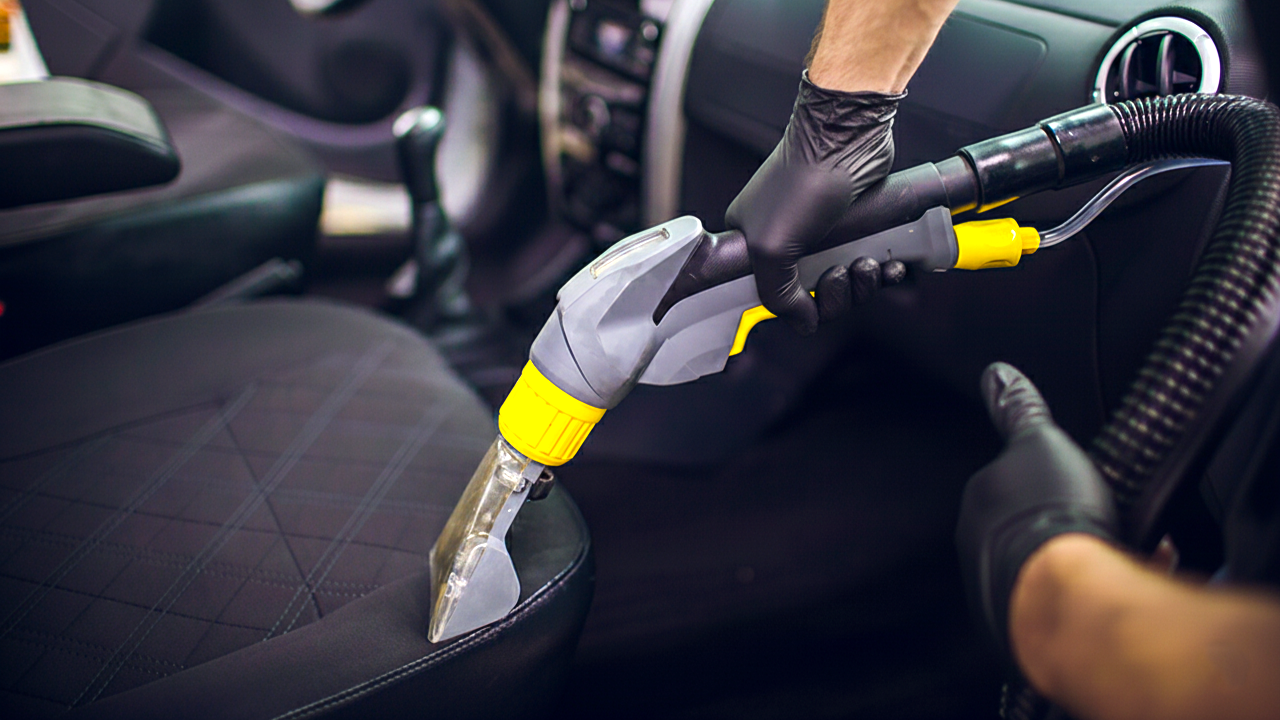
While exterior washing protects the body and paint, interior cleaning safeguards your comfort and health. Generally, a full interior cleaning every two to four weeks keeps the cabin fresh and prevents buildup of dust and bacteria.
If you transport children, pets, or allergy sufferers, cleaning should be done weekly. Crumbs, hair, and allergens accumulate quickly, affecting air quality and even the efficiency of the ventilation system. Regular vacuuming, wiping of surfaces, and disinfecting of touch points help maintain a pleasant environment and preserve upholstery.
A clean interior also prevents wear on buttons, fabrics, and leather caused by dirt particles rubbing into the materials. Think of it as preventive maintenance for the cabin – just as washing the exterior is for the body.
Different Types of Car Washes: What to Choose
When deciding how often to wash car, it’s equally important to consider how you wash it.
- Touchless (non-contact) washes rely on high-pressure water and detergents. They’re safer for modern paint finishes and ideal for frequent use. Hand washing, if done correctly, provides the best results but requires the right tools and gentle microfiber cloths to avoid scratching.
- Automatic car washes are convenient but can sometimes leave fine swirl marks due to stiff brushes. They’re suitable for quick maintenance but shouldn’t replace proper detailing.
- Home washing can be effective if local regulations allow it, but be cautious – insufficient rinsing or using household detergents can strip wax and damage the paint. Your washing method influences frequency: the gentler the method, the more often you can safely clean your car.
Should You Wash Your Car in Winter
Many drivers mistakenly believe washing in winter is pointless because the car gets dirty again immediately. In reality, this is the most important season to wash your car. Road salt, slush, and moisture create a highly corrosive environment. Washing at least once a week during the cold months – including undercarriage cleaning – prevents salt buildup and rust.
To avoid freezing issues, wash the vehicle during the warmest part of the day and dry all locks and seals thoroughly. Applying silicone grease to door gaskets also prevents them from sticking in subzero temperatures. Consistent winter care ensures the car’s longevity far more than any spring polish ever could.
Professional Tips for Exterior Care
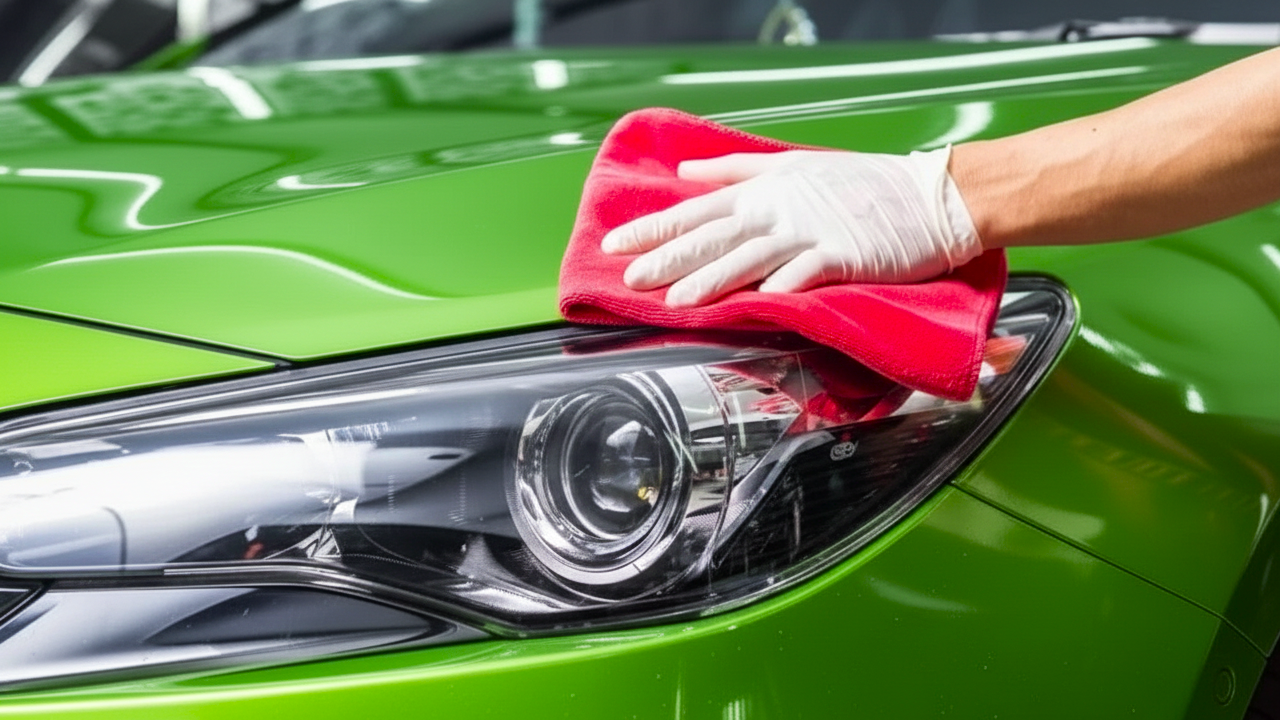
Protective coatings dramatically affect how often you should wash your car. Applying wax, synthetic sealant, or ceramic coating forms a hydrophobic barrier that repels dirt and water. As a result, contaminants stick less, and washing intervals can be extended by several days or even weeks.
However, these coatings require maintenance. Even ceramic protection benefits from gentle washing with pH-neutral shampoos. Neglecting cleaning allows chemical residues and pollutants to accumulate, eventually degrading both the coating and the paint. A consistent routine – wash, dry, and apply protection every few months – ensures a glossy, resilient surface. Always remember: prevention is easier and cheaper than paint restoration.
Frequently Asked Questions
- Can you wash your car too often? Not if done properly. Using the right products and soft materials means even weekly washing won’t harm the finish. The danger lies only in improper techniques, such as dry wiping or abrasive brushes.
- Should you dry your car after washing? Yes. Air-drying can leave mineral spots that etch into the clear coat. Use clean microfiber towels to remove excess water immediately.
- How often should you wash an electric car? Exactly as often as any other – the exterior materials are the same. Just avoid directing high-pressure water toward charging ports or electrical connectors.
- Is it safe to wash a car in direct sunlight or freezing temperatures? Avoid both extremes. Heat causes soap to dry too quickly, leaving streaks, while freezing conditions can trap water in locks and seals. Choose mild temperatures and shaded areas whenever possible.
Conclusion
So, how often should I wash my car? The correct answer depends on your surroundings, driving habits, and commitment to maintenance. On average, washing every one to two weeks is ideal for most drivers, with more frequent cleaning during winter or harsh conditions.
Regular washing is not vanity – it’s preservation. It shields your car from corrosion, maintains safety by improving visibility, and keeps the paint fresh and glossy. By making car washing a mindful habit, you invest directly in your vehicle’s longevity and value. A clean car is more than a reflection of pride; it’s a reflection of responsibility – to your investment, your safety, and the road ahead.

