



What Is the Best Car Ever Made? From Icons to Industry Revolutionaries
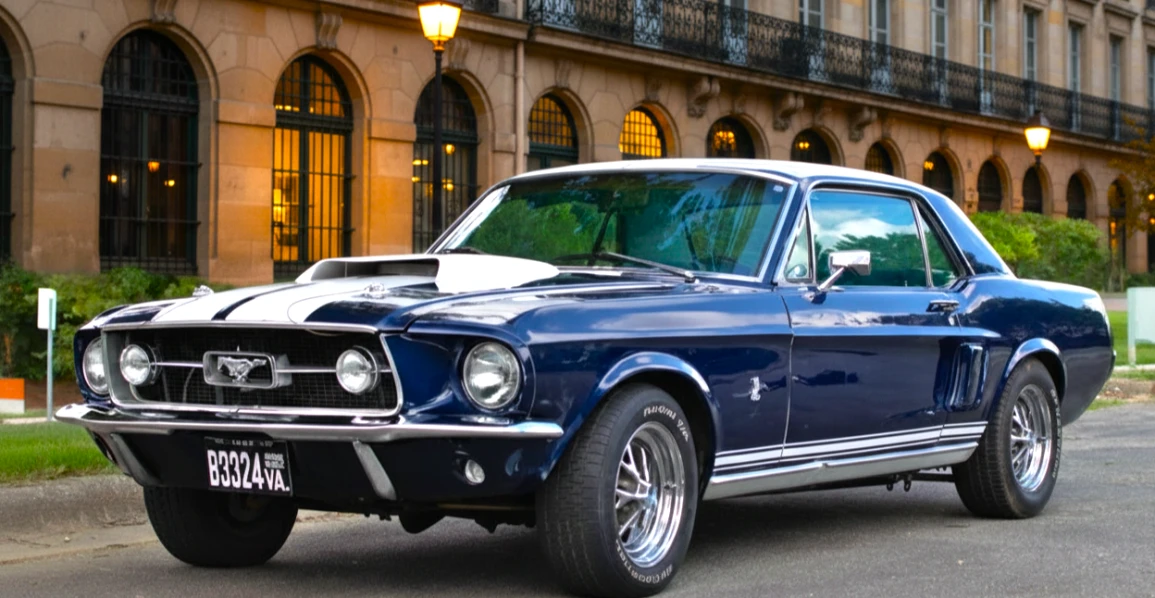
Do you know what makes a car a legend? Speed? Power? Price? No. A true icon is something more. Such a car transcends being a mere means of transport and becomes part of the culture. It reflects the spirit of its era, shapes a lifestyle, and leaves an indelible mark on the hearts of millions. Therefore, when we talk about the greatest cars of all time, we are not discussing acceleration seconds, but their impact on history. And that is 100% true.
There are popular cars that sell by the millions. And then there are iconic ones. Only a few hundred of them might be produced, but everyone recognizes their silhouette. They appear in movies and are remembered by audiences for a lifetime; at other times, they personify rebellion or a technological boom that turns the industry on its head.
Now, let's take a mental journey down the automotive world's hall of fame. We will remember the cars that put the world on wheels, defined the concept of a "supercar," and became symbols of generations. We will also try to understand what is the best car ever made, and why some of them rightfully bear the title of the best car ever made.
The Pioneers: The Cars That Started It All
At the beginning of the 20th century, the automobile was a luxury for the select few. The models that emerged changed much, making personal transport accessible and altering the face of the world.
Ford Model T (1908–1927)
.png?_t=1762025315)
Henry Ford's assembly line set the world in motion. He did not invent the automobile, but he made it accessible. The Model T was simple, reliable, and easy to repair. Thanks to the revolutionary assembly line method, its price constantly decreased, and millions of American families could afford personal transport for the first time. It changed the face of cities, created suburbs, gave people freedom of movement, and became a true symbol of the 20th-century industrial revolution.
Volkswagen Beetle (1938–2003)
.png?_t=1762025315)
The "People's Car," designed by Ferdinand Porsche, became a global phenomenon. Its simple and ingenious design with a rear-mounted, air-cooled engine made it incredibly reliable, durable, and cheap to produce. After World War II, the "Beetle" conquered the world, becoming a symbol of Germany's economic miracle. And in the 60s, it turned into a counter-culture icon, embodying ideas of simplicity and nonconformity.
Citroën DS (1955–1975)
.png?_t=1762025315)
When the DS was unveiled at the 1955 Paris Motor Show, it looked like a spaceship that had landed in the center of the pavilion. Its futuristic, aerodynamic design, hydropneumatic suspension that provided an incredibly smooth ride and allowed for adjustable ground clearance, swiveling headlights that followed the steering wheel, and disc brakes – these technologies were decades ahead of their time. The DS proved that a mass-produced family car could be an avant-garde work of engineering and design art.
Icons of the Golden Era (1950s–1970s)
The post-war economic boom and the flourishing of optimism gave birth to some of the most beautiful and desirable cars in history. Designs became bold, and engines became powerful.
Chevrolet Corvette (since 1953)
.png?_t=1762025315)
The first true American sports car. The Corvette was America's answer to elegant European roadsters. With its innovative fiberglass body for its time and powerful V8 engines, it became a symbol of the American dream, speed, freedom, and post-war optimism. Each generation of the Corvette reflected the spirit of its era while remaining an icon.
Jaguar E–Type (1961–1975)
.png?_t=1762025315)
Enzo Ferrari himself called it "the most beautiful car ever made." Perfect proportions, an endlessly long hood, and sensual, streamlined lines inspired by racing cars and aviation – the E–Type is the absolute benchmark of automotive design. It still tops the lists of the most beautiful cars ever made and is exhibited in the Museum of Modern Art in New York as a specimen of industrial design.
Ford Mustang (since 1964)
.png?_t=1762025315)
The Mustang created an entire class of cars – the "pony car": affordable, stylish, and sporty. It offered buyers a wide range of personalization options, allowing everyone to create a car for themselves. The Mustang became a symbol of freedom, youth, and the American rebellion of the 60s, forever entering history thanks to its role in the film "Bullitt" with Steve McQueen.
Lamborghini Miura (1966–1973)
.png?_t=1762025315)
The first production supercar in history. The Miura changed everything. Its revolutionary mid-engine layout and low, predatory silhouette, created by the young Marcello Gandini of the Bertone studio, became the standard for all subsequent supercars for decades to come. The Miura was a daring challenge thrown by a tractor manufacturer at Enzo Ferrari himself.
Cultural Phenomena: Cars That Became Pop Icons
Sometimes, a car becomes a legend not because of its characteristics, but because it was in the right place at the right time, becoming a part of mass culture.
Model | Famous For | Cultural Impact |
DeLorean DMC–12 | Its role as a time machine in "Back to the Future" | A symbol of the 80s, a geek's dream, an icon of retrofuturism |
MINI Cooper | Victories in the Monte Carlo Rally, "The Italian Job" | An icon of British style, a symbol of 60s urban fashion |
VW Camper Van | Symbol of the hippie movement and surf culture | The embodiment of freedom, travel, and nonconformity |
Pontiac Firebird Trans Am | Star of the movie "Smokey and the Bandit" | A symbol of American masculinity and 70s rebellion |
Modern Legends (1980s-2000s)
In this era, cars became more technologically advanced, faster, and safer, but some of them retained an analog, honest character for which enthusiasts loved them.
Ferrari F40 (1987–1992)
.png?_t=1762025315)
The last Ferrari created during Enzo Ferrari's lifetime. Uncompromising, untamed, without any electronic aids. A body of carbon fiber and Kevlar, a racing suspension, and an explosive V8 turbo engine. The brightest embodiment of an analog supercar, demanding maximum skill and respect from the driver.
Toyota Supra (A80, 1993–2002)
.png?_t=1762025315)
A legend of Japanese car culture (JDM) and the star of the movie "The Fast and the Furious." Its inline-six 2JZ–GTE engine became an icon for tuners due to its incredible durability and potential for being tuned to 1000 horsepower and more.
McLaren F1 (1992–1998)
.png?_t=1762027106)
Possibly the best car ever built. An engineering masterpiece created by Gordon Murray. A central driver's seat for perfect weight distribution, a V12 engine from BMW with a bay lined with gold foil for heat reflection, and the status of the world's fastest production car for over a decade.
Hummer H1 (1992–2006)
.png?_t=1762027206)
The civilian version of the HMMWV military off-roader. Huge, brutal, and absolutely unstoppable off-road. The H1 became a symbol of the excess and power of the 90s, gaining popularity among stars and off-road enthusiasts.
Game Changers: Cars That Turned the Industry Upside Down
Some cars don't just become popular – they change the rules of the game for everyone, creating new segments and technologies.
Model | Contribution to the Industry |
Toyota Prius | Made hybrid technology mainstream, proving its reliability and efficiency. |
Tesla Model S | Proved that electric cars can be fast, stylish, with a long range and cutting-edge technology. |
Jeep Wrangler | Preserved the spirit and design of a true off-roader in an era dominated by urban crossovers. |
Renault Espace | Created the minivan segment in Europe, offering an unprecedented level of family practicality. |
Why These Cars Are Still Important Today
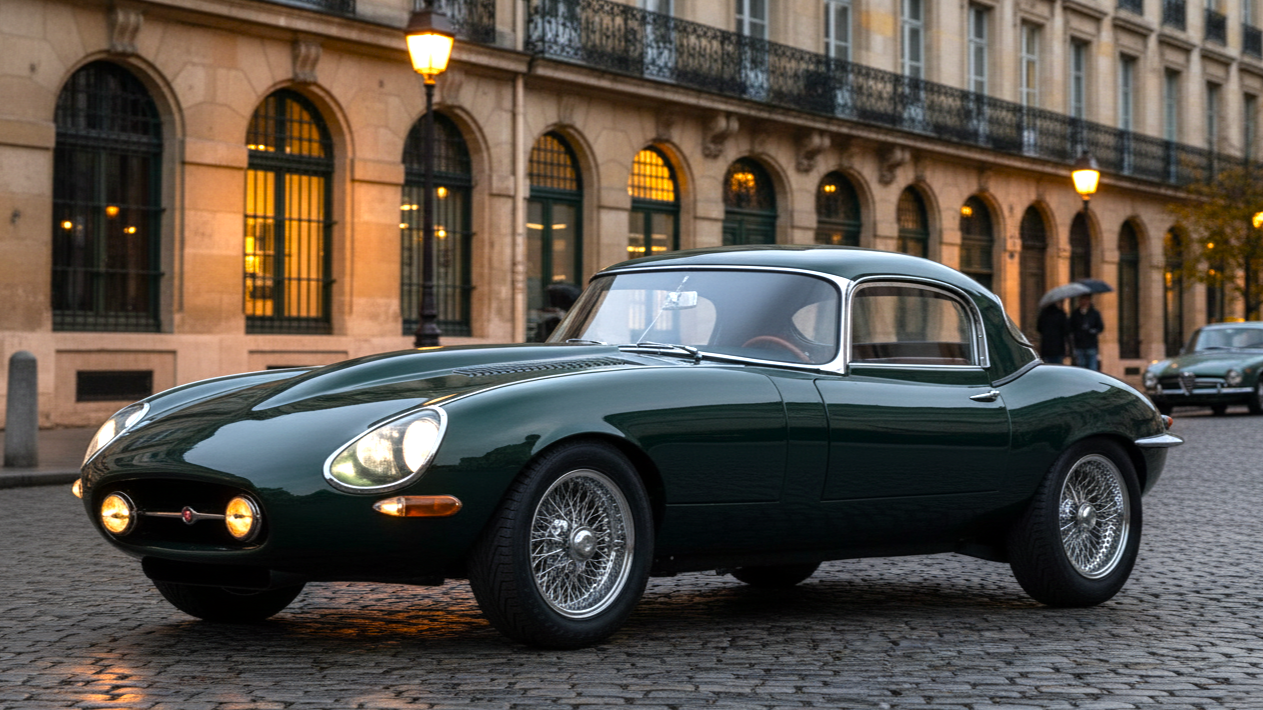
Iconic cars do not fade into the past. They continue to influence us and the industry. Many of them are a profitable investment, their collector's value is constantly growing, reaching millions of dollars at auctions.
Designers of modern cars still draw inspiration from the lines of classic Jaguars and Ferraris, creating retro motifs in new models. But most importantly, they evoke emotions and inspire new generations of car enthusiasts, supporting the culture of ownership, restoration, and love for automobiles.
For Enthusiasts: How to Get in Touch with Iconic Cars
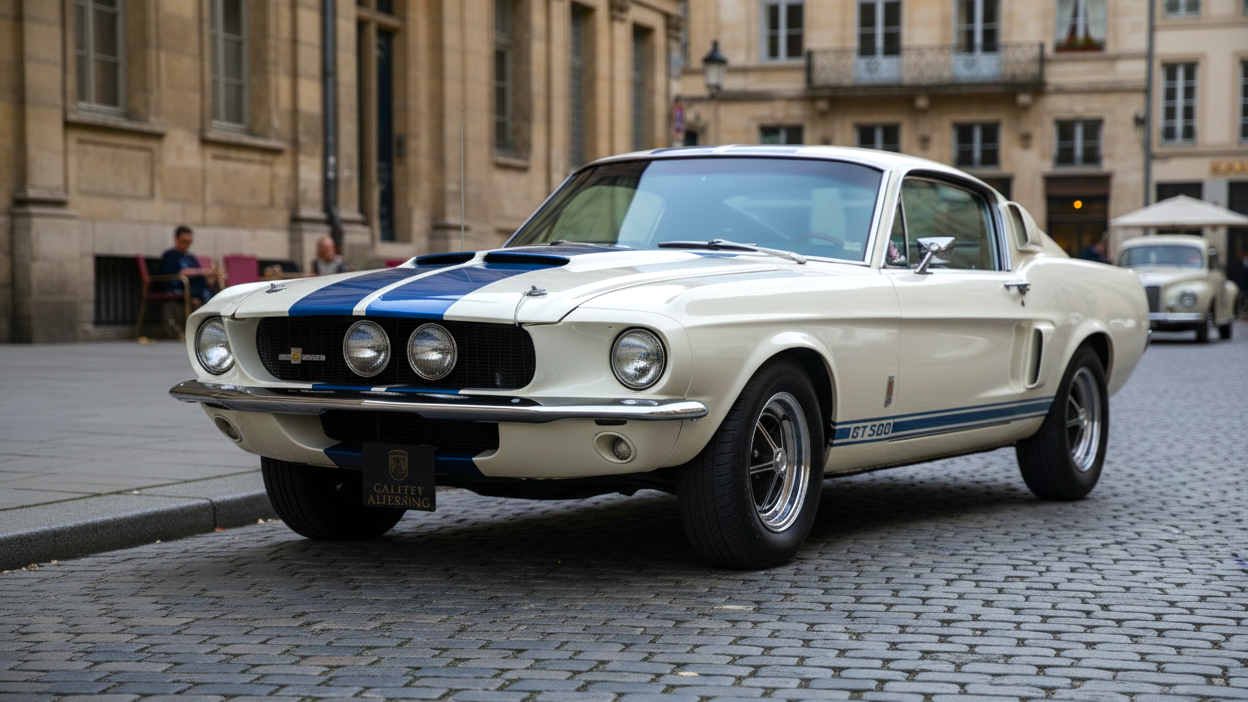
To enjoy the legends of the automotive industry, you don't need to invent a time machine and travel to the past. And you don't need to invent anything or complicate things at all. There are many accessible options to connect with the legends:
- Museums and Exhibitions. Visit the Porsche Museum in Stuttgart, the Ferrari Museum in Maranello, the Petersen Automotive Museum in Los Angeles, or car festivals like the Goodwood Festival of Speed in the UK.
- Rentals and Test Drives. There are companies that offer rentals of classic and iconic cars. A unique opportunity to feel the legend and understand why it is so loved.
- Clubs and Communities. Join fan clubs of your favorite brand. An excellent way to learn more about the history, ownership features, and find like-minded people.
Conclusion: The Legacy of Iconic Cars
The cars we have just talked about changed history, defined the style of entire eras, and became part of our common culture. Their design and stories do not age because they speak not of technology, but of dreams, freedom, and passion.
Ultimately, there is no single answer to the question, "what is the best car ever made?" Every car enthusiast will find their own legend. Fortunately, there is plenty to choose from, to enjoy, and to be impressed by. Therefore, one should not look for some ideal and, as it may seem, correct answer to this question.
The greatest car ever made is the one that didn't just transport people but moved all of civilization forward.

