



Front-Wheel Drive vs Rear-Wheel Drive Explained

The discussion around fwd vs rwd is often reduced to simple preferences, but in reality, drivetrain choice directly defines how a car behaves under physical load. Acceleration, braking, cornering, and even driver fatigue are influenced by which axle receives engine torque. Understanding this difference allows drivers to make rational decisions rather than relying on marketing or habit.
What Front-Wheel Drive and Rear-Wheel Drive Really Mean for the Driver
At a mechanical level, drivetrain layout determines where traction is created and how forces travel through the chassis. The fwd meaning refers to a configuration where propulsion and steering are combined at the front axle. This creates a compact, efficiency-focused system designed to prioritize stability and predictability.
The rwd meaning describes an architecture where propulsion is handled by the rear axle, while steering is isolated at the front. This separation fundamentally changes how a car responds to throttle input, especially when grip is limited or speed increases.
Why the Difference Matters Beyond Specifications
From the driver’s perspective, drivetrain choice affects three critical areas:
- how easily the car maintains grip,
- how it reacts when traction is lost,
- how much control the driver retains under stress.
Front-wheel-drive vehicles tend to self-correct and resist sudden directional changes, which benefits everyday driving. Rear-wheel-drive cars, by contrast, provide clearer feedback and greater control potential, but demand higher skill.
Below, we will break down how front-wheel drive and rear-wheel drive function in real-world conditions and help determine which option aligns with your driving environment and experience.
What Is Front-Wheel Drive (FWD)
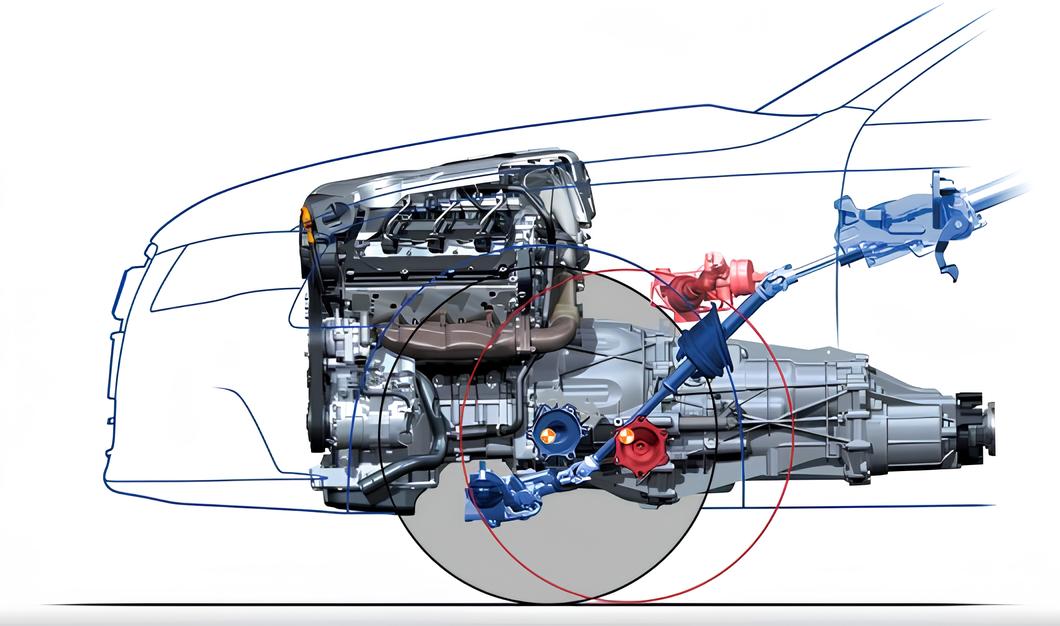
In a front-wheel-drive system, engine torque is transmitted directly to the front axle. This axle simultaneously generates forward motion and controls direction, effectively acting as the car’s primary control point.
How Front-Wheel Drive Works
Torque flows through a combined transmission and differential unit, minimizing mechanical distance between power generation and road contact. This reduces energy loss and improves efficiency, particularly at low and moderate speeds.
Engine and Transmission Layout
Most FWD vehicles use a transverse engine layout, allowing manufacturers to shorten the drivetrain and reduce vehicle mass. The result is improved packaging efficiency and lower production complexity.
Typical Applications of Front-Wheel Drive
Front-wheel drive is most commonly used in vehicles engineered for:
- daily commuting,
- urban traffic,
- fuel efficiency,
- predictable handling in variable weather.
What Is Rear-Wheel Drive (RWD)
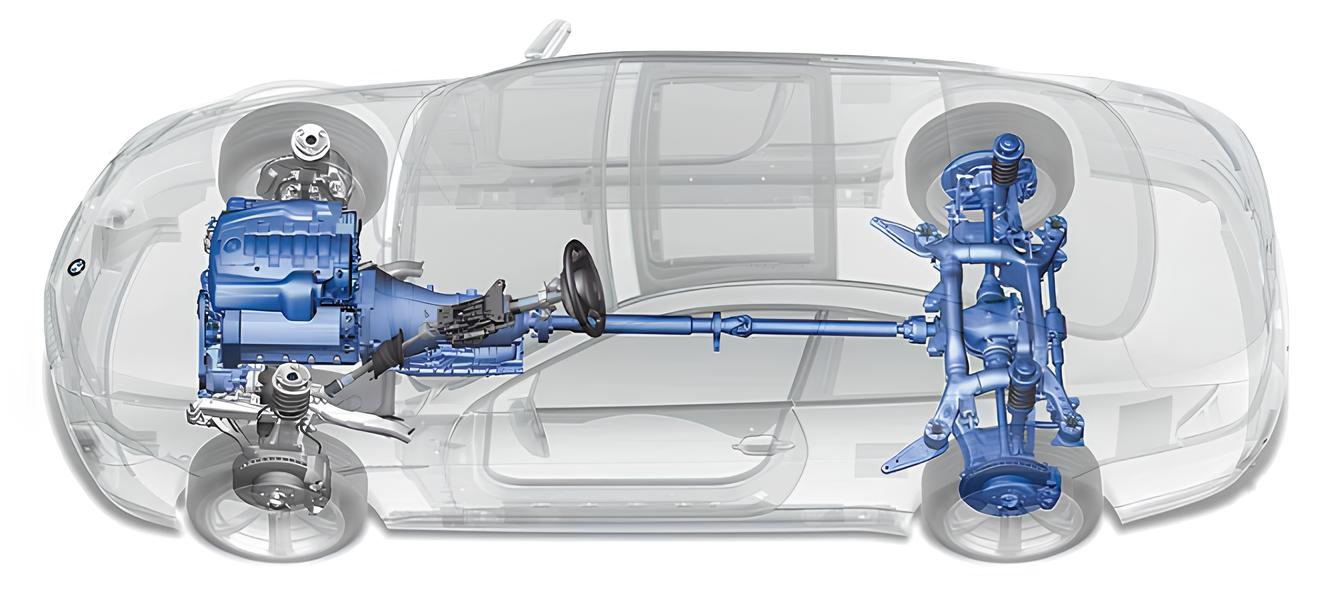
In a rear-wheel-drive configuration, engine torque is routed away from the steering axle and delivered to the rear wheels. This design deliberately separates directional control from propulsion. As a result, steering inputs remain mechanically “clean,” unaffected by acceleration forces.
From a physics standpoint, this layout aligns well with how a vehicle behaves under load. During acceleration, mass shifts rearward, increasing vertical load on the driven wheels rather than reducing it.
How Rear-Wheel Drive Works
Torque travels through the transmission, along a driveshaft, and into a rear-mounted differential. Although this increases mechanical complexity, it also improves torque stability at higher speeds and under sustained load. The system is less sensitive to sudden throttle inputs, especially in powerful vehicles.
Weight Balance and Load Distribution
One of the most important characteristics of rear-wheel drive is how it manages longitudinal forces. Because traction demand and steering effort are distributed across different axles, the chassis remains more balanced when grip is near its limit.
This results in:
- smoother acceleration out of corners,
- more linear steering feedback,
- greater control during high-speed maneuvers.
Where Rear-Wheel Drive Is Most Commonly Used
Rear-wheel drive is typically chosen for vehicles where dynamic consistency matters more than packaging efficiency:
- performance sedans and coupes,
- sports cars,
- premium and luxury vehicles,
- pickups and vehicles designed for towing.
Advantages of Front-Wheel Drive

Despite its simpler image, front-wheel drive is not a compromise – it is an intentional engineering solution optimized for real-world use.
Predictable Behavior in Low-Grip Conditions
By concentrating mass and propulsion at the front axle, FWD vehicles create a natural stabilizing effect. When traction is reduced, the car tends to lose grip gradually rather than abruptly, giving the driver time to react.
Efficiency Through Mechanical Simplicity
Shorter drivetrains reduce rotational losses. Combined with lower overall vehicle mass, this leads to improved fuel economy and reduced emissions – key reasons manufacturers continue to favor FWD platforms.
Lower Ownership Complexity
Front-wheel-drive systems contain fewer components exposed to high torque loads. As a result:
- maintenance costs are generally lower,
- repairs are less labor-intensive,
- long-term reliability is easier to manage.
Limitations of Front-Wheel Drive
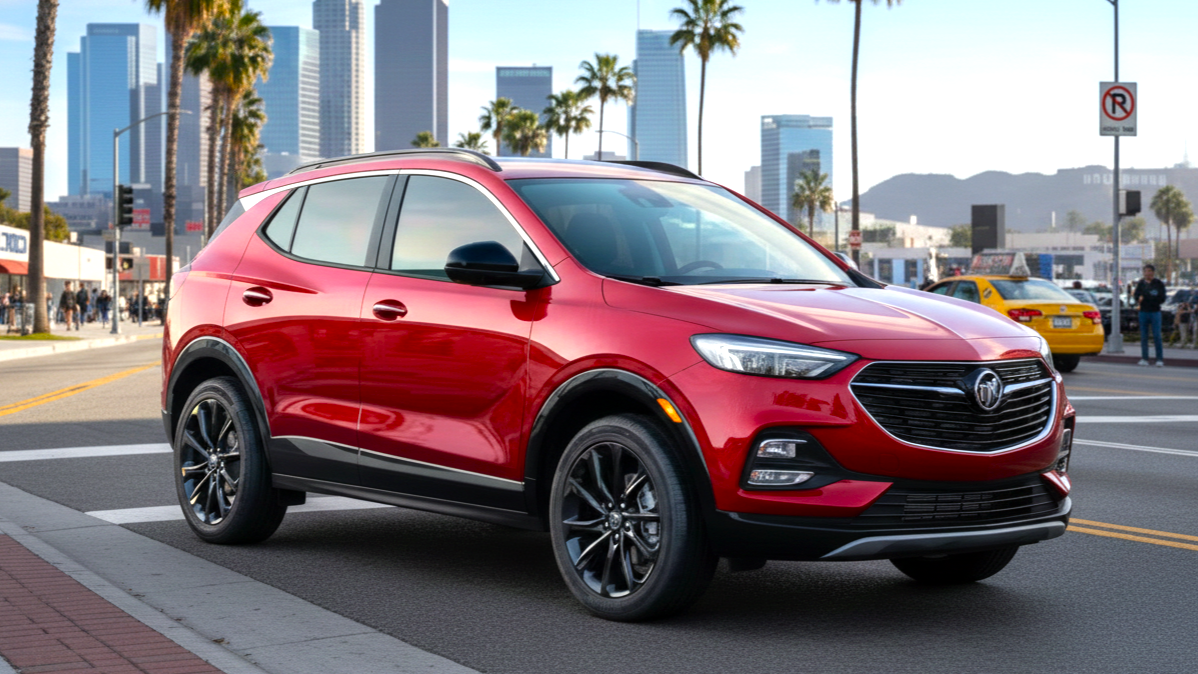
Front-wheel drive performs exceptionally well in everyday conditions, but its weaknesses become evident when driving demands increase.
Reduced Effectiveness Under High Load
When engine output rises, the front axle reaches its traction limit faster. The reason is structural: steering, braking, and propulsion forces act on the same wheels. As torque increases, available grip must be shared, which limits acceleration potential and reduces stability during aggressive maneuvers.
Steering Degradation at the Limit
Under dynamic driving, FWD vehicles tend to lose steering precision. As front tires approach maximum grip, steering inputs become less effective, resulting in a widening corner radius. This behavior prioritizes safety but limits driver control at higher performance levels.
Accelerated Wear of Front Components
The front axle in FWD vehicles operates under constant combined load. Over time, this leads to:
- uneven tire wear,
- increased stress on suspension joints,
- higher long-term load on steering components.
These effects do not compromise reliability but influence maintenance patterns and driving feel.
Advantages of Rear-Wheel Drive
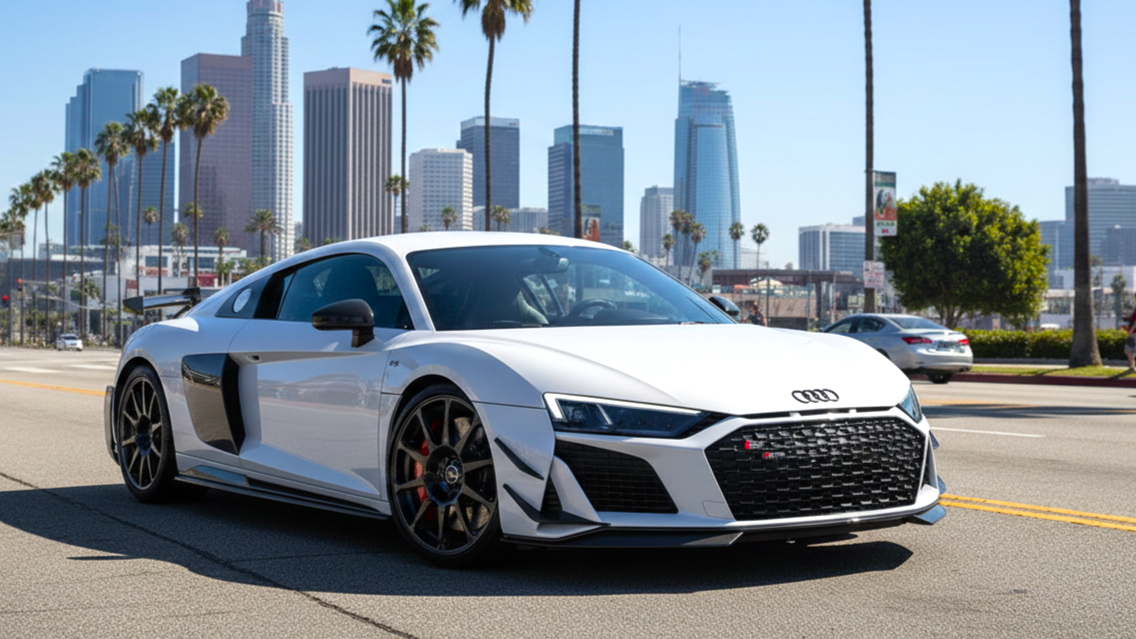
Rear-wheel drive is not about tradition – it is about mechanical clarity and dynamic consistency.
Balanced Force Distribution
By assigning propulsion to the rear axle and steering to the front, RWD vehicles maintain clearer separation of forces. This allows each axle to operate within a narrower functional range, improving overall balance.
Greater Control at Higher Speeds
At speed, stability depends on how predictably a car responds to inputs. Rear-wheel-drive layouts maintain steering precision under acceleration, enabling smoother corrections and more confident lane changes.
Compatibility With High Torque Output
As engine power increases, rear-wheel drive becomes structurally advantageous. Weight transfer under acceleration increases rear tire load, improving traction rather than reducing it. This makes RWD the preferred architecture for powerful engines.
Driver Engagement and Feedback
For experienced drivers, RWD offers clearer feedback and finer control over vehicle behavior. Throttle input directly influences vehicle attitude, allowing controlled adjustments during cornering and acceleration.
Limitations of Rear-Wheel Drive

Despite its dynamic strengths, rear-wheel drive introduces challenges in everyday environments.
Lower Natural Traction in Low-Grip Conditions
Without engine mass over the driven wheels, RWD vehicles rely more heavily on tire quality and electronic systems when grip is reduced. Snow and ice require careful throttle control and proper equipment.
Higher Skill Requirement
Rear-wheel-drive cars respond more directly to driver inputs. While this benefits experienced drivers, it can overwhelm beginners, particularly in emergency situations.
Increased Mechanical Complexity
Additional drivetrain components introduce higher maintenance demands. Over time, this can result in:
- increased service costs,
- more complex diagnostics,
- higher repair expenses compared to FWD platforms.
Front-Wheel Drive or Rear-Wheel Drive in Different Conditions

Urban Driving and Daily Use
In city environments, drivetrain efficiency and predictability matter more than peak performance. Front-wheel-drive vehicles are better adapted to frequent stops, uneven pavement, and moderate speeds. Their behavior remains consistent even when traction is reduced, which lowers cognitive load for the driver during daily commuting.
Winter, Rain, and Low-Traction Surfaces
When road grip is compromised, the location of mass becomes critical. Front-wheel drive benefits from having engine weight directly above the driven wheels, creating a stabilizing traction anchor. Rear-wheel-drive cars can operate effectively in these conditions, but only when paired with proper tires and electronic assistance. This is why many drivers, especially in colder regions, compare rear wheel drive vs all wheel drive before making a final decision.
High-Speed Driving and Open Roads
At sustained highway speeds, rear-wheel drive demonstrates structural advantages. Clear steering feedback, reduced torque interference, and balanced chassis behavior contribute to lower driver fatigue and higher confidence during long-distance travel.
Driver Experience and Control Style
Drivetrain choice should reflect the driver’s ability to interpret and manage vehicle feedback:
- front-wheel drive supports corrective driving habits,
- rear-wheel drive rewards precise throttle and steering input,
- inexperienced drivers benefit from FWD stability,
- advanced drivers extract more control from RWD layouts.
Which Drivetrain Should You Choose

For New Drivers
Front-wheel drive remains the most accessible option. Its resistance to sudden oversteer and gradual loss of grip help beginners maintain control during unexpected situations.
For Family-Oriented Vehicles
FWD platforms align well with family use due to lower running costs, predictable handling, and better efficiency in everyday conditions.
For Performance-Oriented Drivers
Rear-wheel drive is better suited for drivers who value balance, feedback, and dynamic control. It allows the vehicle’s behavior to be shaped through throttle input rather than corrective steering.
New vs Used Cars: Practical Considerations
When choosing between new and used vehicles, drivetrain complexity matters. Front-wheel-drive systems are typically less expensive to maintain, while rear-wheel-drive cars require closer inspection of drivetrain components but often deliver longer-term dynamic satisfaction.
Conclusion
The question of fwd vs rwd is not about superiority but about alignment with real-world use. The fwd meaning represents efficiency, predictability, and accessibility. The rwd meaning reflects balance, mechanical clarity, and driver involvement. Each layout solves a different problem, and understanding those differences leads to better decisions.
Front-wheel drive and rear-wheel drive each offer distinct advantages shaped by physics, not trends. Choosing the right drivetrain means matching engineering logic with your driving environment, experience, and expectations.
Explore our vehicle catalog to find a model with the drivetrain configuration that best fits your driving style and daily needs.

