



What Oil Do I Need for My Car: A Practical Guide to Engine Oil Types and Selection
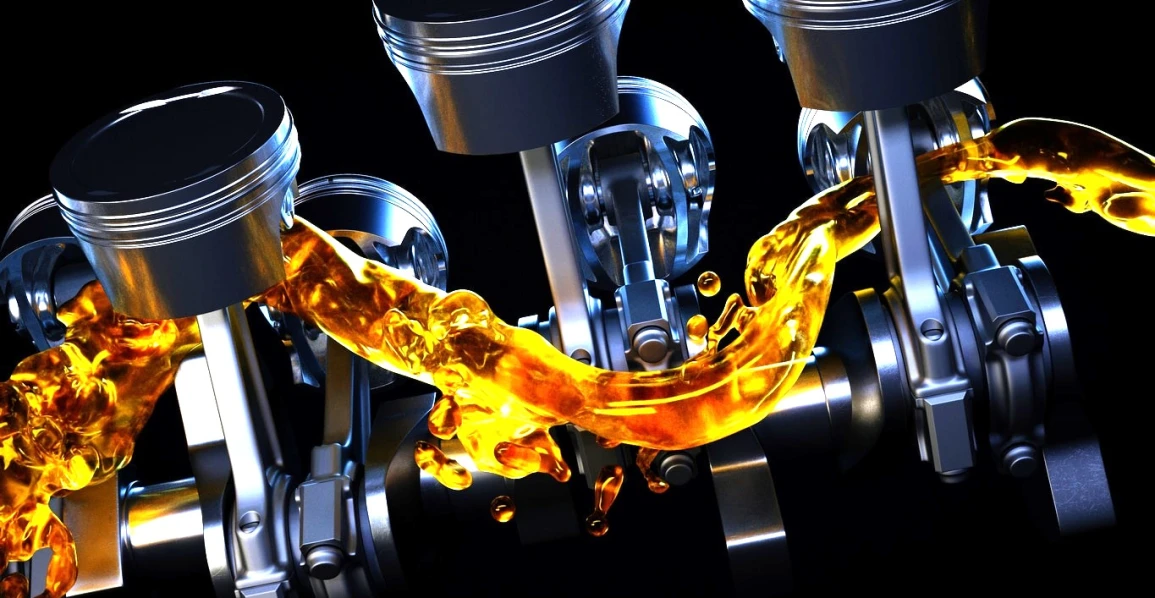
Engine oil performs far more functions than a simple lubricant. It protects parts from wear, dissipates heat, cleans the engine of deposits, and prevents corrosion. Imagine these functions are compromised – overheating, carbon buildup, metal-on-metal friction. Sounds like a death sentence? It is. The statistics are merciless: a lion's share of serious engine failures are directly related to the wrong choice or untimely replacement of oil.
The auto industry has made a huge leap: from simple mineral oils derived from crude oil to complex synthetic oils created in laboratories with specified molecular structures. This has allowed engines to become more powerful, efficient, and durable. To ignore these changes is to voluntarily deprive your car of the best protection. And saving on lubricant is a trap: a penny saved today will turn into thousands for repairs tomorrow.
The Basics of Understanding Motor Oil: What Constitutes the "Life" of an Engine
Any engine lubricant is a mixture of a base stock (70–95%) and an additive package (5–30%). Today, stores sell three types of oils: mineral, synthetic, and semi-synthetic.
- Mineral Bases. The simplest, obtained by direct refining of petroleum. Their molecular structure is non-uniform, which makes them less stable at temperature extremes and prone to rapid oxidation.
- Synthetic Bases. A product of chemical synthesis. Their molecules have a specified, uniform structure. This provides excellent thermal stability, fluidity at low temperatures, and high resistance to oxidation.
- Semi-Synthetic Bases. A compromise – a mixture of mineral and synthetic bases. They offer improved properties compared to mineral oil but are more affordable than synthetic alternatives.
Additive Package: Chemical Additives for Property Improvement
It is the additives that make this composition highly effective:
- Anti-oxidants. Slow down the aging of the lubricant at high temperatures.
- Detergents and Dispersants. Detergents clean carbon deposits, while dispersants keep contaminants in suspension, preventing them from settling.
- Anti-wear. Create a protective film on parts, reducing friction.
- Viscosity Modifiers. The most important for multi-grade lubricants. They allow the composition to remain fluid in the cold and not thin out excessively in the heat.
Viscosity and Classification
You have surely seen symbols like "5W–30" on a bottle. This is the technical "passport" of the lubricant, developed by the Society of Automotive Engineers (SAE). This understanding engine oil viscosity is the basis for the correct choice and protection of your engine. Usually, the code is divided into two parts, describing the composition's performance in different temperature regimes:
Winter Index (with the letter "W"): 0W, 5W, 10W, 15W, 20W
The number before the "W" (Winter) indicates how easily the lubricant will pump through the system and reach friction parts at low temperatures. A lower number – for example, 0W – means excellent low-temperature properties, ensuring an easy engine start even in severe frost and instant lubrication from the first seconds of operation.
Summer Index (without a letter): 20, 30, 40, 50, 60
The number indicates the composition's viscosity at engine operating temperatures, usually around 100°C. The higher the value, the denser and stronger the oil film the lubricant forms on hot surfaces, providing reliable protection against wear under high loads.
All-Season Compositions
Most modern car lubricants, like "5W–30," are all-season. Thanks to special polymer additives, they exhibit flexible behavior: they act like "winter" lubricants at cold start and maintain the necessary viscosity like "summer" ones when the engine is warm. This is convenient and practical, eliminating the need for seasonal replacement.
Practical Application of Viscosity: How to Choose the Right Option
1. "Engine oil grades" in action. 0W–20 vs. 5W–30 vs. 10W–40.
- 0W–20 – often recommended for high-precision, efficient, and modern engines with minimal clearances, where maximum efficiency and quick warm-up are important.
- 5W–30 – the most versatile and common option, suitable for a wide range of modern passenger cars, providing a good balance between cold start and protection under operating loads.
- 10W–40 – a more viscous composition, most often used in engines with significant mileage or in older designs where increased clearances require a denser protective film.
2. Influence of climatic conditions. If you live in a region with severe winters, choosing a lubricant with a low "W" index (0W or 5W) is a guarantee of trouble-free starting. In a hot climate, on the contrary, the second number is more important, so that the composition retains the strength of the film and does not thin out excessively.
3. Viscosity adjustment for high-mileage engines. As an engine ages and wears, the clearances in it can increase. In some cases, mechanics advise switching to a slightly more viscous summer index (for example, from 5W–30 to 5W–40) to compensate for wear. But this decision must always be justified and comply with the manufacturer's tolerances.
4. Compositions for high-mileage cars ("High Mileage"). For engines that have driven over 100,000 kilometers, there are special formulas. They contain additives that help restore the elasticity of hardened seals, combat micro-leaks, and reduce wear characteristic of aging units.
Engine Oil Types: From Basic to Premium
In addition to viscosity, engine oil types are determined by their base, which affects price and performance.
Composition Type | Base | Features | When to Choose |
Mineral | From crude oil | Cheap, limited thermal stability, frequent oil changes | Very old, non-demanding engines, short intervals |
Semi-Synthetic | Blend of mineral and synthetic | Price/quality compromise, improved stability | Most modern cars (non-turbocharged) |
Fully Synthetic | Artificial synthesis | Maximum protection, stability, extended life | All modern, turbocharged, hybrid, sports cars |
Motor Oil Ratings and Certification: What the Icons on the Packaging Hide
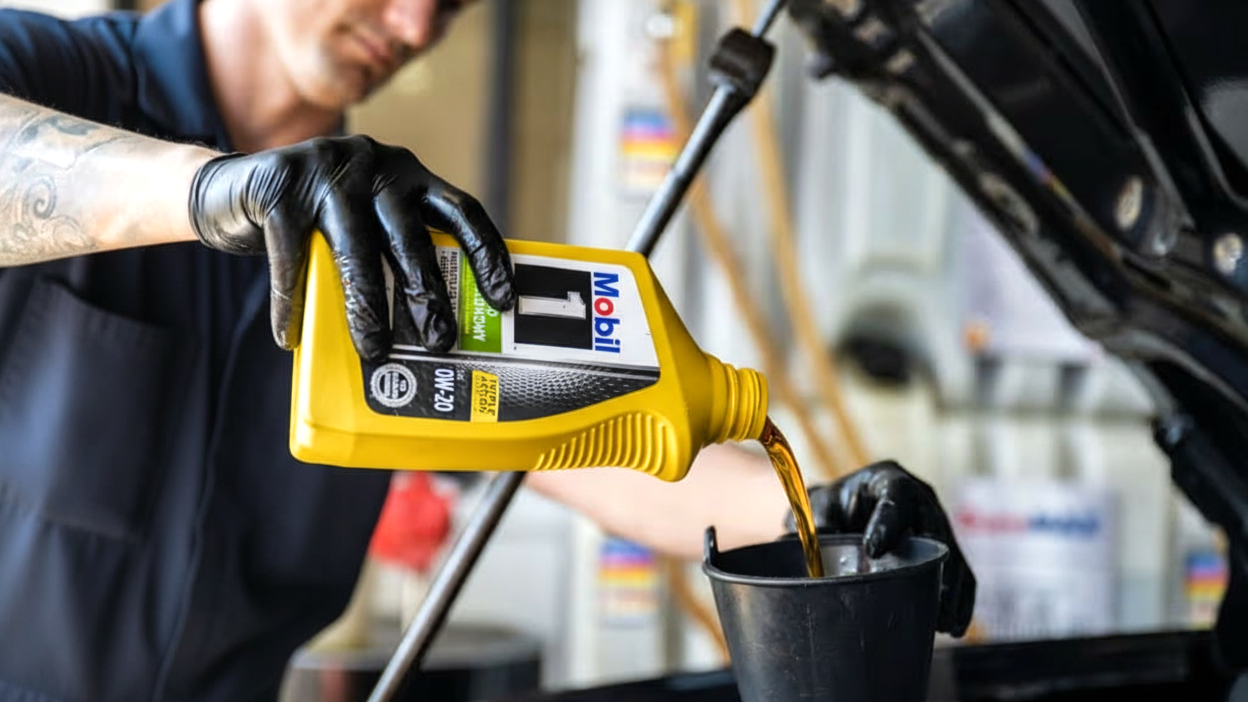
In addition to viscosity indicators, you will see abbreviations on the label that serve as a kind of "quality certificate." This confirms that the composition has passed rigorous tests and meets certain requirements for unit protection. This is the basis for understanding the viscosity of motor oil in the context of its overall performance.
API (American Petroleum Institute) – an authoritative American standard. It divides lubricants into categories:
- For petrol engines – starting with the letter "S" (from Spark Ignition). The further the letter in the alphabet (e.g., SN, SP), the more modern and stringent the performance requirements. SP is the latest standard, specifically designed to prevent the LSPI (Low Speed Pre-Ignition) effect in modern turbocharged engines with direct injection.
- For diesel engines – starting with the letter "C" (from Compression Ignition). Examples – CK–4, FA–4. Here, the principle "further in the alphabet – newer and stricter" also applies.
ACEA (Association des Constructeurs Européens d’Automobiles) – the European equivalent of API, but with a focus on the specifics of the European car fleet and stricter environmental standards:
- A/B categories – intended for petrol and diesel passenger cars (e.g., A3/B4, A5/B5).
- C categories – critically important for engines equipped with exhaust after-treatment systems (DPF particulate filters, catalytic converters). These are so-called "Low SAPS" compositions, with low content of sulfated ash, phosphorus, and sulfur. Their use is mandatory for the long and correct operation of these expensive systems.
- E categories – designed for heavy-duty diesel engines of commercial transport.
Automaker Approvals (OEM specifications) – this is the most important! If you see "BMW Longlife–04," "Mercedes MB 229.51," or "VW 504 00/507 00" on the canister, know this: these are not just general standards. These are specific approvals issued by the manufacturer after thorough testing, confirming the full compliance of the lubricant with the unique design features of its engines, materials, and operating modes. Such individual "seals of quality" have priority over general API or ACEA categories. Where to find these requirements? In your car's owner's manual – it is your desktop reference, your car engine oil guide.
Determining Needs: What Oil Do I Need for My Car?

So, you are faced with a task: how to choose engine oil? Don't complicate things. Approach the issue systematically.
The main advisor is the owner's manual. This is where it's written in black and white with all the necessary parameters: recommended viscosity (e.g., SAE 5W–30), required standards (API SP, ACEA C3), and, most importantly, the specific OEM approvals of your manufacturer. If you're asking yourself, what oil do i need for my car? The answer is 99% there. If the manual is lost, contact an official dealer or use online selection services.
Factors that adjust the choice: real operating conditions. Even if the manufacturer has given clear recommendations, your driving style and environment can make adjustments:
- Climatic conditions: In regions with harsh winters, priority is given to lubricants with the lowest "W" index (0W, 5W) for quick starting and lubrication. In a hot climate, it is more important for the composition to maintain film strength at high temperatures.
- Driving style: If you prefer a dynamic, aggressive driving style with frequent high revs, the engine experiences increased loads. Here, a more stable synthetic composition capable of withstanding extreme conditions is required.
- Type of trips: Frequent short routes through the city, standing in traffic jams – these are "severe conditions" for the lubricant. The engine does not have time to reach operating temperature, and condensate forms, which wears out the composition faster. In such cases, the oil change intervals should be shortened.
- Age and condition of the engine: For units with significant mileage, special High Mileage compositions are sometimes considered, designed to combat wear and small leaks. However, any such decision must be consistent with the manufacturer's approval.
- Online assistants: Leading lubricant manufacturers (e.g., Mobil, Shell, Castrol) offer convenient online selectors on their websites. Enter your car's data, and the system will provide a list of recommended compositions. But remember: always double-check this information with your car engine oil guide!
Special Types of Oils: For Special Conditions and Requirements
Standard lubricants are not suitable for some engines.
- Compositions for turbocharged engines: require increased thermal stability and protection against turbine coking.
- Compositions for hybrid cars: Must withstand frequent engine starts/stops, protect against condensation and corrosion. Often, these are low-viscosity synthetic compositions (0W–20, 0W–16).
- Compositions for sports cars: High-temperature stability, shear resistance, and rapid viscosity recovery under extreme loads. In these cases, the best oil for my car is a specialized composition, often with unique approvals.
Change Intervals: When to Change Oil for Maximum Protection
There are several reasons for replacement. List all of them.
- Manufacturer Recommendations. This is the base (10–15 thousand km or 1 year). But there is a nuance: "severe operating conditions" (city, traffic jams, short trips, dust, towing) require halving the interval. In fact, most city cars operate in "severe conditions."
- Monitoring the Condition of the Lubricant. Modern cars have resource monitoring systems. Trust them, but remember about "severe conditions." Analysis of used lubricant in a laboratory is for perfectionists or when solving problems. Visual assessment (dark, smells burnt) is a reason for immediate replacement.
- Factors that Shorten the Life of the Composition. Frequent short trips, traffic jams, dusty conditions, towing. Even the best engine oil cannot resist these factors forever.
The Oil Change Process: DIY vs. Professional Service

Changing the oil is routine, but responsible.
- DIY change: If you have the tools and experience, you can do it yourself. Warm up the engine, drain the old composition, change the oil filter (it's no less important!), and pour in fresh according to the dipstick.
- Safety and disposal: Hot composition is dangerous. Used lubricant and filter are hazardous waste. Never pour them down the drain! Hand them over for disposal at services or special collection points.
- Choosing a lubricant filter: Always choose a quality filter from trusted brands or original. A low-quality filter will negate the benefits of a good composition.
- Professional change: If you don't have the time, tools, or desire, trust a service. Plus – additional checks, warranty, and proper disposal.
Common Myths and Misconceptions About Car Lubricant
- "The more expensive, the better": No. The main thing is compliance with the specifications and approvals of the manufacturer, indicated in the car engine oil guide. If the lubricant complies, overpaying for the brand is pointless.
- "You can't mix different types of lubricants": Modern compositions are usually compatible. In an emergency, you can top up, but at the first opportunity, do a full oil and filter change. It is not recommended to drive constantly on a mixture, as the additive packages can conflict. The answer to the question "Synthetic vs conventional oil, can they be mixed?" is yes, but it is not desirable on a permanent basis.
- "Synthetics destroy seals" – an outdated myth. The first synthetic compositions could be aggressive to old rubber, but modern synthetics are fully compatible with all seals. If leaks appear after switching to synthetics, it means the seals were already worn out, and the synthetics simply washed away the deposits that were temporarily masking the problem.
The Impact of Lubricant Quality on Ecology and the Economy
Car lubricant affects not only the engine's operation but also the environment and your budget in the long run.
- Environmental nuances: A quality composition reduces harmful emissions, as it promotes more complete fuel combustion. Extended change intervals reduce the volume of used lubricant requiring disposal.
- Economic efficiency: It's not an expense, but an investment. Good lubricant extends the engine's life, reduces fuel consumption, and prevents costly repairs. This reduces the total cost of car ownership.
- Disposal and recycling: Used lubricant can be recycled. By handing it over to special points, you contribute to environmental protection and rational use of resources.
The Future of Lubricants: Trends and Innovations
The world of automotive technology is constantly changing, and lubricants are no exception.
- Technological Innovations. Nanotechnology, biosynthetic base stocks from renewable sources, "smart" additives that adapt to changing engine operating conditions – all of this is already in development.
- Electrification of Transport. Although electric cars do not need lubricant for an ICE, they need compositions for gearboxes, electric motor bearings, and battery cooling systems. This is a new field for the industry's development.
- Personalized Approach. In the future, compositions may be possible whose chemical balance will be selected for individual operating conditions and driving style, with real-time condition monitoring.
Conclusion: The Right Lubricant Choice is an Investment in Engine Longevity
So, to summarize. How to choose engine oil? Don't overcomplicate. Here are the main principles of choice:
- Your car engine oil guide is your main document.
- Carefully study the viscosity and classification of motor oils (SAE).
- Focus on motor oil ratings (API, ACEA) and, most importantly, OEM approvals.
- Answer the question "Synthetic vs conventional oil?" based on the age of the car and recommendations. For most modern cars, synthetic lubricant is the best engine oil.
- Adapt the oil change intervals to real operating conditions.
What oil do I need for my car? The one that meets the manufacturer's requirements and your operating conditions. This will be the best oil for my car. Don't chase non-existent advantages, but also don't skimp on quality. Regular and correct oil changes are the minimum you can do for the long and reliable operation of your engine. Your car will be grateful.

