



Electric Vehicle Charging: Complete Guide to Costs, Stations, and Home Chargers
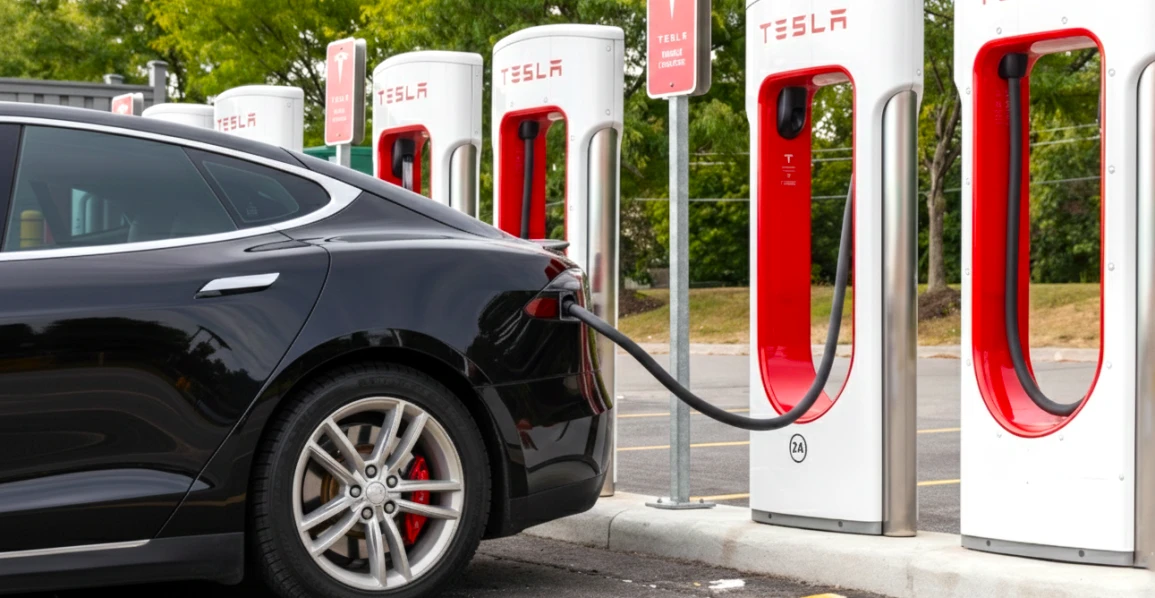
Owning an electric car changes the привычный approach to refueling. In this article, we will take a detailed look at how charging stations work, the step-by-step process of charging an electric car, the factors that affect electric car charge cost, and the expenses related to installing a home charger.
Electric Vehicle Charging Basics
The process of charging an electric car involves transferring electrical energy to replenish the high-voltage traction battery. Electrochemical reactions inside the battery store energy for later use by the electric motor.
There are two main types of charging, depending on the type of current:
- AC (alternating current). This is the most common option for home and overnight charging. The car receives AC power from a household outlet or a wall-mounted station (Wallbox). The built-in onboard charger converts AC into DC, which the battery can store. Charging power is usually limited by the capacity of the onboard charger.
- DC (direct current). This method is used by fast and ultra-fast public charging stations. The current is converted to DC inside the charging unit itself and delivered directly to the battery, bypassing the vehicle’s onboard charger. This allows much higher charging power.
Charging time depends directly on the power of the charger and the maximum power the vehicle can accept. Higher power significantly reduces waiting time.
How to Charge Electric Car
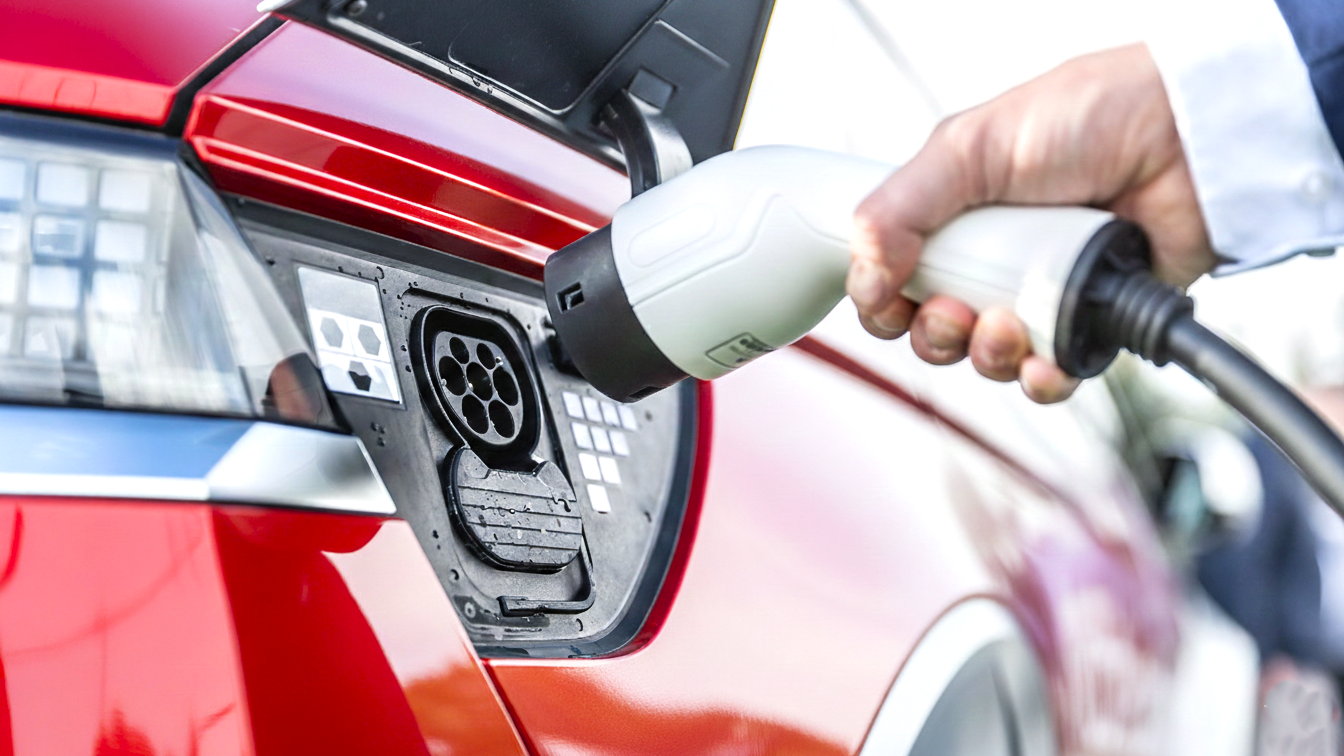
The charging process is intuitive and consists of a few simple steps.
- Connecting the cable. When using a public station, charging often starts with authorization via an RFID card or mobile app. After that, take the appropriate cable (for AC charging) or use the built-in cable (for DC charging). Plug the connector into the car’s charging port and make sure it is securely locked.
- Checking charging status. After connection, indicator lights usually appear on both the car’s dashboard and the charging station display. They confirm that energy transfer has started. You can monitor battery level and remaining time through the car manufacturer’s app or the station interface.
- Ending the session. When the battery reaches your set limit (commonly 80–90% for daily use), charging stops automatically. To disconnect, first end the session via the app or station screen, then unplug the cable and return it to its holder.
Tips to extend battery life:
- Try to keep the charge between 20% and 80% for everyday driving.
- Avoid frequent DC fast charging to 100%.
- For long periods of inactivity (over a month), leave the battery at around 50–60%.
Electric Car Charge Cost
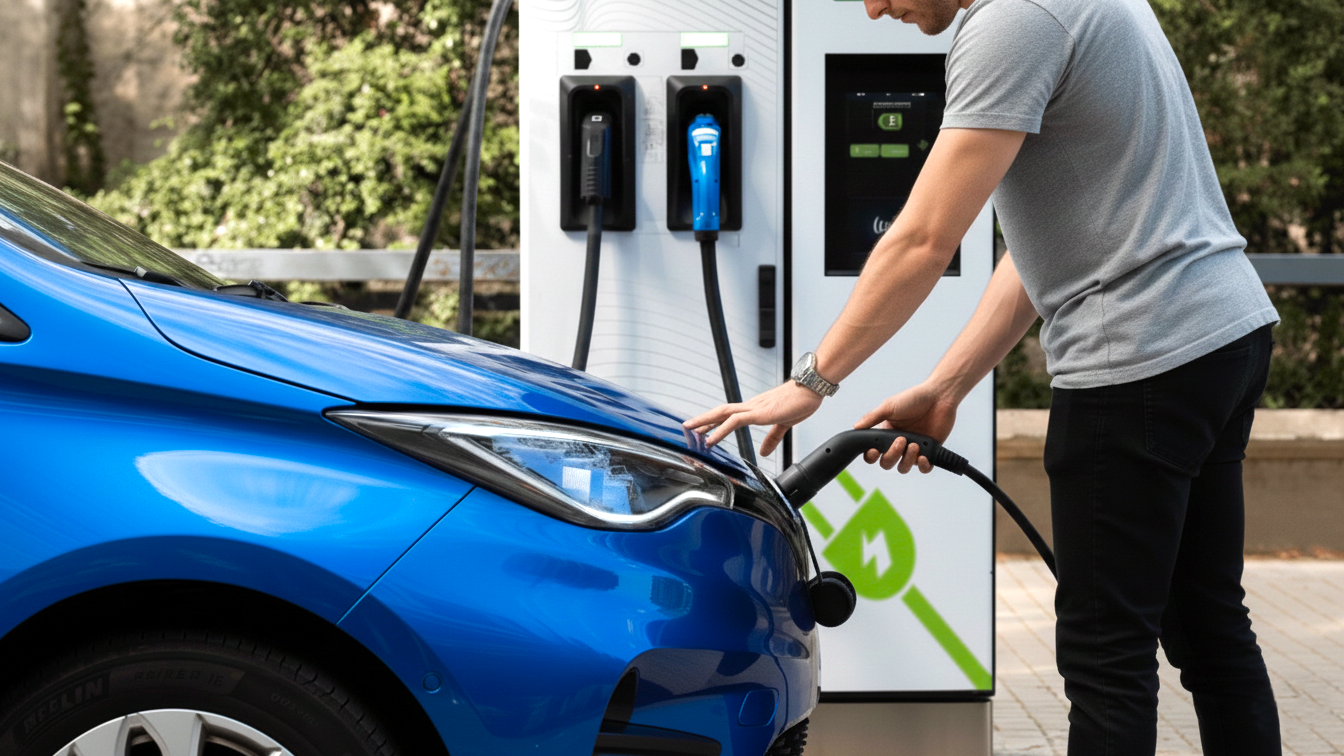
Electric car charge cost varies significantly and depends on three main factors:
- Location. Charging at home is the cheapest option, especially when using off-peak or night electricity rates. Public AC stations are more expensive than home charging, while fast DC stations are the most costly but save time.
- Pricing model. Payment may be charged per minute, per kilowatt-hour (kWh), or as a fixed fee per charging session.
- Power level. In most cases, the higher the charging speed, the higher the price per kilowatt-hour at commercial stations.
EV charger installation cost at home is also not fixed. The final price depends on the complexity of electrical work: the distance from the electrical panel to the Wallbox location, the need for new wiring, and possible upgrades to the home electrical system. The overall cost range is wide, so hiring a qualified electrician for a personalized estimate is essential. It is important to note that installing a home charger is a one-time investment that quickly pays off thanks to low charging costs per kilowatt-hour and maximum convenience.
As a result, efficient electric vehicle charging is based on understanding AC and DC technologies, following a simple charging process, and choosing the most cost-effective locations and methods. With the right approach, owning an electric car becomes simple, affordable, and comfortable, while EV charger installation cost turns into a practical long-term investment.
Types of charging stations for electric vehicles
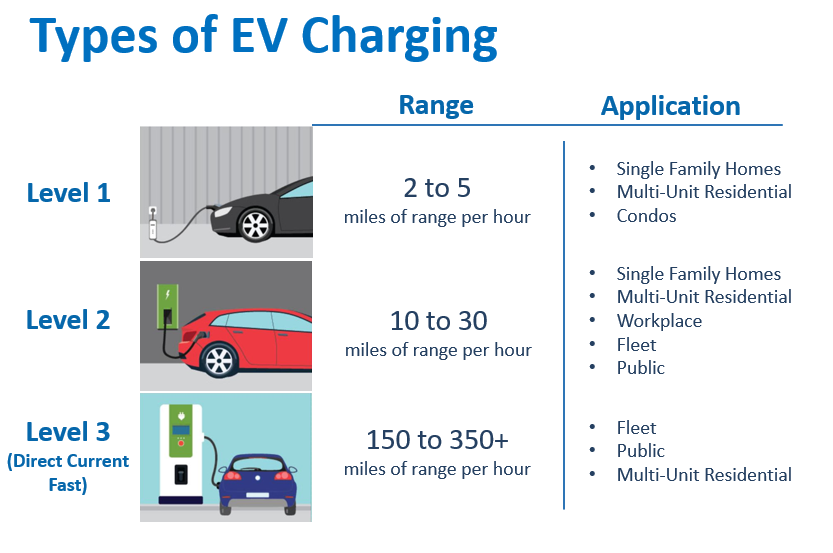
All charging stations are divided into three main levels based on power, current type, and typical usage.
- Level 1. Household outlet. This is the slowest charging method. A standard cable, usually included with the vehicle, plugs into a regular 220V household socket. Power is limited to about 1.4–2.3 kW. One hour of electric vehicle charging adds roughly 6 to 15 km of driving range. This option works for overnight top-ups with low daily mileage or as an emergency solution.
- Level 2. Wall-mounted station (Wallbox). The most common choice for homes and public locations. The unit is permanently installed and connected to a 220V or 380V power supply. Power ranges from 3.7 to 22 kW, providing charging speeds 5–10 times faster than a standard outlet. Installation usually requires a dedicated circuit breaker and professional electrical work.
- Level 3. DC fast charging station. These are high-power commercial chargers located along highways and major routes. Output starts around 50 kW and can reach up to 350 kW. They can charge a battery from 10% to 80% in approximately 15 to 40 minutes, depending on the vehicle and station capacity.
EV Charger Installation Cost
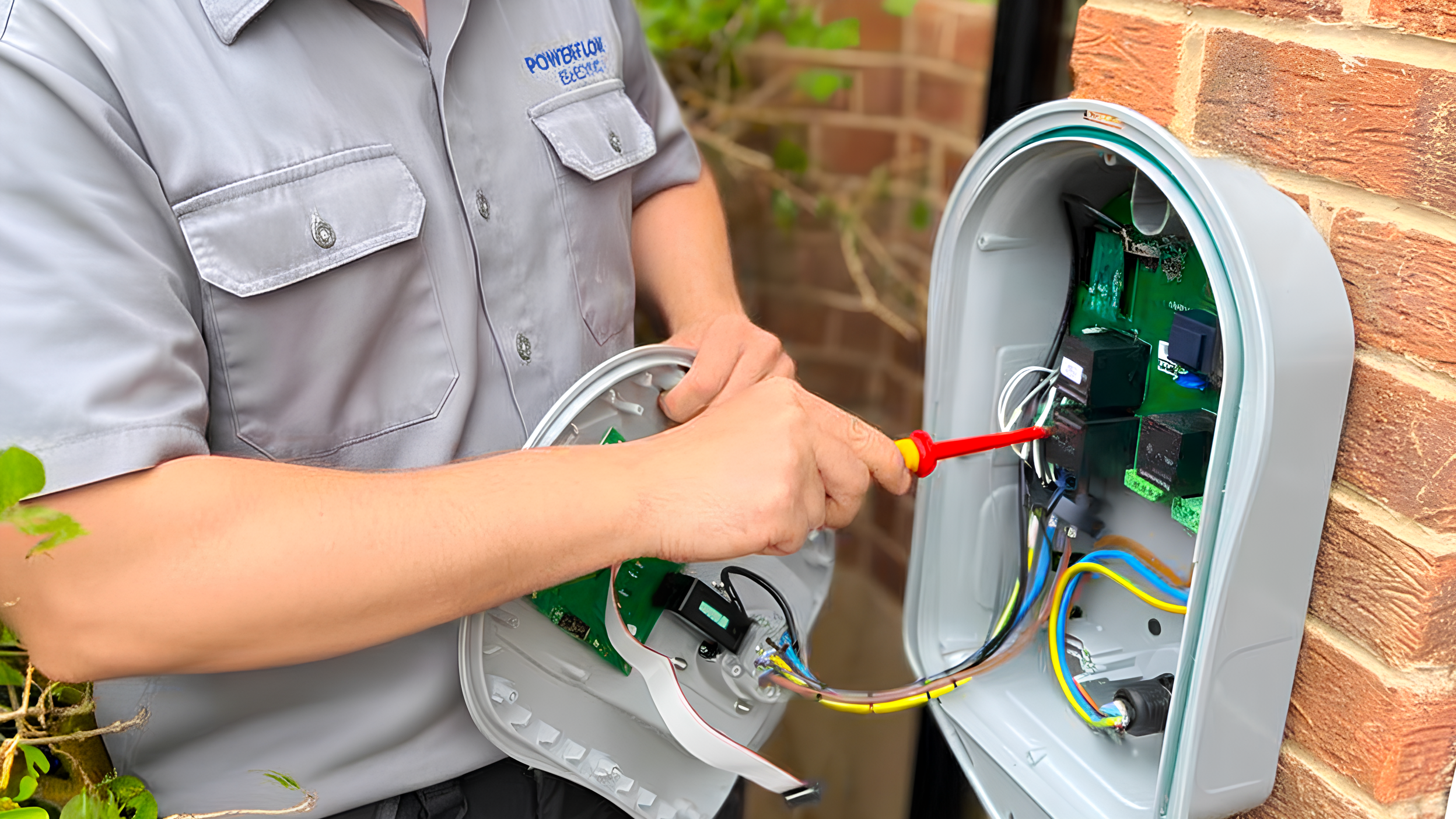
Electric car charge cost is not fixed and depends on where and how you charge.
- Home charging. The most affordable option. The cost per kilowatt-hour equals your household electricity rate. With off-peak tariffs, the price can be 2–4 times lower than daytime rates. For example, at 5 rubles per kWh, fully charging a 60 kWh battery would cost about 300 rubles.
- Public AC charging stations. More expensive than home charging but cheaper than fast DC chargers. Payment may be per minute or per kWh. Prices are usually 1.5–3 times higher than residential electricity rates. Many shopping malls and business centers offer this type of charging for free to customers.
- DC fast charging stations. The most expensive but fastest option. The price per kWh is highest due to complex equipment and maintenance costs. Some operators use combined pricing: a session connection fee plus a charge per kWh consumed. Final charging costs are influenced by region, charging network operator, time of day, and the selected tariff plan in the provider’s mobile app.
The cost of installing a home EV charger in a private house or on a dedicated parking space is made up of several components:
- Wallbox type. The price of the unit itself varies depending on the brand, power (for example, 7.4 kW or 11 kW), and extra features (Wi-Fi, app control). This is the base cost item.
- Electrical system condition. This is the key factor. If your electrical panel has enough spare capacity and is located close to the installation point, the installation costs are minimal. If you need to replace the main supply cable, increase the permitted power, or add a new circuit breaker, installation costs rise.
- Additional work. This may include routing a cable conduit from the panel to the charger location, mounting the station on a wall or a stand, and excavation work if the cable must be run underground from the house to a garage.
- Permits and certification. For installing a higher-power station (typically 11 kW and above) in an apartment building, approval from the building management company may be required. It is important that all electrical work is done by a certified specialist who can provide the relevant documentation. This ensures safety and helps preserve the equipment warranty.
Charging at home vs charging at a public station
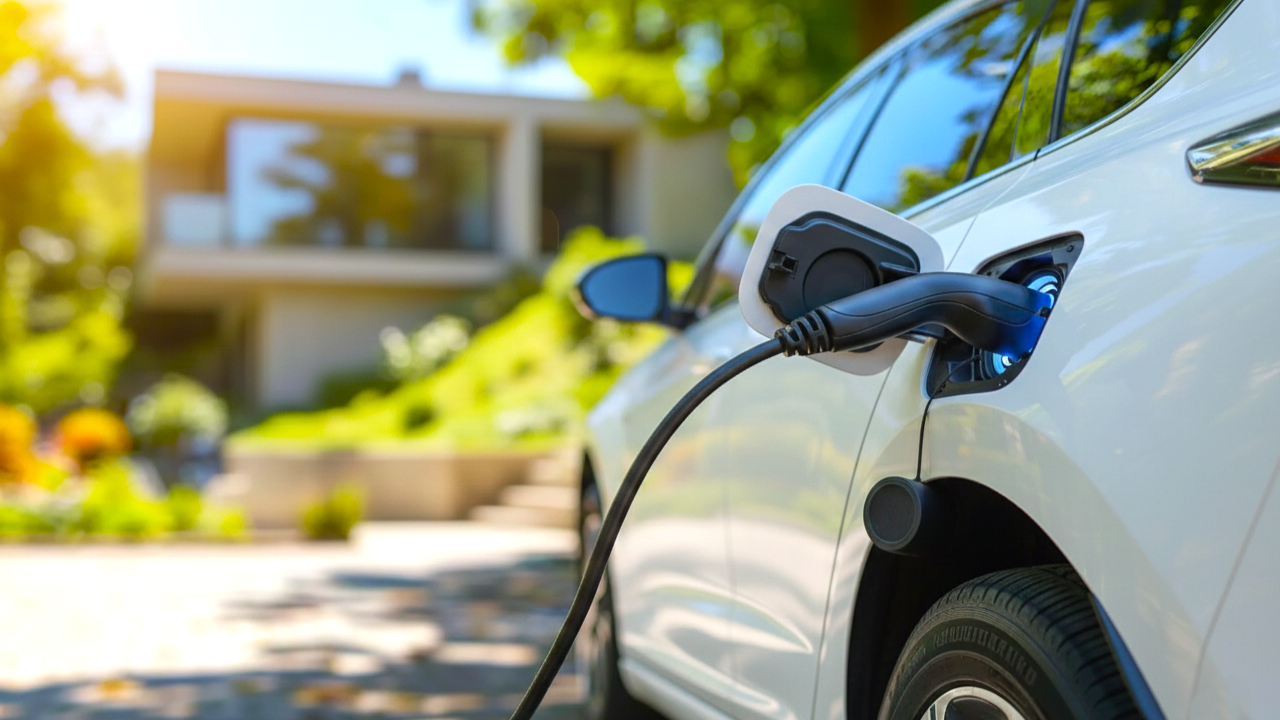
The choice between home and public charging depends on your lifestyle and driving needs.
Criteria | Home charging | Public charging station |
Convenience | Maximum convenience. The car charges where it stays overnight. No waiting. | Requires a trip to the station and waiting time (especially with AC). |
Cost | Lowest cost, based on your residential electricity rate. | 2–4 times higher, especially at fast DC stations. |
Speed | Medium (about 4–10 hours). Ideal for overnight charging. | Varies: AC is similar to home, DC is very fast (15–40 min). |
Use case | Daily, primary charging method. | Top-ups during the day, long trips, travel. |
Upfront investment | Required: Wallbox purchase + EV charger installation cost. | Not required. |
For most owners, the best strategy is to rely on home charging for everyday needs–saving both money and time–and use fast public stations mainly for long-distance trips. Understanding the full picture–from choosing the right charger type to estimating electric car charge cost and EV charger installation cost–makes EV ownership predictable and comfortable.
Common electric car charging mistakes
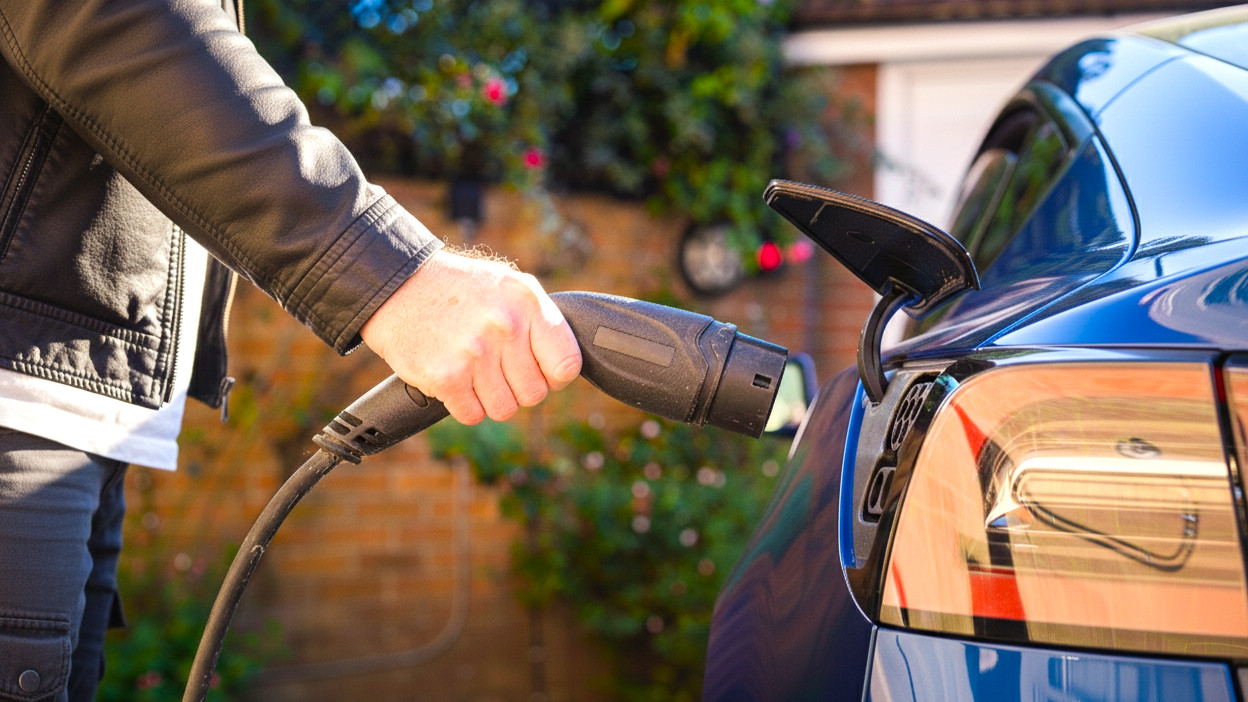
Some habits can make charging less convenient or reduce battery longevity. Here are the main mistakes to avoid:
- Charging to 100% all the time. Regularly charging to full puts extra stress on the battery. For daily driving, it’s better to set a limit of 80–90%.
- Using DC fast charging too often. It’s convenient for travel, but frequent high-power charging can accelerate battery degradation. Use it when needed.
- Storing the car with a fully empty or fully charged battery. This can harm battery chemistry. For long periods of inactivity, an ideal level is around 50–60%.
- Ignoring cable condition. Using damaged, uncertified, or power-incompatible cables is unsafe and can cause failures.
- Starting fast charging when the battery is already nearly full. Charging speed drops sharply after 80%, while the price per minute or per kWh stays high. It’s usually more efficient to stop and continue your trip.
Tips for efficient electric vehicle charging
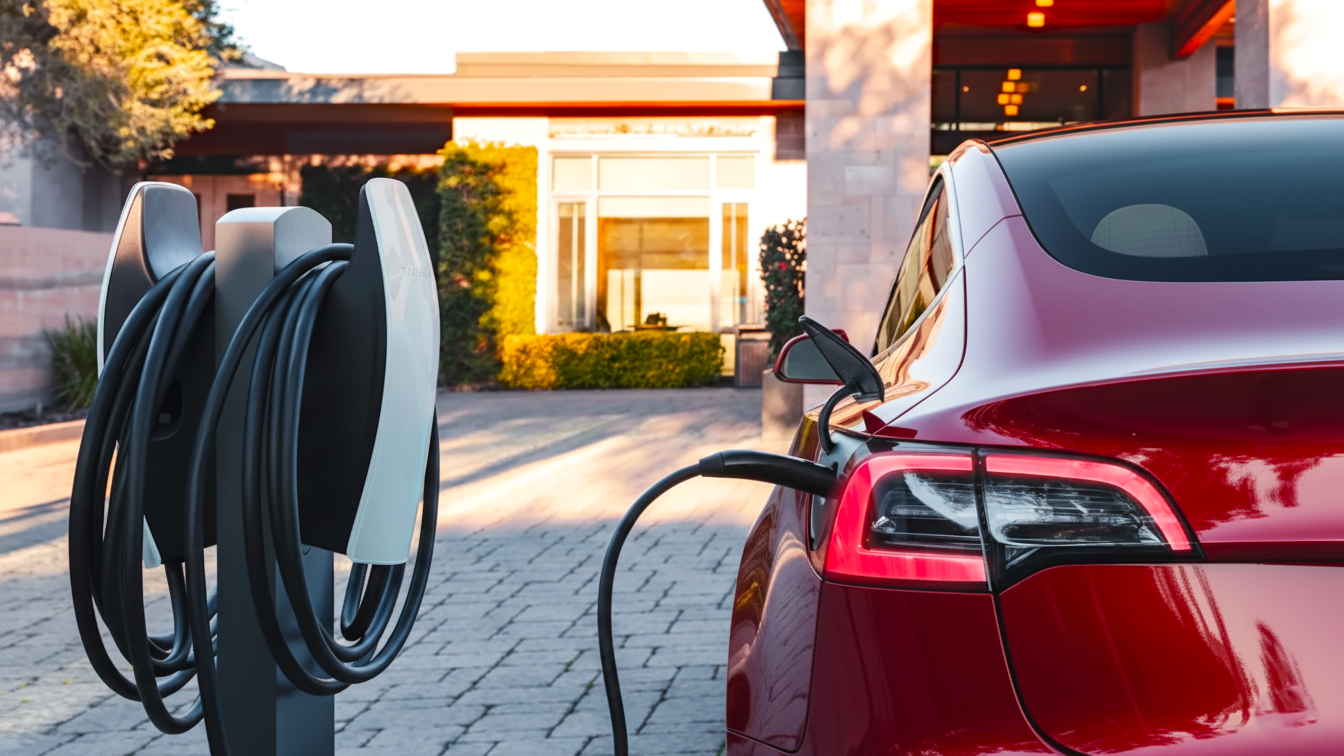
Following a few simple recommendations will make electric vehicle charging more convenient and cost-effective.
- Plan overnight home charging. This is the cheapest and most convenient option. Your car will be ready by morning, and you can benefit from lower off-peak electricity rates.
- Use scheduled (delayed) charging. In the vehicle app or Wallbox settings, you can set a start time for charging. This helps you automatically use night tariffs even if you plug in the cable in the evening.
- Charge along your route. On long trips, plan stops at fast DC chargers near cafés or stores. Charging from 10–20% up to 80% is usually the fastest part of the session.
- In winter, charge right after driving. The battery is already warm, so it can accept energy faster. Preheating the cabin while plugged in also helps save battery range.
- Compare operator pricing. Install apps for the main charging networks in your region. Subscription plans can be cheaper if you use public stations regularly.
Conclusion
Understanding how to charge an electric car is the foundation of comfortable daily use. A smart approach includes choosing the right charging type for each situation, making a realistic estimate of electric car charge cost, and assessing EV charger installation cost as a long-term investment. Home charging delivers everyday savings and convenience, while public infrastructure makes longer routes practical.
Ultimately, the key to efficient EV ownership is thoughtful planning. Once you understand the charging process and learn to manage energy expenses, you can fully appreciate the benefits of modern technology: simplicity, lower running costs, and quiet driving.

