



The Hidden Side of EVs: Why Electric Cars Still Struggle
In recent years, electric vehicles (EVs) have evolved from a futuristic curiosity into a global automotive trend. Every major car manufacturer now has an electric lineup, and governments across the world are setting deadlines to phase out internal combustion engines. Drivers are drawn to EVs for their quiet performance, minimal maintenance, and zero tailpipe emissions. Yet, behind the clean image of progress lies a set of significant challenges – the disadvantages of electric cars that still limit their mass adoption.
This article examines the main problems with electric cars, explaining not only the technological and economic barriers but also the subtle environmental and infrastructural issues that define the road ahead.
Why Electric Cars Are Becoming So Popular
Electric vehicles symbolize innovation, sustainability, and a move away from fossil fuels. Rising fuel prices and tightening emission standards make EVs attractive to both consumers and policymakers. According to the International Energy Agency, global EV sales exceeded 14 million units in 2024 – a growth rate unmatched by any other vehicle segment.
The Key Advantages
- Eco-friendliness: no exhaust gases, reduced urban air pollution.
- Fuel savings: electricity remains cheaper per kilometer than gasoline.
- Low maintenance: no oil changes, fewer moving parts, and regenerative braking systems extend component life.
However, as Tony Seba, a clean energy expert, notes, “Every industrial revolution creates its own bottlenecks.” For EVs, those bottlenecks revolve around energy storage, cost, and infrastructure. So, what are the negatives of electric cars that still stand in the way?
1. Limited Range and Charging Time

Despite remarkable progress in battery technology, range anxiety remains one of the biggest electric car problems. The average modern EV covers 350–450 kilometers per charge, yet this range can vary drastically depending on speed, terrain, and temperature.
Weather and Driving Habits
Cold weather can cut range by up to 40%, as batteries struggle to maintain optimal temperature. Aggressive acceleration, high-speed driving, and frequent use of climate control systems further reduce efficiency.
Charging Infrastructure
While cities in Europe and North America are investing heavily in public charging networks, rural areas remain underserved. For example, in parts of the UK, one fast charger may serve several hundred vehicles – leading to queues and frustration. Even when chargers are available, compatibility issues between networks and payment systems can make long trips inconvenient.
Charging Time
At home, charging via a standard socket can take 8–20 hours depending on the battery size. Fast chargers can replenish 80% in around 30 minutes, but frequent use of high-voltage charging accelerates battery degradation. As engineer Sandy Munro points out, “Fast charging is like junk food – convenient, but unhealthy for the battery in the long run.”
2. High Purchase Price
Another significant barrier is the initial cost. On average, an electric car is 20–30% more expensive than its petrol counterpart. The main reason lies in the battery pack, which alone can cost $8,000–$15,000 depending on capacity and chemistry.
Battery Replacement
Although most EV batteries last 8–10 years, replacement is a major expense, often comparable to the residual value of the car. This contributes to higher depreciation and insurance premiums.
Market Disparity
Used EVs remain relatively rare, while new ones are priced beyond the reach of many consumers. Incentives such as tax credits and government subsidies help – for example, the EU offers up to €6,000 for new EV purchases – but as those programs phase out, affordability will again become a challenge.
Expert Perspective
According to automotive analyst Michael Dunne, “EV economics still depend on scale and subsidies. Once those are gone, cost parity will depend entirely on breakthroughs in battery manufacturing.” Until then, price remains one of the main problems with electric cars that deter mass adoption.
3. Battery Degradation and Lifespan
Batteries are the heart – and the Achilles’ heel – of electric vehicles. Over time, their capacity decreases due to chemical aging and repeated charge cycles. After 100,000–150,000 km, most lithium-ion batteries lose 15–25% of their original capacity.
Factors Affecting Battery Health
- Depth of discharge: regularly depleting the battery to 0% accelerates wear.
- High temperatures: heat speeds up chemical breakdown inside the cells.
- Frequent fast charging: rapid DC charging increases internal resistance.
Climate Challenges
In hot climates like the Middle East or southern U.S., batteries degrade faster due to persistent heat exposure. Conversely, in extremely cold environments, energy output drops and charging becomes slower. Manufacturers like Tesla and Nissan have introduced liquid-cooling systems to stabilize battery temperatures, but these add cost and complexity.
Replacement and Recycling
When capacity drops too low, replacement becomes inevitable – and expensive. Recycling old batteries is still limited, with less than 10% being effectively reused. Environmental expert Laura Diaz warns, “Without efficient recycling, the negatives of electric cars might outweigh some of their green benefits.”
4. Limited Model Choice and Service Availability
Although the EV market is expanding rapidly, it still offers far fewer models than the traditional petrol or diesel segment. As of 2025, global automakers list roughly 350 EV models, while the internal combustion market counts over 2,000. For buyers seeking specific configurations – vans, budget hatchbacks, or rugged off-road vehicles – options remain scarce.
Limited Service Network
One of the major problems with electric cars is the lack of specialized repair and maintenance facilities. Traditional mechanics often lack certification to handle high-voltage systems safely. This creates dependency on official service centers, which are fewer in number and often more expensive.
Software and Electronics
EVs rely heavily on integrated software systems. Updates, bugs, or sensor failures can immobilize a vehicle until serviced. Some brands restrict diagnostic tools to authorized dealers, frustrating owners who prefer independent workshops. As Munro notes, “The mechanical parts are simple; it’s the software that breaks first – and costs the most.”
Tips for Consumers
Experts recommend choosing brands with a strong service network and proven reliability record. Tesla, BYD, and Hyundai currently lead in diagnostic accessibility and after-sales support, while smaller startups struggle to maintain quality control and spare part logistics.
5. Temperature-Related Issues
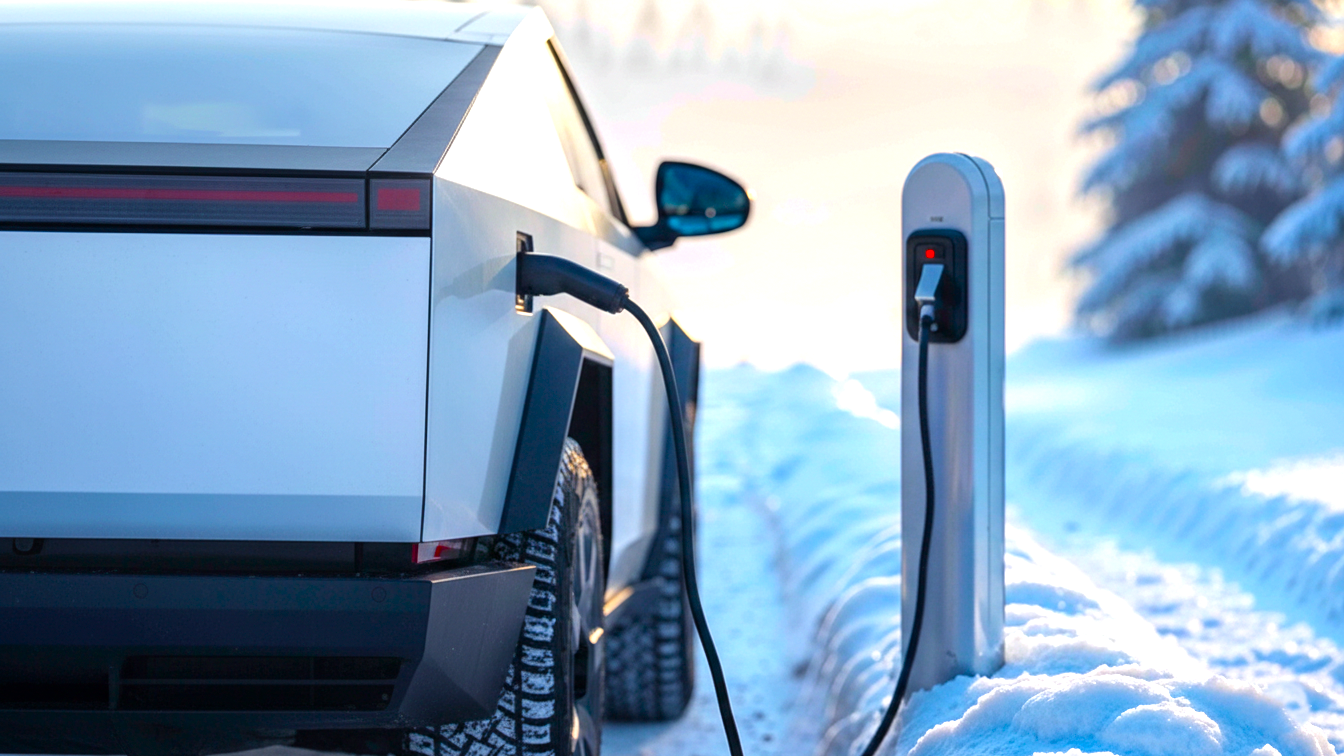
Temperature is the silent adversary of EV performance. Both extreme cold and heat can dramatically affect driving range, charging efficiency, and overall comfort.
Cold Weather
In winter, battery chemistry slows down, reducing available power and regenerative braking efficiency. Pre-heating systems and insulated battery packs help, but energy consumption from cabin heating can still cut range by 30–40%. Scandinavian drivers often rely on heated seats and steering wheels instead of full cabin heating to conserve charge.
Hot Climates
High ambient temperatures lead to battery overheating, which not only shortens lifespan but also forces the vehicle’s thermal management system to consume additional energy. In desert regions, energy losses can reach 20% simply from cooling requirements.
Modern Thermal Solutions
Manufacturers are investing in advanced cooling and heating systems – such as heat pumps and liquid-cooled battery modules – to stabilize temperature extremes. While these systems improve reliability, they add weight and cost, reinforcing some of the core disadvantages of electric cars today.
6. Environmental and Recycling Concerns
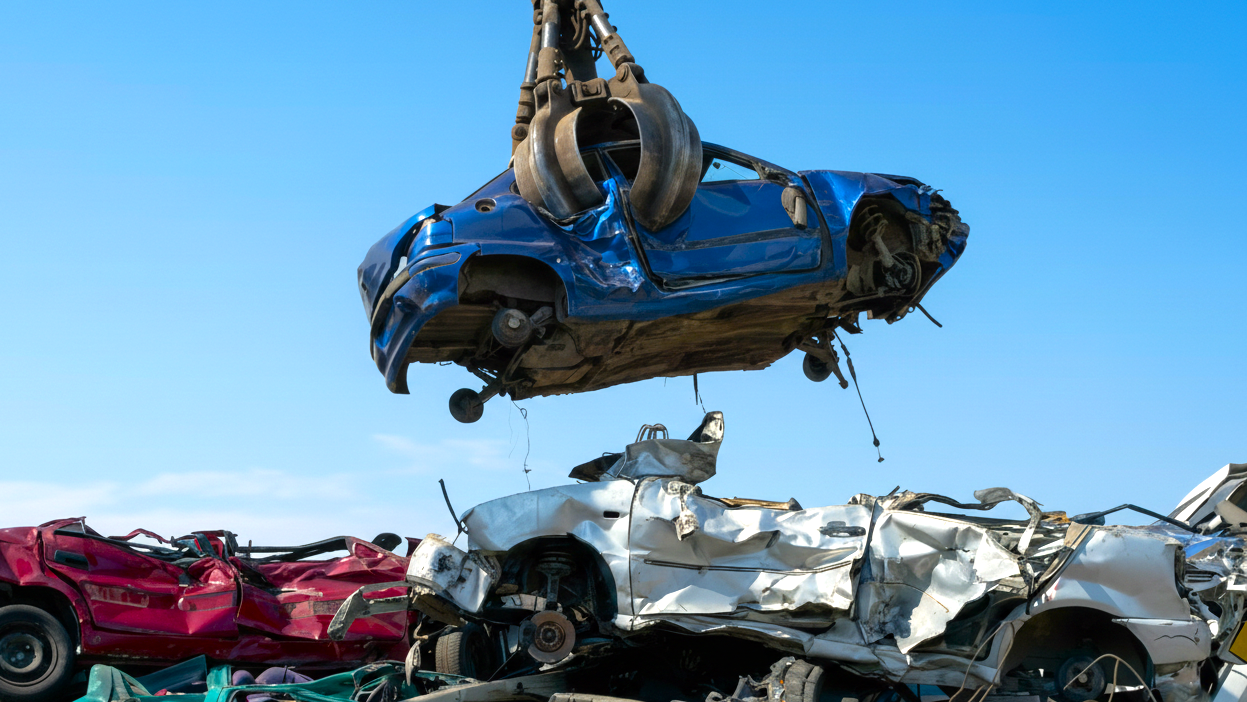
Electric cars are often presented as “zero-emission,” but the reality is more complex. Although they emit nothing while driving, their production and disposal create significant environmental impact.
Manufacturing Footprint
Producing a single EV battery can generate up to 60–80% more CO₂ emissions than manufacturing a conventional engine. Most of this footprint comes from mining and refining lithium, cobalt, and nickel. Extraction often involves water-intensive processes and raises ethical concerns over labor conditions in countries like the Democratic Republic of Congo.
Recycling and Waste Management
Battery recycling is technically challenging and not yet economically viable on a large scale. Many end-of-life batteries are stored in warehouses rather than repurposed. However, new startups in Europe and Asia are developing hydrometallurgical recycling methods that recover up to 95% of raw materials, potentially transforming this aspect in the near future.
The Broader Ecological Debate
Critics argue that if the electricity used for charging comes from coal or gas power plants, the overall emissions benefit diminishes. As energy expert Tony Seba explains, “The real environmental gain comes only when EVs are paired with renewable energy grids.” This highlights how electric car problems go beyond engineering – they depend on global energy policy and infrastructure modernization.
Conclusion
Electric vehicles stand at the intersection of progress and paradox. They represent the future of sustainable mobility – yet still face a set of pressing negatives of electric cars that hinder universal adoption. Limited range, high cost, battery degradation, and environmental trade-offs remain critical concerns. Nevertheless, optimism is justified. Advances in solid-state batteries, scalable recycling, and renewable-powered charging networks are already reshaping the landscape. Governments and manufacturers are investing billions into solving these issues.
As Sandy Munro often says, “We’re witnessing the awkward teenage years of electric mobility – not perfect, but growing fast.” In the next decade, as technology matures and costs fall, many of today’s disadvantages of electric cars will fade into history. The transition will not be simple, but it will be inevitable. Electric vehicles may still have problems – but they are the kind of problems that drive innovation forward.

