



The Most Iconic Car Brands That No Longer Exist and Why They Disappeared
Once, their emblems adorned the radiator grilles of cars speeding down roads across the globe. Their names were synonymous with speed, luxury, or engineering prowess. Today, those names remain only in museum halls, on the pages of history, and in the hearts of collectors. Unfortunately, the automotive world is an arena of fierce competition, where survival is not always about being the strongest, but about the ability to adapt.
Brands leave the market for various reasons: economic crises, strategic miscalculations, technological revolutions, or acquisitions by industry giants. Their stories are cautionary tales of soaring successes and devastating falls, of brilliant ideas and fatal mistakes.
Let's remember the most iconic defunct car brands that forever changed the auto industry. And let's also take a detailed look at why their journey came to an end.
Why Car Brands Disappear
The disappearance of a car brand from the market is almost never a sudden catastrophe. It’s usually a slow process where several problems converge at once. Automakers rarely “collapse” because of a single failure — more often, it’s a combination of economic turbulence, strategic miscalculations, and technological shifts that the company fails to keep up with.
Here are the key reasons why even legendary brands sometimes vanish from the road:
1. Economic crises: when the market suddenly hits the brakes
Global economic downturns always strike the automotive industry first. The oil crisis of the 1970s, the global financial crisis of 2008 — each of these events instantly reduced demand for new cars. Consumers started saving money, choosing more affordable models or postponing car purchases altogether.
Brands focused on narrow niches, producing expensive models or operating with inefficient cost structures, suffered the most. Such companies lose momentum faster than others and sometimes never recover. This is why, at different points in history, the market had to say goodbye to brands like Pontiac or Saab, which couldn’t withstand economic pressure.
2. Strategic mistakes: when a company digs its own grave
Sometimes a manufacturer falls into crisis not because of external factors, but due to its own poor decisions. These mistakes may include:
- incorrect market positioning;
- overestimating demand;
- releasing unsuccessful or outdated models;
- ignoring emerging trends.
History offers many examples where management insisted on promoting models that were already obsolete during development. Or when manufacturers misjudged buyers’ interest in a particular design or engine format. Such mistakes accumulate over years and eventually become fatal.
3. Technological shifts: only those who adapt survive
The automotive industry is one of the most rapidly evolving sectors. Technological revolutions happen regularly:
- the shift from rear-wheel to front-wheel drive;
- the introduction of mandatory safety systems;
- increasing digitalization of vehicle controls;
- and the biggest challenge of the last decade;
- electrification.
Companies that fail to adapt quickly lose relevance. Brands that hesitated to invest in electronics or electric platforms found themselves pushed out of the modern market. The pace of technological competition is so intense that a strategic mistake can cost a brand its life.
4. Mergers and acquisitions: when big players decide a brand’s fate
Large automotive groups are another major factor behind the disappearance of brands. Corporations like Stellantis, Volkswagen Group, or General Motors frequently acquire competitors for their technologies, production facilities, or market share.
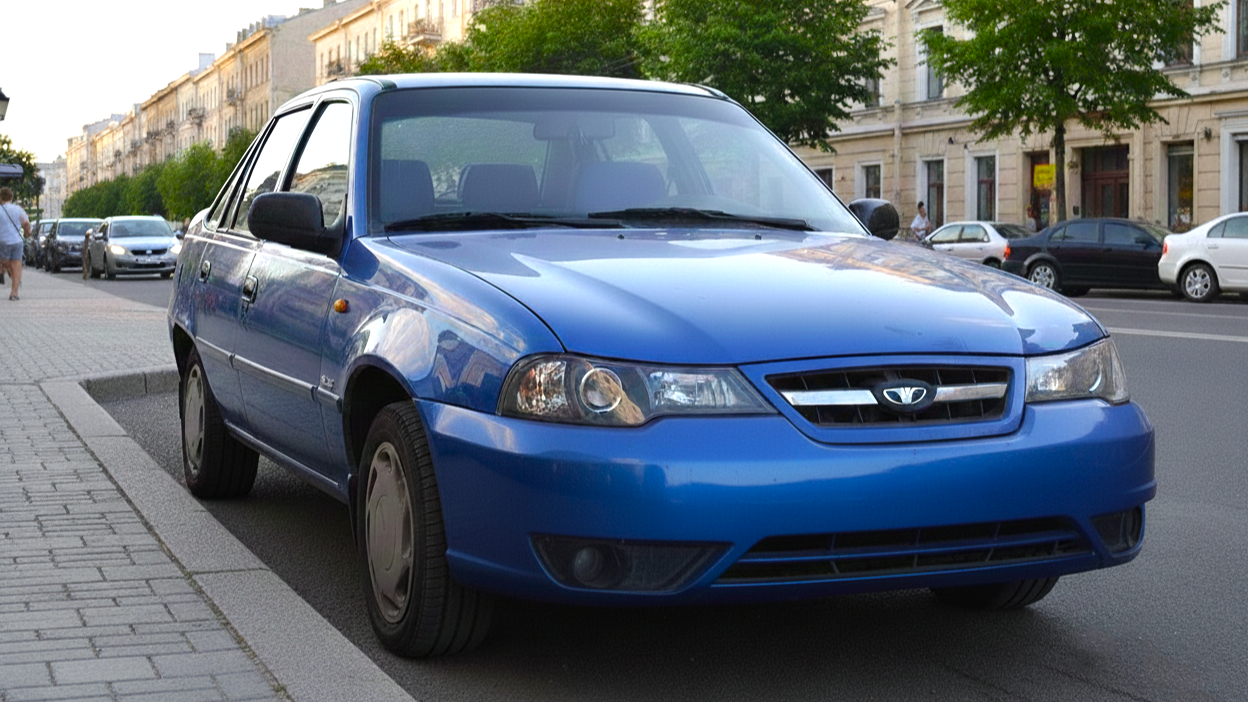
And then the “optimization” begins: overlapping brands are discontinued, model lineups are reduced, unprofitable divisions are shut down. This is why brands like Plymouth, Mercury, Daewoo, Oldsmobile, and many others have vanished — not because they were bad, but because they no longer fit into the new corporate structure.
The Most Famous Car Brands That No Longer Exist
The history of the auto industry is filled with vibrant names that are now a thing of the past. Their cars were symbols of their eras and still evoke a sense of nostalgia today.
Pontiac (1926–2010)
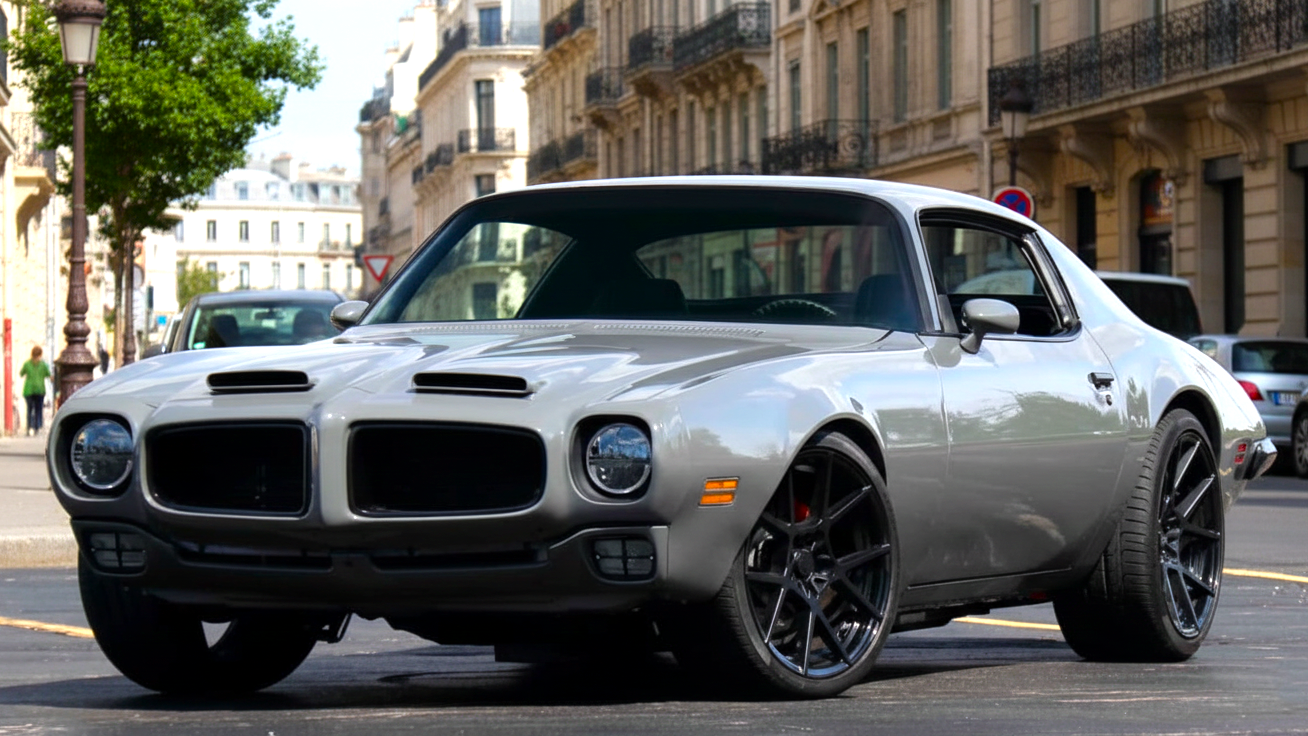
An American legend and the performance division of General Motors. Pontiac gave the world icons like the GTO, considered the first muscle car, and the charismatic Firebird, made famous by the film "Smokey and the Bandit." The brand was always associated with power and affordable sporty style. However, by the 2000s, it had lost its uniqueness, becoming a producer of rebadged Chevrolet models. The 2008 financial crisis gave GM the reason it needed to restructure and shut down the unprofitable Pontiac.
Saab (1945–2012)
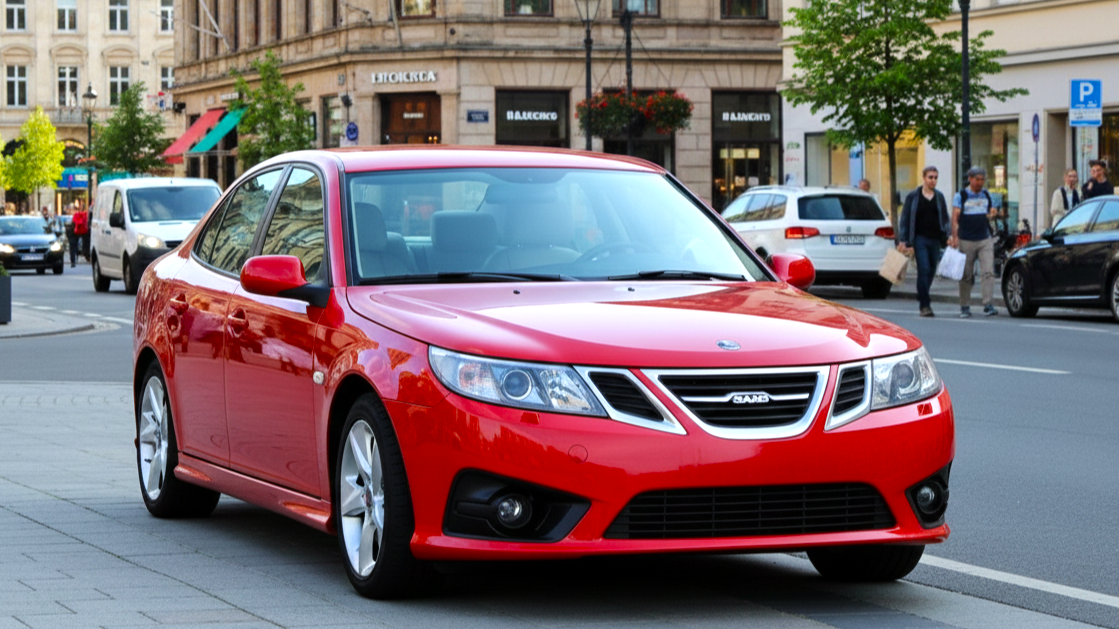
A Swedish company born from an aircraft manufacturer. Saab always forged its own path, offering the world unique engineering solutions: turbocharging in mass-market cars, ultra-safe bodies, and unconventional design. The ignition key located on the center console is a signature feature known to every fan of the brand. Unfortunately, under the wing of General Motors, Saab lost some of its identity and financial independence. After being sold and a series of failed revival attempts, the company ultimately went bankrupt. Among the car brands that no longer exist, Saab arguably evokes the strongest nostalgia among engineers and admirers of non-conformist solutions.
Hummer (1992–2010)
.png?_t=1764750726)
A symbol of American gigantism and brutishness. The civilian version of the military HMMWV (Humvee) became incredibly popular in the 90s. Its massive size, phenomenal off-road capability, and intimidating appearance made the Hummer H1, and later the more "civilized" H2 and H3, iconic. However, as fuel prices soared and environmental regulations tightened, demand for these gas-guzzling SUVs plummeted. In 2010, GM discontinued the brand.
Oldsmobile (1897–2004)
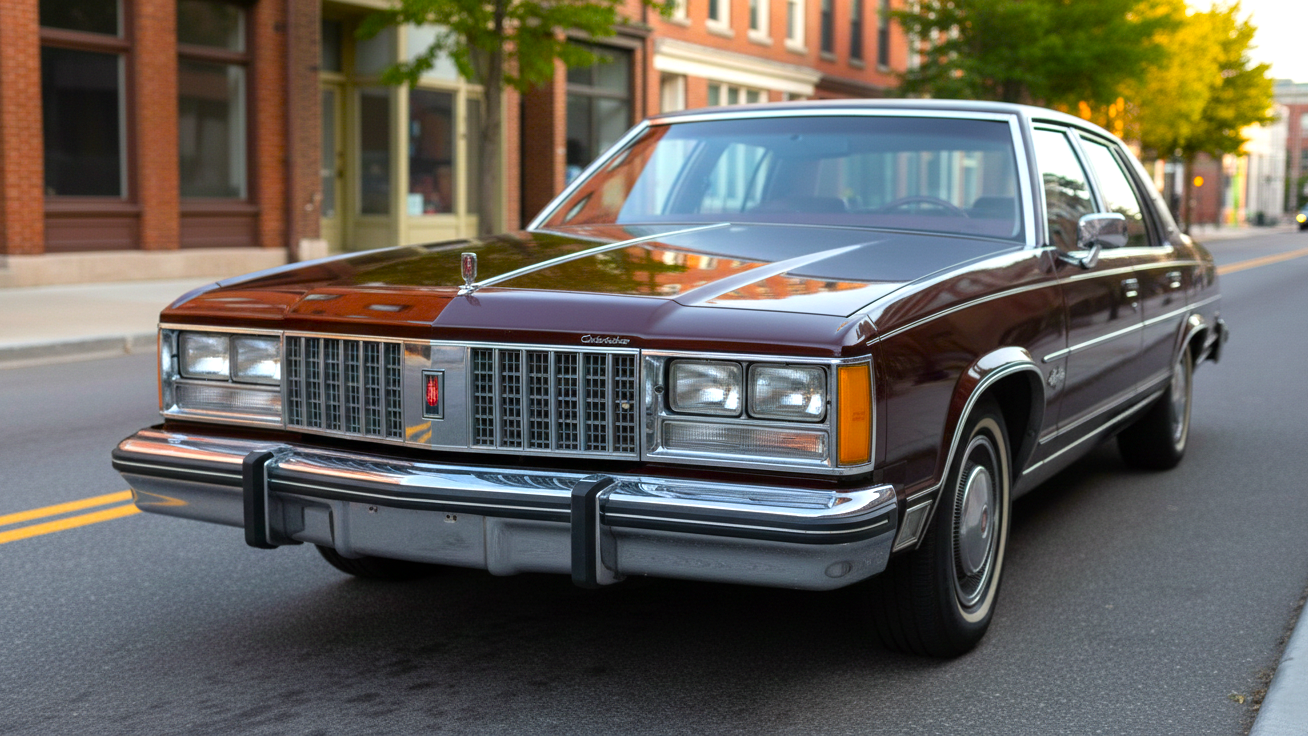
One of America's oldest and once most innovative brands. Oldsmobile was the first in the world to introduce a fully automatic transmission (the Hydramatic) in 1940. For 107 years, the company was a part of American automotive history. However, in the final decades of its existence, the brand lost its clear positioning within GM, getting squeezed between Chevrolet and Buick. In 2004, the corporation decided to liquidate it.
Rover (1878–2005)
.png?_t=1764750726)
An iconic British manufacturer that started with bicycles. Rover cars were always associated with comfort, quality finishes, and a conservative style. The P5 and P6 models were the choice of the British elite and even members of the royal family. Unfortunately, a series of ownership changes (including a period under BMW) and poor management decisions led to the collapse of the MG Rover Group in 2005, which buried the legendary brand.
Lesser-Known but Vibrant Brands of the Past
Beyond the giants, history is filled with many small but charismatic marques that left their mark.
- Triumph (1885–1984): A British manufacturer known for its elegant and affordable sports cars, like the Spitfire and TR6. They were popular in Europe and the US, but the company could not survive the crisis of the British auto industry in the 70s.
.png?_t=1764750726)
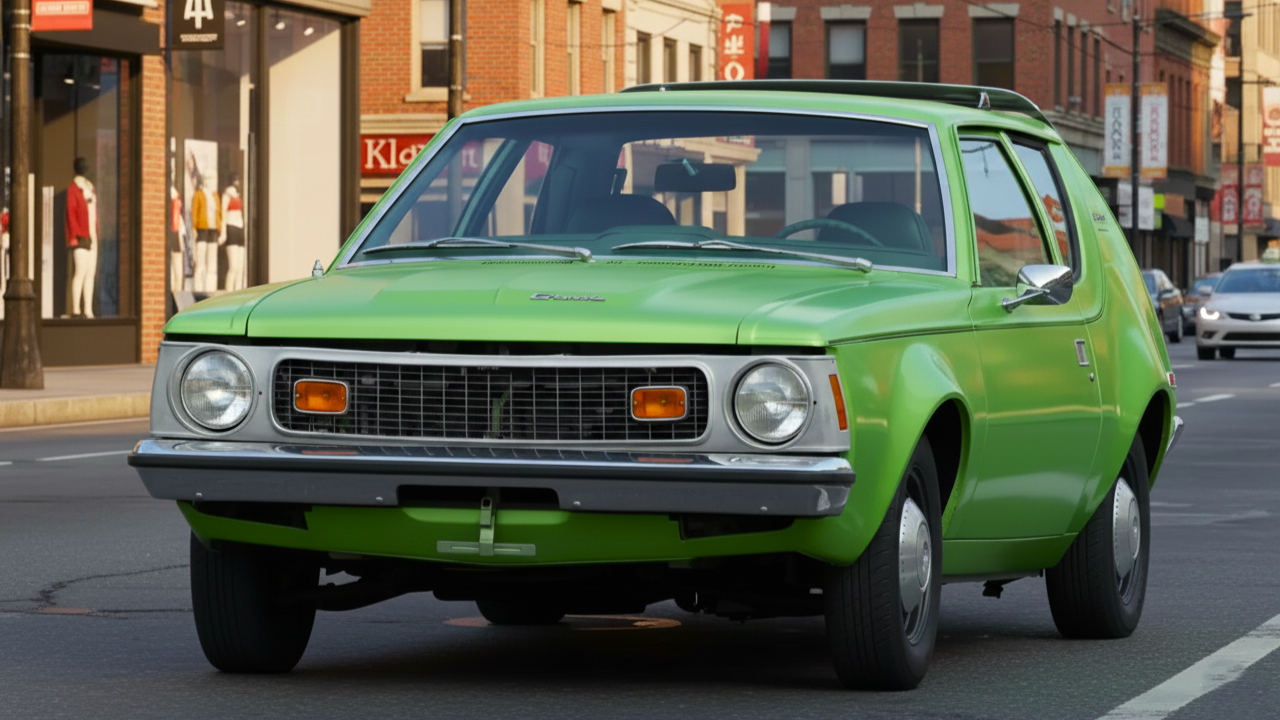
- AMC (American Motors Corporation, 1954–1988): The eternal "fourth" American automaker after the "Big Three." AMC is remembered for bold and unconventional models like the compact Gremlin, the first American crossover Eagle, and the Javelin muscle car. The company was eventually absorbed by Chrysler.
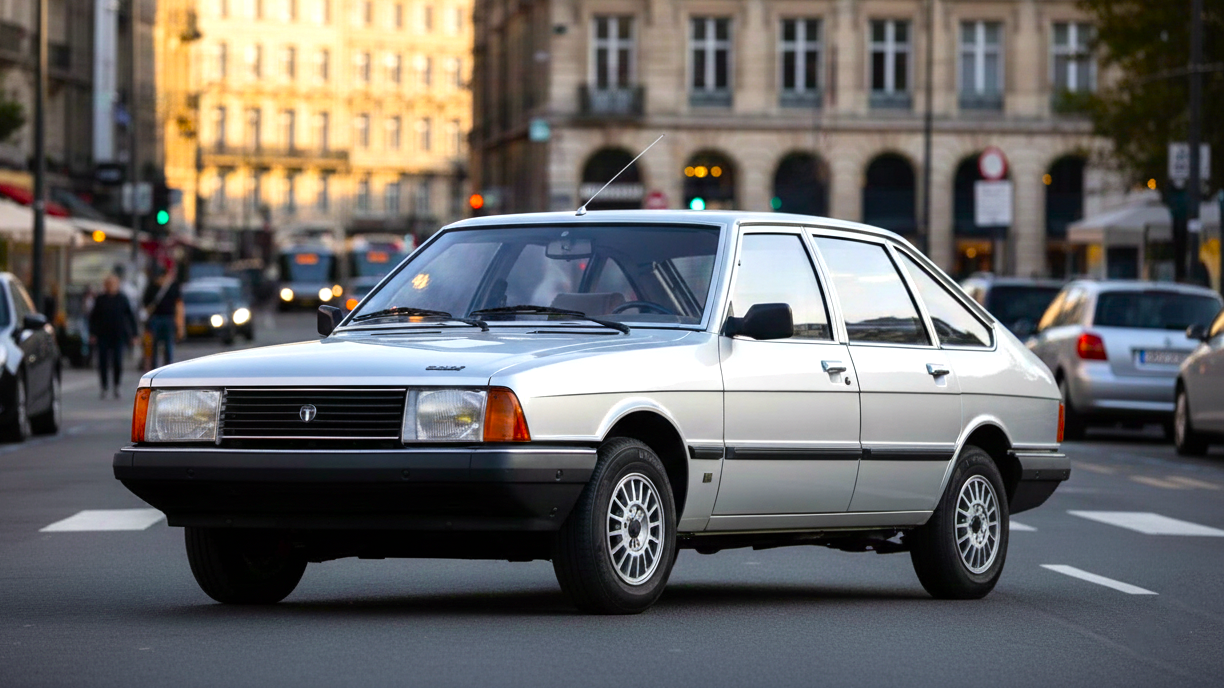
- Talbot (1903–1994): An Anglo-French brand with a complex history and numerous owners. In the late 70s, it produced one of the first "hot hatchbacks"—the Talbot Sunbeam Lotus, which even won the World Rally Championship.
Defunct Brands and Their Legacy Table
Brand | Years Active | Country | Remembered For | Reason for Disappearance |
Pontiac | 1926–2010 | USA | The GTO and Firebird muscle cars | GM's restructuring after the 2008 crisis |
Saab | 1945–2012 | Sweden | Turbocharging, safety, innovation | Financial troubles, poor management |
Hummer | 1992–2010 | USA | Brutish SUVs | Rising fuel prices, changing trends |
Oldsmobile | 1897–2004 | USA | The first automatic transmission, 107 years of history | Loss of identity within GM |
Rover | 1878–2005 | UK | Comfort, premium styling | Bankruptcy of the parent company |
And here are other notable dead car brands:
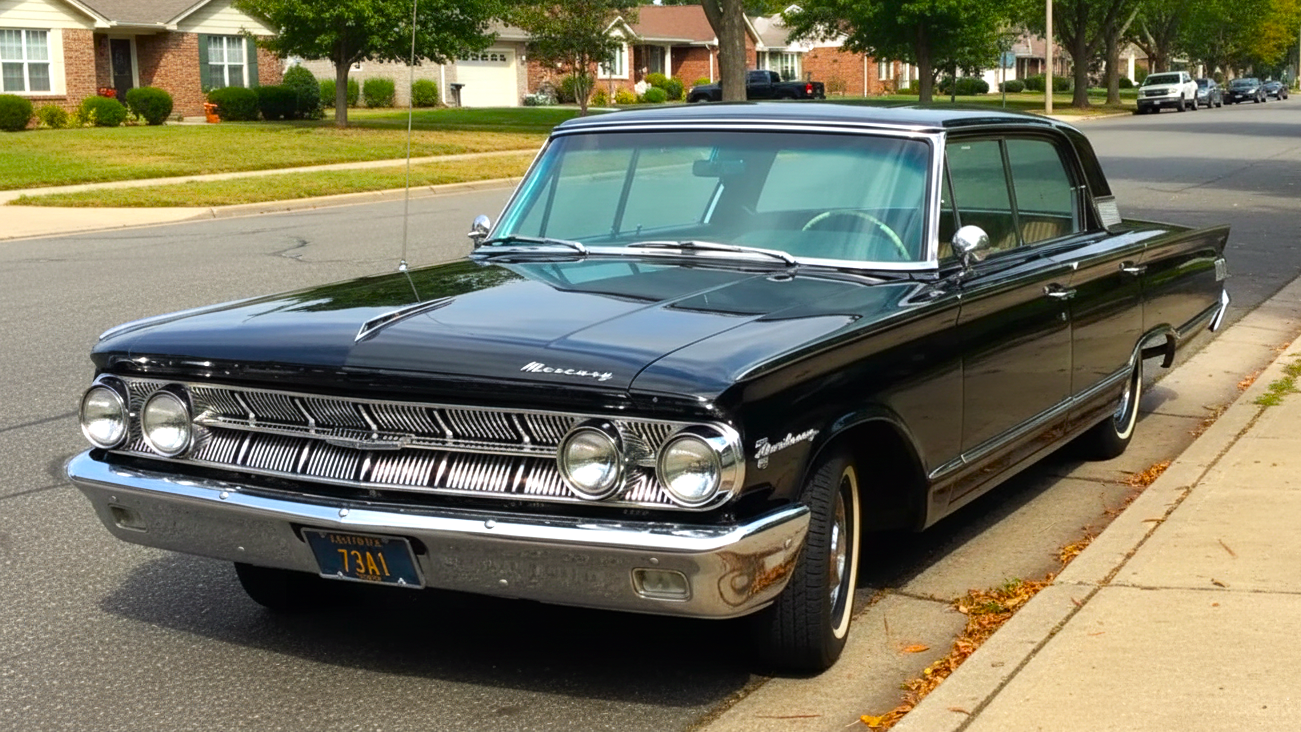
- Mercury (1938–2011): A Ford division that filled the niche between mass-market Fords and premium Lincolns. It was discontinued due to falling sales.
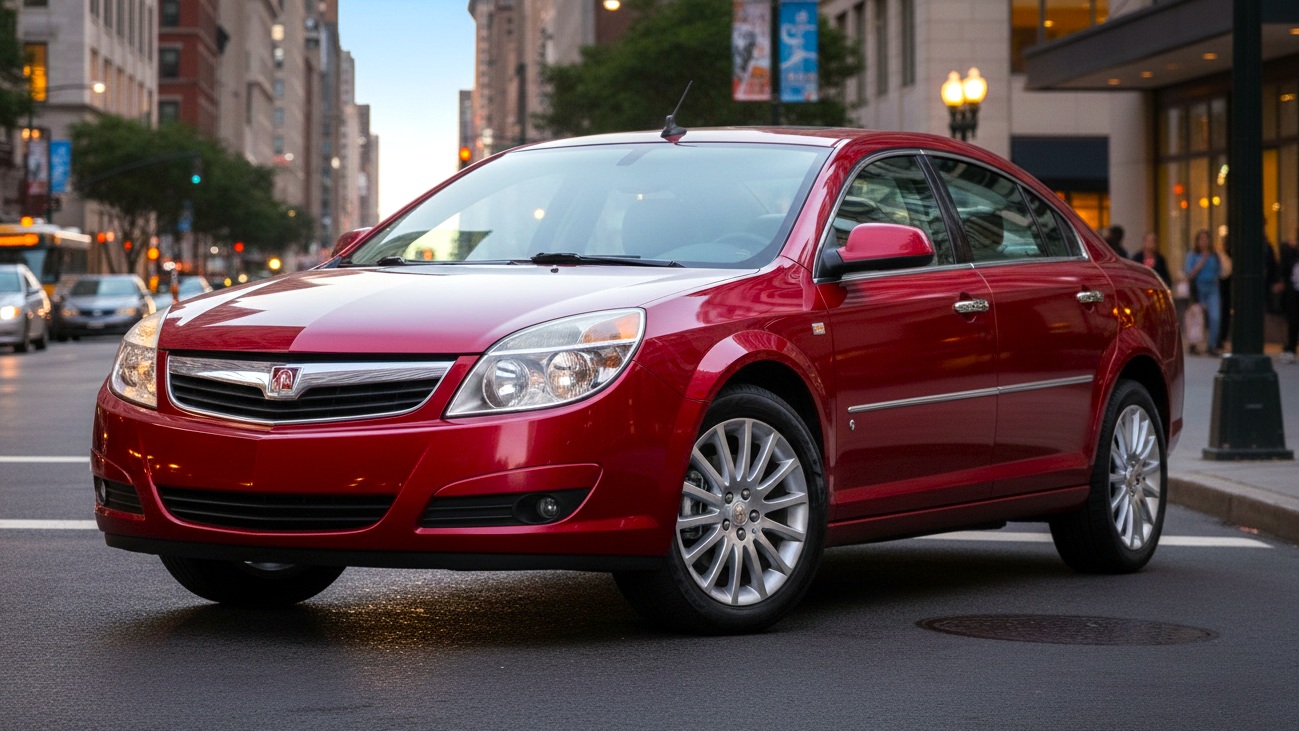
- Saturn (1985–2010): An innovative GM project created to compete with Japanese brands. It could not withstand internal competition.
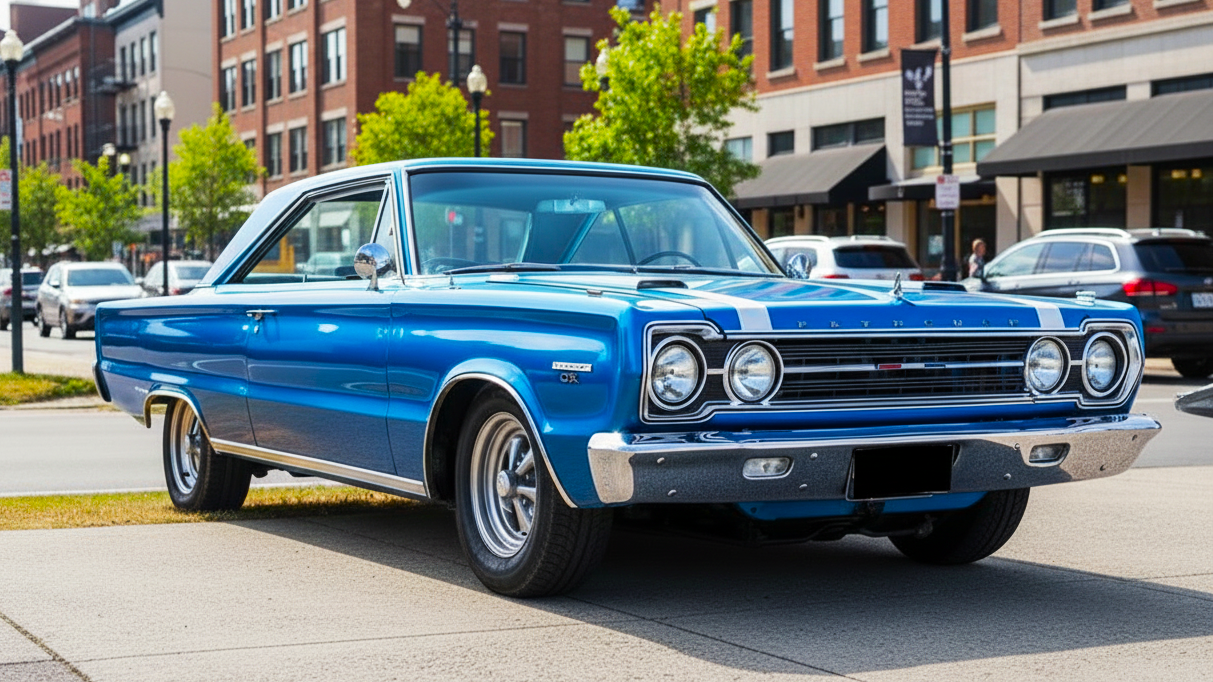
- Plymouth (1928–2001): A mass-market Chrysler brand that gave the world icons like the Barracuda and Road Runner. It was eliminated during a corporate restructuring.
- DeLorean (1975–1982): The maker of a single but legendary car, the DMC-12, which became the star of the "Back to the Future" trilogy. The company went bankrupt due to financial problems and scandals.
.png?_t=1764750726)
Brands That Have Returned from the Past
Some discontinued automakers do get a second life. Sometimes the revival turns into a real success story — other times it’s just an attempt to cash in on nostalgia and iconic badges. But в любом случае такие возвращения неизменно вызывают ажиотаж: ведь легенды дороги не исчезают бесследно.
Here are a few brands that managed to rise from the ashes — each in its own unique way:
Hummer
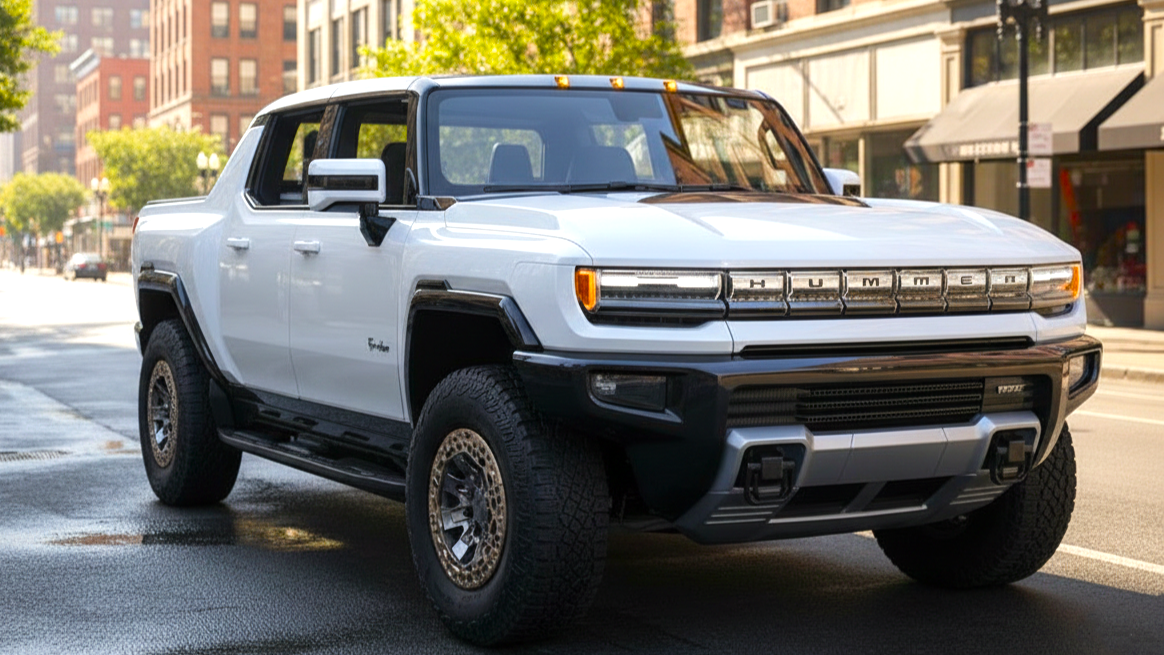
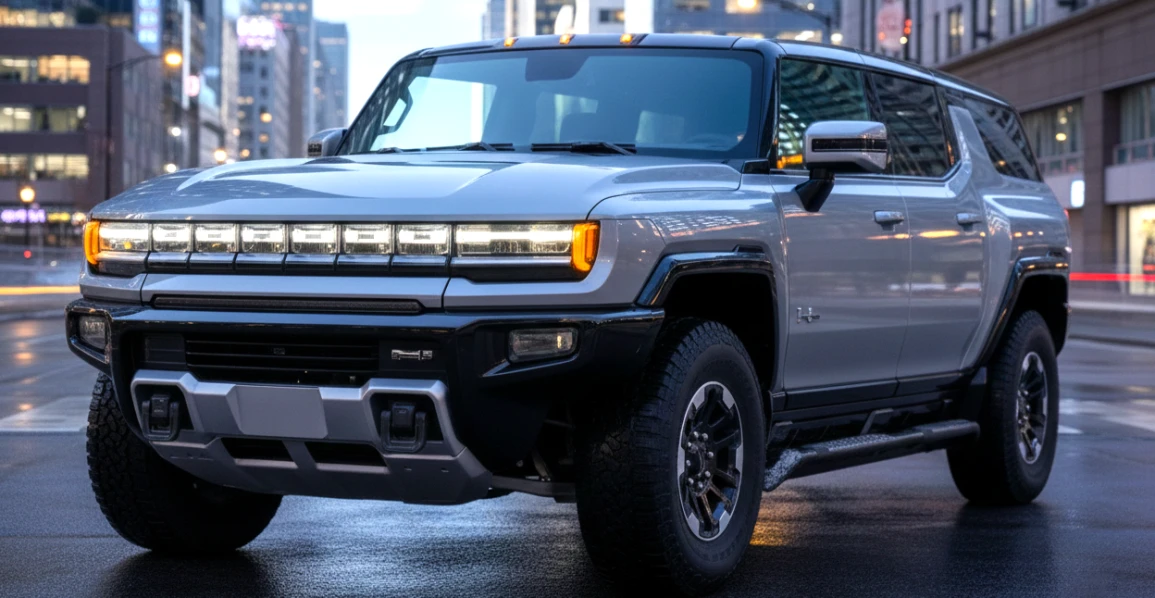
Once a symbol of excess, military brutality, and fuel consumption that could make an oil sheikh blush, Hummer returned in 2020 under the GMC umbrella — but in a completely new form. The “new Hummer” is an electric super-truck with insane power, off-road capabilities, and futuristic tech. Brutality? Still here. But now it’s powered by electrons instead of gallons of gasoline.
DeLorean
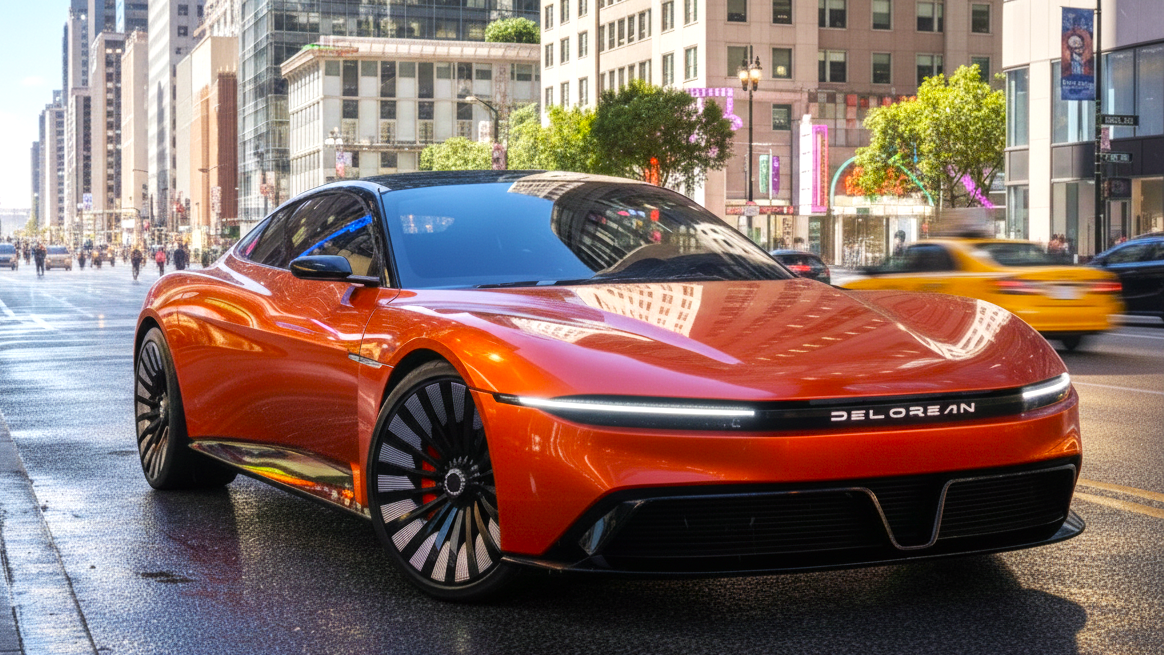
The car that became a time-travel icon got a shot at a new timeline. A new company holding the rights to the name unveiled the Alpha5 concept — a sleek, modern electric sports car. Its silhouette deliberately echoes the legendary DMC-12, but the vibe is more “future luxury” than “garage-built dream.” Will it actually reach production? Time will tell — ironically.
Maybach
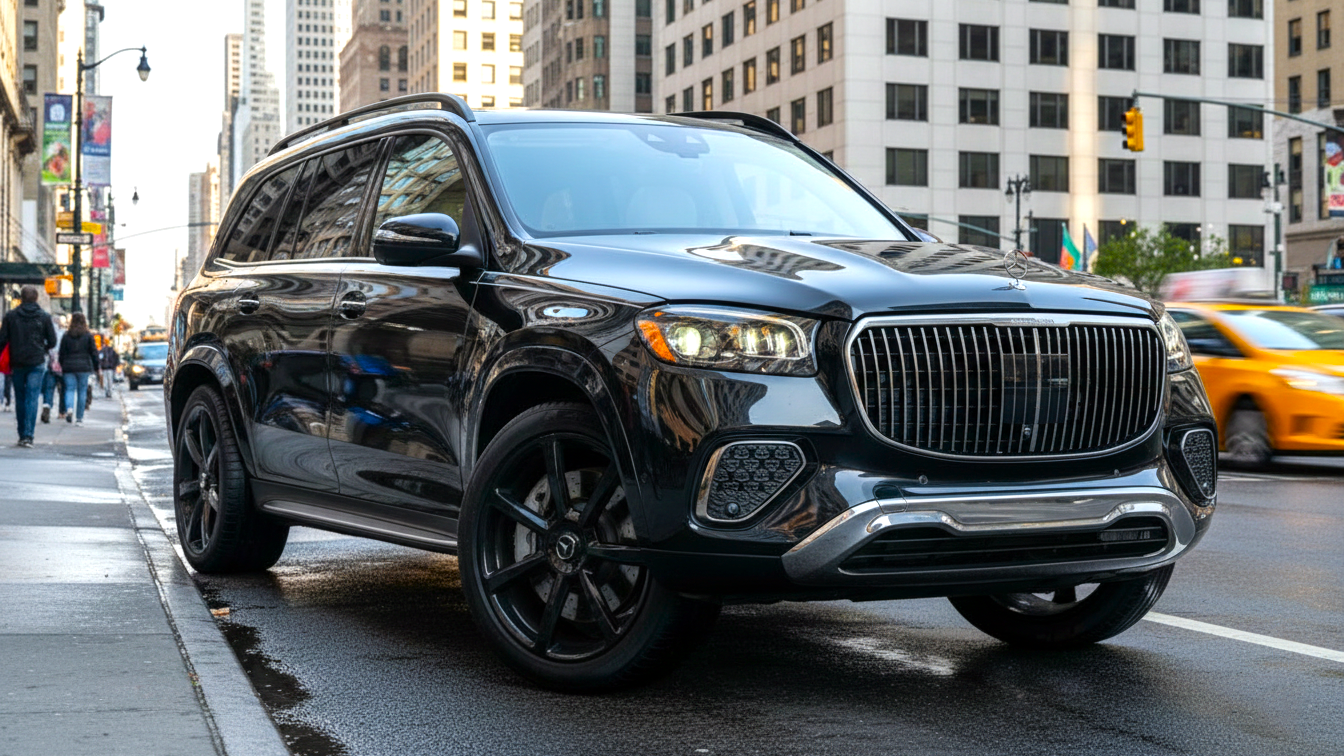
Once an independent ultra-luxury marque, Maybach disappeared for a while before making a grand comeback under Mercedes-Benz. Now it lives on as a super-premium sub-brand for the most opulent versions of the S-Class and GLS. Think handcrafted interiors, near-silent cabins, and the kind of luxury that doesn’t shout — it whispers with heavy velvet curtains.
Lessons Left by the Departed Brands
The stories of these bygone brands are not just facts for encyclopedias. They contain important lessons for the modern auto industry. Saab's history proves that brilliant innovation without a sound business strategy and financial backing cannot save a company. The fate of Pontiac and Oldsmobile teaches that a strong name and a glorious past are worthless if a brand loses its uniqueness and becomes a copy of others. These car brands no longer made remind us that the market does not forgive mistakes.
A History That Cannot Be Forgotten
The automotive world is constantly changing. New brands build their future on the experience—both successful and failed—of those who came before them. Even if a name has vanished from the automotive map, the ideas and technologies born under these marques live on in modern cars. All-wheel drive, turbocharging, the automatic transmission—many of these solutions were popularized by brands that are no longer with us. Their departure is not the end of the story but a natural stage in the evolution of the automotive world, where new legends rise to replace the old.

