



Most Common Car Problems and How to Fix Them
Any car, even the most reliable one, is a complex mechanism that wears out over time. One morning, it might simply refuse to start; on the road, the brakes could fail, or steam might billow from under the hood. Every year, millions of drivers face unexpected breakdowns that waste their time, money, and nerves. Most of these troubles could have been avoided.
Understanding typical malfunctions and their early symptoms is the key to a long and trouble-free ownership experience. Knowing a car's weak points allows you to perform timely preventative maintenance, avoid unnecessary expenses on costly repairs, and, most importantly, ensure your safety.
In this article, we will break down the most common car problems. We will also teach you to recognize their signals and provide clear recommendations for their resolution and prevention.
Why Even Reliable Cars Break Down
The myth of “indestructible” cars is long gone. Modern vehicles are complex, high-tech systems filled with electronics and sensors, where every component affects overall performance. Even the most reliable brands aren’t immune to breakdowns — because cars live in the real world, full of traffic jams, dirt, temperature changes, and human factors. There are many possible causes of failure, but most problems come down to four main categories.
1. Natural wear and tear
Every part has its lifespan. Suspension components, brake pads, belts, gaskets, and seals inevitably wear out over time — and that’s perfectly normal. Rubber loses elasticity and cracks, metal fatigues, and plastic becomes brittle. Even with ideal maintenance, material aging is unavoidable — it’s a natural process for anything that moves and works.
2. Operating conditions
Where and how a car is used plays a major role. Rough roads, extreme temperatures, dust, dirt, aggressive winter chemicals, and short city trips all accelerate wear. A car that constantly battles potholes, frost, and salt “ages” twice as fast as one driving in mild European conditions.
3. Driving style
The way you drive reflects how you treat your car. Hard acceleration, sudden braking, sharp cornering, and hitting bumps at high speed are the fastest way to damage suspension, transmission, and engine components. Even if the car is built for performance, constant mechanical stress takes its toll. Smooth and careful driving not only saves fuel but also significantly extends the vehicle’s lifespan.
4. Poor maintenance
Even the best car can be ruined by neglect. Skipping scheduled maintenance, using cheap parts, low-quality oil, or questionable filters — all of this eventually leads to costly repairs. Cutting corners on servicing rarely pays off: what saves a few dollars today may result in replacing the engine or gearbox tomorrow.
Top 7 Common Car Problems
Some malfunctions occur much more frequently than others. Knowing this list will help you stay alert and notice warning signs in time.
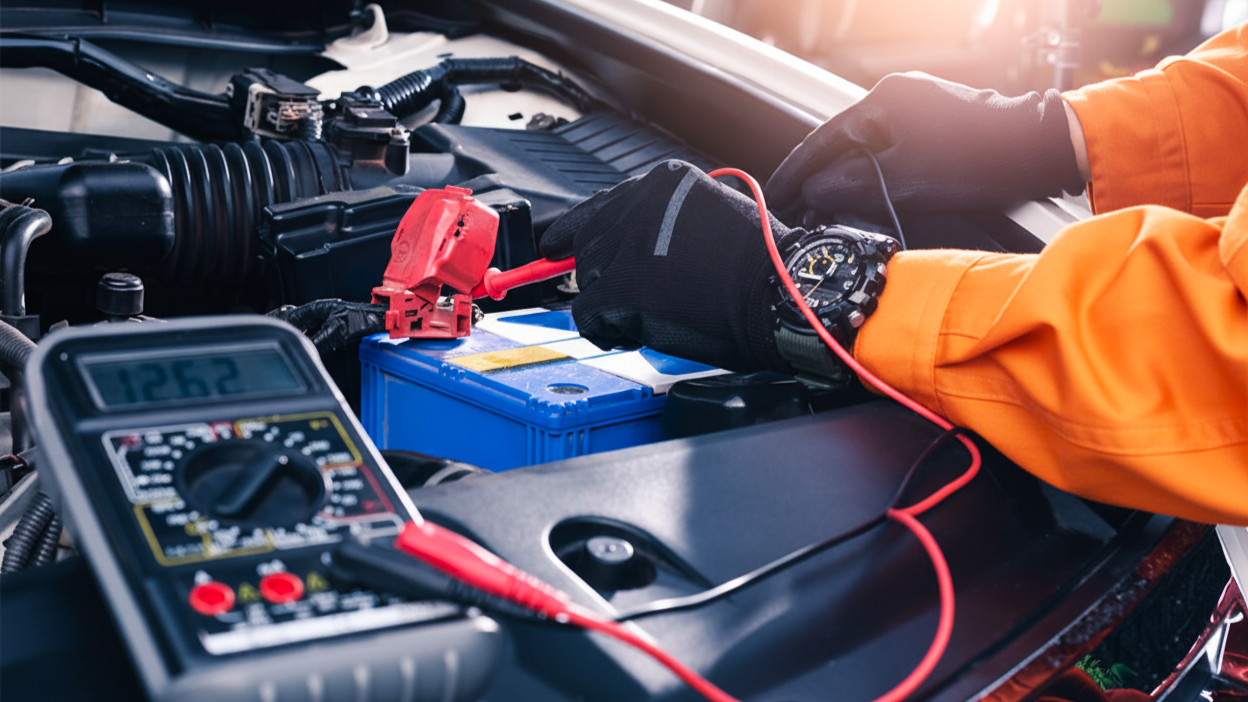
1. Battery Problems
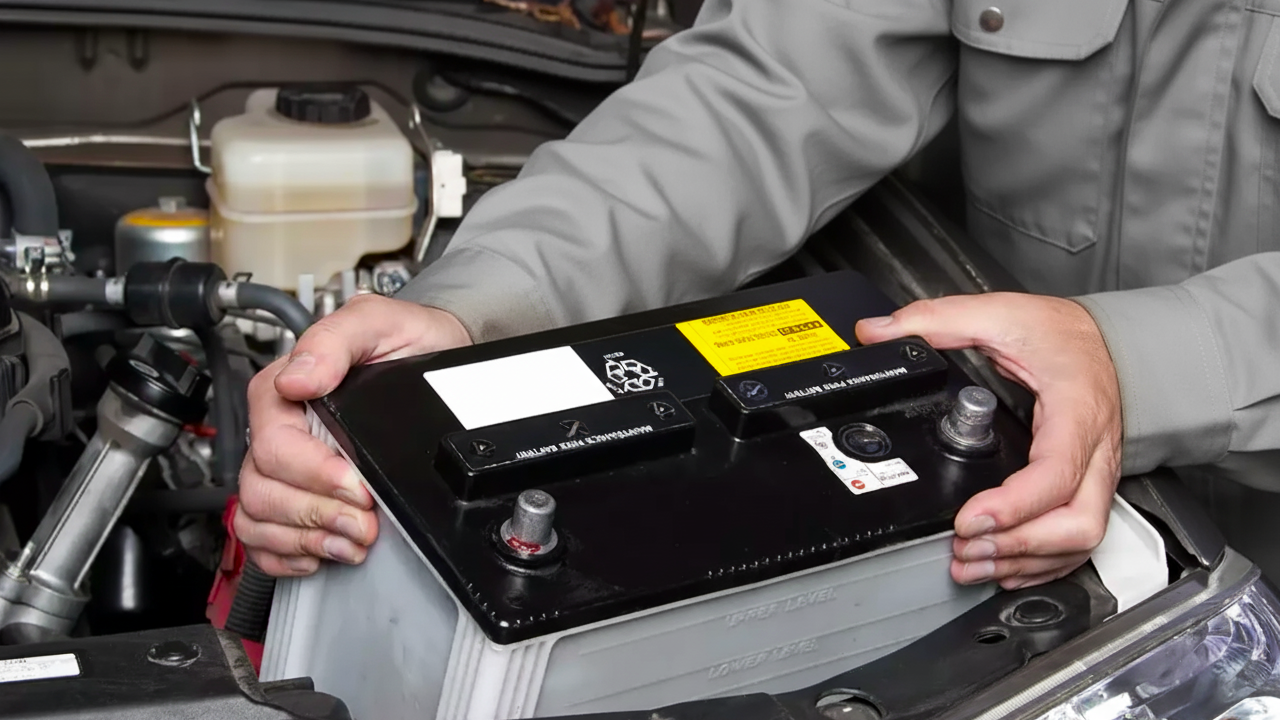
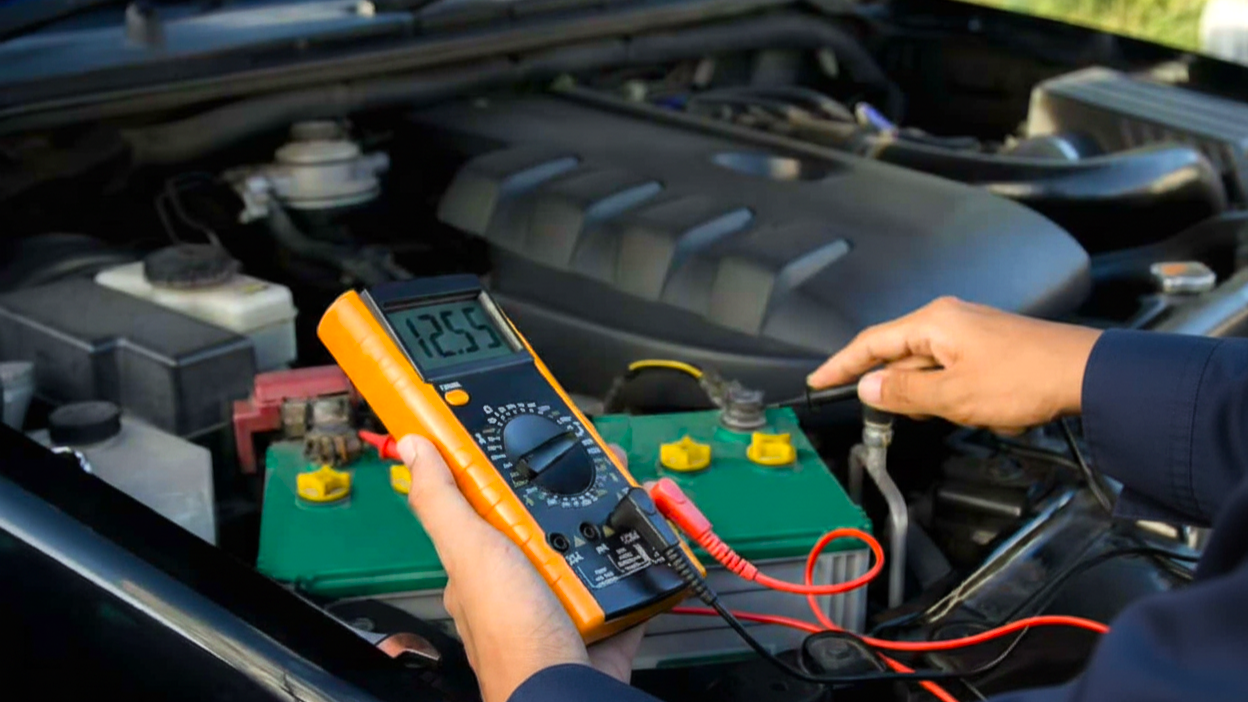
A dead battery is the number one reason for calls to roadside assistance, especially in winter.
- Causes. Natural aging (average lifespan is 3–5 years), short trips (the alternator doesn't have enough time to recharge the battery), parasitic drains in the electrical system, and extreme cold.
- Signs. Slow, hesitant cranking when starting the engine; dim headlights when the engine is off; a clicking sound instead of starting.
- Solution. Regularly check the voltage at the terminals and keep them clean. If your battery is over 4 years old, be prepared to replace it.
2. Engine Overheating
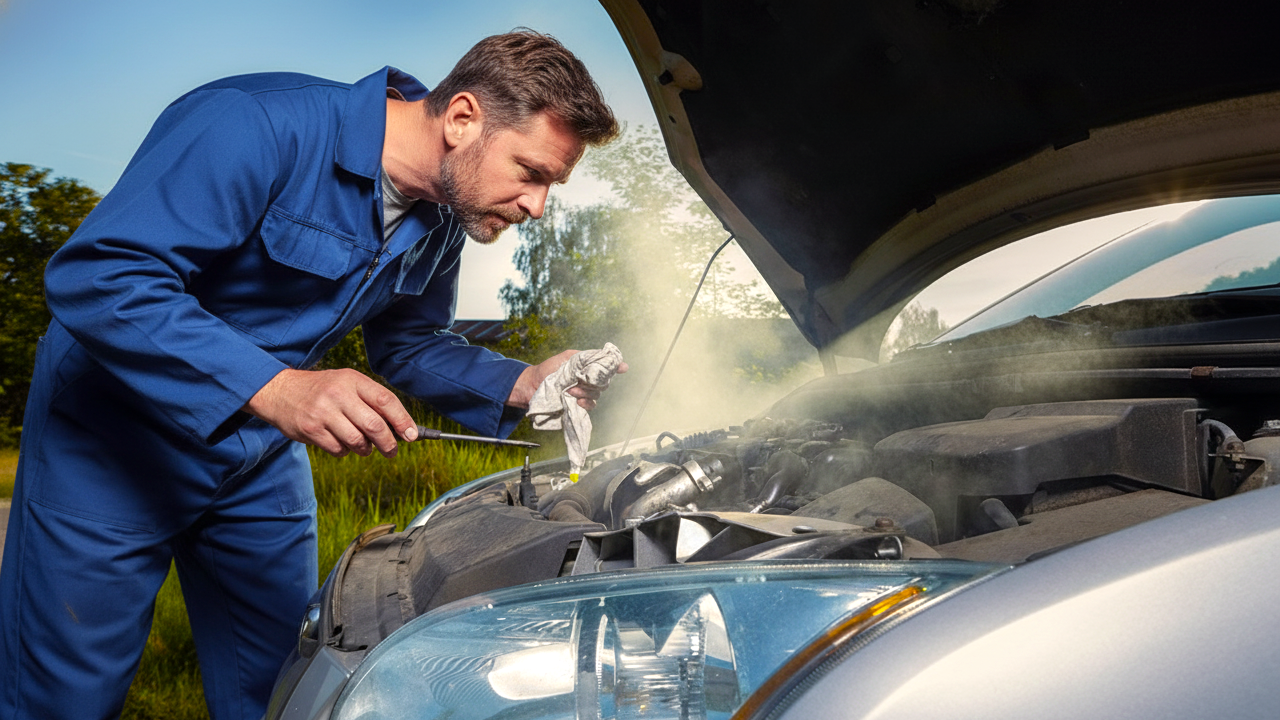
One of the most dangerous malfunctions, which can lead to a complete engine rebuild.
- Causes. A low coolant (antifreeze) level due to a leak, a faulty thermostat, a clogged radiator, or a failed cooling fan.
- Signs. The temperature gauge is in the red zone, steam is coming from under the hood, or the overheat warning light is on.
- What to do. Stop immediately and shut off the engine. Never open the radiator or expansion tank cap on a hot engine—you could get a severe burn. Let the engine cool down and call for a tow.
Learn how to safely clean your engine bay to prevent overheating - read our other guide "How to Safely and Effectively Clean Your Car’s Engine Bay”.
3. Brake System Failures
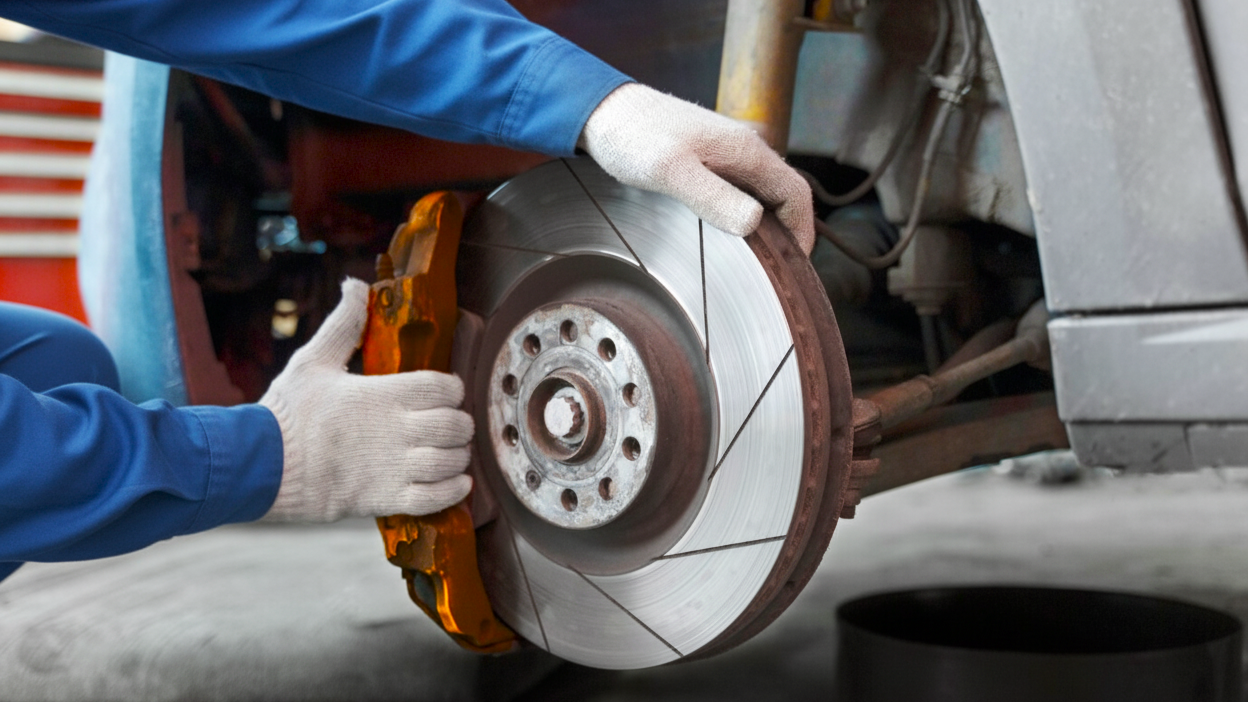
Your brakes are your primary safety feature, and any deviation in their performance requires immediate attention.
- Signs. Squealing or grinding noises when braking (worn pads), vibration in the steering wheel or brake pedal (warped rotors), increased pedal travel, or the car pulling to one side when braking.
- What to do. If any of these symptoms appear, go to a service center for a diagnosis immediately.
- Prevention. Change your brake fluid every 2 years, as it is hygroscopic (absorbs moisture) and loses its properties over time.
4. Transmission Problems
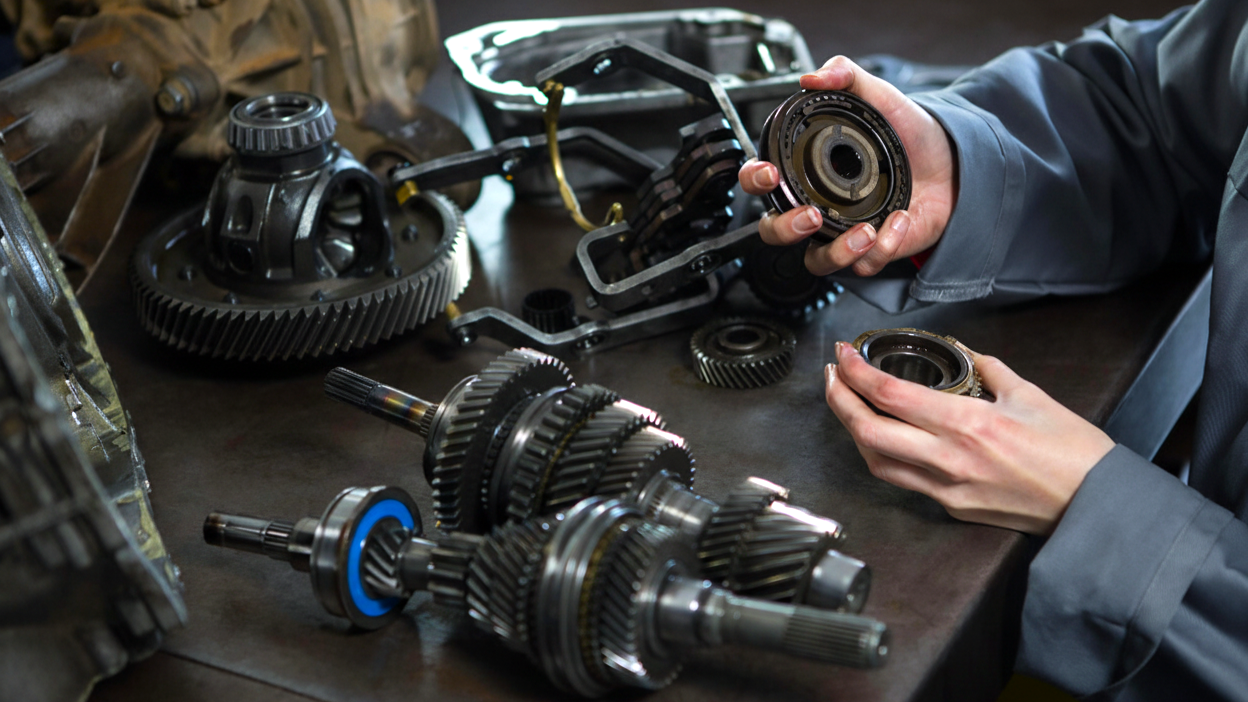
Transmission repair is one of the most expensive procedures.
- Signs. Jerking, jolting, or delays when shifting gears; an unusual hum or whine; vibration.
- Causes. Most often, a low level or severe contamination of the transmission fluid.
- Prevention. Follow the manufacturer's recommended fluid change interval. Avoid aggressive driving and wheelspin.
5. Suspension Failures
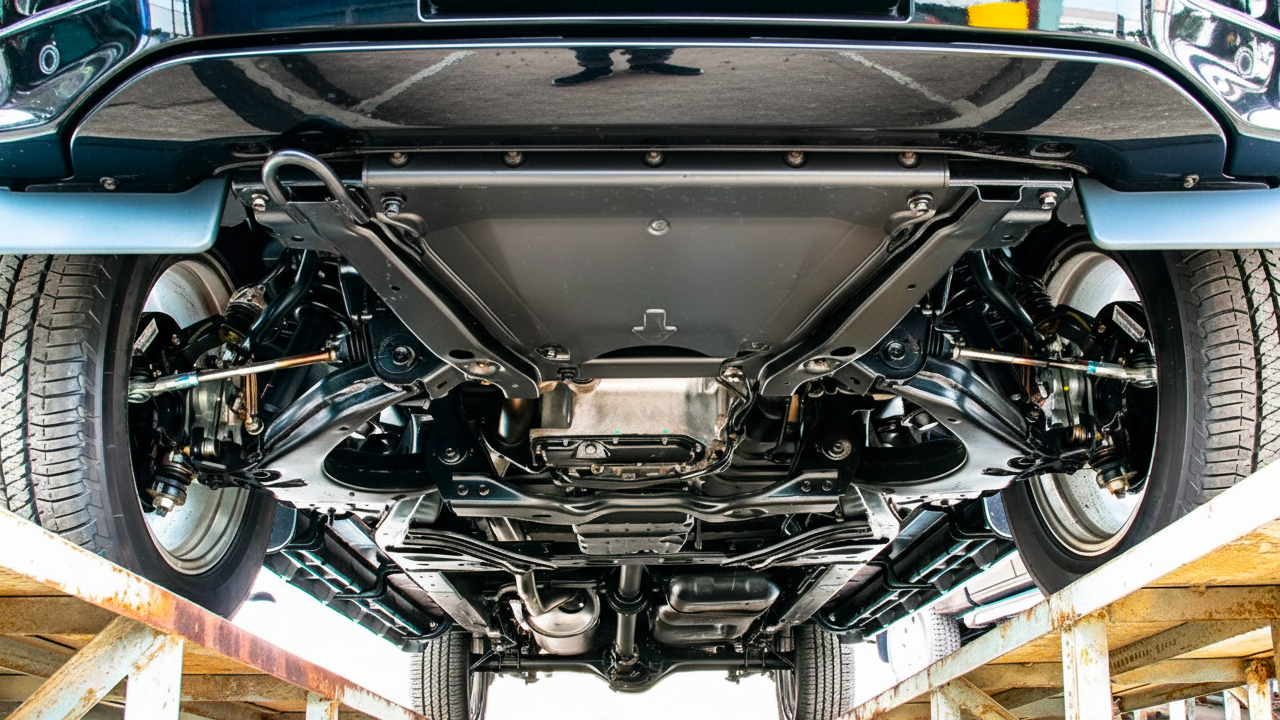
The suspension is the first to take a beating from bad roads.
- Signs. Unusual knocks and creaks when going over bumps, the car "floating" on the road, uneven tire wear.
- What breaks. Most commonly, stabilizer links and bushings, shock absorbers, ball joints, and control arm bushings fail.
- Prevention. Drive carefully over potholes and get regular inspections on a lift.
6. Electronics and Sensors
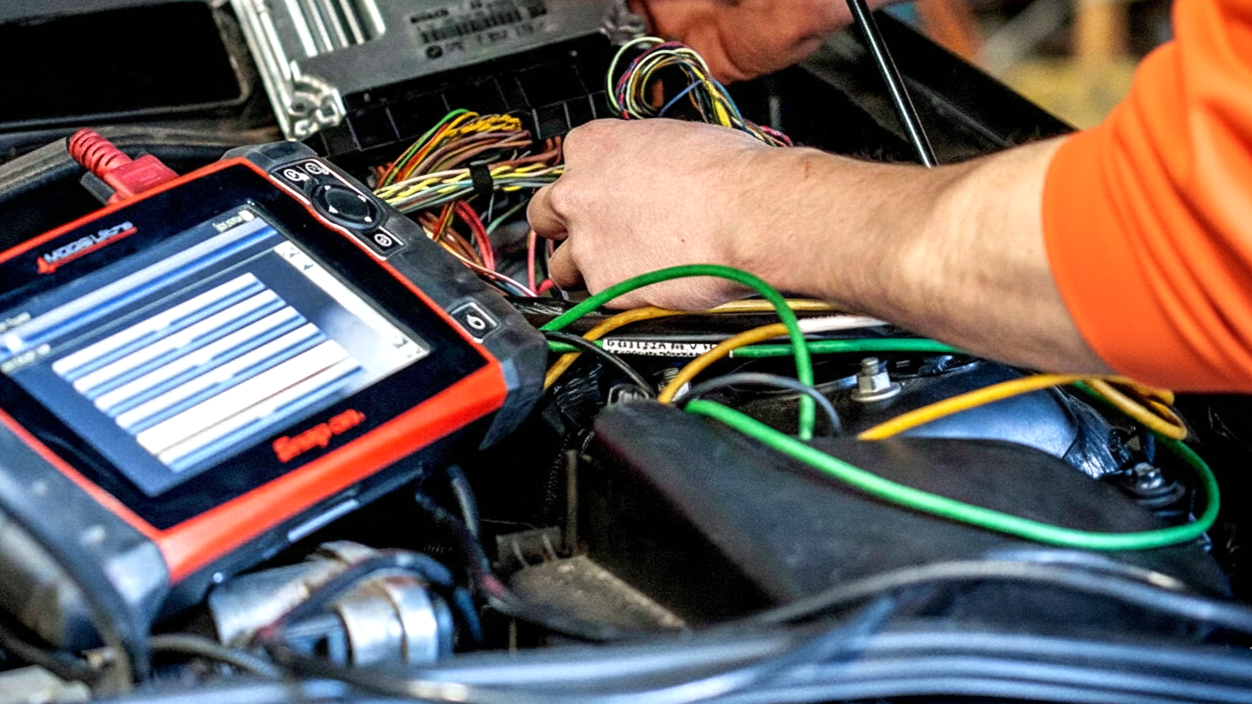
A modern car is filled with electronics. The failure of a single sensor can disrupt the operation of the engine or transmission.
- Signs. The "Check Engine" light is on, the engine runs erratically, or the RPMs fluctuate.
- What to do. Perform a computer diagnostic scan to read the error codes. Don't rush to replace the part indicated by the scanner; the problem often lies in the wiring or connections.
7. Air Conditioning System Problems
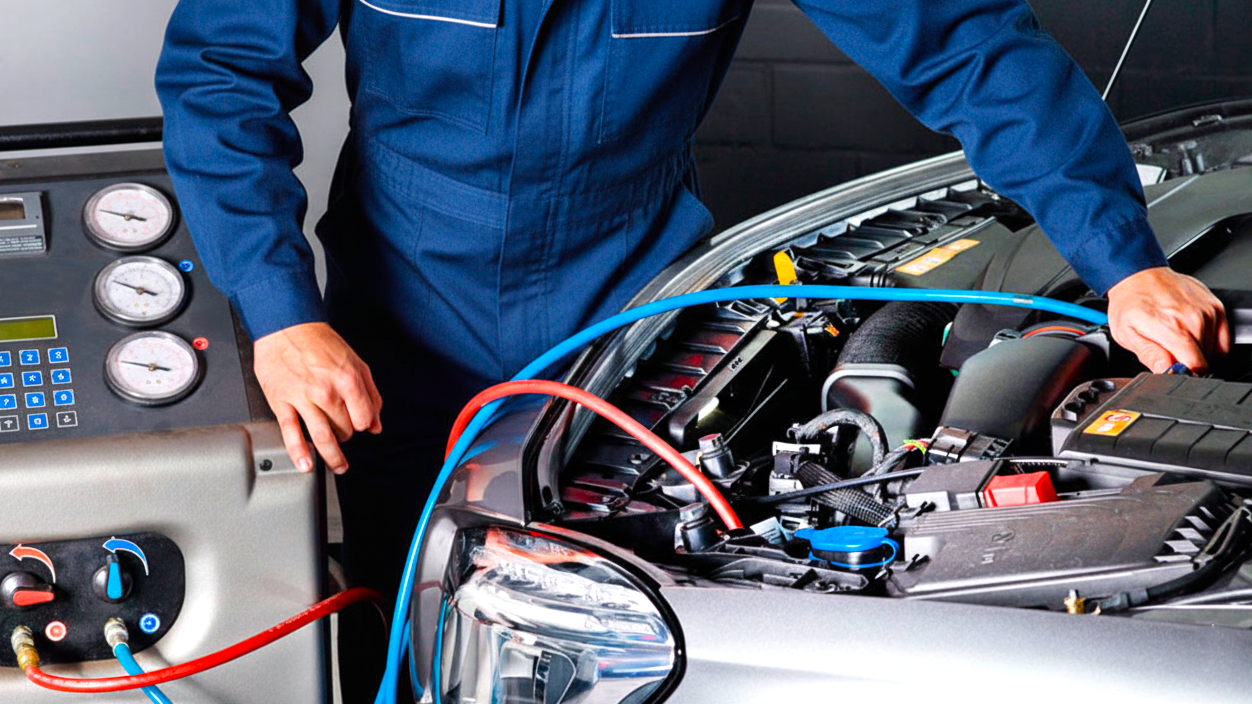
A faulty A/C is a source of discomfort in the summer.
- Signs. Weak airflow (clogged cabin filter), an unpleasant odor (bacteria on the evaporator), or the A/C not blowing cold (a refrigerant leak or a faulty compressor).
- Prevention. Replace the cabin filter annually and have the system professionally cleaned.
This list of car problems will help you navigate the main "ailments" of modern vehicles.
Audio Diagnostics. Learn to Listen to Your Car
A car often "communicates" its problems through sounds long before any visible malfunctions appear. The ability to distinguish these signals can help you get to a service center in time and avoid serious breakdowns.
- Grinding or Squealing When Braking. This is most often a signal from the wear indicator on your brake pads. A metal tab starts rubbing against the rotor, warning you that an urgent replacement is needed. Ignoring this sound will lead to rotor damage, making the repair much more expensive.
- A High-Pitched Whistle from Under the Hood. This usually appears when starting a cold engine or during hard acceleration. As a rule, it indicates a worn or loose serpentine belt.
- A Dull Thud or "Clunk" When Going Over Bumps. A clear sign of suspension problems. This is often the sound of worn-out shock absorbers, struts, or stabilizer bushings.
- A Rhythmic Clicking Sound When Turning. A classic symptom of a worn CV (Constant Velocity) joint. It requires immediate diagnosis, as a failed CV joint while driving can lead to a loss of control.
Seasonal Problems and Solutions Table
Season | Typical Problems | Solutions and Prevention |
Winter | Dead battery, frozen locks and windows, diesel engine starting issues. | Test the battery before the cold season, treat seals and locks with silicone spray, use winter-grade diesel. |
Summer | Engine overheating, A/C failure, increased brake and tire wear. | Clean radiators of debris, service the A/C system, monitor tire pressure. |
How to Avoid Most Problems
The best repair is the one you never need. Preventive care is always cheaper, faster, and less stressful than fixing the aftermath of a breakdown. A well-maintained car rewards its owner with smooth performance, easy starts, and no unpleasant surprises. Here are a few simple yet truly effective habits that will help your car live longer — and save you both time and money.
1. Follow the maintenance schedule
Regular servicing isn’t a formality — it’s the foundation of your car’s reliability. Replacing oil, filters, belts, and fluids on time prevents wear, protects the engine from overheating, and keeps the braking system in top shape. Even if your car seems perfectly fine, don’t skip scheduled maintenance. Think of it like a regular health check: it helps detect small issues before they turn into major repairs.
2. Choose quality parts and consumables
Saving on oil, brake pads, or filters is a risky gamble. Cheap or non-original components often can’t handle the stress of everyday driving and can accelerate wear on other parts. In the end, that “saving” can cost much more. It’s always better to invest in high-quality materials once than to replace a damaged engine or transmission later.
3. Perform quick weekly checkups
Just five minutes a week can prevent serious problems. Check the oil level, coolant, and brake fluids; monitor tire pressure and the condition of your wipers. These small inspections help catch issues early — long before a “Check Engine” light appears or a strange noise turns into an expensive repair.
4. Learn your car’s specific needs
Every car model has its own weak points and recommended service intervals. If you’re unsure how often your vehicle needs maintenance, read our guide "How Often Should You Service Your Car?" to keep your vehicle in top shape.
When to See a Professional
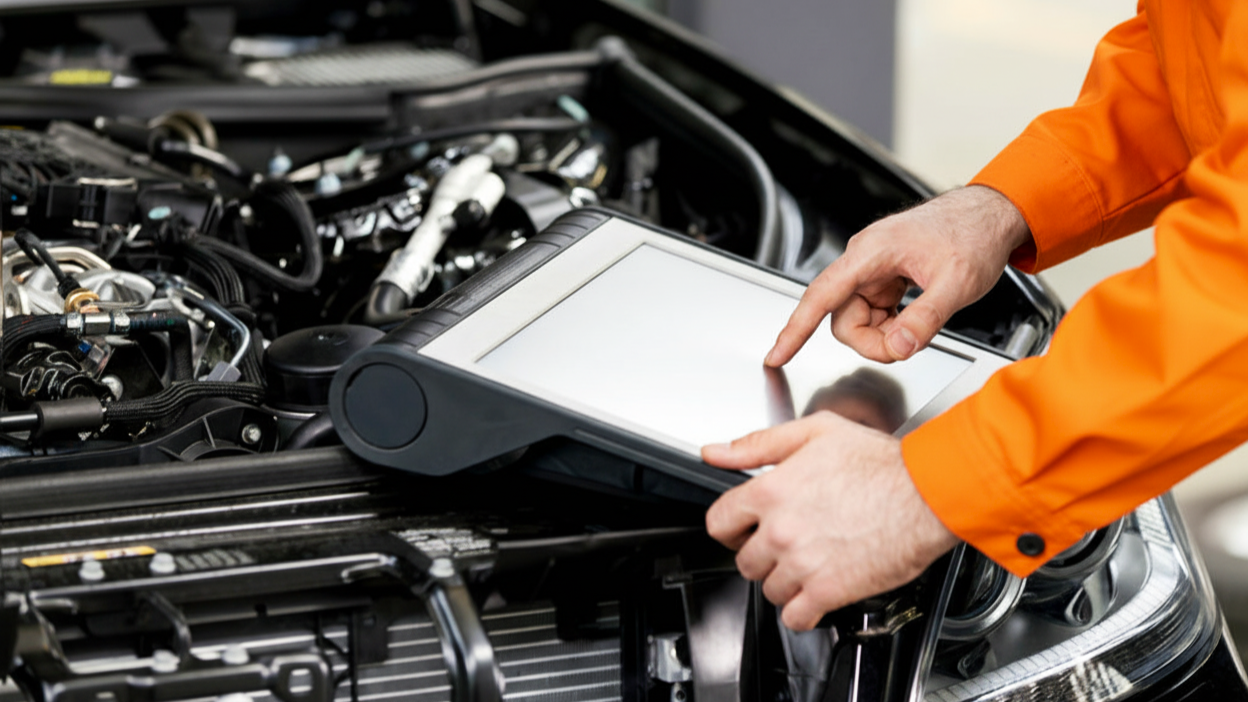
Some car problems cannot be solved on your own. If you hear knocking in the engine, experience brake issues, or smell something burning, go to a service center immediately. Attempting a DIY fix in such cases can lead to even more expensive repairs or an accident. A complete list of car problems and solutions is only available to professional mechanics with diagnostic equipment.
Conclusion. Prevention is the Best Repair
Regular care and attention to the first "symptoms" are the best way to avoid unexpected breakdowns and large expenses. Preventing a malfunction is always easier and cheaper than fixing its consequences. Listen to your car, follow the maintenance schedule, and don't delay a visit to the service center if something raises your doubts.
Schedule a routine diagnostic check or perform a self-inspection today. Taking care of your car is the key to your confidence and safety on the road.

