



Top Cars With the Best Interiors: From Luxury Sedans to High-Tech EVs
When choosing a car, most buyers compare engine power, acceleration, or fuel efficiency. However, it is the cabin that ultimately defines how comfortable it will be to spend time behind the wheel. High-quality materials, seating comfort, thoughtful details, and cutting-edge technology can transform a drive into a pleasure. It’s no coincidence that the best car interior is now regarded as one of the most important criteria when making a purchase – and for many, the deciding factor.
A well-designed cabin creates a sense of coziness and security. Carefully selected materials are pleasant to the eye and touch, the seats support the body on long journeys, and the layout of buttons and screens minimizes strain. Interior styling also reflects a brand’s philosophy: some emphasize minimalism, others focus on luxury and hand craftsmanship, while others showcase their technological edge. In this article, we will explore the main criteria for evaluating automotive interiors, highlight models that set benchmarks, examine materials and technologies shaping today’s market, and look into the future to see how cabins will evolve.
Criteria for Evaluating a Car’s Interior
The interior of a car is more than just the space surrounding the driver and passengers — it is an entire ecosystem where comfort, technology, and aesthetics merge into a unified experience. To evaluate a cabin objectively, it’s important to look at it holistically, from the materials used to the atmosphere created by even the smallest details.
1. Material Quality
High-quality materials are one of the key indicators of a vehicle’s class. In the premium segment, manufacturers use fine-grain natural leather, soft Alcantara, rare wood trims, aluminum, or carbon fiber. These materials not only look luxurious but also ensure long-lasting durability. Even in mid-range and mass-market models, the trend is shifting toward higher quality: soft-touch panels, durable fabric inserts, and pleasant-to-the-touch coatings are becoming the norm rather than the exception.
2. Ergonomics
Ergonomics determine how comfortable and intuitive a vehicle is to operate. Buttons, switches, knobs, and levers should be located exactly where the driver’s hand naturally reaches. Adjusting the climate control, selecting a drive mode, or turning on the window defroster should never require taking attention away from the road. The best manufacturers go through dozens of prototypes to achieve the layout that allows the driver to feel confident and relaxed.
3. Instrument Panel and Center Console
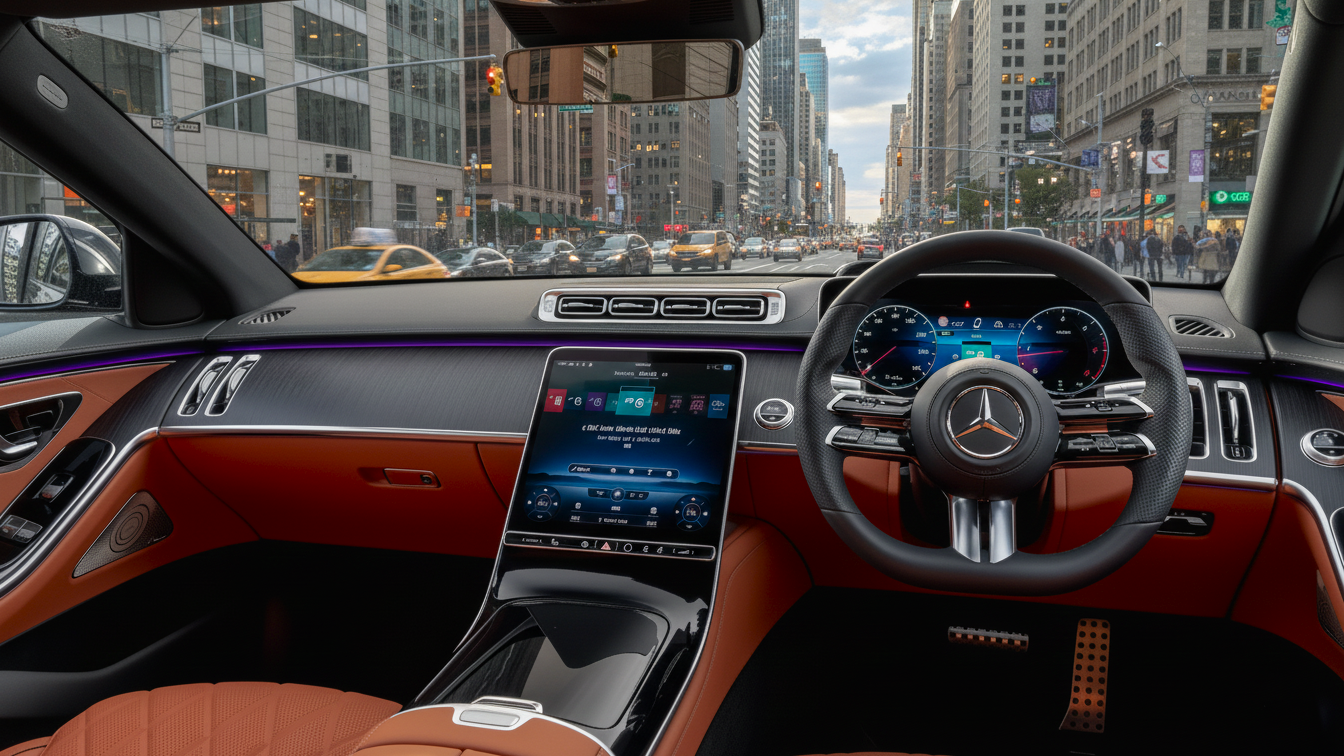
The center console is the core of driver-vehicle interaction. The industry is currently transitioning from physical buttons to large touchscreen displays. However, completely abandoning physical controls does not always make things more convenient. Balance matters: too many touch elements make operating the car harder, especially while driving. The best solutions combine a modern display, well-placed physical controls, and a logical menu structure.
4. Seat Comfort
Good seats are not a luxury — they’re essential. The ideal seat has the right backrest shape, supportive bolsters, and a wide range of adjustments. All of this influences comfort both during short trips and long journeys. Features like heating, ventilation, and memory settings are no longer exclusive to luxury models. High-end trims often include massage functions, individual profiles, and even adjustable side bolsters tailored to driving style.
5. Technology
A modern car is essentially a technological device on wheels. Fast multimedia systems, wireless connectivity, voice controls, and head-up displays all contribute to convenience and safety. Ambient lighting deserves special mention: it sets the mood, helps with nighttime orientation inside the cabin, and enhances the overall visual appeal.
6. Aesthetics and Style
The visual impression of the interior is just as important as its functionality. A well-designed cabin feels cohesive: lines flow smoothly, materials complement each other, and color schemes enhance — rather than clash with — the space. Attention to detail — from panel alignment to stitching quality — often becomes the key factor distinguishing thoughtful, well-built cars from mediocre ones.
Cars With the Best Interiors by Category
Luxury Sedans
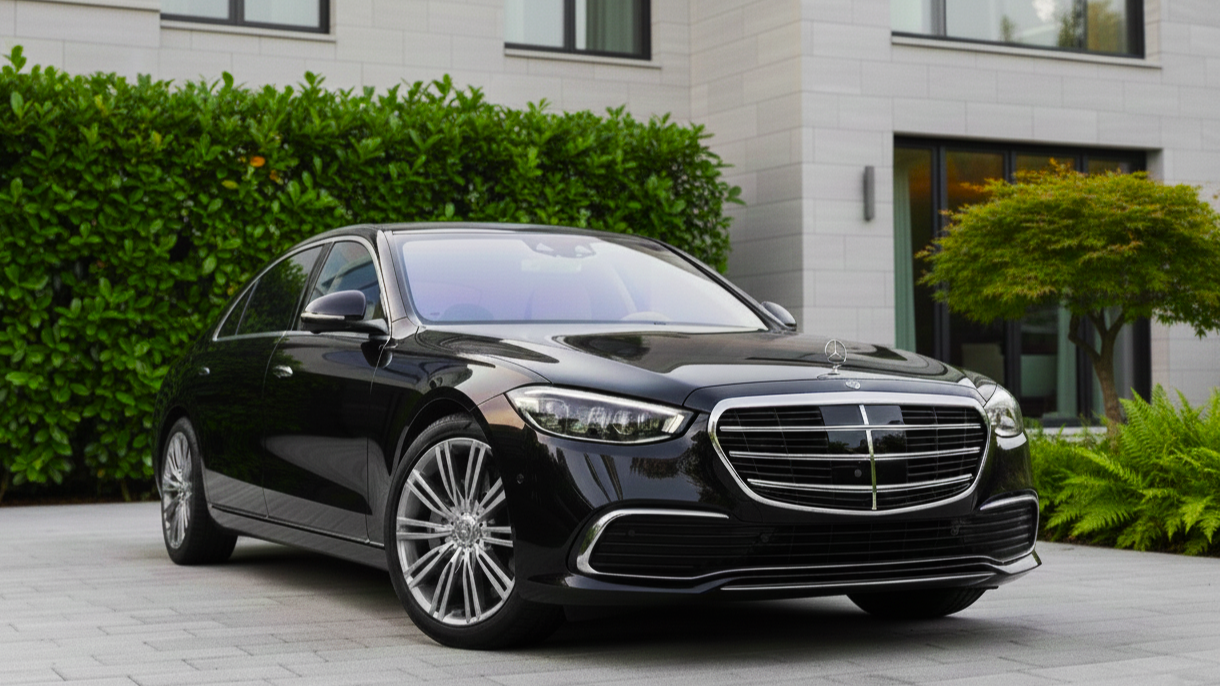
- Mercedes-Benz S-Class is the benchmark: cutting-edge tech paired with Nappa leather, fine wood, and aluminum trim. Massive screens control every function, and the premium sound system turns the cabin into a concert hall.
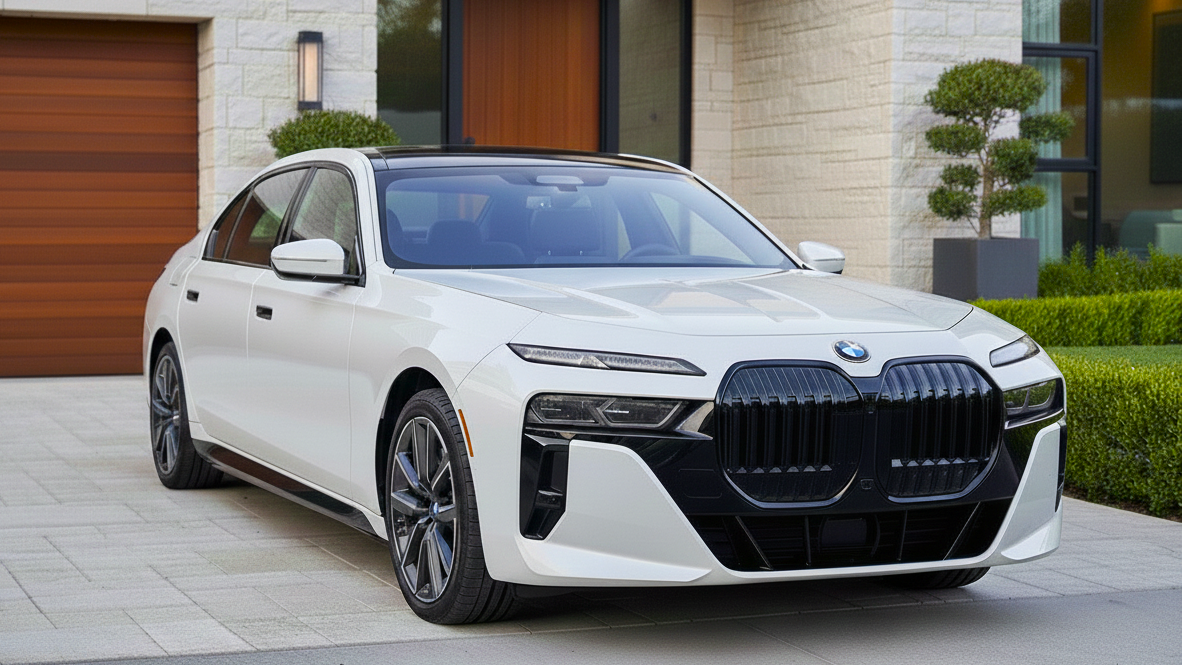
- BMW 7 Series combines driver-oriented dynamics with elegance. The latest generation features an overhead theatre screen and expanded multimedia for rear passengers.
- Audi A8 offers strict minimalism with a virtual cockpit, touch-sensitive panels, and impeccable build quality.
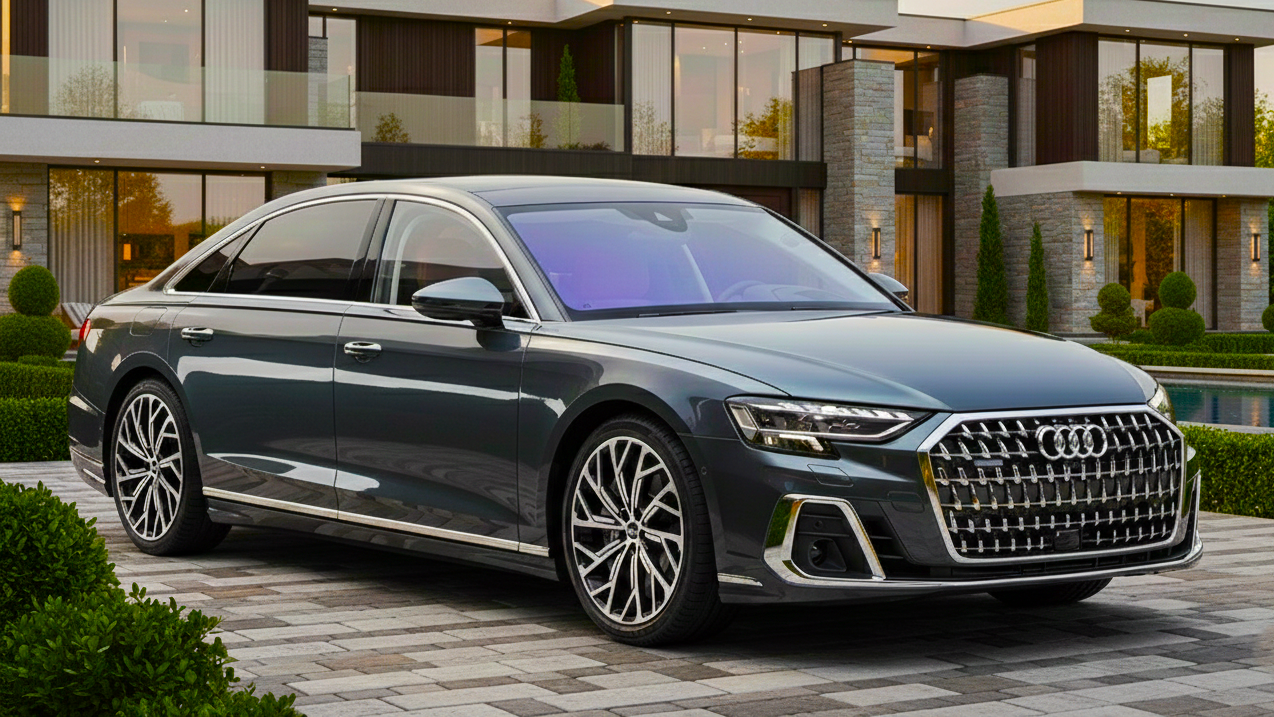
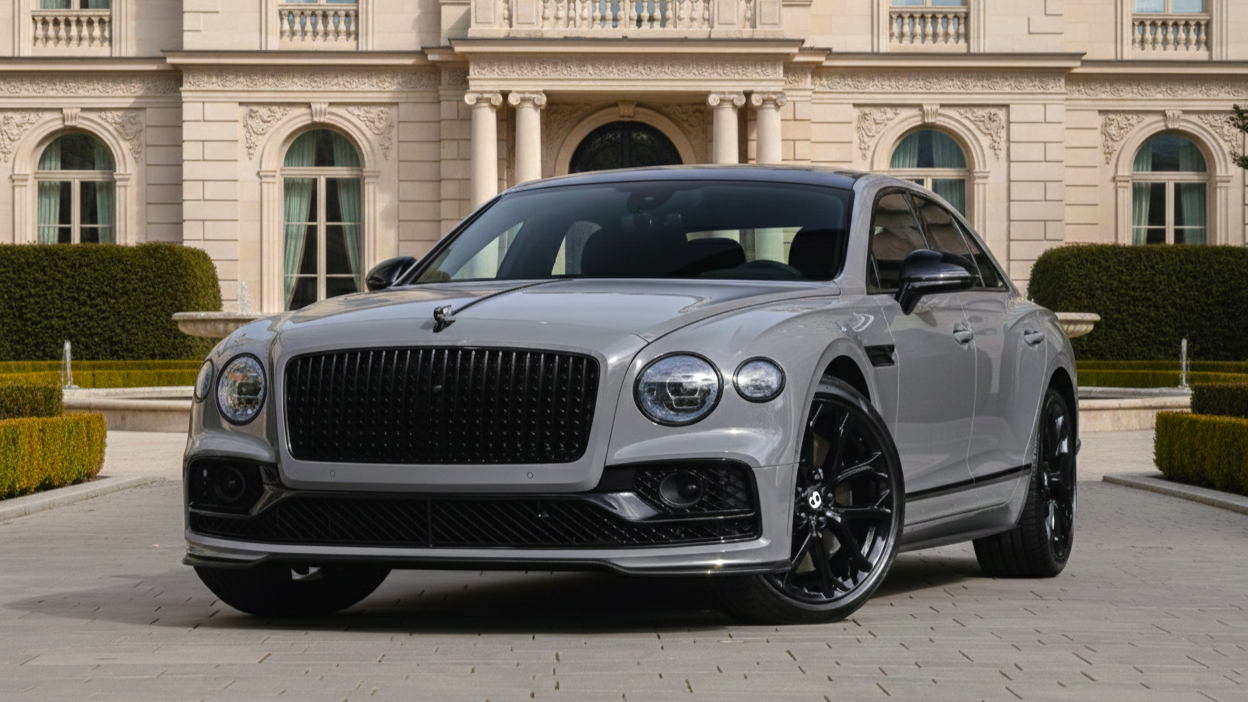
- Bentley Flying Spur stands out for hand craftsmanship – every element is produced individually, creating an aura of exclusivity.
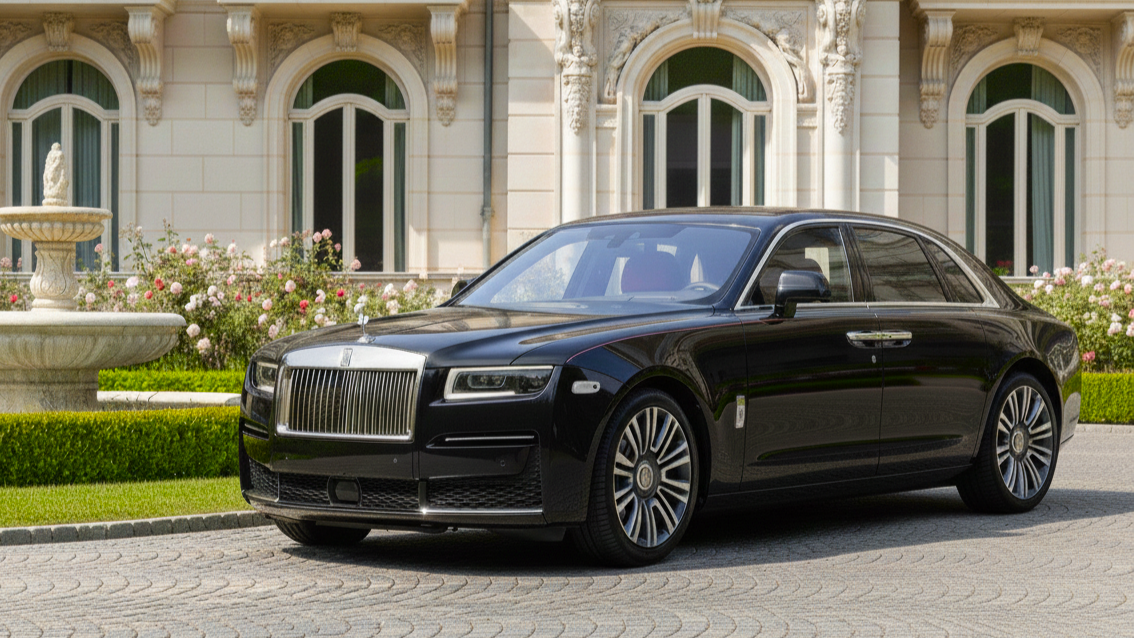
- Rolls-Royce Ghost raises the bar for opulence, with optional fiber-optic headliners simulating a starry sky and bespoke material choices.
Premium SUVs
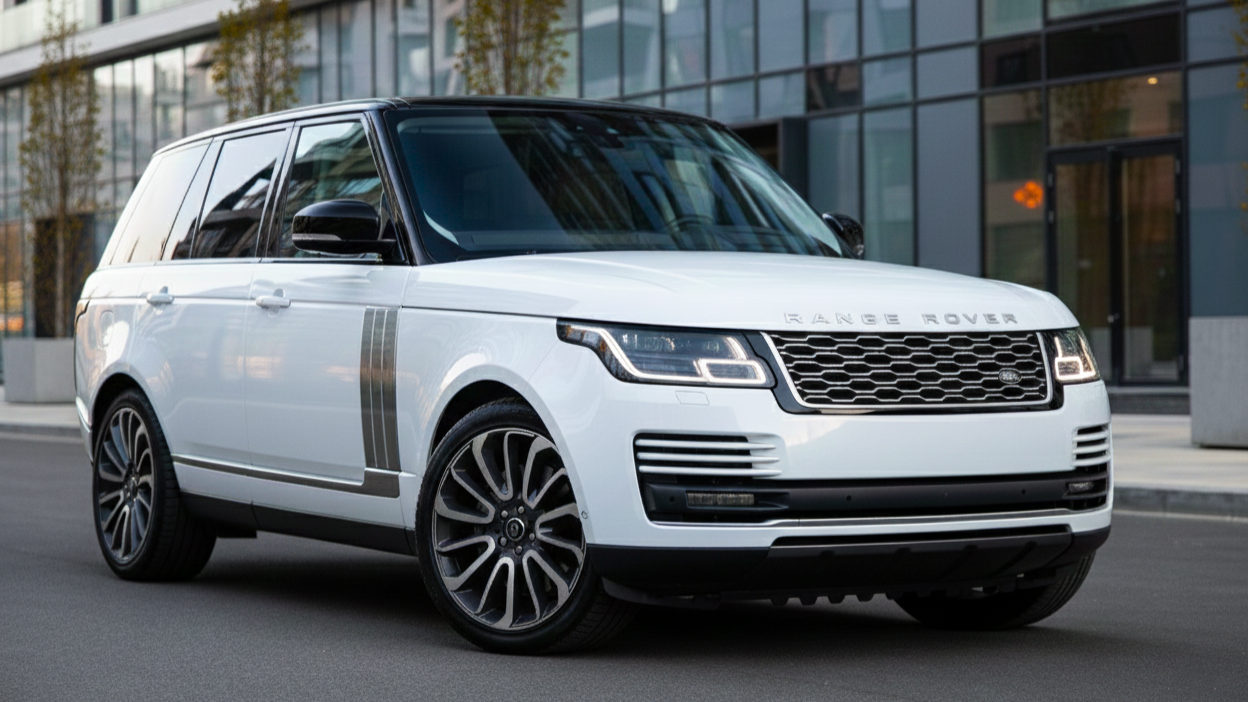
- Range Rover blends British restraint with expansive interiors lined with wood and leather.
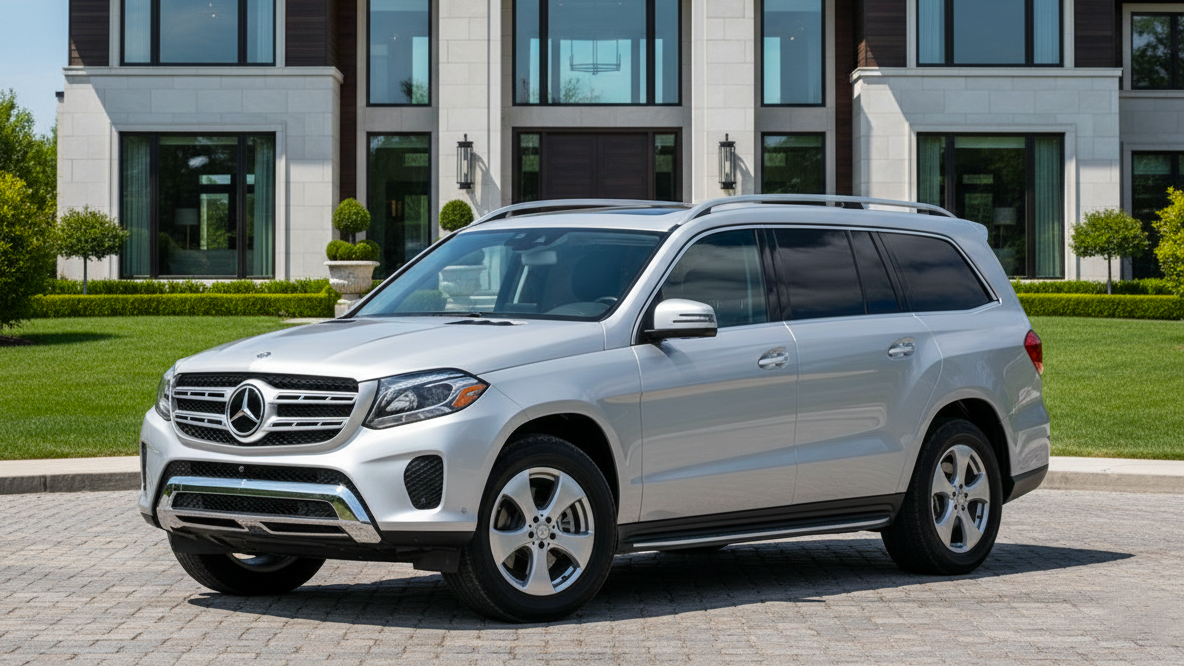
- Mercedes-Benz GLS is a family flagship, offering three rows of seats, advanced multimedia, and intelligent lighting.
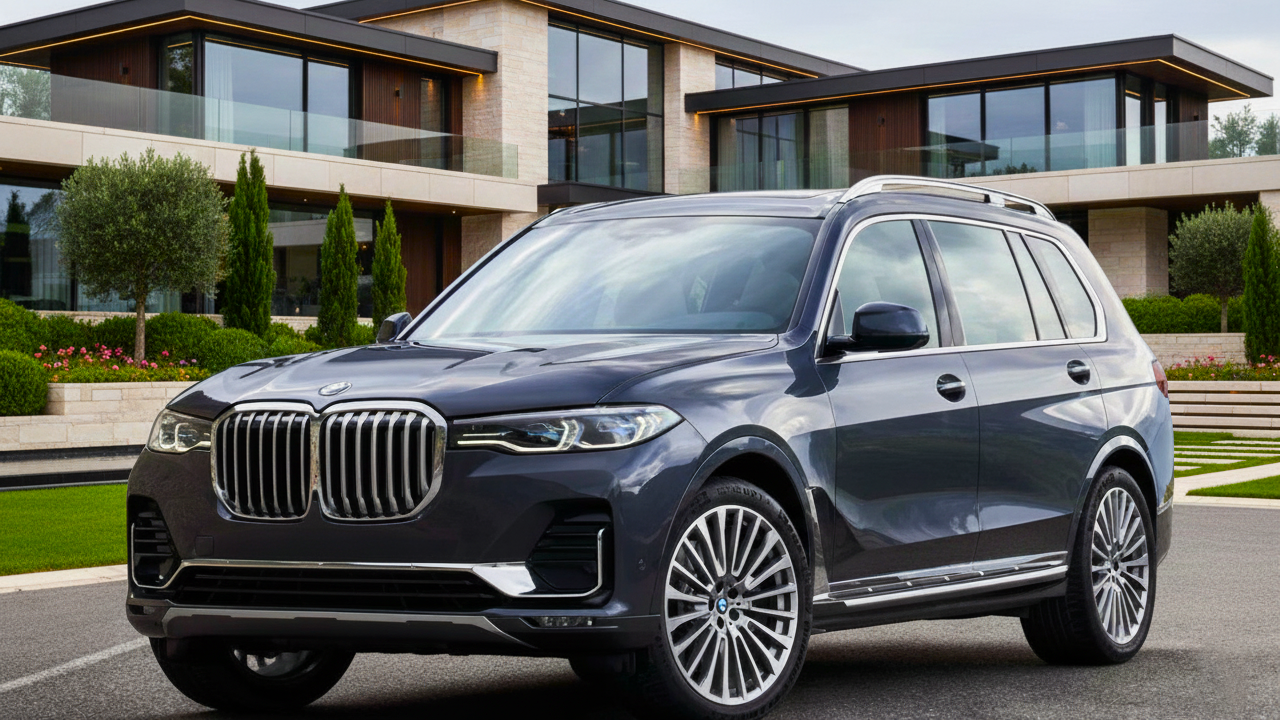
- BMW X7 emphasizes sporty character with high-end finishes.
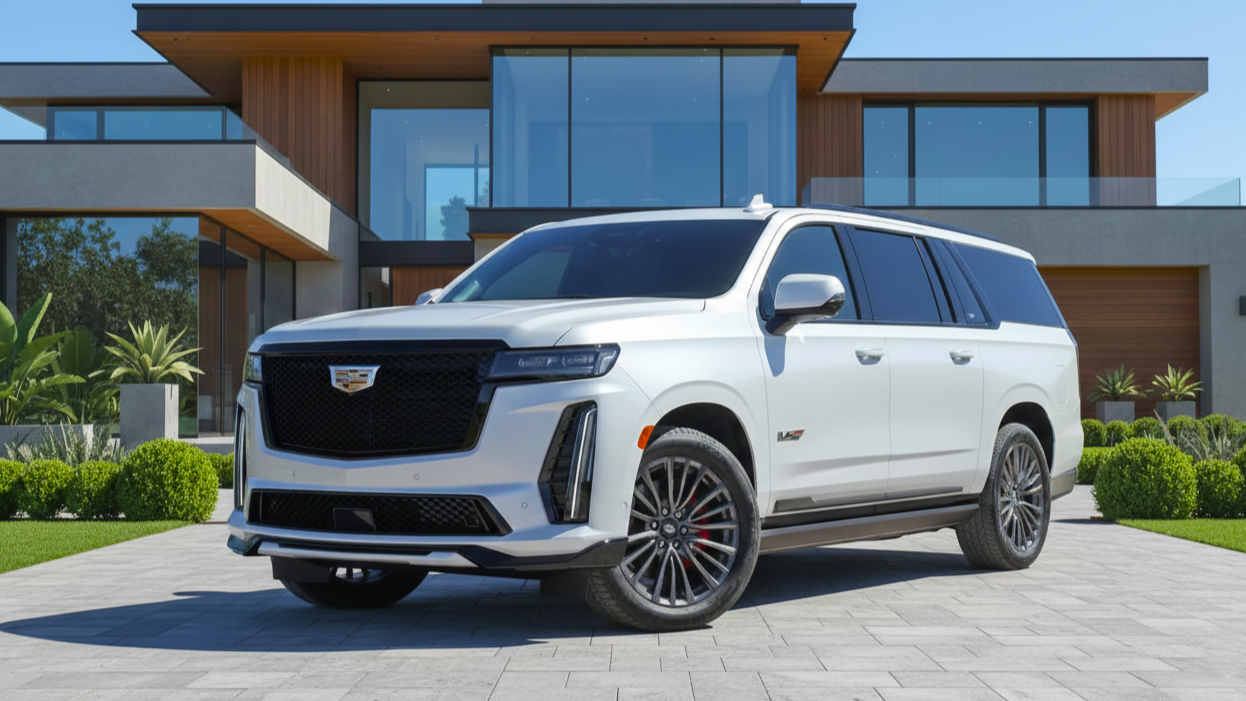
- Cadillac Escalade impresses with scale: a sweeping 38-inch OLED display and luxurious materials.
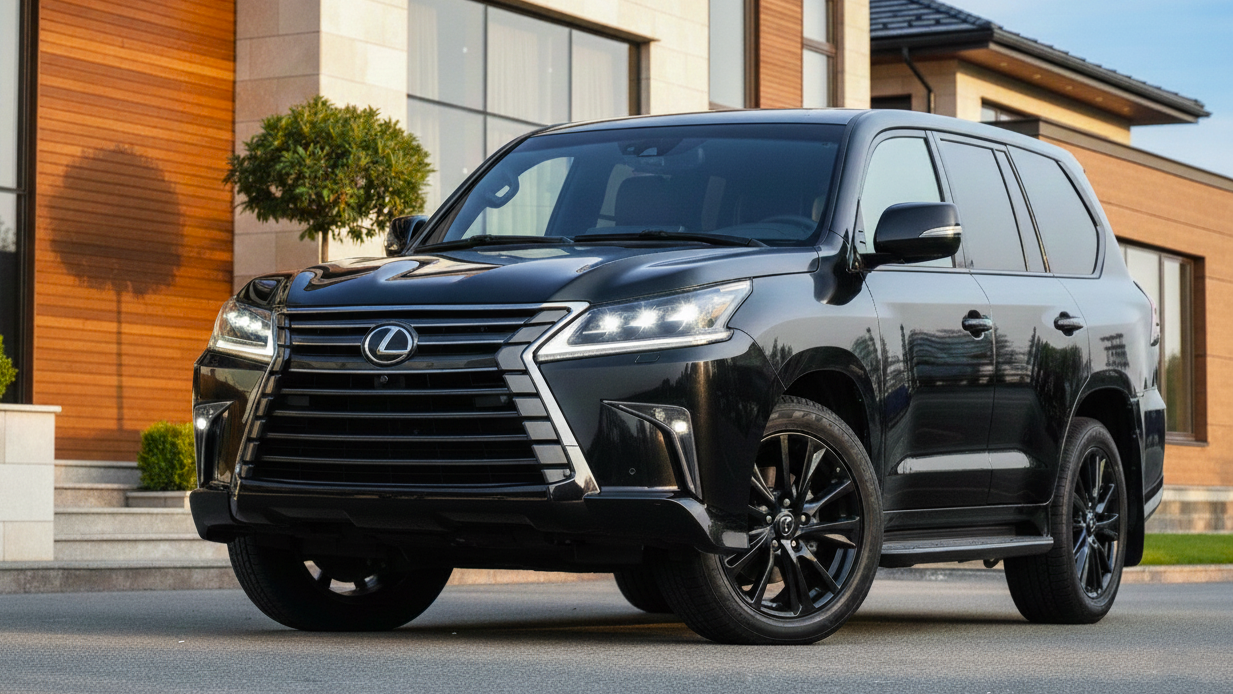
- Lexus LX delivers durability and Japanese attention to detail.
Sports Cars
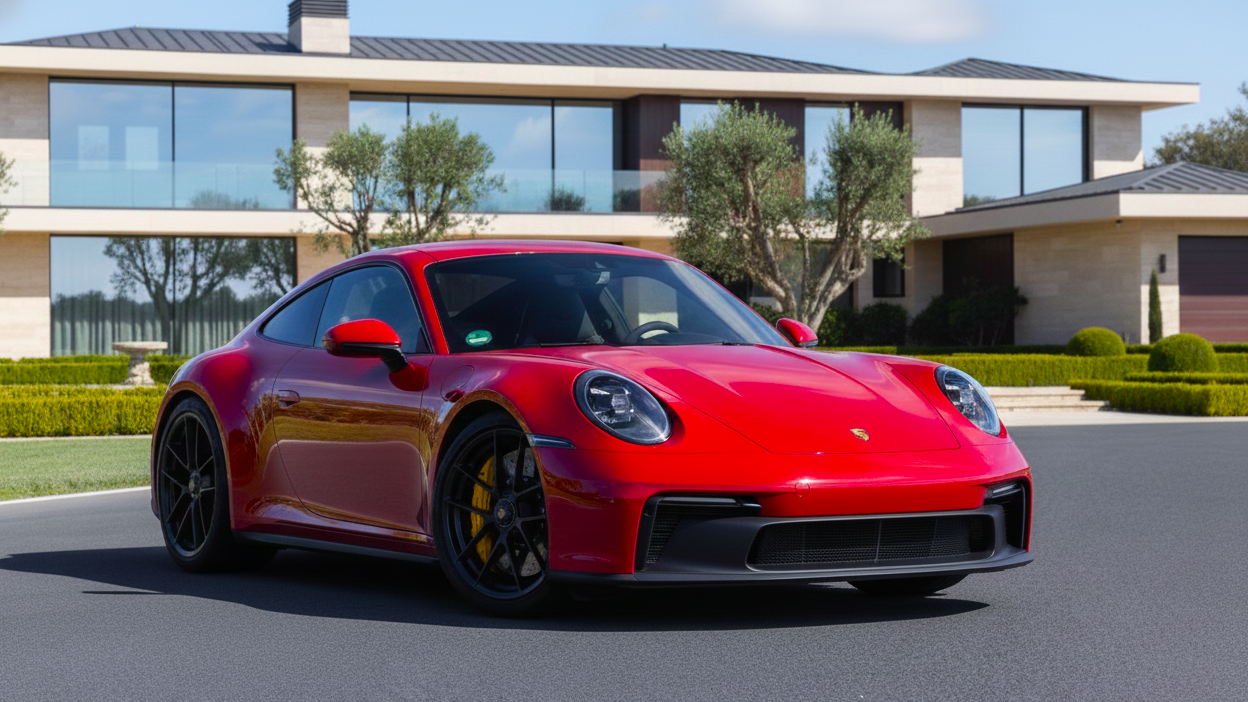
- Porsche 911 remains the gold standard for ergonomics – every control is within reach, instruments are clear, and the style is understated yet elegant.
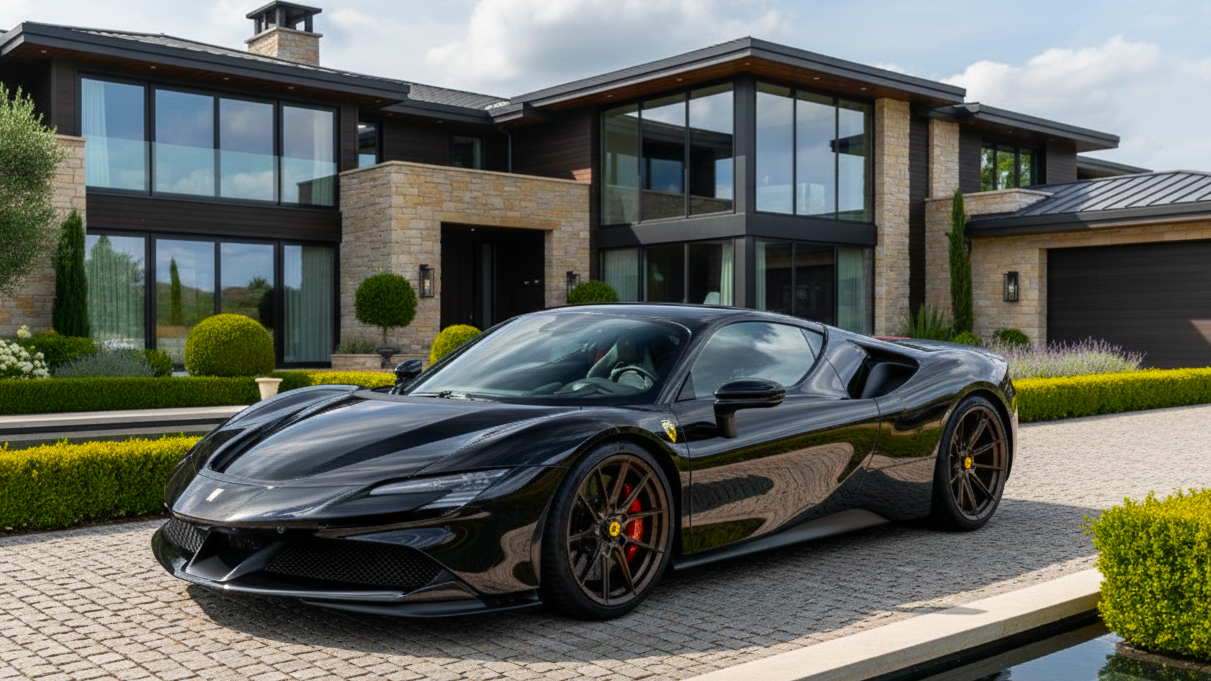
- Ferrari SF90 turns the cabin into a cockpit: sharp forms, futuristic displays, and an unmistakably aggressive vibe.
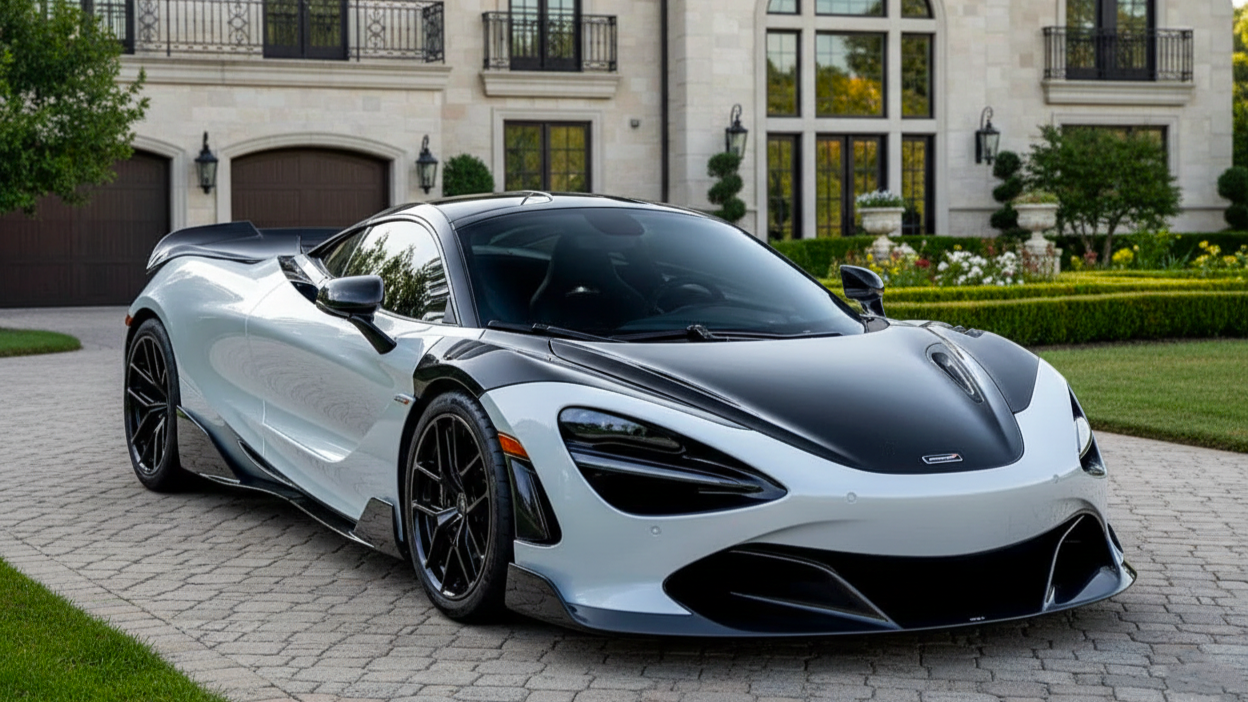
- McLaren 720S takes minimalism to extremes, stripping away distraction to focus purely on the driver.
- Aston Martin DBS retains a classic mix of leather, metal, and graceful lines.

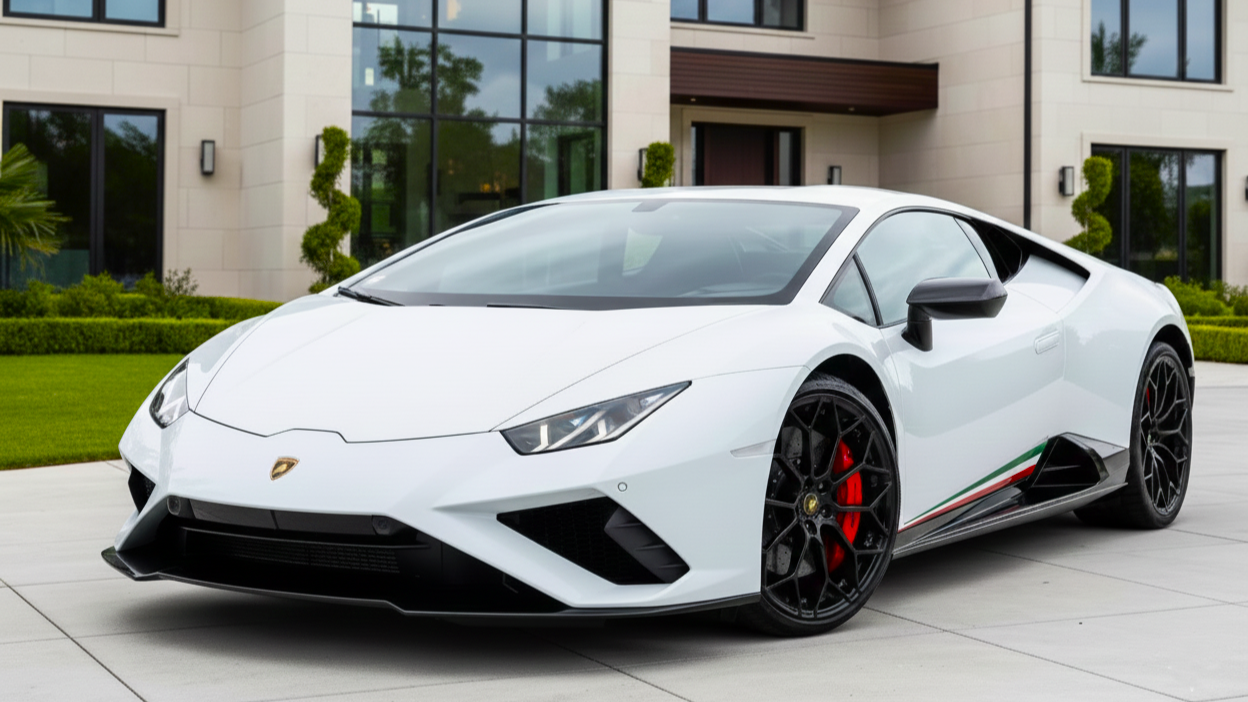
- Lamborghini Huracán goes dramatic with angular surfaces inspired by aviation.
Electric Vehicles
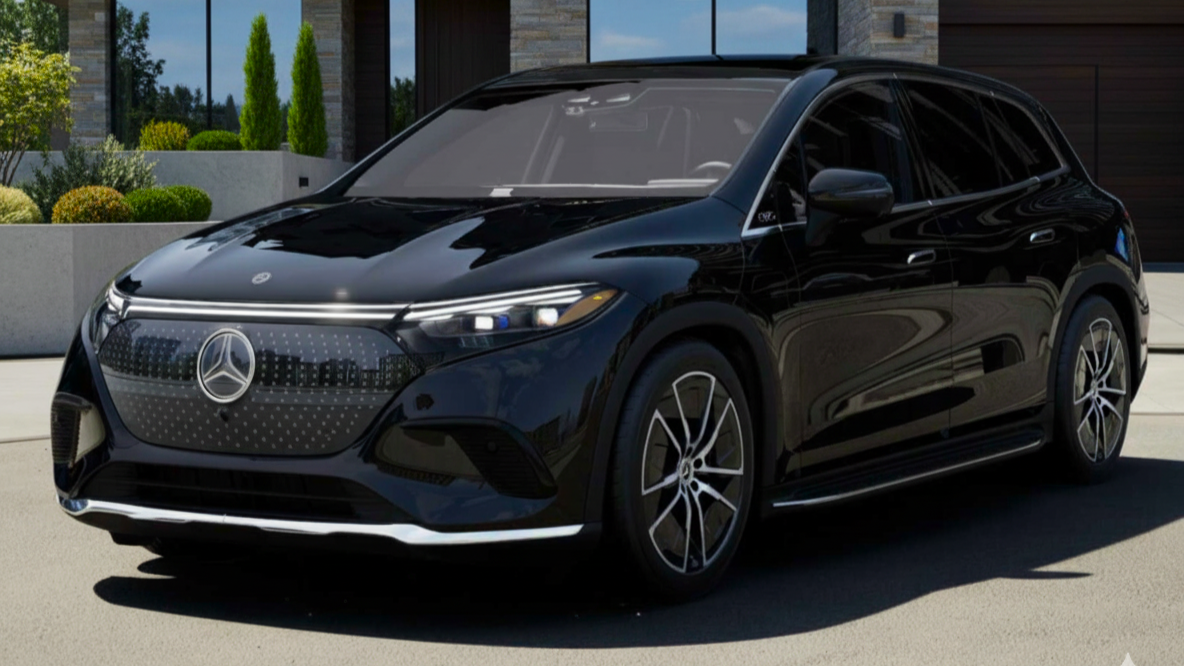
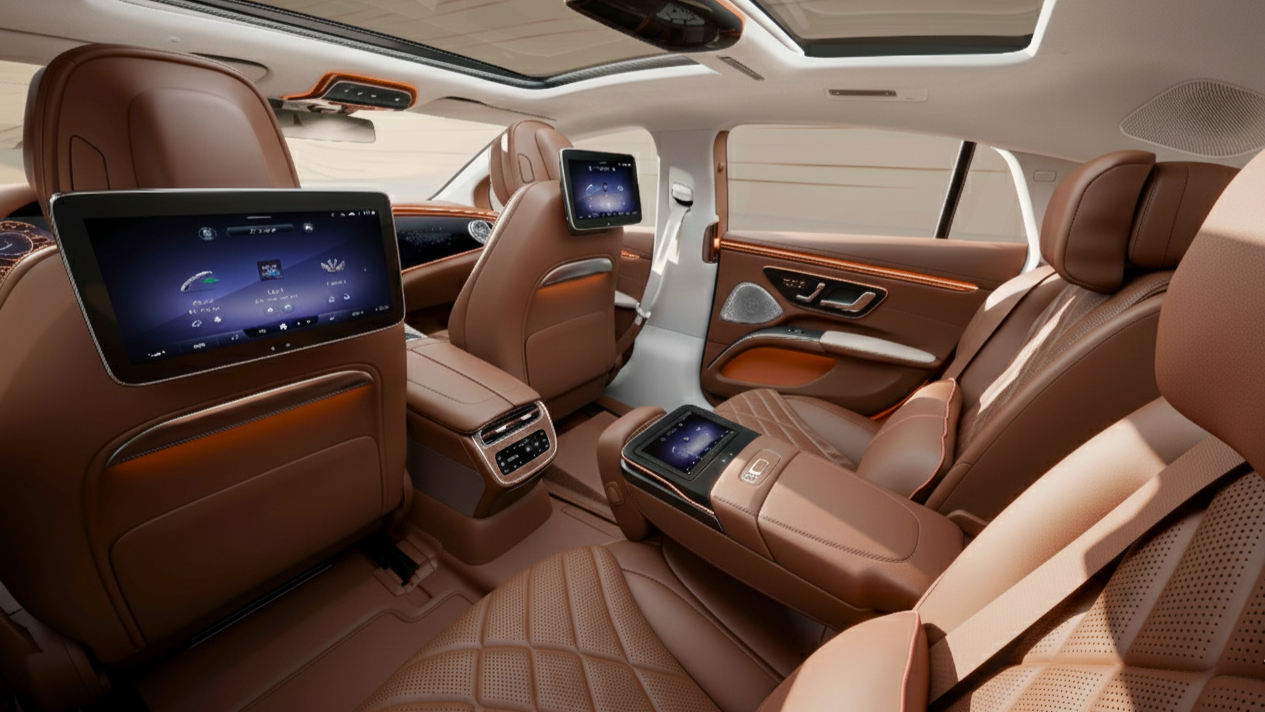
- Mercedes EQS is defined by its Hyperscreen, stretching across the entire dashboard.
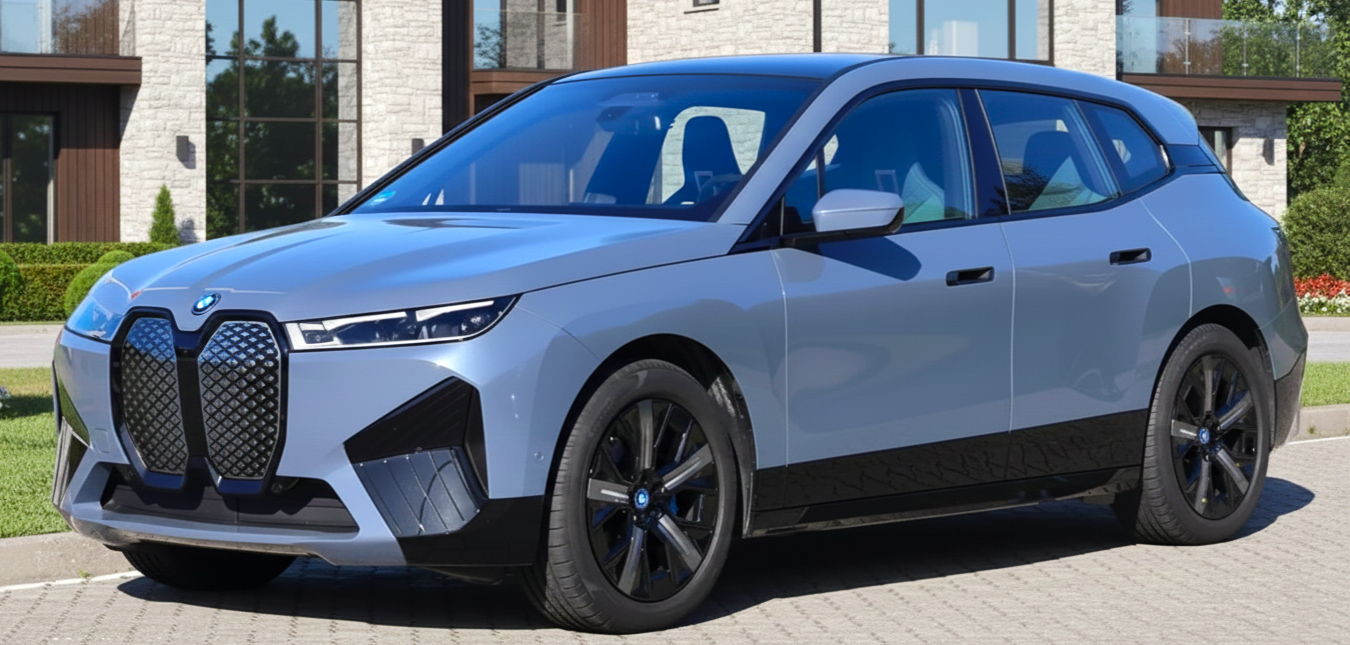
- BMW iX emphasizes sustainability, with recycled fabrics, leather alternatives, and natural wood.
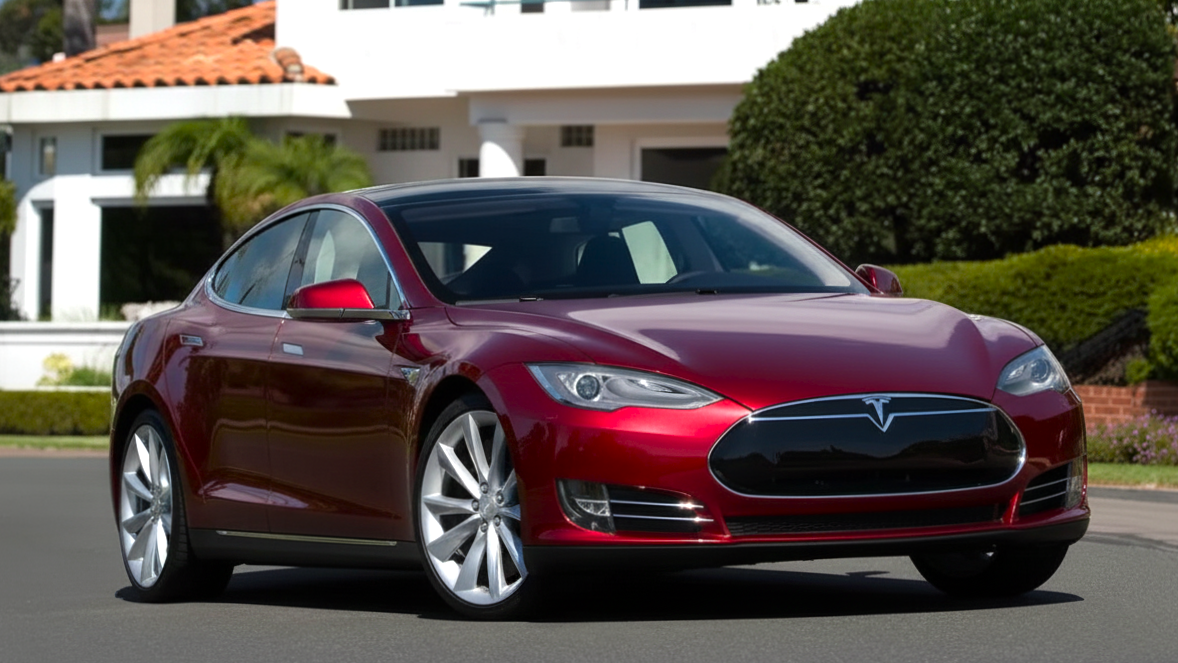
- Tesla Model S is famous for its minimalist approach – almost all functions controlled via a central touchscreen.
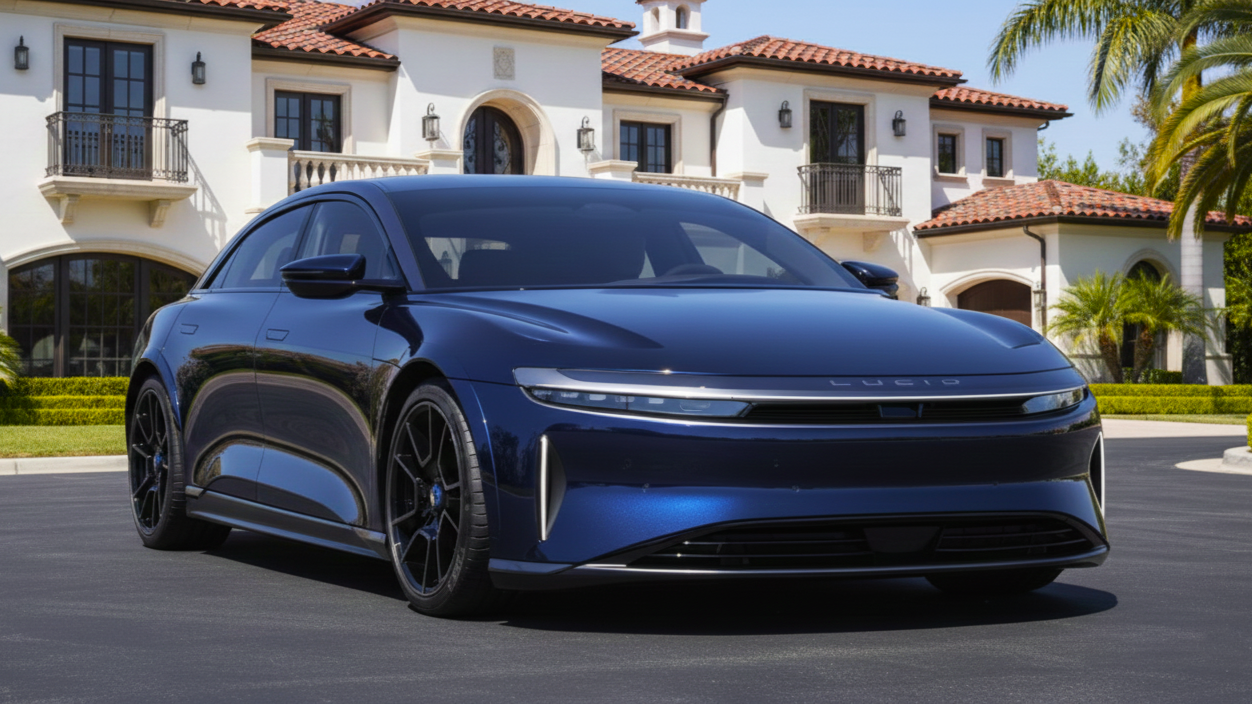
- Lucid Air combines space, panoramic glass, and premium finishes.
- Audi e-tron GT delivers a sporty layout paired with quality materials.
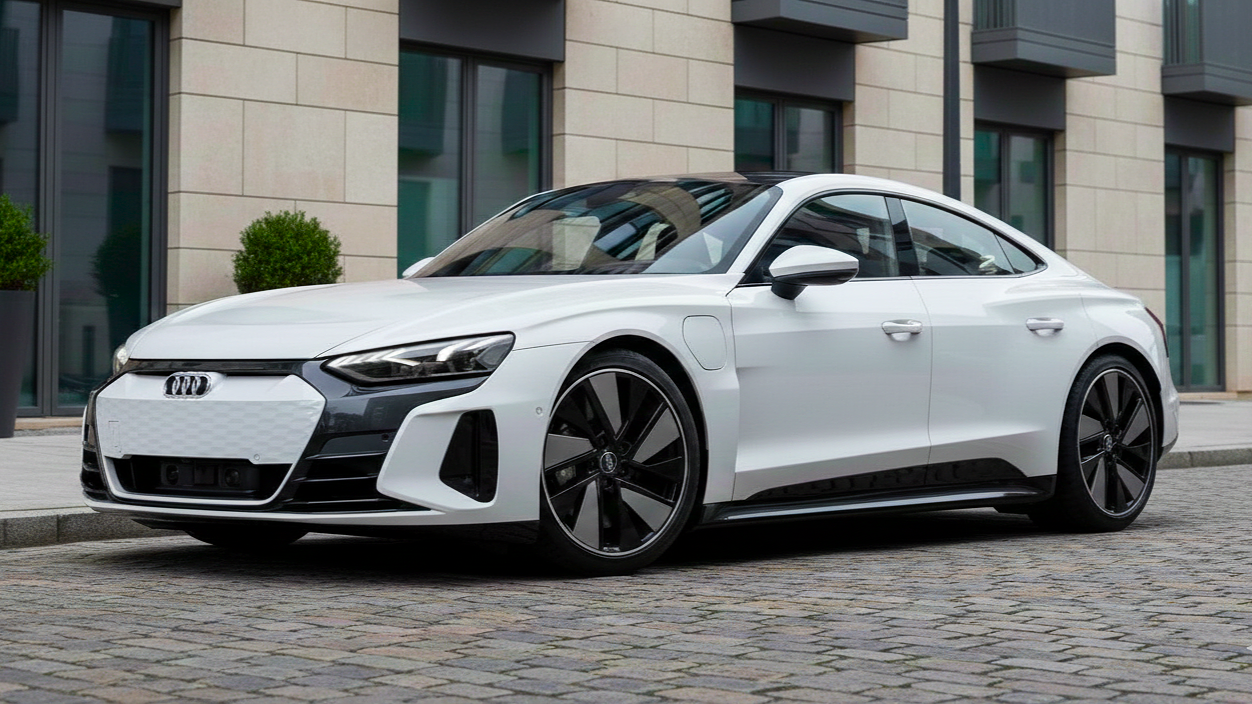
Taken together, these models exemplify cars with best interior, setting benchmarks for the entire industry.
Materials and Technologies in Automotive Interiors
Premium Materials
Modern interiors rely on luxurious yet durable solutions. Leather remains the hallmark of prestige, with varieties ranging from ultra-soft Nappa to more rugged types for sports cars. Wood trim is valued for its natural warmth, while aluminum and carbon fiber add strength and contemporary appeal. Alcantara has become a favorite for its light weight, tactile feel, and resilience.
Innovative Technologies
- Adaptive seats. Massage, heating, ventilation, and memory settings are now standard in premium cars.
- Infotainment. Large touchscreens with Apple CarPlay and Android Auto integration.
- Ambient lighting. Dozens of customizable color schemes to set the mood.
- Charging solutions. Wireless pads and multiple USB ports in every row.
- Panoramic roofs. They create an airy feel, and electrochromic glass allows control over light penetration.
Trends in Interior Car Design
Current Directions
Minimalism is in vogue. Automakers are eliminating physical buttons in favor of touch interfaces. At the same time, sustainability is gaining ground: recycled fabrics and eco-friendly leathers are entering even the luxury segment. Personalization is also rising – from customizable lighting to bespoke stitching.
Future Technologies
The next frontier is integration. Expect augmented reality in head-up displays, advanced voice control, biometric sensors for access and personalization, and eventually cabins that transform into lounges when autonomous driving becomes mainstream. All of this reflects the evolution of interior car design, which is becoming smarter, greener, and more flexible.
Balancing Price and Quality
Accessible Premium
- Genesis G90 offers luxury comparable to German flagships at a lower price point.
- Volvo XC90 brings Scandinavian minimalism, safety, and eco-friendly interiors.
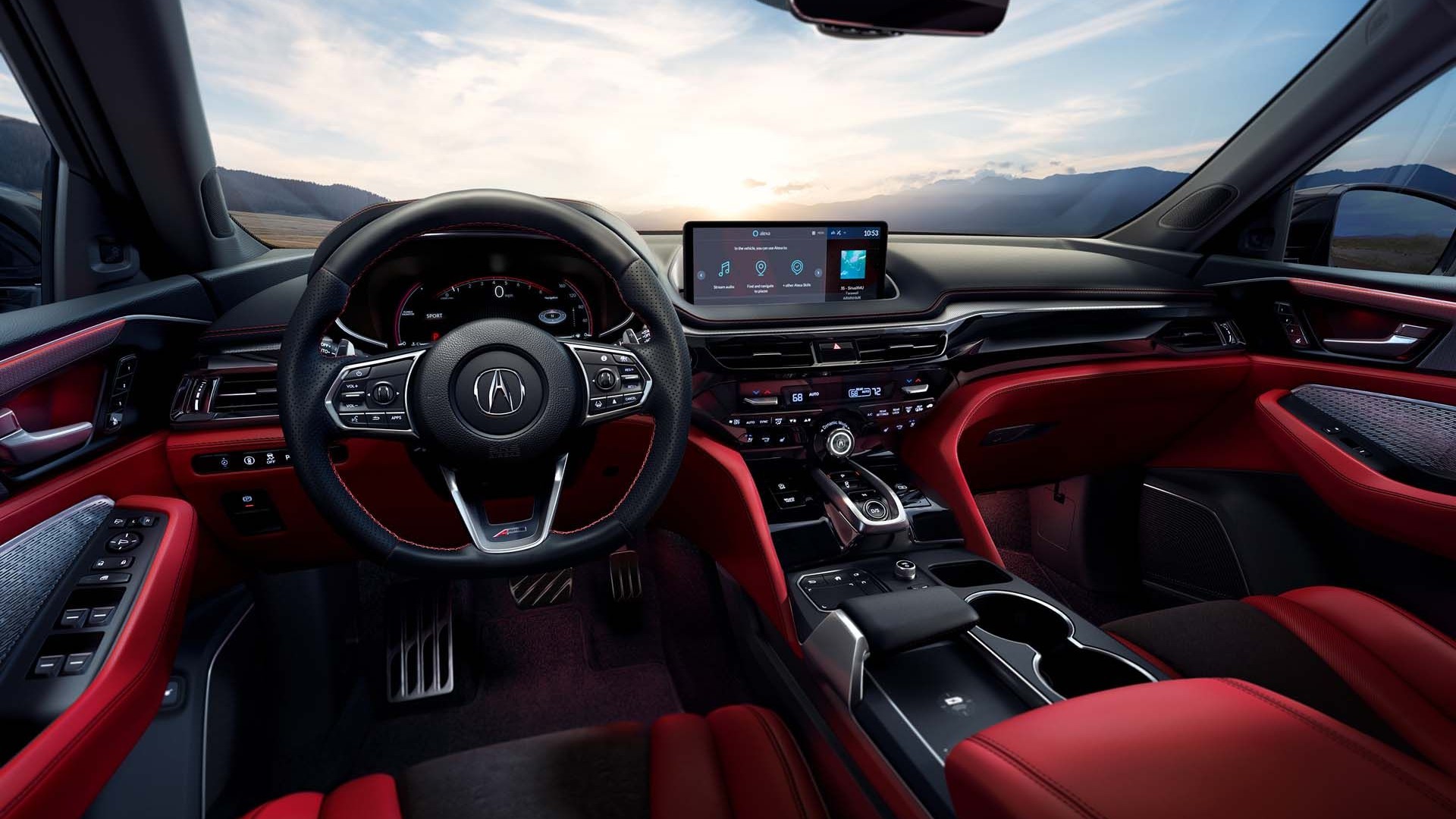
- Acura MDX combines Japanese quality with American space.
- Lincoln Navigator delivers American-style luxury at a more attainable price.
Mid-Range Options
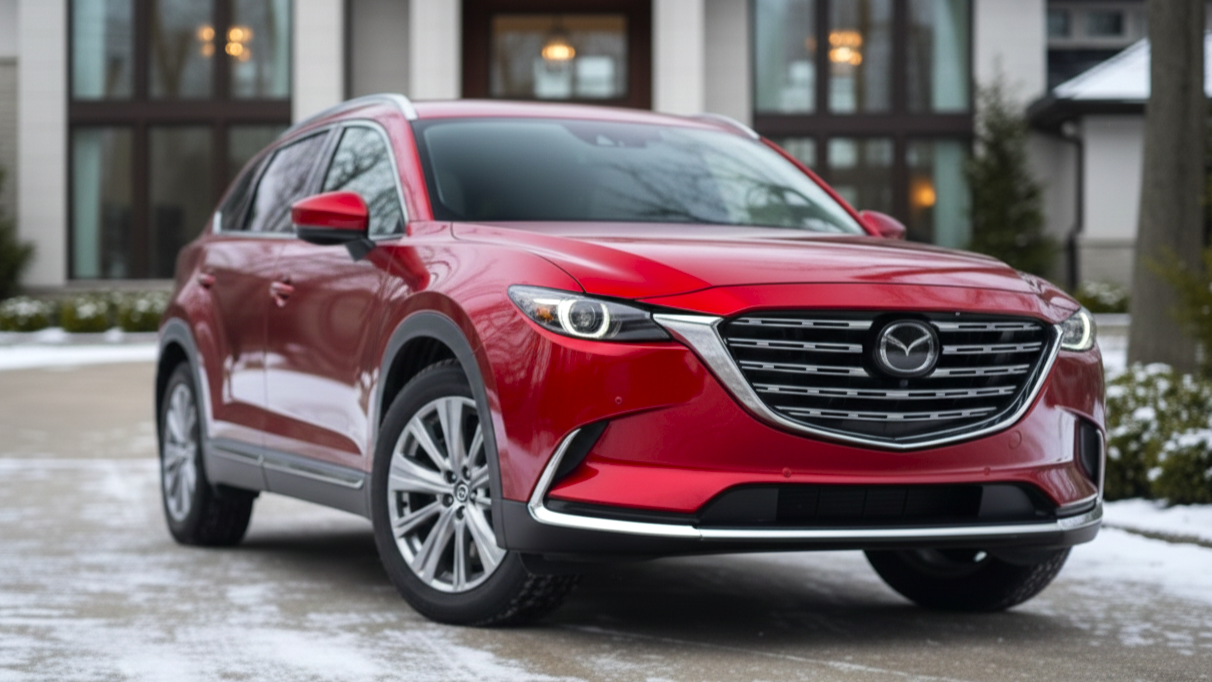
- Mazda CX-9 surprises with its aesthetic attention to detail.
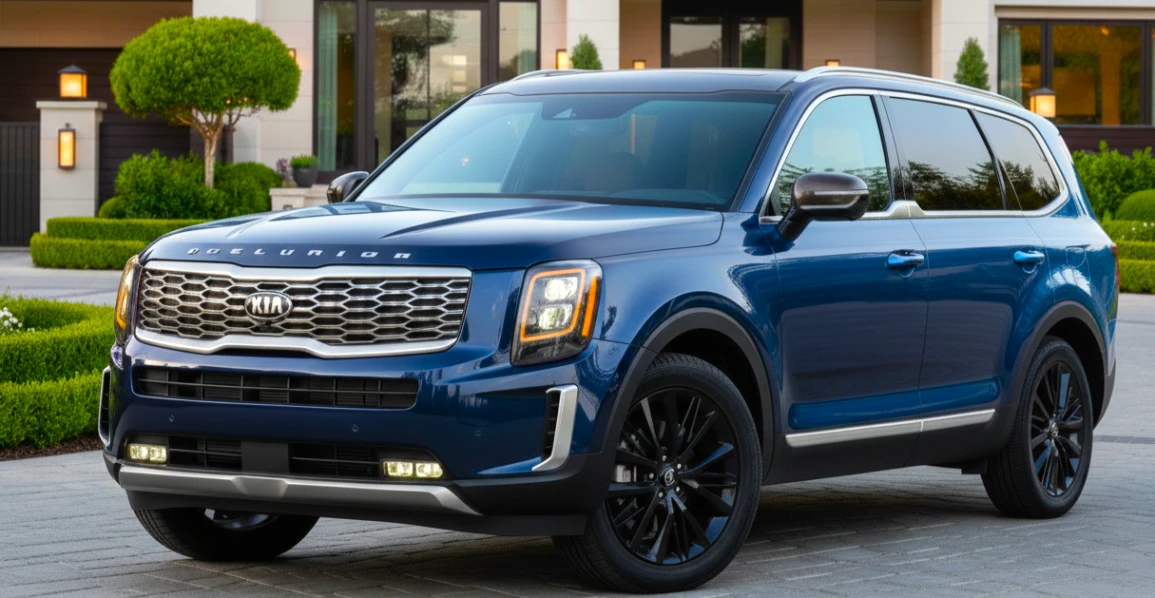
- Kia Telluride delivers unexpectedly high-quality interiors for a mainstream brand.
- Subaru Ascent prioritizes functionality and roominess.
- Honda Pilot balances versatility and reliability.
These examples show that even a best interior SUV doesn’t always mean top-tier luxury – some affordable models offer genuinely impressive cabins.
Practical Tips for Choosing a Car With the Best Interior
Before heading to a dealership, it’s worth going through a checklist — this will save you time and effort and help avoid an impulsive purchase.
1. Prepare in advance
- Study the model and trims: Understand which options are available in each version, which ones you really need, and which are just “nice-to-have.”
- Read owner reviews and expert articles: They reveal common issues and potential pitfalls.
- Set a budget: Include the car price, insurance, maintenance, and possible additional equipment.
2. Always take a test drive
- A test drive cannot be replaced by a video review — only personal experience behind the wheel will show how comfortable the car is.
- Test the car at different speeds, during maneuvers, on uneven roads, and while changing lanes.
- Evaluate cabin noise, throttle and brake responsiveness, and transmission performance (automatic: smoothness of shifts).
3. Assess seating and ergonomics
- Sit in the driver’s seat and adjust it along with the steering wheel: is it easy to find a comfortable position?
- Check visibility — mirrors, blind spots, and the view through the windshield.
- Are all controls within easy reach, or do you have to stretch?
4. Inspect the interior carefully (before and after the test drive)
- Check seat stitching: even lines, no tension or loose threads.
- Examine panel plastics: no squeaks, gaps, or rough joins.
- Inspect panel fit and gaps — they should be even and precise.
- Look at leather or fabric: uniform color, pleasant texture, and no defects.
5. Test the seats in detail
- Sit for 10–15 minutes: seat comfort is often revealed over time.
- Evaluate lateral support: do the seats hold you in corners or do you slide?
- Check additional features: heating, ventilation, height adjustments, lumbar support, and memory settings.
6. Compare trims and actual options
- Basic and top trims often differ not only in the number of features but also in materials and sound insulation.
- Compare the standard list of options — sometimes the feature you want is only available in a package you don’t need overall.
- Clarify which options come in packages and their separate cost.
7. Consider your lifestyle
- For families: safety, ISOFIX mounts, spacious rear seats, large trunk, and practical storage.
- For business professionals: comfort, sound insulation, high-quality materials, and connectivity options (Wi-Fi, wireless charging).
- For active lifestyle enthusiasts: bike or sports equipment mounts, off-road capability, a roomy trunk, and underbody protection.
8. Additional practical tips
- Ask the dealer about the demo car’s trim — sometimes display vehicles have extra packages installed.
- Inspect the demo car for signs of use: stains, wear, or damage.
- Clarify warranty terms, service conditions, and spare part availability.
- If you plan to install aftermarket equipment, check compatibility and potential impact on the warranty.
Conclusion
A car’s interior is far more than seats and dashboards – it defines the atmosphere, sets the comfort level, and reflects the brand’s vision. The best car interior combines premium materials, ergonomic design, and advanced technology.
Today every segment offers unique solutions: luxury sedans bring unmatched refinement, premium SUVs focus on space and versatility, sports cars emphasize the driving experience, and EVs highlight minimalism and innovation. Future trends lean toward personalization, eco-friendly materials, and deep digital integration.
The question of what car has the best interior remains open – it depends on budget, needs, and taste. But one thing is certain: a well-crafted cabin can turn every journey into an experience, making the car both a personal sanctuary and an expression of its owner’s style.

