



Complete Guide to Car Ownership Costs in Cyprus for Residents and Expats

Buying a car in Cyprus is more than just the showroom price. Many newcomers underestimate the regular payments that can significantly affect their budget. This guide helps residents and expats calculate full car ownership costs in advance and avoid unpleasant surprises.
Purchasing a car as the initial expense
New car prices in Cyprus can be higher than in other EU countries due to logistics and the relatively small market size. The used car market is active but requires careful technical inspection. Importing a vehicle from abroad may seem attractive, but it is important to factor in shipping costs, customs procedures, and compliance with Cypriot regulations.
One-time purchase-related expenses usually include:
- dealer or agent service fees,
- mandatory technical inspection before registration,
- bank transfer and transaction fees.
Vehicle registration and initial fees
Registering a new or imported car with the Department of Road Transport is mandatory. In addition to a fixed registration fee, the owner must pay an environmental charge. This fee is calculated based on the vehicle’s carbon dioxide (CO₂) emissions – the lower the emissions, the lower the tax. Additional costs include license plate production and issuance of the registration certificate.
Taxes and mandatory annual payments
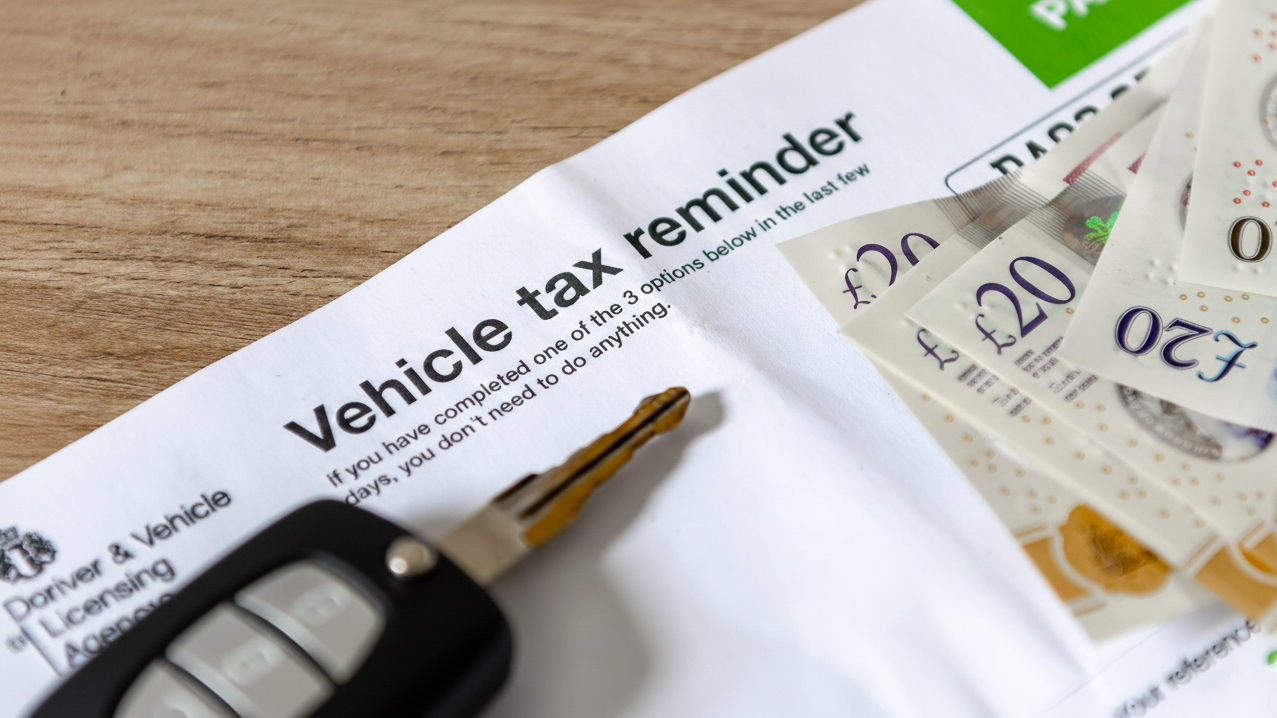
Road tax is an annual payment required from all car owners in Cyprus. The amount depends mainly on fuel type and engine size for petrol vehicles, or engine power in kilowatts for diesel vehicles. For cars registered after 2017, the tax is calculated based on CO₂ emissions. Payment is due by November 30 each year. Late payment results in fines and penalties and may cause issues with vehicle renewal or resale.
The amount varies widely. For example, a small petrol car with an engine under 1,000 cc may cost less than €100 per year, while a large SUV with an engine over 3,000 cc can exceed €500–700 annually. Up-to-date tax tables are available on the official Department of Road Transport website. This payment is separate from insurance and represents a direct obligation to the state for using public roads.
Car insurance in Cyprus
The law requires mandatory Third Party Liability insurance, which covers damage caused to others. Many owners also choose comprehensive coverage (full insurance), which protects against accidents, fire, natural disasters, and theft.
Insurance cost depends on the driver’s age and experience, the car model, driving history, and deductible amount. Annual premiums for a new mid-range car typically range from €500 to €1,200.
Fuel and car running costs
The most frequent expenses are related to car running costs. The main component here is fuel cost. Petrol and diesel prices in Cyprus fluctuate and are among the higher levels in the EU. Fuel savings depend on driving habits and vehicle choice. Regular operating expenses also include:
- scheduled servicing and replacement of consumables,
- seasonal tire changes or storage,
- car washing,
- parking fees in resort cities such as Limassol or Paphos.
A detailed calculation of all expenses – from initial purchase to annual road tax and variable fuel cost – provides a clear financial picture. A thoughtful approach to planning car ownership costs not only helps control your budget but also allows you to choose the most suitable vehicle for life in Cyprus.
Maintenance and repairs
Regular servicing is the foundation of safety and long vehicle life. Scheduled maintenance according to the manufacturer’s guidelines typically includes engine oil replacement, filter changes (air, oil, cabin), and system diagnostics. For a mid-size car, this service usually starts from around €150. Common consumables that require periodic replacement include brake pads and discs, the battery, and windshield wiper blades.
Repair work and spare parts in Cyprus are relatively expensive. Original components cost more and may take time to be delivered. High-quality aftermarket alternatives are often used to reduce expenses. New cars frequently come with service packages that lower costs during the first years, while used vehicles require closer monitoring and a reserve budget for unexpected repairs.
Mandatory inspections (MOT)
An MOT certificate is required for all vehicles older than four years. The inspection is carried out at authorized testing centers and checks the condition of brakes, steering, lights, emissions levels, and overall roadworthiness.
- Cost: the standard inspection fee is about €35.
- Frequency: after the first inspection, cars under 10 years old are tested every two years. Vehicles over 10 years old require annual inspections.
- Additional costs: if the car fails, the owner must fix the issues and pay for a re-test. Driving without a valid MOT is illegal and results in fines.
The MOT is a key procedure that ensures both safety and legal compliance. Timely inspections help identify problems early and avoid heavier penalties from traffic authorities.
Additional car running costs
Cyprus’s climate puts extra stress on certain vehicle components.
- Tires. High summer road temperatures accelerate tread wear. In these conditions, summer tires usually last around 3–4 seasons. Many drivers also use winter or all-season tires for mountain trips, which adds the cost of an extra set and seasonal changes.
- Battery. Heat shortens battery life. On average, a car battery in Cyprus lasts about 2–3 years. Replacement including labor typically costs €100–200 depending on the model.
- Seasonal expenses. These may include more frequent interior cleaning due to dust, sunshades for cabin protection, and regular car washing to remove salt after coastal drives.
Operating a car in Cyprus requires budgeting not only for standard maintenance but also for faster natural wear of certain parts. Tire and battery replacement should be included in long-term planning.
Parking and road charges

In major cities – especially Limassol and Nicosia – parking is a significant part of car running costs.
- Paid parking. Mobile apps and parking meters are common in city centers, usually charging by the hour.
- Fines. Violations such as parking in disabled zones, on yellow lines, or blocking traffic can result in fines from €30 to €100.
- Toll roads. The main toll routes include the A1 Nicosia–Limassol highway and the A6 Limassol–Paphos road. Payments are made online or through automated toll points. While convenient, regular intercity travel adds to overall expenses.
Depreciation and resale value
A car is an asset that loses value from the moment it is purchased – a process known as depreciation. In Cyprus, as elsewhere, a new vehicle may lose 15–25% of its value in the first year and up to 50% within three years. Reliable and popular models with economical engines, as well as SUVs in steady demand, tend to depreciate more slowly. Japanese and Korean brands often retain strong resale value.
Key factors that directly affect resale price include:
- Mileage. Lower mileage increases value.
- Technical condition and service history. Full maintenance records from authorized dealers significantly boost buyer confidence.
- Exterior and interior condition. Clean bodywork, a well-kept cabin, and no major damage matter greatly.
Depreciation is an unavoidable part of car ownership costs, but its impact can be reduced by choosing a reliable model and maintaining the vehicle carefully throughout ownership.
Hidden and often underestimated expenses

Beyond predictable payments, car owners often face unexpected costs that can seriously impact their budget. These expenses are frequently overlooked during initial planning of car ownership costs.
Common hidden or sudden expenses include:
- Fines. Traffic violations, illegal parking, expired MOT, or lapsed insurance can lead to penalties ranging from tens to hundreds of euros.
- Unexpected repairs. Failures of components not covered by routine servicing (such as air conditioning systems or fuel pumps) may require significant spending.
- Rising insurance premiums. After the first comprehensive insurance claim, the following year’s premium often increases noticeably.
- Imported vehicle issues. Cars brought from abroad may require costly modifications (for example, headlight adjustments) and harder-to-find spare parts, increasing maintenance expenses.
Ignoring these possibilities often leads to financial strain. Experts recommend setting aside an annual contingency fund equal to 5–10% of the car’s value to cover unforeseen situations.
How to reduce car ownership costs in Cyprus

Managing car running costs and lowering overall car ownership costs is achievable with a smart, structured approach. Cost-saving strategies should begin with vehicle selection and continue throughout daily use and eventual resale.
Following a few key principles can significantly reduce yearly expenses:
- Choose the right model carefully. Cars with lower CO₂ emissions reduce road tax and environmental fees. Fuel-efficient engines directly lower fuel cost.
- Compare insurance policies every year. Request quotes from multiple insurers before renewing. A higher deductible often lowers annual premiums.
- Stick to scheduled maintenance. Regular servicing prevents major breakdowns, preserves resale value, and maintains warranty coverage.
- Sell at the right time. Consider selling before age or mileage leads to expensive repairs, or when insurance and repair costs start exceeding the car’s market value.
These habits require discipline, but the reward is a predictable budget and fewer financial surprises. Owners who actively manage expenses and monitor the insurance market consistently stay in a stronger financial position.
Conclusion
Owning a car in Cyprus involves long-term financial commitments. Focusing only on the purchase price often results in real car ownership costs being far higher than expected. These costs include unavoidable annual payments such as road tax and insurance, variable expenses like fuel cost and maintenance, and frequently overlooked hidden charges.
Carefully calculating all expense categories in advance helps create a realistic budget, avoid unpleasant surprises, and choose a vehicle that is affordable not only to buy but also to maintain long term. The key advice for future owners is to research the market thoroughly, understand official fees and taxes, and always keep a financial buffer for unexpected vehicle-related expenses on the island.

