



Complete Car Maintenance Checklist: Essential Tips to Keep Your Vehicle Running Smoothly
A car is an asset that can serve you faithfully for many years, or it can turn into a bottomless money pit. The difference between these two scenarios lies in one word: maintenance. Neglecting regular care is a direct path to sudden breakdowns on the highway, expensive repairs, and, most alarmingly, a reduction in safety.
Statistics are relentless: the majority of all malfunctions could have been prevented by replacing a penny-worth part in time or topping up the necessary fluid. Yes, prevention is always cheaper than the cure. And this principle works 100% of the time with automobiles.
Right now, we won’t burden you with complex terminology, but will simply give you a clear and understandable action plan: from five-minute daily checks to full seasonal service. You will receive professional car maintenance advice that will help you better understand your machine and save on its upkeep. Read to the end and carefully. After all, our article is a useful guide and a complete car maintenance checklist that you should save and use as a helpful memo.
Basic Knowledge: What Every Car Owner Must Understand
A modern car is a complex mechanism, but understanding its basics is not that difficult. It consists of several interconnected systems: the powertrain (engine + transmission), chassis (suspension, brakes, wheels), body, and electronics. The normal operation of each system depends on the state of the others.
It is important to understand that a car has consumables — components that wear out and require regular replacement. These include oils, filters, brake pads, and spark plugs. Skimping on them means skimping on the resource of the entire vehicle.
And remember that your car knows how to "speak" about problems. Unusual sounds, vibrations, jerks when driving, or warning lights lighting up on the dashboard are alarm signals that cannot be ignored!
Daily Checks: 5 Minutes That Will Extend Car Life
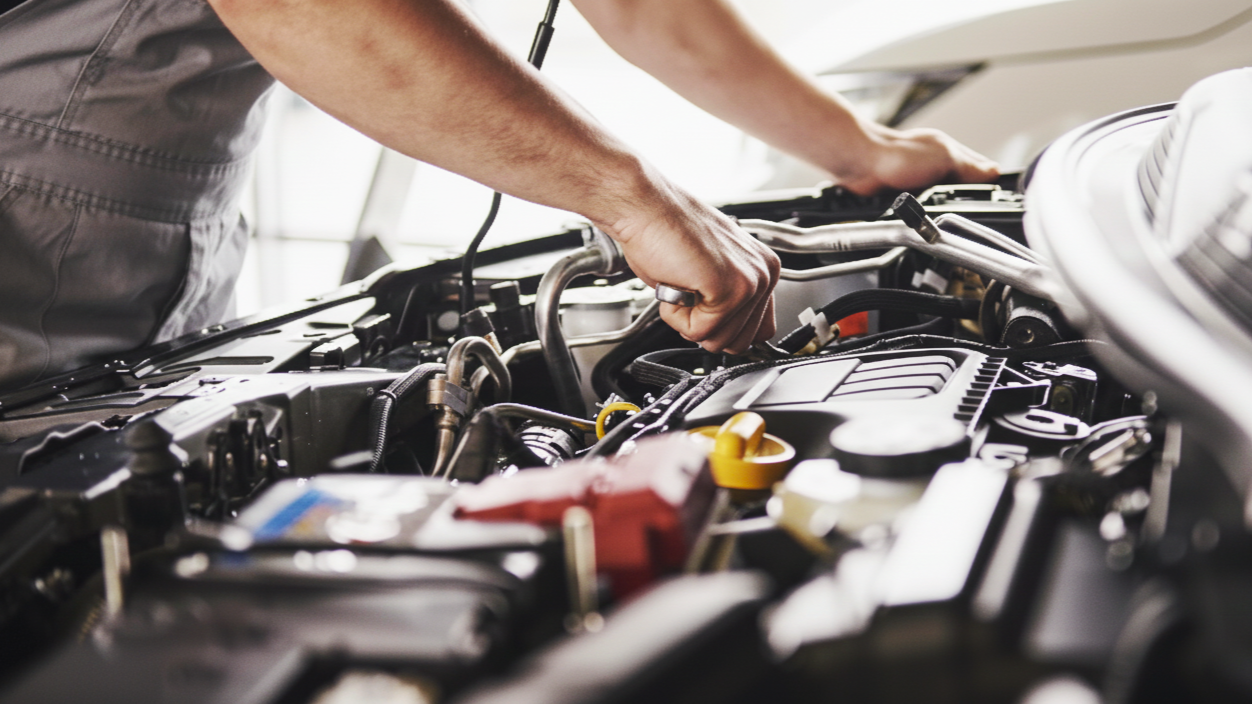
Make these simple actions your morning habit:
- Visual Inspection. Walk around the car. Make sure the tires are not flat, there are no puddles of automotive fluids under the car, and all windows and mirrors are clean.
- Lighting. Before driving, turn on the parking lights and press the brake. By the reflection on the wall or the car parked in front, ensure the brake lights are working.
- Dashboard. After starting the engine, all control lamps should go out. If any continue to burn (Check Engine, oil pressure, ABS), this is a reason to contact a service center.
Weekly Maintenance: Diving Deeper
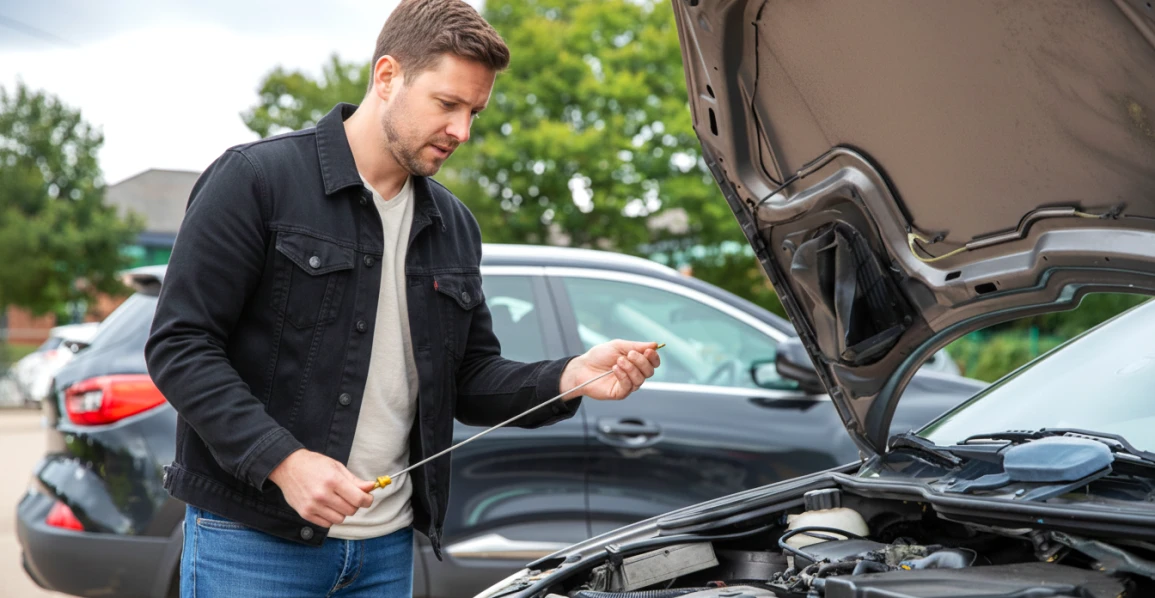
Once a week or before a long trip, give the car a little more attention. Open the hood. Check the engine oil level on a cold engine using the dipstick. The level should be between the MIN and MAX marks. Check the coolant level in the expansion tank – it should also be within the normal range. Assess the level of brake fluid and power steering fluid (if equipped). Make sure there is enough fluid in the washer reservoir. This is basic car maintenance that is accessible to everyone.
Attention to the Body and Chassis. While the hood is open, don't forget about an external inspection. Briefly inspect the tires not only for pressure but also for the presence of hernias (bulges), cuts, or self-tapping screws stuck in the tread. Pay attention to the paintwork: bird droppings or tree sap need to be washed off immediately, otherwise, a burnt spot will remain on the clear coat within a week. Also, listen to the suspension when driving over the first speed bumps — squeaks or dull thuds will hint at the need for a visit to a lift.
Monthly Diagnostics: Prevention of Serious Problems
Once a month, it is worth conducting a deeper check. Check the pressure in all tires using a pressure gauge. The correct pressure is indicated on a sticker in the driver's door jamb. Inspect the tread for uneven wear — this may indicate problems with the suspension or wheel alignment. Check the condition of the battery terminals — they should be clean, without oxidation.
Checking Major Systems:
- Engine and Transmission: start the car and open the hood. The engine should run smoothly, without clatter or extraneous whistling from drive belts. Look under the undercarriage — is the transmission oil pan dry? Oil sweating (mist) is the first harbinger of depressurization.
- Air Conditioner: even in winter, turn on the air conditioner for 10–15 minutes once a month. This circulates oil through the system, lubricates the compressor, and prevents the rubber seals from drying out, through which Freon can escape.
- Electronics: check the operation of all power windows (they should not stick), the central locking system, and the heating of mirrors/windows. Oxidized contacts often lead to the failure of these systems at the most inopportune moment.
Seasonal Maintenance: Preparing for Weather Changes
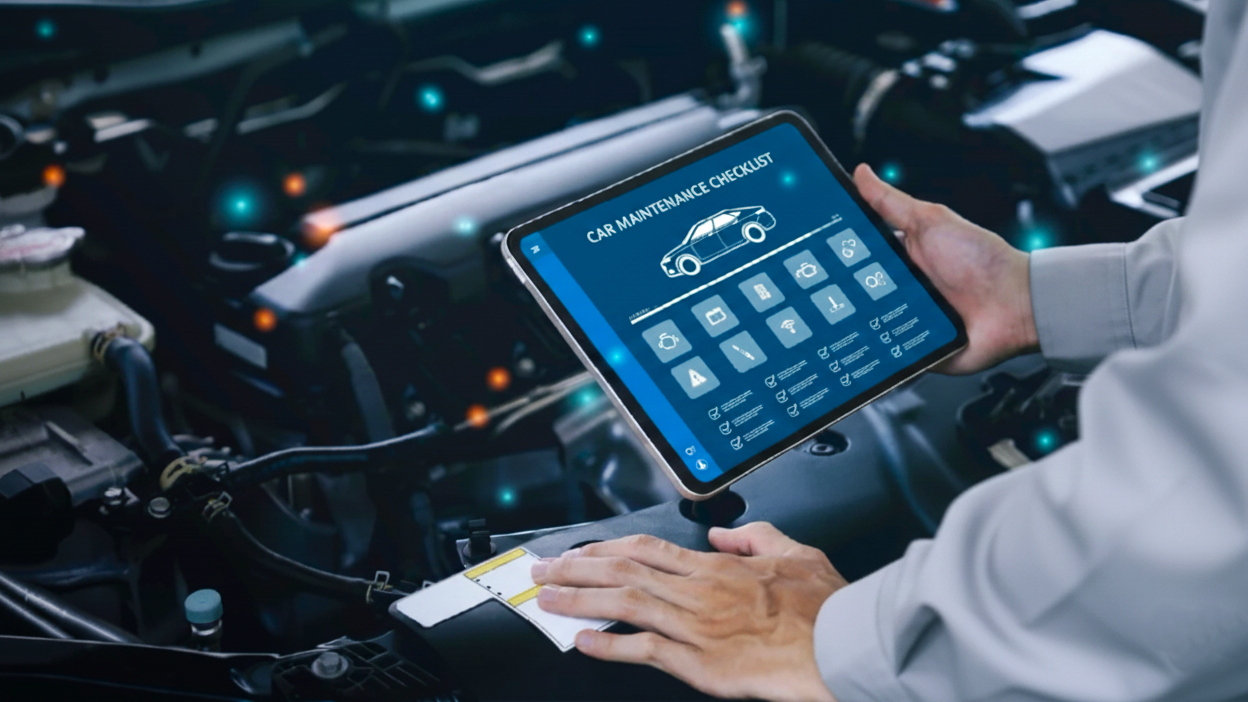
A car, like any complex mechanism, is sensitive to environmental changes. Hot summers and cold winters place completely different demands on its systems. Timely seasonal preparation is a core element of preventive car maintenance, helping to avoid unpleasant surprises, whether it’s an engine not starting in the frost or an air conditioner failing in the heat. Such care ensures stable and safe operation of the machine in any weather conditions.
Winter Preparation
With the onset of cold weather, the focus shifts to systems most vulnerable to low temperatures.
- The first and main step is switching to winter tires, which should be done when the average daily temperature drops below +7°C (45°F).
- At the same time, you need to replace the washer fluid with a non-freezing one and check the antifreeze density to avoid damaging the cooling system.
- Pay special attention to the battery: cold significantly reduces its capacity, so checking the charge and the condition of the terminals is mandatory.
- Finally, treating the body with special wax will create a protective barrier against aggressive road reagents (salt).
Spring Revision
After harsh winter conditions, the car requires restoration and preparation for the warm season.
- Spring maintenance begins with returning to summer tires. This process must be accompanied by checking and adjusting the wheel alignment (toe and camber), which could have been knocked off during the winter due to potholes.
- The next important step is a thorough washing of the underbody and body to completely remove salt residues and reagents that provoke corrosion.
- And, of course, before the onset of heat, it is necessary to diagnose and, if necessary, refill the air conditioning system.
Summer Mode: Fighting Overheating
Heat is the main test for the engine.
- Cooling System. Before summer, strictly wash the radiators (engine and air conditioner). Fluff, dirt, and insects create a "fur coat" that disrupts heat exchange and leads to overheating in traffic jams.
- Brakes. At high temperatures, old brake fluid can boil, which will lead to pedal failure (brake fade). If the fluid is more than 2 years old, change it before the vacation season.
Autumn Preparation: Visibility and Protection
Autumn means rain, mud, and early twilight.
- Wipers and Lights. Replace wiper blades if they leave streaks. Polish cloudy headlights — this will improve road illumination by 20–30%.
- Drainage. Clean the drainage holes under the windshield (in the cowl area) from fallen leaves. If they get clogged, water during downpours can go into the cabin, flooding the electronic control units under the dashboard.
- Weatherstripping. Lubricate all rubber door seals with silicone grease so that they do not freeze shut during the first night frosts.
When to Change Main Components
Component | Gasoline Engine | Diesel Engine |
Engine Oil | Typically every 10,000–15,000 km (follow manual/OLS indicator) | Typically every 7,500–10,000 km (follow manual/OLS indicator) |
Timing Belt/Chain | Every 60,000–120,000 km (per regulation) | Every 80,000–160,000 km (per regulation) |
Brake Fluid | Every 2-3 years | Every 2-3 years |
Spark Plugs | Every 30,000–100,000 km | – |
Antifreeze | Every 3–5 years | Every 3–5 years |
Important: Ignoring the timing belt replacement schedule can lead to fatal engine damage, the repair of which is comparable to the cost of a used car. This is a vivid example of how important a car maintenance checklist is.
Warranty Maintenance: Myths and Reality
For owners of new cars, maintenance is inextricably linked to the warranty.
- Compliance with Regulations. Skipping scheduled maintenance or exceeding the mileage interval by more than 500–1000 km can become a formal reason for refusing warranty repairs on the engine or transmission.
- Right of Choice. The law does not oblige you to buy parts (oil, filters) exclusively from the dealer at inflated prices. You have the right to arrive with your own original consumables — the dealer is obliged to install them, making a note in the service book.
- What is a Warranty? Remember that scheduled maintenance is a paid service for replacing consumables, while warranty repair (elimination of factory defects) is always free. If at a scheduled maintenance appointment you are offered to pay extra for "caliper prophylaxis" or "injector flushing," these are additional services that you can refuse.
DIY VS Professional Service: What You Can Do Yourself
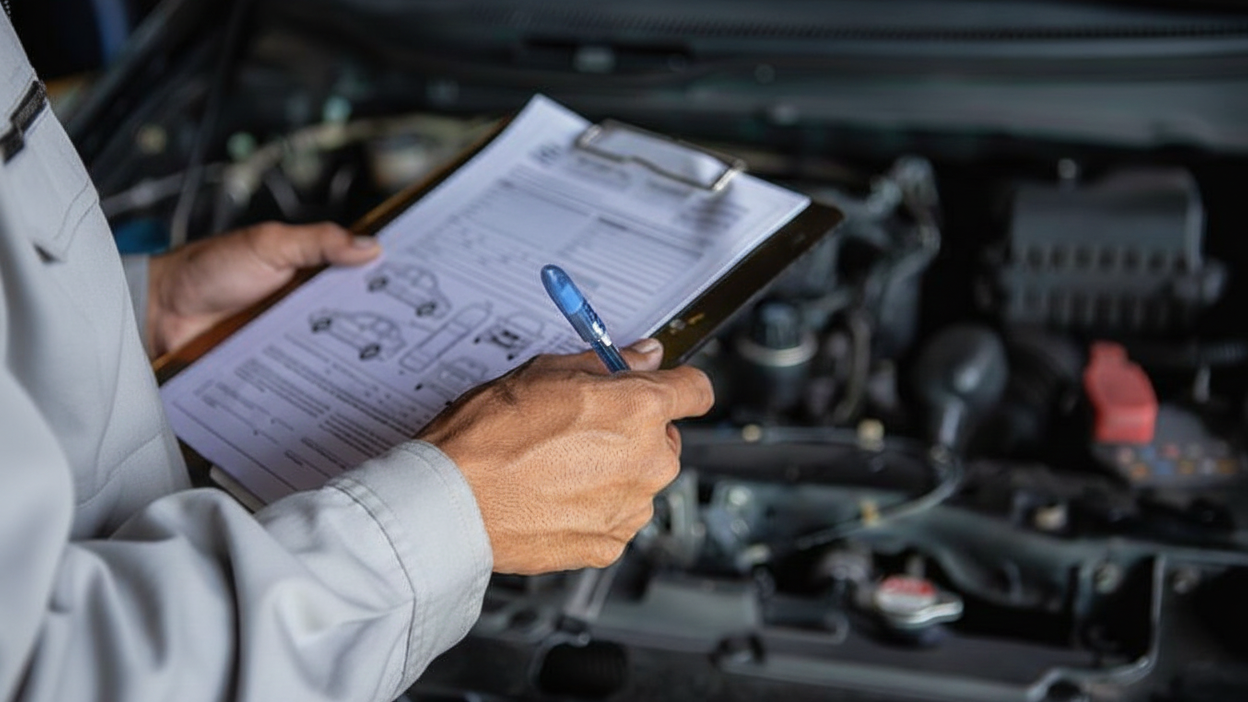
Despite the fact that a modern passenger car is a complex system, some operations are within the power of even a beginner. DIY car maintenance can save you money and give you a better understanding of your machine.
Can Do Yourself (DIY):
- Replacing air and cabin filters.
- Replacing wiper blades.
- Topping up technical fluids.
- Replacing burnt-out light bulbs.
Better Entrust to Professionals:
- Changing oil in the engine and automatic transmission.
- Work with the brake system.
- Timing belt replacement.
- Any complex diagnostics and work with electronics.
Modern Technologies in Maintenance
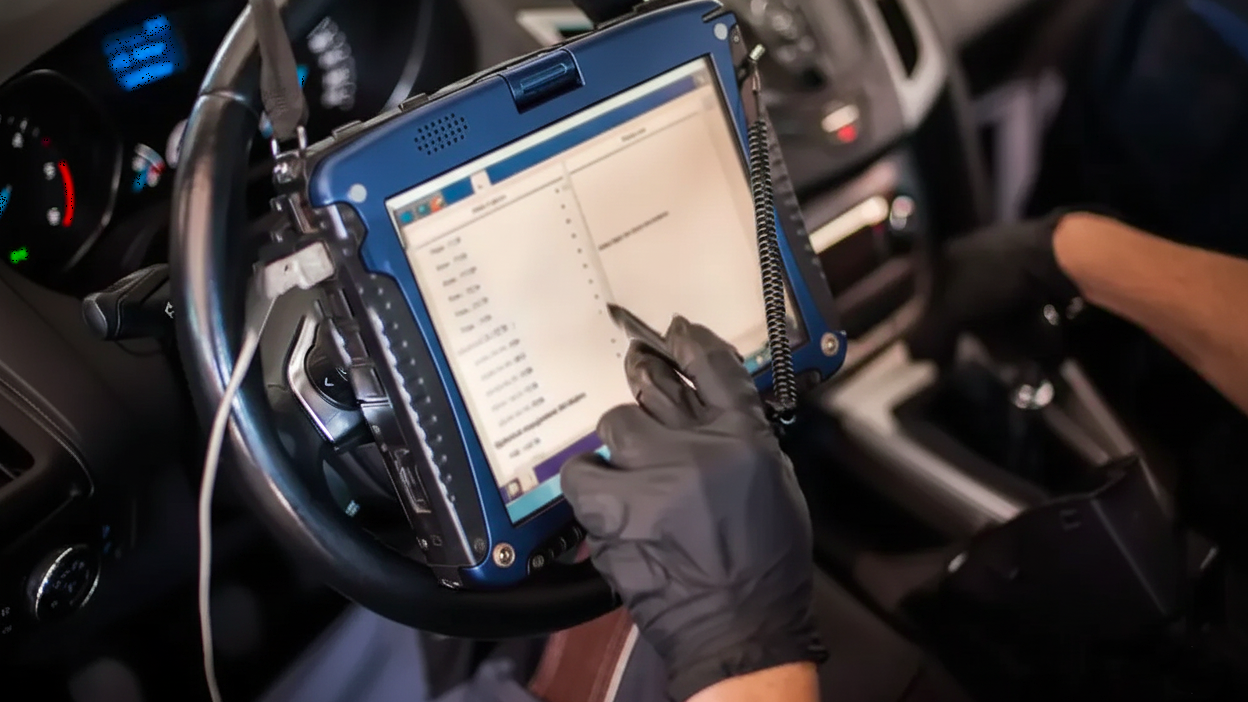
- Computer Diagnostics. A simple OBD-II scanner, which can be bought online, will allow you to independently read basic engine errors and understand how serious the problem is.
- Telematics. Many new cars are equipped with systems that monitor their condition themselves and can transmit fault data to the dealer or to your smartphone.
- Predictive Maintenance. This is a new level of car care where you change parts not based on failure and not just by mileage, but based on data analysis. For example, a drop test or laboratory analysis of used oil can show that in your driving mode, oil needs to be changed not every 15,000 km, but every 7,000 km. This allows you to prevent wear even before it becomes irreversible.
- Electric Vehicles. How to care for an electric car? They have no internal combustion engine (ICE), which means no oil changes, spark plugs, or belts. Maintenance boils down to replacing the cabin filter, brake fluid, and battery diagnostics.
Economic Nuances of Maintenance
Plan your maintenance budget in advance. Find out the cost of scheduled maintenance from the dealer and independent workshops. And when choosing spare parts, it is not always worth chasing the "Original" label. Quality analogs from well-known brands (Bosch, Brembo, Mann) often do not yield in quality but cost significantly less.
To ensure the car doesn't become a financial shock, use a simple formula:
- Maintenance: Budget the cost of two oil and filter changes per year.
- Insurance and Tax: Fixed annual expenses.
- Tires: Divide the cost of a set of tires by 3–4 years (their service life) — this is your annual wheel depreciation.
- Repair Fund: The most important rule is to set aside 10–15% of monthly fuel costs into a "repair fund." By the end of the year, you will have an amount sufficient for unscheduled suspension repairs or replacing brake discs.
Maintenance Specifics for Different Car Types
Car Type | Maintenance Features |
Diesel | More frequent and expensive maintenance, attention to the fuel system and DPF (Diesel Particulate Filter). |
AWD (All-Wheel Drive) | Requires periodic oil changes in the transfer case and differentials. |
Hybrid | Combines ICE and high-voltage system maintenance. Trust the diagnostics of the hybrid setup only to specialized professionals. |
Common Maintenance Mistakes
Below is a list of annoying mistakes. Knowing about them, you can avoid blunders and, as a result, not overpay later for forced expensive repairs that could have been avoided.
- Ignoring "Little Things". A small leak or extraneous knock can grow into a big and expensive problem over time.
- Saving on Consumables. Cheap oil or low-quality filters can kill the most reliable engine.
- Violating Maintenance Intervals. Especially critical during the warranty period — it can cause a refusal of repairs.
- Amateurism in Complex Units. An attempt to replace the timing belt yourself without proper skills and tools almost always ends in engine repair. This is not the case where car care advice from the internet replaces a mechanic's experience.
Conclusion
Preventive car maintenance is a system, as well as a culture of attitude toward your car, which is formed from daily habits and timely execution of regulated works. A systematic approach not only ensures your safety and comfort but also significantly extends the resource of the car, preserving its value.
The best car care recommendations are those that you apply regularly. Follow our checklist and car maintenance rules, listen to your machine, and it will answer you with years of trouble-free service!

