



10 Essential Things Every Driver Should Keep in Their Car
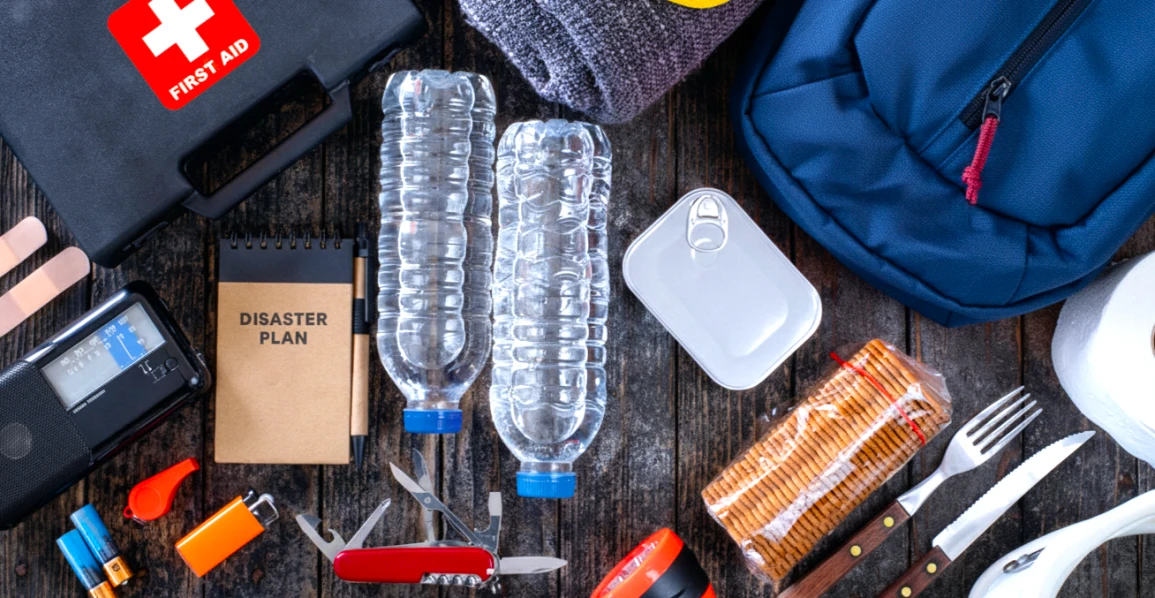
Picture this. You're on a remote country road, miles from the nearest town, and suddenly your car stalls. Or, you're stuck in a sweltering traffic jam, and a passenger starts to feel unwell. Or maybe you get a flat tire on a deserted road late at night. In moments like these, the difference between panic and a calm, capable response is determined by one thing – the contents of your trunk.
In essence, a car is a small, mobile home, an autonomous space that must be prepared for various situations. A well-chosen set of items transforms a vehicle from a simple mode of transport into a reliable fortress, ready for the unexpected. In this article, we will break down the car essentials that every responsible driver should have in their trunk.
The Core List. Ten Pillars of Your Confidence
Even the most experienced driver isn’t immune to surprises on the road. That’s why a smart motorist always prepares in advance. A set of strategically important items isn’t just extra weight in your trunk — it’s a well-thought-out safety system where every item has its purpose. All essentials can be divided into three key categories: legally required items, emergency assistance, and basic comfort.
First Aid Kit: Health Comes First
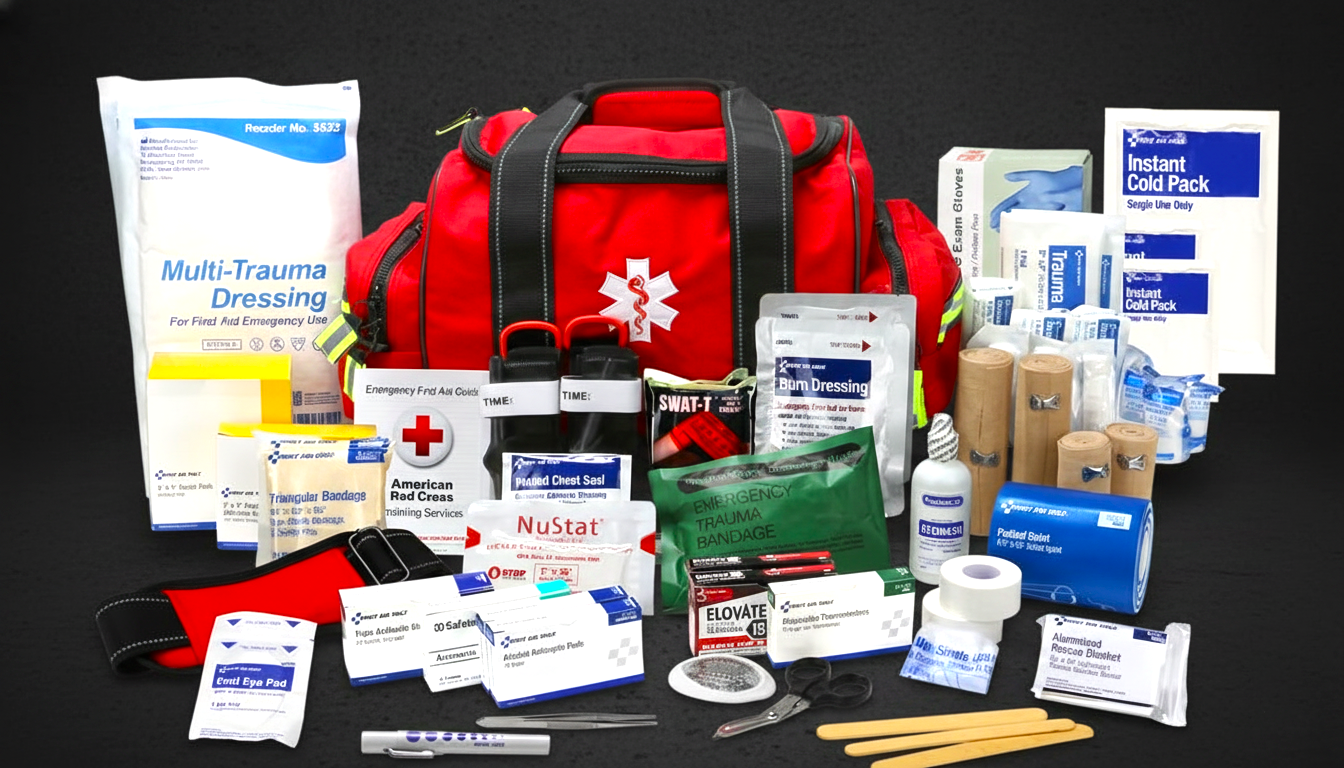
A first aid kit isn’t just something to show a traffic inspector — it’s your personal safety lifeline. The standard kit required by law covers only the bare minimum. In real situations, it’s rarely enough. To be truly prepared, you should expand it with additional supplies.
What a complete first aid kit should include:
- Pain relievers and fever reducers (based on paracetamol or ibuprofen) — help with sudden headaches, toothaches, or fevers, especially during long trips.
- Antihistamines — essential in case of allergic reactions, insect bites, or food sensitivity.
- Digestive aids (activated charcoal, anti-diarrhea medication) — useful when traveling long distances or trying unfamiliar food.
- Elastic bandage and instant cold pack — provide first aid for sprains, bruises, or minor injuries.
- High-quality antiseptic (such as chlorhexidine or miramistin) and a variety of adhesive bandages — for cuts, scrapes, and small wounds.
- Sterile wipes, gloves, and scissors — small but crucial tools for quick and safe wound treatment.
Tip: Check expiration dates every six months and replace expired medications. Outdated drugs can lose effectiveness — or worse, become harmful to your health.
Fire Extinguisher. Seconds That Save Lives
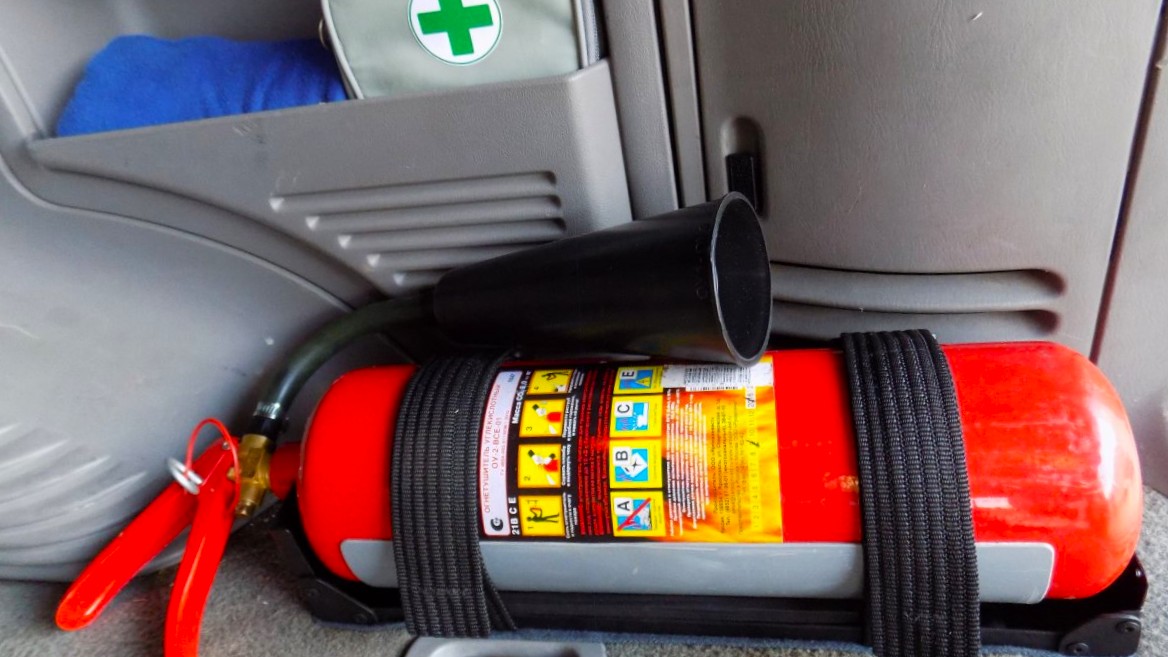
A vehicle fire can spread with terrifying speed. A short circuit or a fuel leak can lead to a full-blown fire in seconds. A functioning and accessible fire extinguisher is your only chance to save your car, and sometimes, your life.
How to Choose and Store It:
- Type. The best choice for a car is a dry powder (ABC) extinguisher with a capacity of at least 2 liters (or a 2.5 lb rating). It's versatile and can handle fires involving solid materials, liquids, and electrical wiring.
- Placement. Don't bury the extinguisher deep in your trunk under the spare tire. It should be securely mounted within the cabin – under the driver's or passenger's seat, or in a designated recess. In a critical situation, you won't have time to dig for it.
- Maintenance. Regularly check the pressure gauge (the needle should be in the green zone) and the expiration date on the cylinder.
Warning Triangle and Reflective Vest
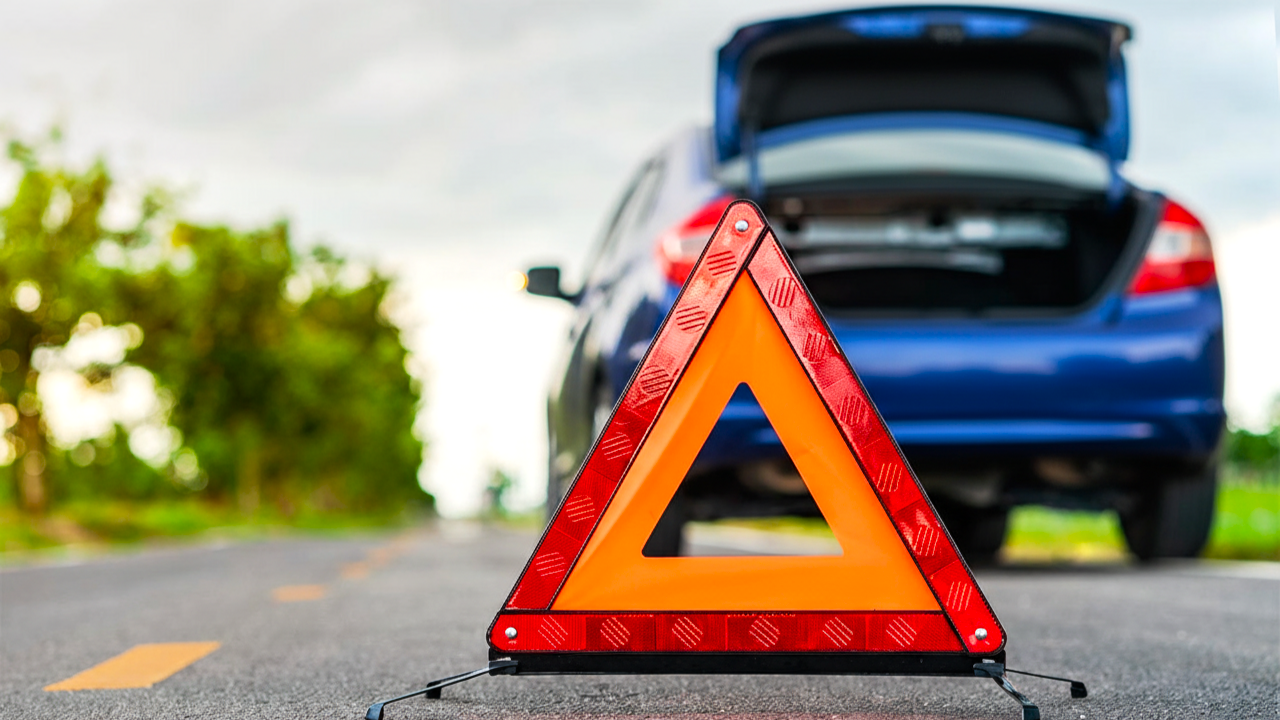
These emergency items to keep in car are your defense against secondary accidents. A forced stop on the roadway, especially at night or in bad weather, can make your vehicle invisible to other drivers.
A warning triangle should be placed at least 15 meters (50 feet) behind your vehicle in a built-up area and at least 30 meters (100 feet) on highways. Crucially, a reflective vest should be put on before you exit the car onto the roadway. Its bright color and reflective stripes make you visible from hundreds of meters away, giving other drivers time to react.
Jack, Lug Wrench, and Spare Tire
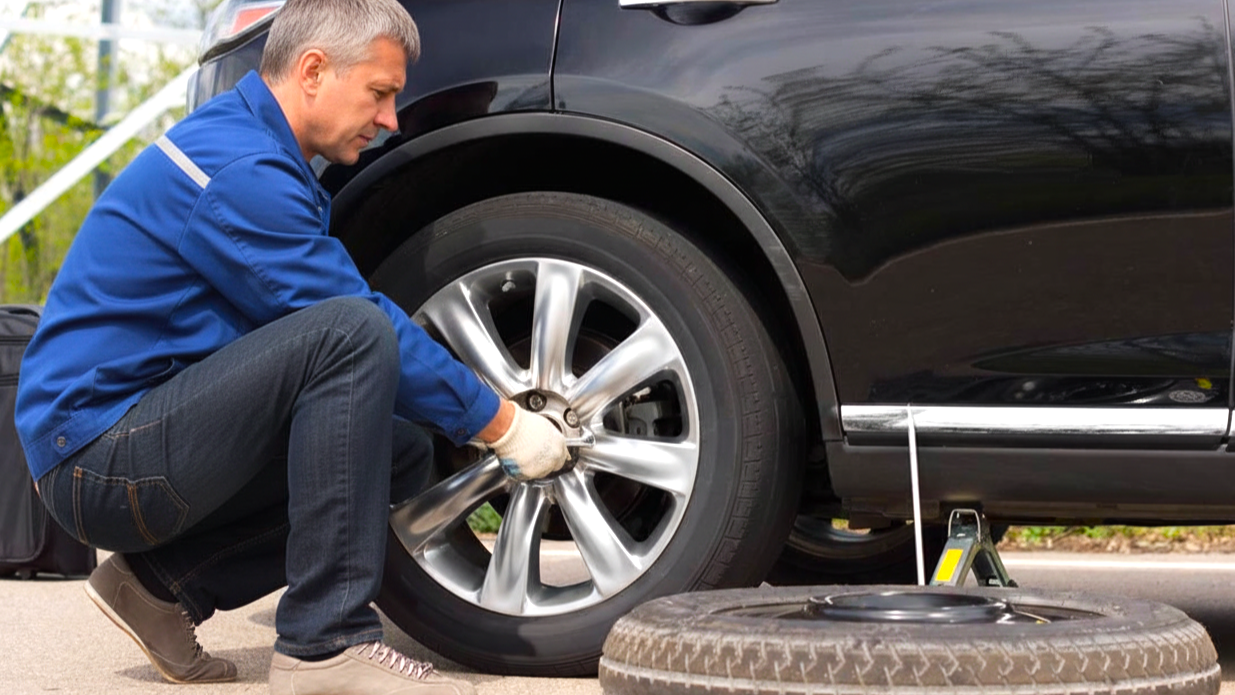
A flat tire is the most common technical problem on the road. Having a complete kit to change it allows you to solve the problem in 15–20 minutes, instead of waiting hours for a tow truck.
- Jack. Make sure the factory-supplied jack is in working order and that you know how to use it. Identify the correct jack points on your car's frame.
- Lug Wrench. The wrench that comes with the car is often flimsy. It's better to carry a four-way or telescopic lug wrench, which provides much better leverage to break loose stubborn lug nuts.
- Spare Tire. Regularly, at least once a month, check the pressure in your spare or "donut" tire. A flat spare is completely useless when you need it most.
Basic Tool Kit
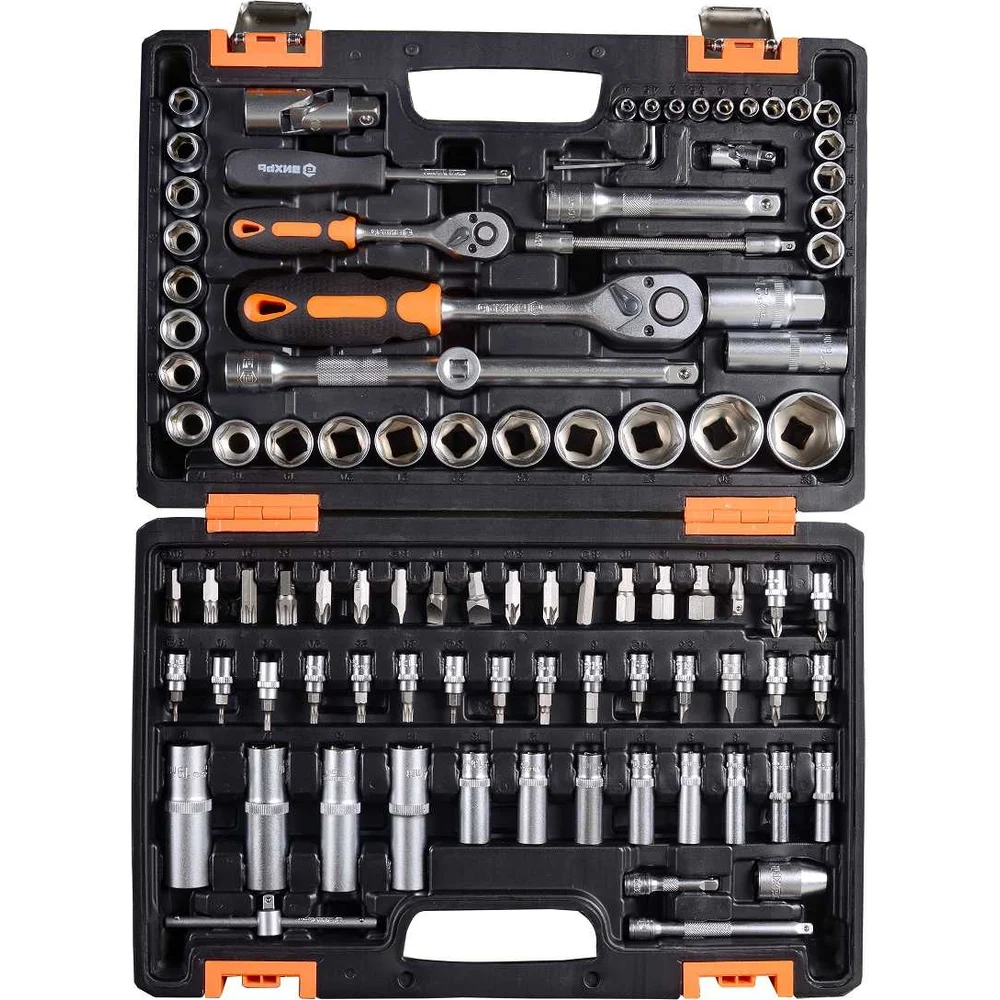
Even if you're not a mechanic, a minimal set of tools can be a lifesaver in unexpected situations. With it, you can tighten a loose battery terminal, secure a detached hose, or replace a burnt-out bulb. The required accessories for car should always include a simple toolkit for these minor fixes.
Jumper Cables
.jpg?_t=1762709298)
A dead battery is a classic problem, especially in winter or after a long period of inactivity. Leaving your lights on, an old battery, or severe cold can immobilize your car. Jumper cables allow you to start your engine using another car's battery.
How to Choose the Right Cables:
- Gauge. Don't skimp on thickness. Thin cables will overheat and may not transfer enough current to start your engine, especially a larger one. Choose cables with a heavy gauge (a lower number is thicker).
- Length. An optimal length is 3–4 meters (10-12 feet). Shorter cables may not reach if the cars are awkwardly positioned.
- Clamps. They should be heavy-duty with strong springs and fully insulated handles.
Flashlight. Your Beacon in the Dark
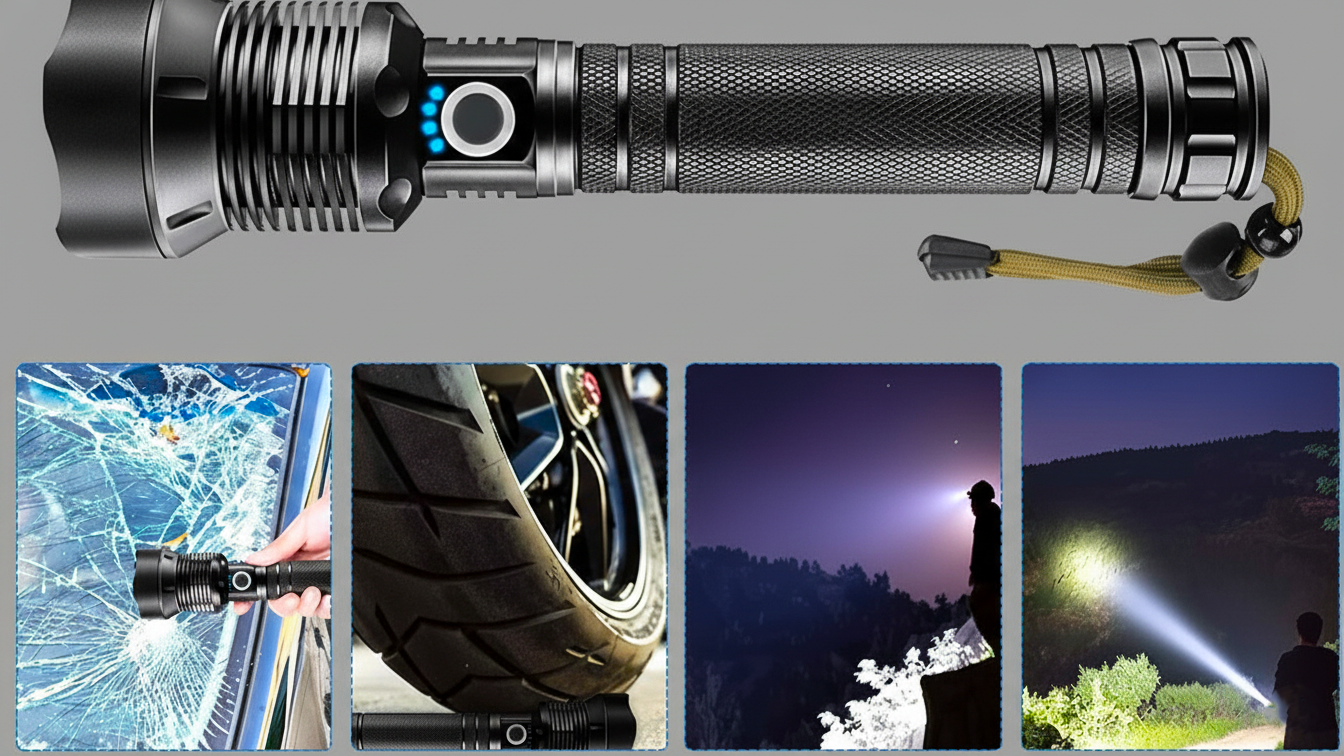
Changing a tire or troubleshooting a problem at night is nearly impossible without a light source. The flashlight on your phone is a poor substitute. it drains your battery quickly and provides a weak, diffused light.
The ideal option is an LED headlamp. It leaves both of your hands free, which is critical for any repair work. Keep a flashlight and a spare set of batteries for it in your glove compartment.
Water and Non-Perishable Snacks
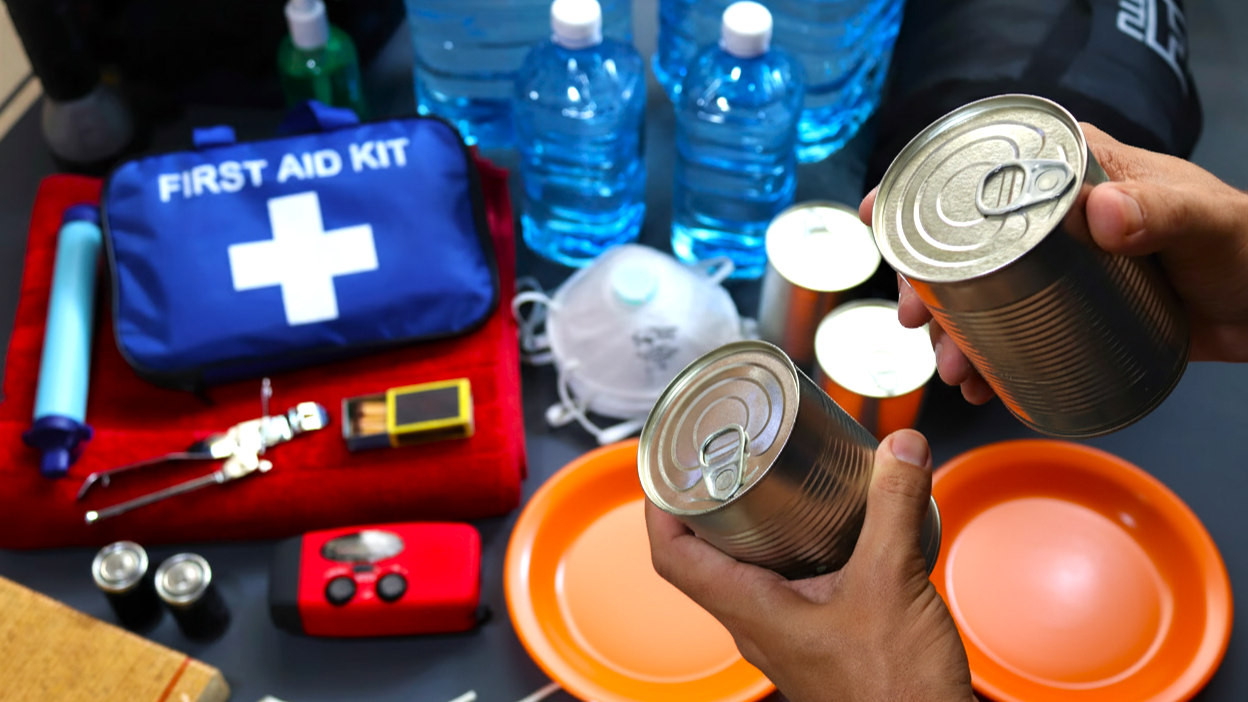
Water in the car isn't just for drinking. You might need it to top up the windshield washer reservoir or, in an emergency, the cooling system. Keep a large bottle of plain water in your trunk. Finding out what to keep in your car often comes down to preparing for the basics, and water is as basic as it gets.
Phone Charger and Power Bank
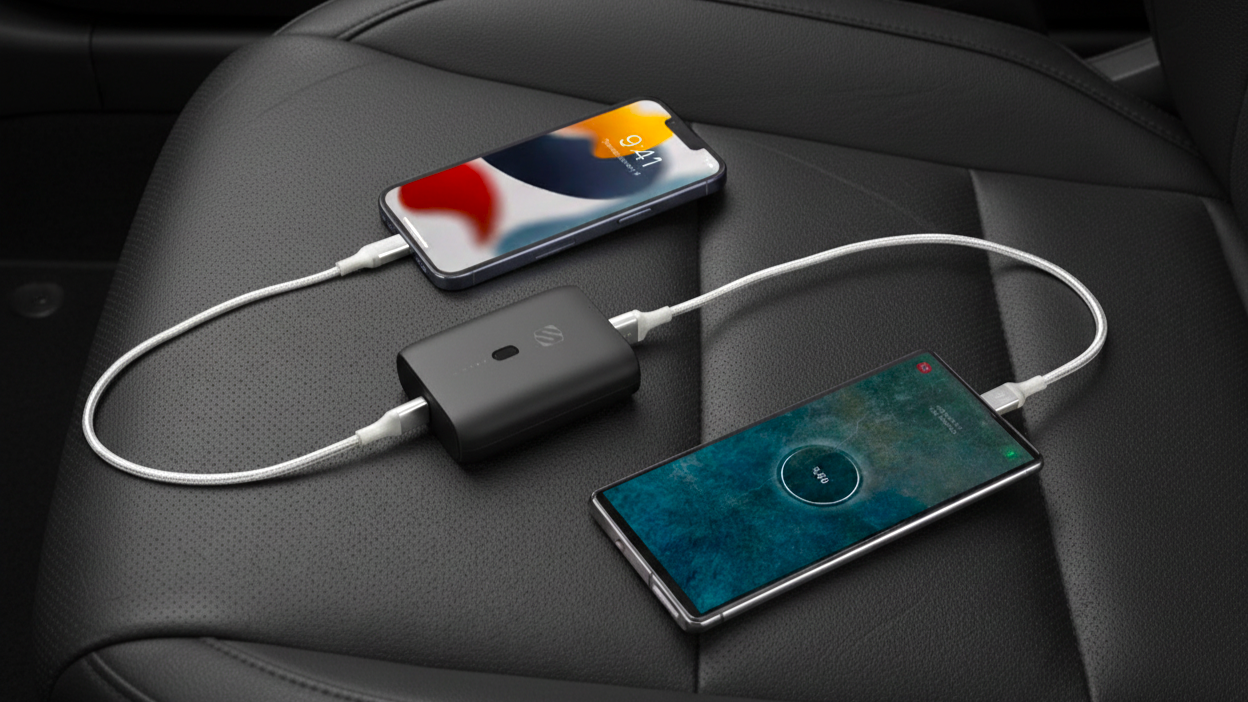
In an emergency, your phone is your primary tool for calling for help, looking up information, or contacting loved ones. A dead phone is a huge problem. You need to have a dual backup. a car charger that works with your power outlet and a fully charged external battery (power bank). A power bank is indispensable if your car's battery is dead and the outlet isn't working.
Work Gloves and a Durable Blanket

Any work on a car is dirty work. A pair of sturdy work gloves will protect your hands from dirt, oil, and cuts when changing a tire or making a minor repair.
A blanket or an old tarp is a multi-functional item. You can lie on it to inspect the underside of your car. You can use it to keep warm if you have to wait for help in a cold car. A blanket can also be a comfort for passengers, especially children.
Additional, But Very Useful, Items
There’s a list of essential items you must have in your car, and then there’s a set of handy extras that turn any trip into a comfortable and safe journey. These items aren’t legally “must-haves,” but one day you’ll be glad you kept them in your trunk.
Winter Essentials
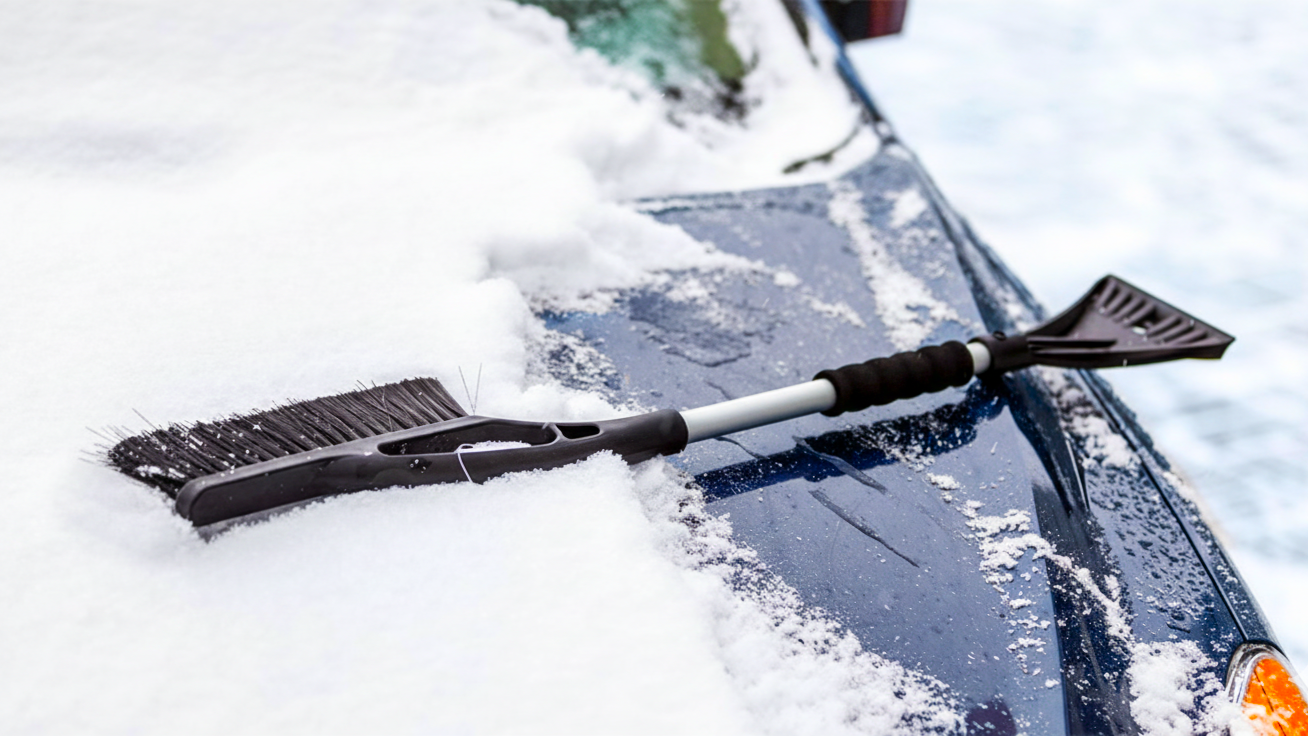
Cold weather requires special preparation. Frost, snow, and ice can catch even the most experienced driver off guard. Here’s what you should keep in your car during the winter season:
- Snow and ice scraper/brush — quickly clears your windshield and mirrors, ensuring good visibility.
- Small shovel — indispensable if your car gets stuck in a snowdrift or is covered by overnight snowfall.
- Snow chains — essential in regions with heavy snow or mountainous roads. They improve traction and reduce the risk of skidding.
- Lock and windshield de-icer — a lifesaver if your doors freeze shut and the key won’t turn.
Tip: Store winter accessories in a separate box in your trunk so you can always find them, even when you’re in a hurry.
For Convenience
Little extras make every trip more pleasant:
- Phone holder with navigation — safe and convenient, especially if you frequently use maps or listen to music.
- Wet and dry wipes — useful for cleaning your hands, dashboard, glasses, or for quick roadside snacks.
- Paper towels — perfect for spilled coffee or cleaning the interior on the go.
Tip: Keep all hygiene items in a separate organizer so your car stays tidy.
For Emergencies
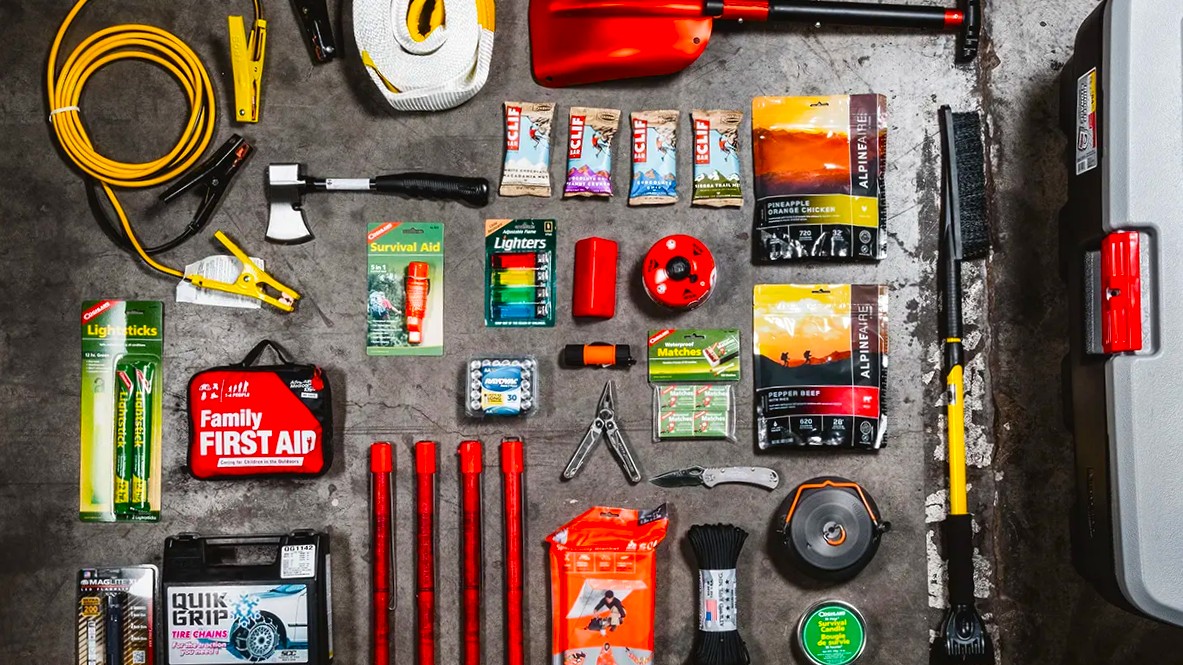
Even experienced drivers can face unexpected situations.
- Tow rope — helps you get out of a ditch or assist another driver.
- Small fuel canister — essential for long trips or rural areas where gas stations are rare.
- Multitool — can replace an entire toolkit, from screwdrivers to pliers.
Tip: Add an emergency flashlight, spare gloves, and a compact power bank — and you’ll be ready for virtually any situation.
Want to take your car setup even further? Check out our guide to "Top 2025 Car Gadgets and Accessories" – perfect ideas and gifts for every car lover.
Conclusion. Preparation is the Key to Peace of Mind
This list of ten items is not just a checklist; it's your insurance against stress and serious problems on the road. Each one turns a potential disaster into a manageable task. A well-equipped car gives you a sense of confidence and control.
It's better to spend a little time and money preparing now than to regret a forgotten item in a critical moment. Assess which of the best car accessories from this list you already have and which you should add. Check your trunk today and make every one of your journeys truly safe.

