



Understanding Car Dashboard Symbols and Meanings: a Complete Driver’s Guide
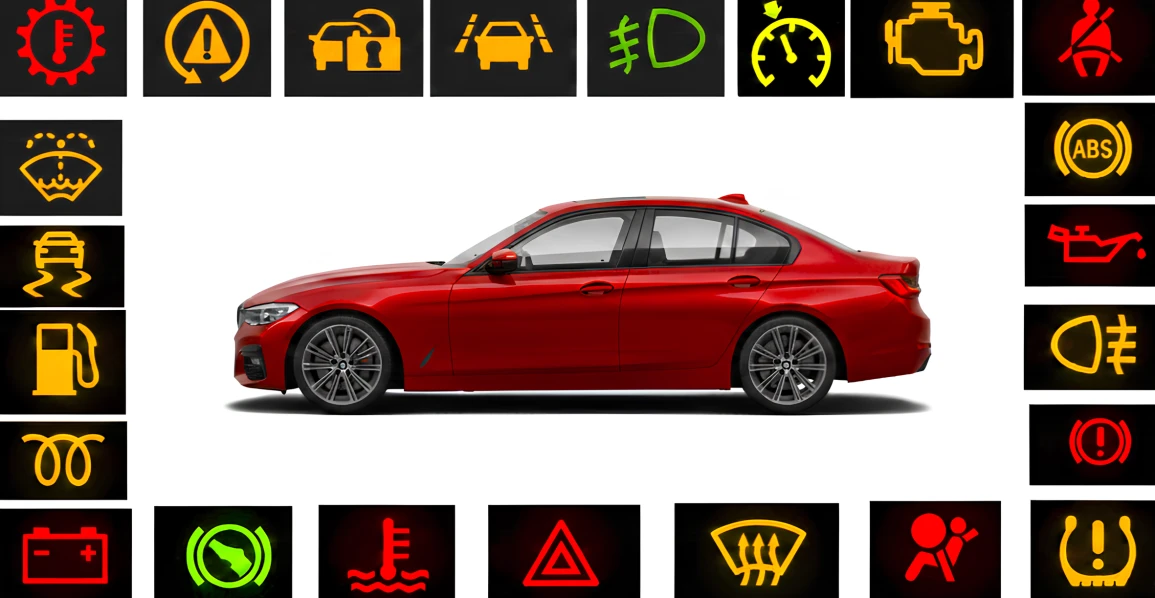
Illuminated car dashboard symbols are a sophisticated diagnostic and alert system implemented by manufacturers to protect the driver and prevent highly dangerous malfunctions. Timely comprehension of these indicators is not merely a recommendation but a mandatory skill for the responsible operation of any vehicle. A correct and prompt reaction to these warning signals helps avoid serious mechanical damage, reduces repair costs, and ensures road safety.
In this article, based on accepted standards and current data, we will detail the classification of indicators by color, describe the meaning of the most common and critical symbols, and present a clear algorithm of actions required upon their activation.
Indicator Colors and Their Significance
The color of a warning indicator is the primary factor that determines the severity of the diagnosed event, corresponding to a universal classification similar to a traffic light. This helps the driver accurately assess the situation.
- Red — Danger, Requires Immediate Action. This color demands an immediate stop and necessary measures. Red indicates a serious malfunction that poses a threat to safety or risks the destruction of key vehicle components (e.g., a drop in oil pressure, brake system failure).
- Yellow/Orange — Warning, Not Critical, but Demands Attention. This signals a deviation from the norm in system operation or the need for scheduled maintenance. Driving can usually continue, but the problem requires prompt diagnosis and resolution.
- Green / Blue — Information, Normal System Operation. This indicates the activation of vehicle functions or modes and does not carry a warning of a malfunction (e.g., headlights on, cruise control activation).
This classification allows the driver to set a strict priority for actions, minimizing the risk of incorrect decisions in a critical situation.
The Most Common Car Light Meanings
A clear understanding of these symbol functions and the protocol for action upon their activation is essential for preventing sudden breakdowns.
Engine Temperature (Symbol of a thermometer immersed in fluid)
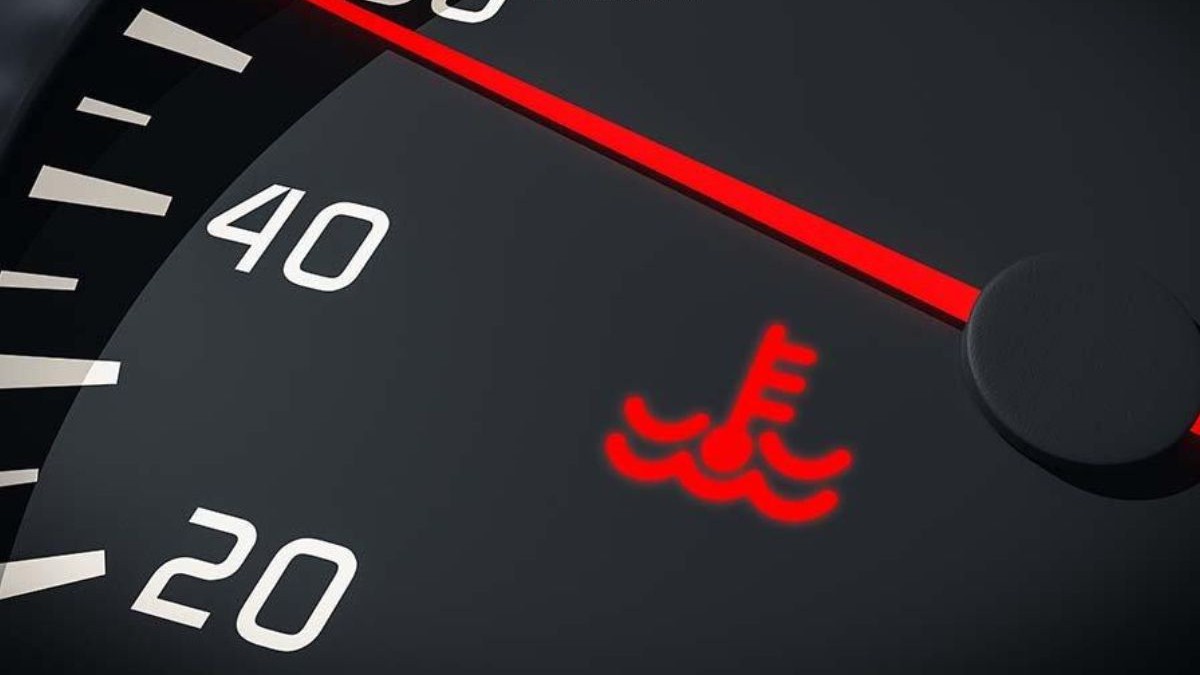
A Red indicator signifies that the coolant temperature has exceeded the permissible operating level (engine overheating). Causes can include a low level of antifreeze, a faulty thermostat, or a fan malfunction. When this signal is activated, you must immediately stop the car in a safe place and turn off the engine. It is strictly forbidden to open the radiator cap or the expansion tank before the engine has completely cooled down to avoid burns.
Oil Pressure (Symbol of an oil can)
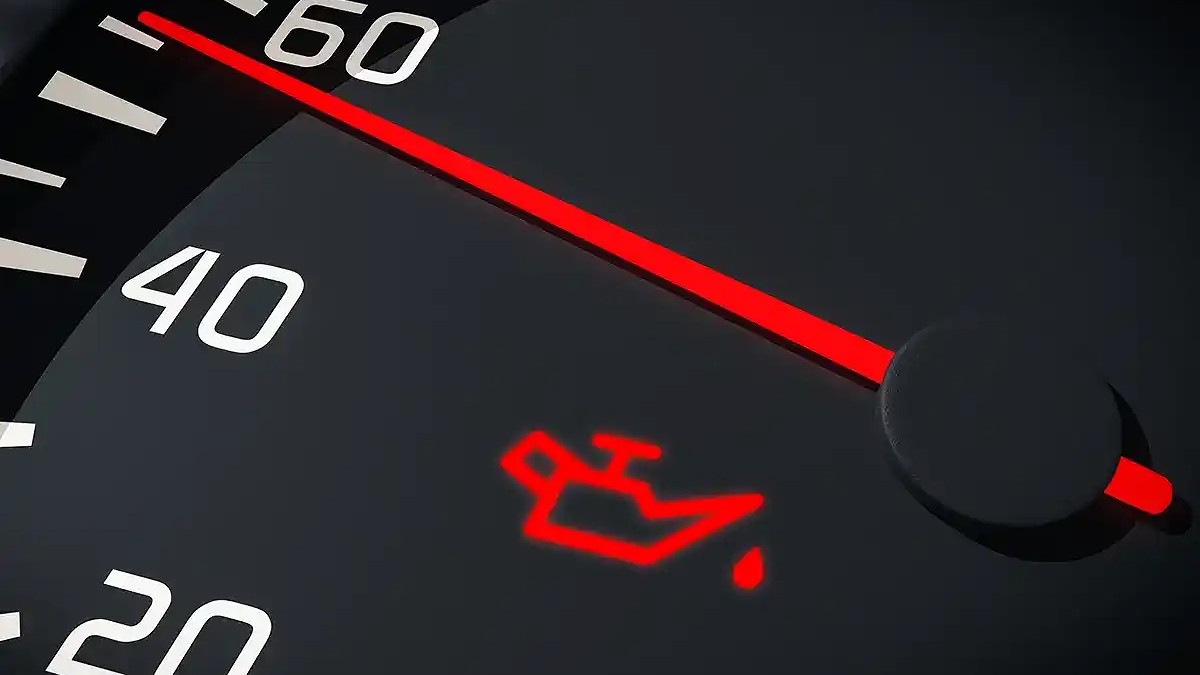
The Red indicator is extremely important and relays information about a drop in engine lubrication system pressure below the minimum permissible level. Continuing to drive with the "oil can" light on guarantees irreversible engine damage within minutes. The engine must be turned off immediately. After stopping, you should check the oil level, but if the light remains on, even with a normal level, the vehicle must be towed to a service center.
Battery / Charging (Symbol of a battery)
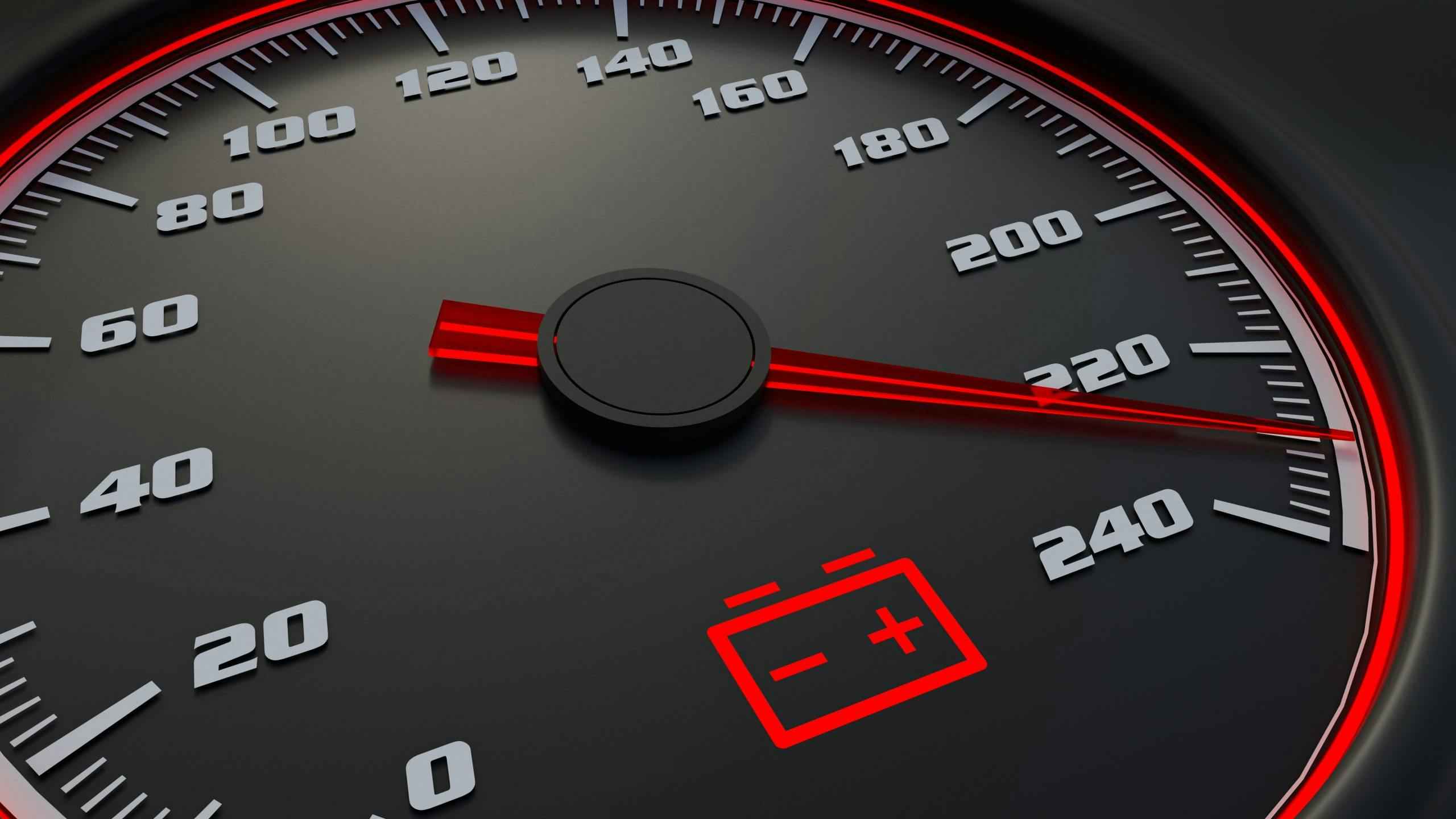
A Red indicator points to the battery not receiving a charge from the alternator. This signifies an alternator failure, a broken drive belt, or a faulty voltage regulator. You should switch off all non-essential electrical consumers (climate control, multimedia) and immediately drive to a repair location, as the battery's remaining charge will last for a limited time.
Brake System / Parking Brake (Symbol of an exclamation mark in a circle in brackets)
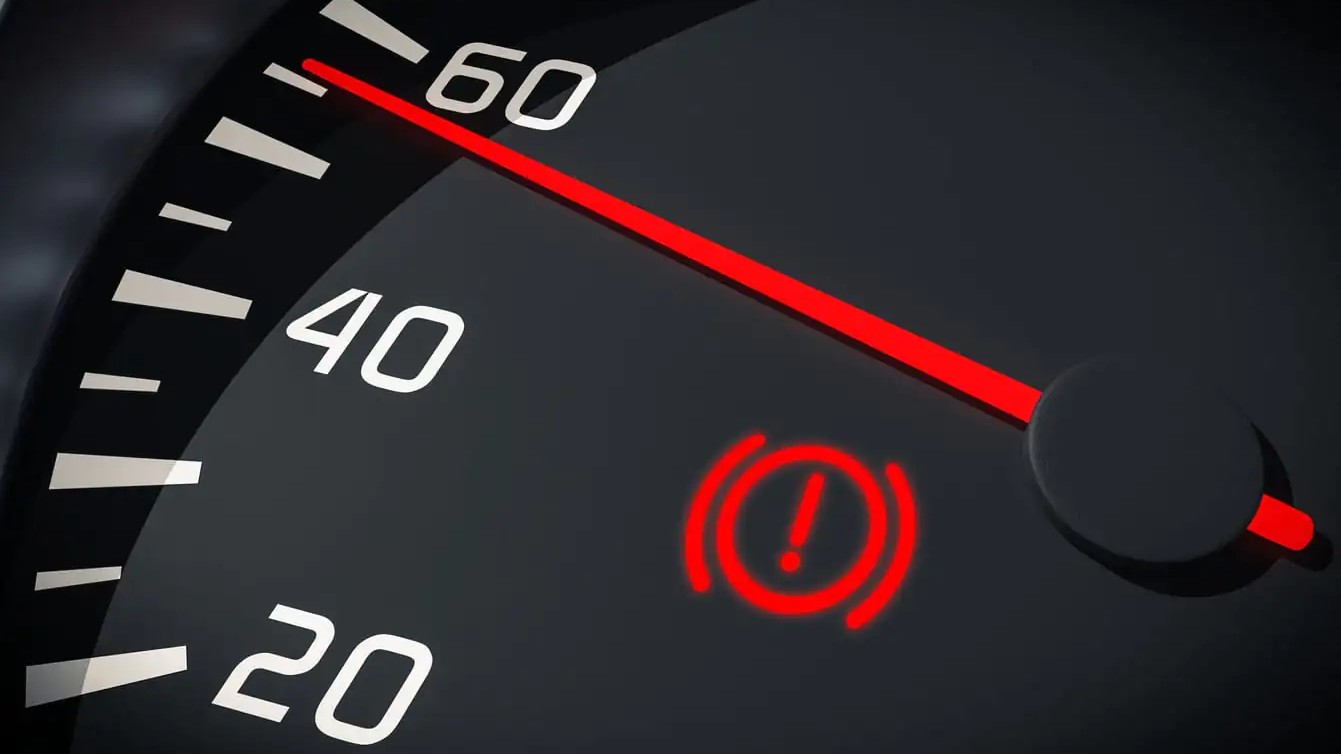
A Red indicator signals either that the parking brake is engaged or that the brake fluid level is critically low. If the handbrake is disengaged, driving is impermissible. The brake fluid level should be checked immediately. Driving can only be resumed after the fault is corrected, as reduced braking efficiency is a direct threat to safety.
ABS System (Symbol of the letters ABS in a circle in brackets)
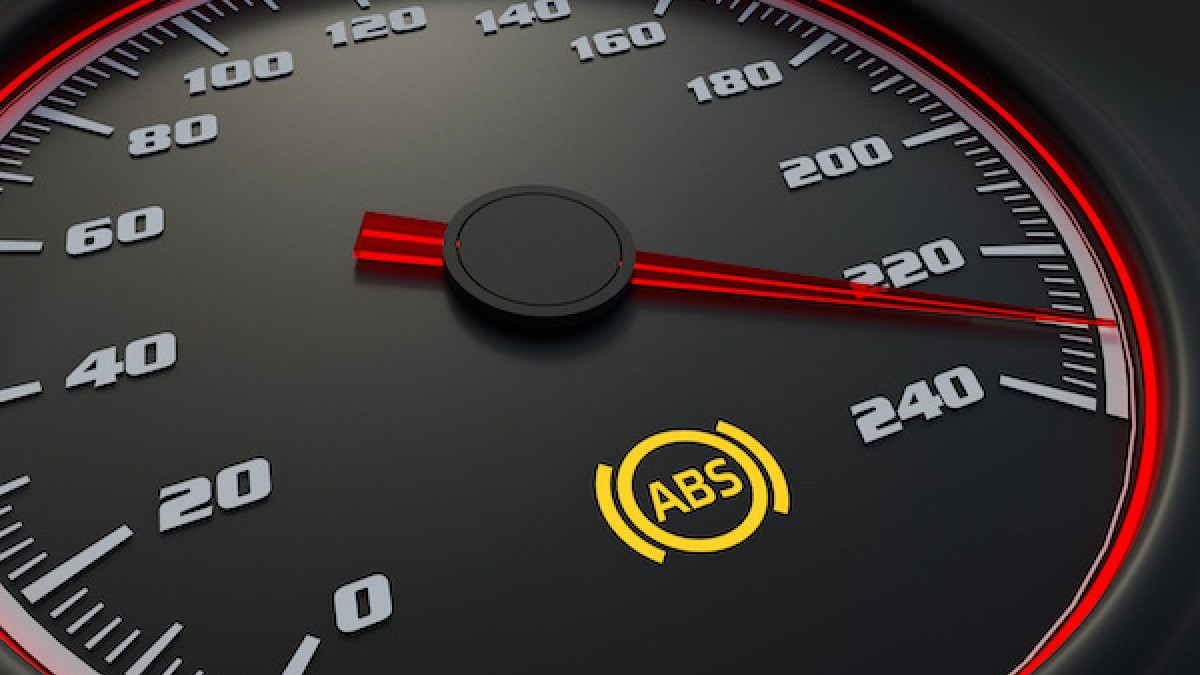
The activation of a Yellow/Orange indicator signifies a malfunction in the Anti-lock Braking System (ABS). In this situation, the main braking system remains operational, but the function of preventing wheel lock-up during emergency braking is disabled. Driving is permissible with increased caution, and sudden braking should be avoided. Scheduled diagnosis is required.
Tire Pressure (TPMS) (Symbol of a deflated tire with an exclamation mark)
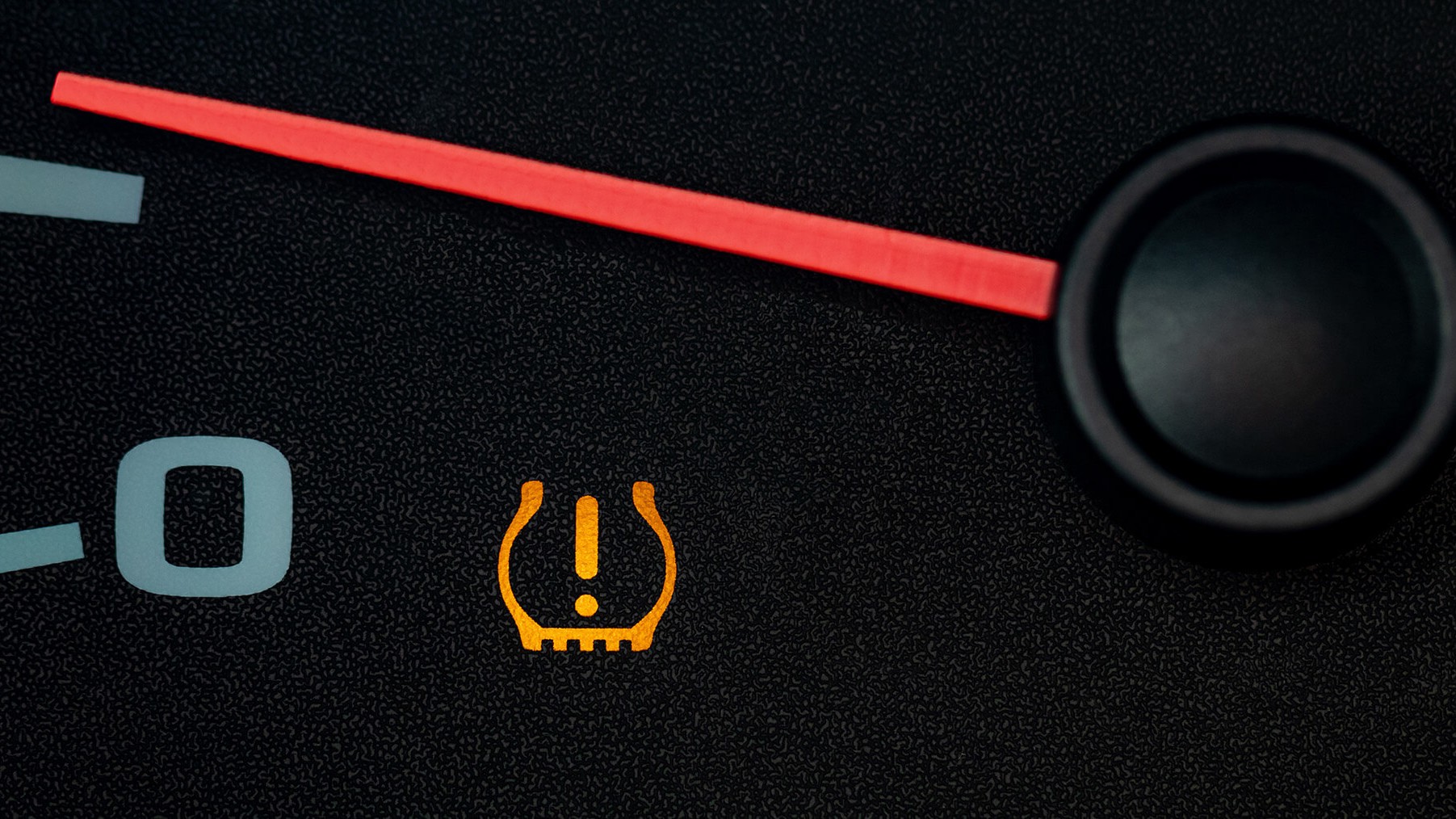
This Yellow/Orange indicator reports a significant drop in pressure in one or more tires. This impairs handling and increases the risk of tire damage. You must stop and restore pressure to the manufacturer's recommended values. If the pressure is normal, the indication may point to a fault in the TPMS sensor.
Check Engine Light (CEL) (Symbol of an engine silhouette)
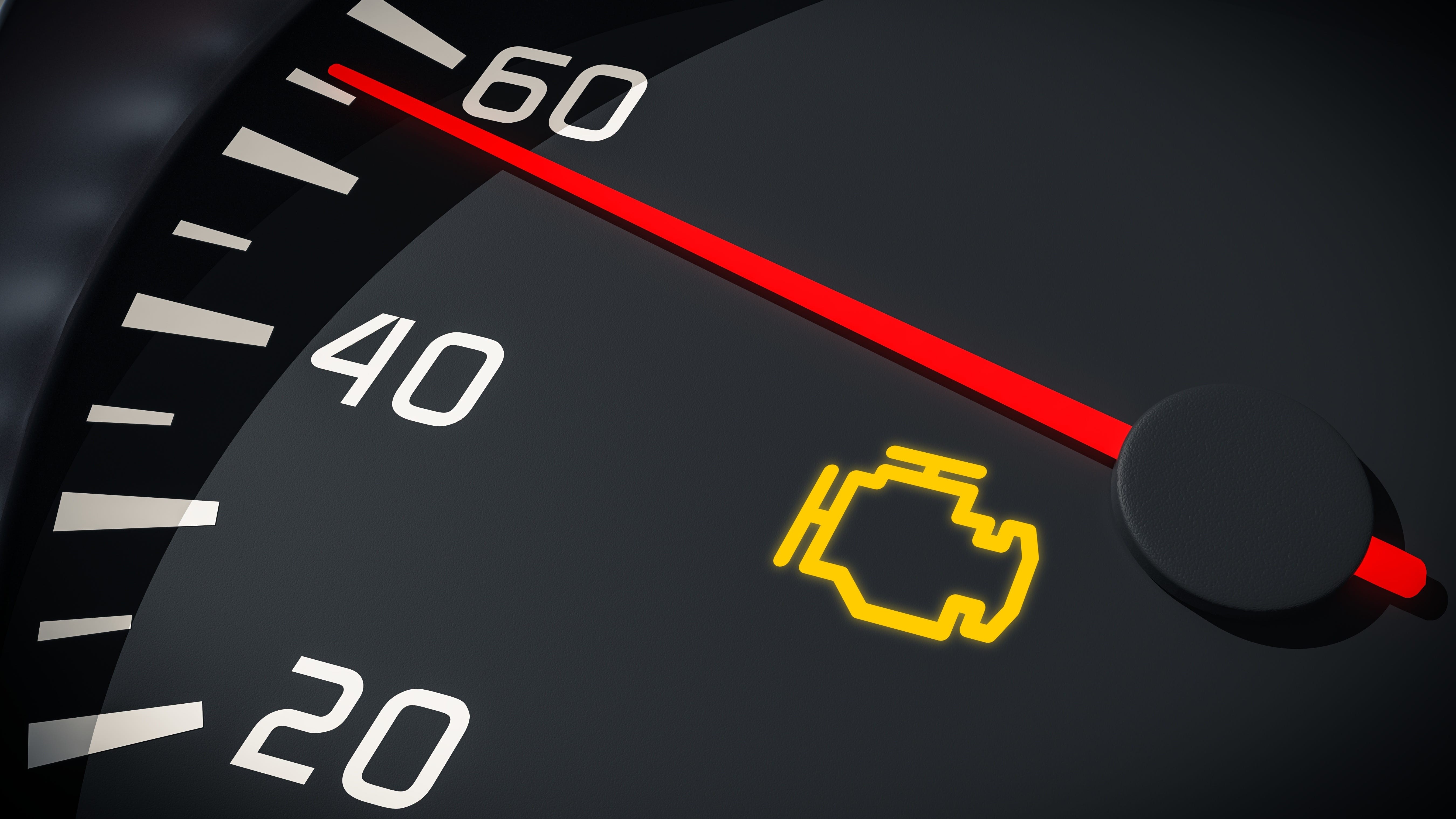
The Yellow/Orange all check engine light (CEL) signals an error recorded in the Engine Control Unit (ECU). If the indicator is constantly illuminated, scheduled diagnosis is necessary as soon as possible. If the indicator is flashing, it suggests a serious misfire that can quickly lead to damage to the catalytic converter. In the case of a flashing signal, you must immediately stop driving or reduce it to an absolute minimum, and then arrange for a tow.
Less Common, Yet Important Indicators
Some dashboard indicators appear rarely, but their importance should never be underestimated. These signals are directly related to your vehicle’s safety and technical condition, which means they require close attention. Below are the key warning lights you should never ignore.
Airbag / SRS System
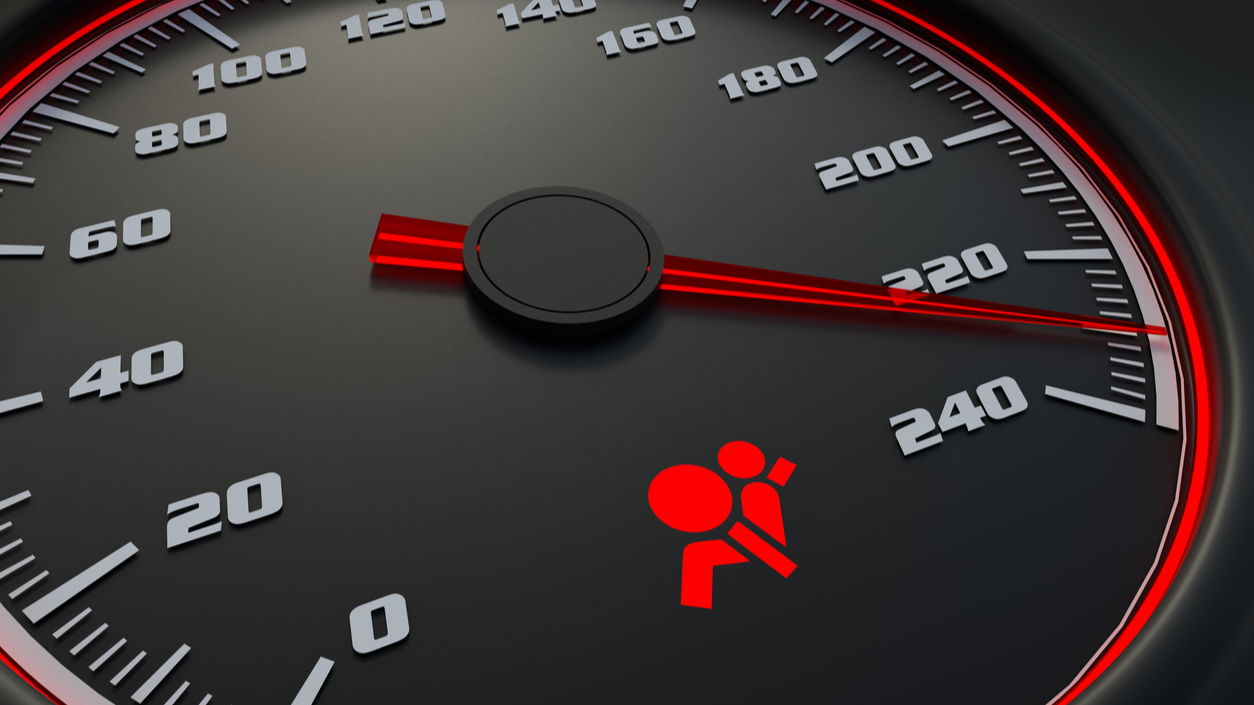
A red icon depicting a passenger with an airbag indicates a malfunction in the passive safety system. If this light is on, the airbags may fail to deploy during a collision — a serious and potentially life-threatening risk. The vehicle should be diagnosed as soon as possible, as a properly functioning SRS system is essential for protecting occupants in an accident.
Cooling System or Low Coolant Level
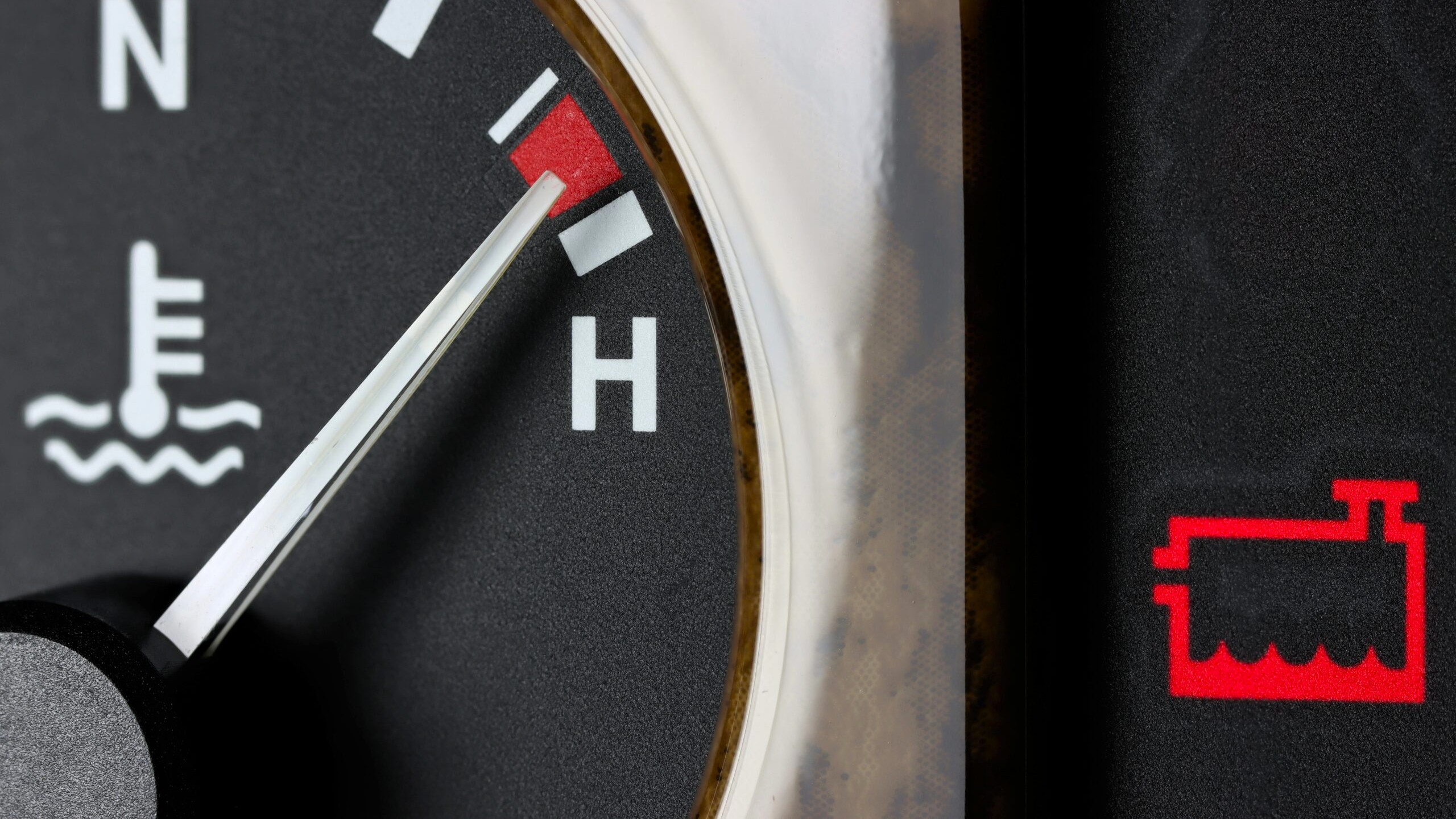
A yellow symbol resembling a coolant reservoir signals a low level of coolant. This may be caused by natural fluid loss, evaporation, or a leak. Insufficient coolant can lead to engine overheating, resulting in severe and costly damage. You should top up the coolant and, if possible, inspect the system for leaks.
Stability Control System (ESP / ESC / DSC)
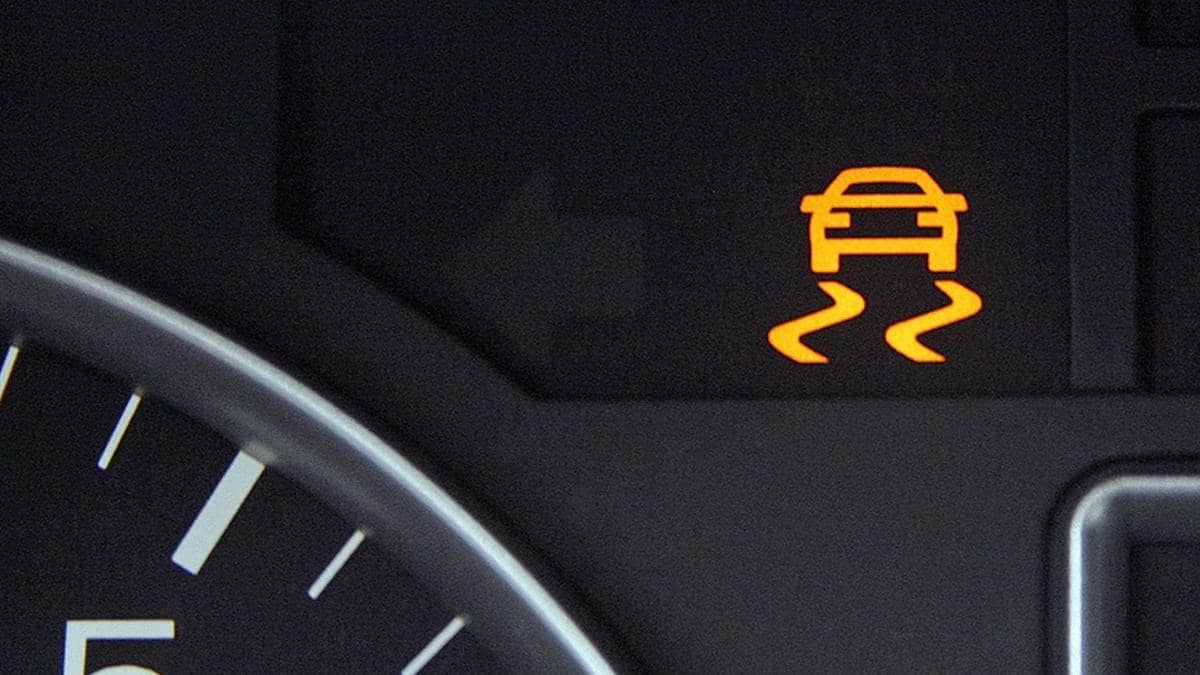
The yellow icon of a car skidding is one of the most important indicators of active safety. If it remains constantly illuminated, it means the stability control system is malfunctioning. The vehicle can still be driven, but without electronic assistance that helps maintain traction and direction during skids. Ignoring this warning is especially dangerous in winter or on wet roads.
Fluid Level and Wear Indicators
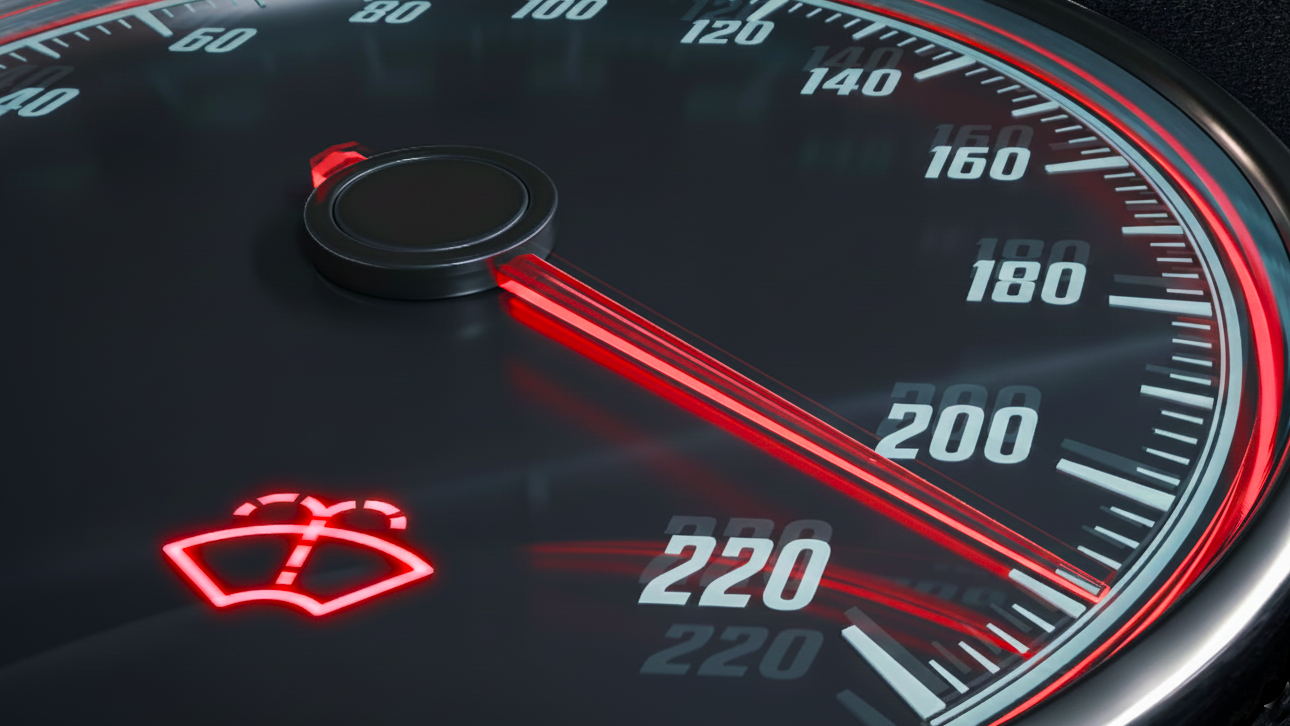
This group includes several yellow symbols: low windshield washer fluid, brake pad wear (a circle with lines on the sides), and other related warnings. These indicators do not require an immediate stop, but they signal that the car needs scheduled maintenance. For example, worn brake pads can lead to longer braking distances and damage to the brake discs.
While most of these indicators (except the Airbag warning) do not require you to stop driving immediately, delaying their inspection is not advisable. Each one is connected to critical safety and vehicle control systems, and timely action is essential for your confidence and safety on the road.
What to Do When Indicators Light Up
The protocol for action must be strictly hierarchical, based on the color coding of the indicator. The checklist symbol represents an abstract concept of following a prescribed order, which is crucial here. When an indicator activates, follow this algorithm:
- Red Color. Immediate Stop. Pull over to the side of the road and turn off the engine (except when the indicator is for the engaged parking brake). Identify the symbol (oil, temperature, brakes). In most cases, a tow truck is required to transport the vehicle to a service center.
- Yellow/Orange Color. Cautious continuation of driving and planning a visit to the service center. Perform an accessible visual inspection (e.g., check tire pressure). If the Check Engine or ABS indicator is flashing, you must significantly reduce speed and seek diagnosis immediately.
- Green/Blue Color. Confirmation of system activation. No action is required, other than control (e.g., switching from high beams).
Upon the appearance of a Red signal (except for the parking brake), it is strictly forbidden to continue driving. Attempts at self-repair or topping up technical fluids (other than washer fluid) on the road can be dangerous. If in doubt, call a roadside assistance service or a tow truck for professional diagnosis.
Tips for Prevention and Vigilance
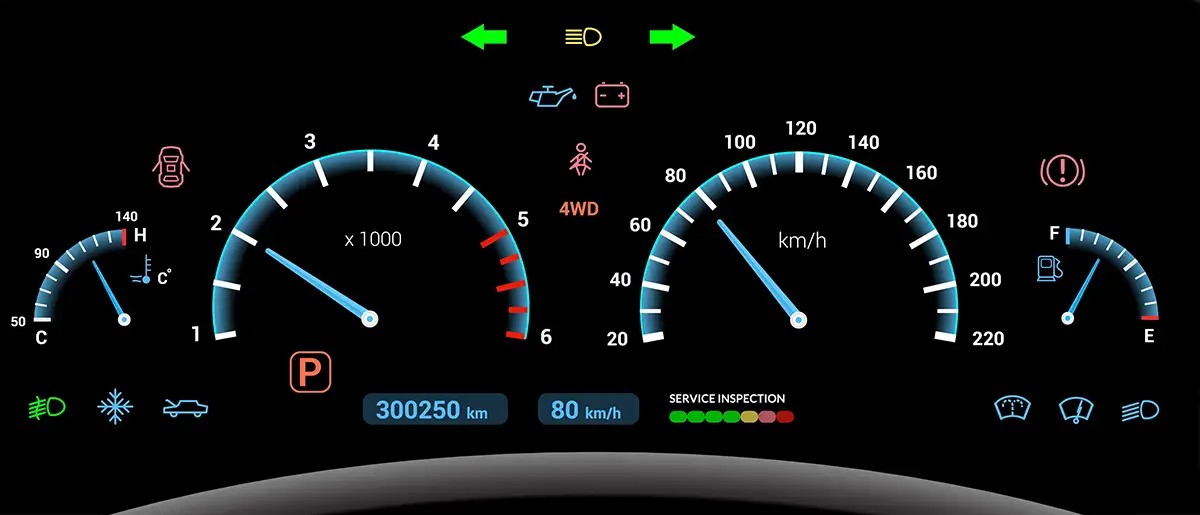
- Proactive vehicle maintenance is the best way to avoid unexpected warning lights on your dashboard. Many indicators illuminate only when an issue has already become noticeable, so regular care helps prevent problems before they escalate.
- Scheduled Maintenance - make it a habit to check all essential fluid levels—engine oil, coolant, and brake fluid. It only takes a few minutes, but it can help you spot leaks or low levels in time, preventing engine overheating or brake system failures. Don’t forget about tire pressure either: fluctuations affect not only safety but also fuel efficiency, handling, and tire wear.
- Reading the Manual - the owner’s manual is the most reliable source of information about the specific indicators used in your vehicle. Different manufacturers may assign different meanings to similar symbols, so it’s important to study the manual in advance, not when a light is already blinking and causing stress. The better you understand your car, the more confidently you’ll react to any warning signals.
- Familiarization in Advance - each time you turn on the ignition, all dashboard indicators light up for a few seconds as part of the system’s self-diagnosis. Use this moment wisely: take note of the symbols, their positions, which ones appear, and how quickly they go out. This visual familiarity will help you immediately recognize anything unusual and stay calm if a light comes on while driving.
These simple habits can make you a more attentive and prepared driver—while turning your car into a more reliable partner on the road.
Conclusion
Dashboard indicators serve as the crucial link between the driver and the vehicle's technical condition. Ignoring or misinterpreting these warnings often leads to disproportionately high repair costs and poses a safety threat. Therefore, every driver is strongly advised to master the protocols presented. This will ensure the longevity of the vehicle and safety on the road, guided by the correct interpretation of the car dashboard symbols.

