



Cabin Air Filter Replacement: Why It Matters and How to Do It Yourself

The air inside your car can be several times more polluted than the air outside. In the enclosed space of the cabin, road dust, exhaust fumes, pollen, bacteria, and microparticles from worn tires become concentrated. Every time you turn on the ventilation or air conditioning, you circulate this "cocktail." A single, simple component serves as your protection against it: the cabin air filter.
Many drivers ignore its existence until a weak stream of air with an unpleasant odor starts blowing from the vents. However, the condition of this component directly affects not only comfort but also the health of the driver and passengers, as well as the longevity of the climate control system. In this guide, we will break down in detail what a cabin filter is, how it works, why it needs to be replaced regularly, and how to do it yourself, saving time and money.
The Purpose and Principle of the Cabin Air Filter
A cabin air filter is one of the key components of a car’s ventilation and air conditioning system, directly responsible for the quality of the air that the driver and passengers breathe. Essentially, it acts as a protective barrier installed in the path of the airflow that the system draws from outside. Before the air enters the cabin, it goes through a thorough “cleaning check.”
The primary function of a cabin air filter is mechanical and chemical air purification. It traps dust, sand, soot, pollen, and exhaust particles, while carbon filters additionally neutralize unpleasant odors, harmful gases, and allergens. This is especially important when driving in heavy city traffic, near industrial areas, or during pollen seasons.
The filter element is usually located in a hidden compartment behind the glove box, and less commonly under the hood near the base of the windshield. This placement allows it to efficiently clean all incoming air without taking up usable cabin space.
The working principle of a cabin air filter relies on its multi-layer structure. Each layer serves a specific purpose: larger particles are caught on the outer layers, finer particles are trapped deeper inside, and activated carbon (if included) binds harmful molecules and odors. As a result, the air that reaches the cabin is much cleaner and safer to breathe.
Understanding what a cabin air filter does helps appreciate its true value. It functions like the car’s “lungs,” protecting the driver and passengers from the harmful effects of the environment, reducing the load on the respiratory system, and enhancing overall comfort — especially during long trips or in areas with polluted air.
Types of Cabin Air Filters: From Simple to Complex
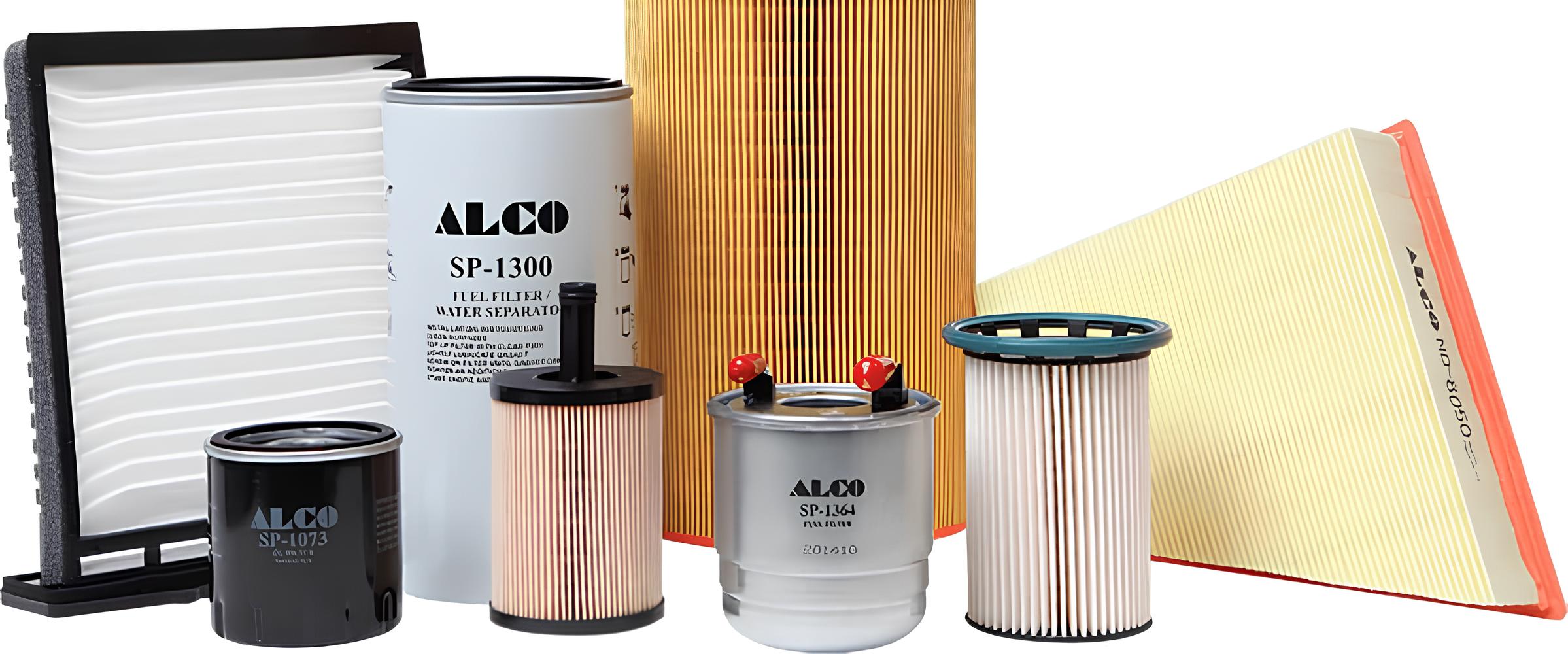
The modern automotive market offers a variety of cabin air filters that differ in air filtration efficiency, design, and manufacturing technology. Understanding these differences helps you choose the optimal filter for your vehicle, based on driving conditions and personal preferences.
- Standard Paper Filters. These are the simplest and most affordable option. Their primary function is mechanical filtration: they trap dust, sand, and larger particles, preventing them from entering the cabin. They require more frequent replacement, as their efficiency decreases as they accumulate dirt and debris.
- Activated Carbon Filters. These filters not only capture mechanical particles but also neutralize unpleasant odors, exhaust gases, and chemical compounds. They are especially useful in urban environments, where the air is often filled with exhaust fumes and dust.
- High-Efficiency Filters (HEPA and Combined Types). HEPA-class or combined filters provide maximum air purification, capturing even tiny dust particles, pollen, and allergens. Some models include multiple layers of carbon and filtration material, making them particularly beneficial for allergy sufferers and those sensitive to polluted air.
To clearly illustrate the differences between filter types, it is useful to present a comparison table that highlights the main features, benefits, and recommended usage conditions for each type.
Comparison Table of Cabin Air Filter Types
Filter Type | Purification Technology | Effective Against | Recommended Use |
Particulate (Standard) | Mechanical filtration through synthetic fiber. | Dust, soot, pollen, insects. | Basic level of protection, suitable for rural areas with clean air. |
Carbon | Mechanical filtration + absorption by activated carbon granules. | Particulates + exhaust fumes, industrial odors, ozone. | The optimal choice for city dwellers and industrial areas. |
Hypoallergenic (Biofunctional) | Multi-stage system with an antibacterial coating. | Particulates, gases + fine allergens, mold spores, bacteria. | A necessity for allergy sufferers, asthmatics, and families with children. |
The Consequences of Neglecting Replacement
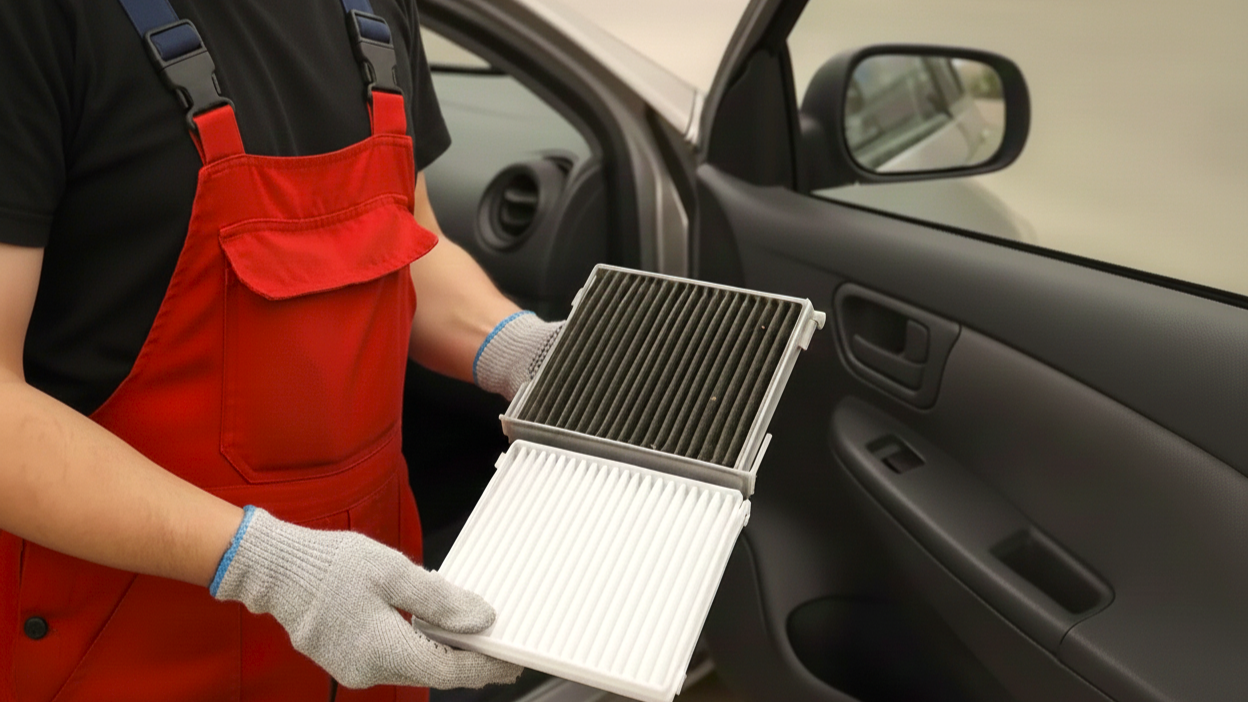
Over time, the filter's pores become clogged with dirt. Its airflow capacity drops, and it turns into a source of problems itself. Firstly, the performance of the climate control system decreases. The blower motor has to work harder to push air through the clogged barrier, resulting in weak airflow and increased wear on the motor. Secondly, the damp dirt accumulated on the filter becomes an ideal breeding ground for bacteria and mold. When the fan is turned on, this "flora" and its spores are blown into the cabin, causing a musty smell and provoking allergic reactions. Thirdly, impaired air circulation prevents effective moisture removal, leading to constantly fogging windows in damp weather.
Replacement Frequency: When to Act
Manufacturers recommend replacement on average every 10,000 to 15,000 kilometers (6,000 to 9,000 miles) or once a year. However, this interval can be significantly shorter depending on operating conditions. Frequent driving on unpaved roads or living in a metropolis or industrial zone are good reasons to cut this period in half.
A List of Signs Indicating an Immediate Need for Replacement:
- Weakened airflow from the vents, even at maximum fan speed.
- A damp, musty odor appearing in the first few seconds after turning on the climate system.
- A tendency for windows to fog up quickly in rainy weather.
Understanding what does cabin filter do for your comfort and health motivates you not to delay this procedure.
DIY Replacement: The Step-by-Step Process

In most vehicles, a cabin air filter replacement is a simple procedure that requires no special tools and takes no more than 15 minutes.
A Sequence of Actions (for a behind-the-glove-box location):
- Preparation. Open and completely empty the glove box.
- Glove Box Removal. Locate the side retaining clips or damper arm. Carefully detach them and, by squeezing the sides of the glove box, release it from its hinges.
- Accessing the Filter. Behind the removed glove box, you will see a rectangular plastic cover. Unclip its fasteners.
- Removing the Old Element. Carefully pull out the old filtration element, trying not to spill the accumulated debris. Note its orientation.
- Installing the New One. Install the new filter, observing the "Air Flow" arrows on its side, which indicate the direction of airflow.
- Reassembly. Reinstall the cover, put the glove box back in place, and reconnect the damper.
Diagnostics by the Old Filter: What the Used Element Can Tell You

Don't rush to throw away the old filtration element. Its condition is an excellent indicator of the health of your entire climate control system and the environment you drive in.
- Dry, uniformly gray, with dust and small leaves. This is a normal condition. The system is working properly.
- Damp, with dark spots and a moldy smell. This is an alarm signal. It indicates a problem with the air conditioner's drainage system. The drain tube is likely clogged, causing condensation to pool in the heater box.
- Oily spots on the surface. A very rare but dangerous symptom. It may indicate a leak of refrigerant mixed with compressor oil from the A/C system, requiring urgent diagnosis by a specialist.
- An abundance of large debris, fluff, or feathers. This suggests the protective screen at the air intake may be damaged or missing, allowing large debris to bypass it and quickly clog the filter.
Why You Should Never Drive Without a Filter
Some drivers, faced with a clogged filter, decide to simply remove it and "drive without it." This "saving" leads to catastrophic consequences. All abrasives—sand, dust, small stones—fly unimpeded into the system. This debris settles on the moist A/C evaporator, turning it into a breeding ground for bacteria, scratches the blower motor blades, causing imbalance and noise, and clogs the heater core, reducing its efficiency.
Criteria for Choosing a New Filter
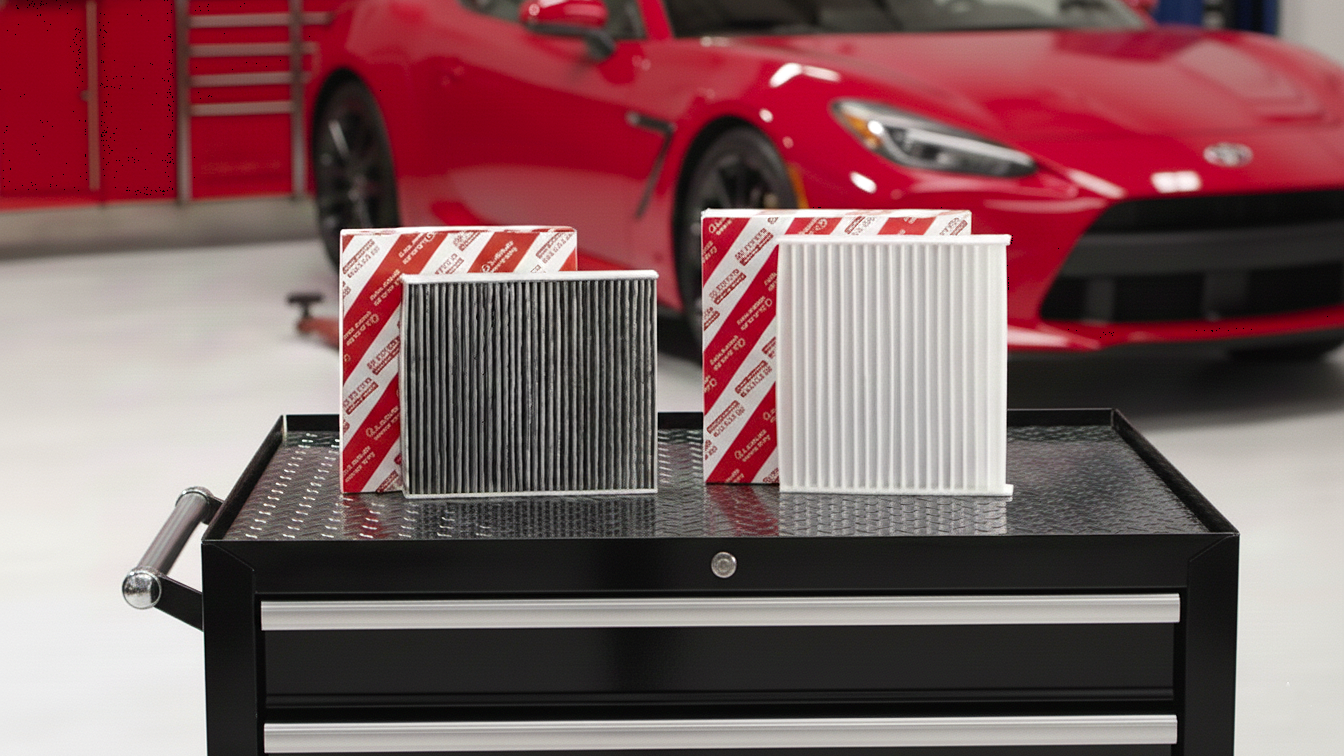
When selecting a new ac filter, you shouldn't chase the lowest price. Cheap, no-name products often have poor geometry and low-quality media, allowing unfiltered air to bypass the element. It's better to choose products from well-known aftermarket brands (e.g., Mann, Bosch, Mahle), which are often as good as the original but cost less. Always opt for a carbon or hypoallergenic version—the price difference is small, but the improvement in air quality is immense.
Prophylactic Measures to Extend Filter Life
To help the filtration element work more effectively for longer, follow a few simple rules. Regularly clean the air intake grille at the base of the windshield of leaves and debris. When driving through dusty areas or sitting in traffic behind a smoky truck, temporarily switch to recirculation mode. It's also a good habit to turn off the A/C compressor (the A/C button) 5-10 minutes before the end of your trip, leaving the fan running. This will help dry out the evaporator and prevent bacterial growth.
Conclusion: Your Contribution to a Healthy Microclimate
A clean cabin air filter is the foundation of a healthy microclimate in your vehicle. This inexpensive and easy-to-replace part directly impacts your well-being, concentration, and the longevity of your climate control system. Timely service of this element is a demonstration of sensible care for yourself, your loved ones, and your car.

