



Best Used Cars Under $10,000: Most Reliable and Affordable Options
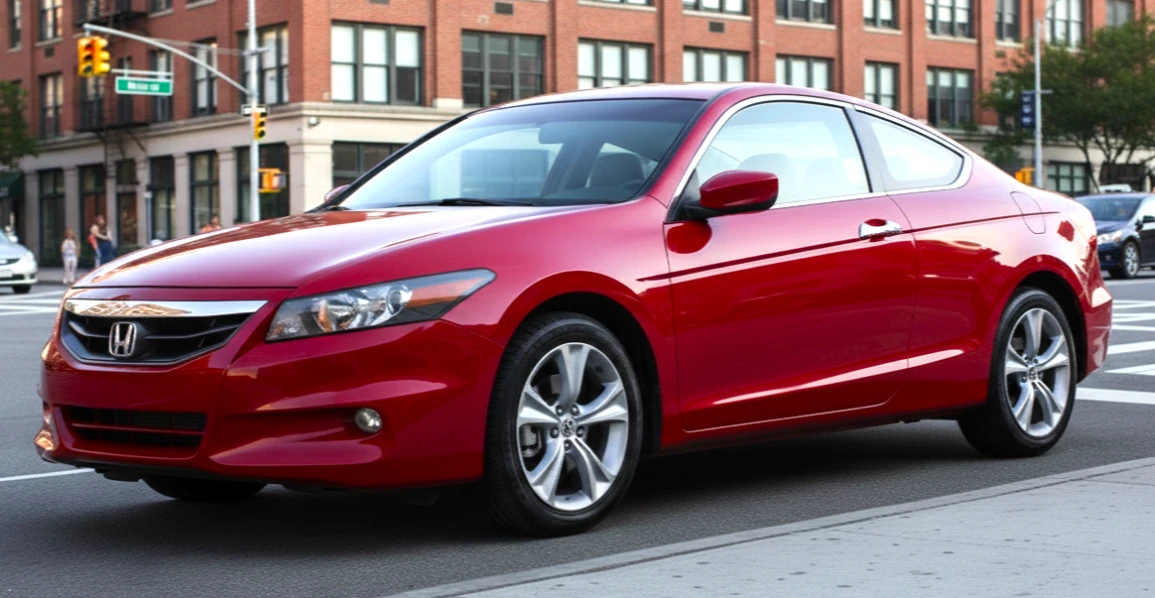
In today's challenging economic reality, finding a vehicle that successfully combines reliability, comfort, and an affordable price tag can feel like searching for a needle in a haystack. Significant inflation in both the new and used car markets has resulted in a shift where a budget that was previously sufficient for a nearly new car now places the buyer squarely in the segment of vehicles with significant experience. However, this is no reason for despair. If you are asking yourself, "What are the best used cars under 10000?", the answer is encouraging. they are vehicles engineered with a durability safety margin that exceeds their original warranty period by three or four times.
Choosing a reliable car within this budget is not merely purchasing a means of transportation; it is a strategic financial decision. It is a choice in favor of financial freedom, the absence of burdensome loans, and minimizing the stress caused by sudden breakdowns. In this price category, you are not buying prestige or the very latest technologies, but rather residual resource and engineering integrity.
In this extensive article, we will conduct a detailed market review to identify the best used cars under 10000 dollars. We will separate the wheat from the chaff and focus on models that have earned a reputation as the most reliable cheap cars through years of impeccable service. We will examine the best cheap used cars across various classes—from compact sedans to practical crossovers. Furthermore, we will provide practical advice on searching for the cheapest cars for sale that will not become a financial black hole for you.
Why is the $10,000 Budget the "Golden Mean"?
Before moving on to the list, it is crucial to understand what this market segment represents. Ten thousand dollars today is a pivotal price point. Below this mark, the risk of buying a car requiring major repairs to essential components increases exponentially. Above it, you are often overpaying for a newer model year or fresher design without gaining a significant advantage in reliability.
In the $7,000 – $10,000 range, you typically find vehicles aged between 10 and 15 years with odometers reading anywhere from 100,000 to 150,000 miles (approx. 150,000 to 250,000 kilometers). This is the period in a quality car's life when it has already lost the bulk of its market value through depreciation, yet its key assemblies—the engine and transmission—still possess a significant reserve of service life, provided they have received proper maintenance. The main task for a buyer in this segment is to find an example that was loved and cared for, rather than one owned by an abusive driver who only exploited the machine.
Below is a table that will help structure your expectations for cars in different price categories within our budget.
Price Range | What You Get | Typical Representatives | Risk Level |
$3,000 - $5,000 | Basic transportation. Compromises in comfort and safety. | Older Hyundai Accent, Ford Focus Mk2 (Manual), Chevrolet Aveo. | High. Requires very thorough inspection. |
$5,000 - $8,000 | Good price-to-quality ratio. Cars requiring investment in "consumables." | Mazda3 (BK/BL generations), Honda Civic Sedan, Nissan Versa/Tiida. | Medium. Service history is crucial. |
$8,000 - $10,000 | The best representatives of the segment. Potentially trouble-free operation for 3-5 years. | Toyota Corolla (E150), Toyota Camry (XV40), Honda CR-V (Gen 3). | Low (given high-quality diagnostics). |
Top 10 Best Used Cars Under $10,000
This list is compiled not based on marketing brochures, but on breakdown statistics, mechanic feedback, and real-world owner experiences. We prioritize models for which spare parts are readily available, and whose construction is thoroughly understood by service centers. These models consistently rank among the best cheap used cars available.
1. Toyota Corolla (Generations E140/E150, 2007–2013)
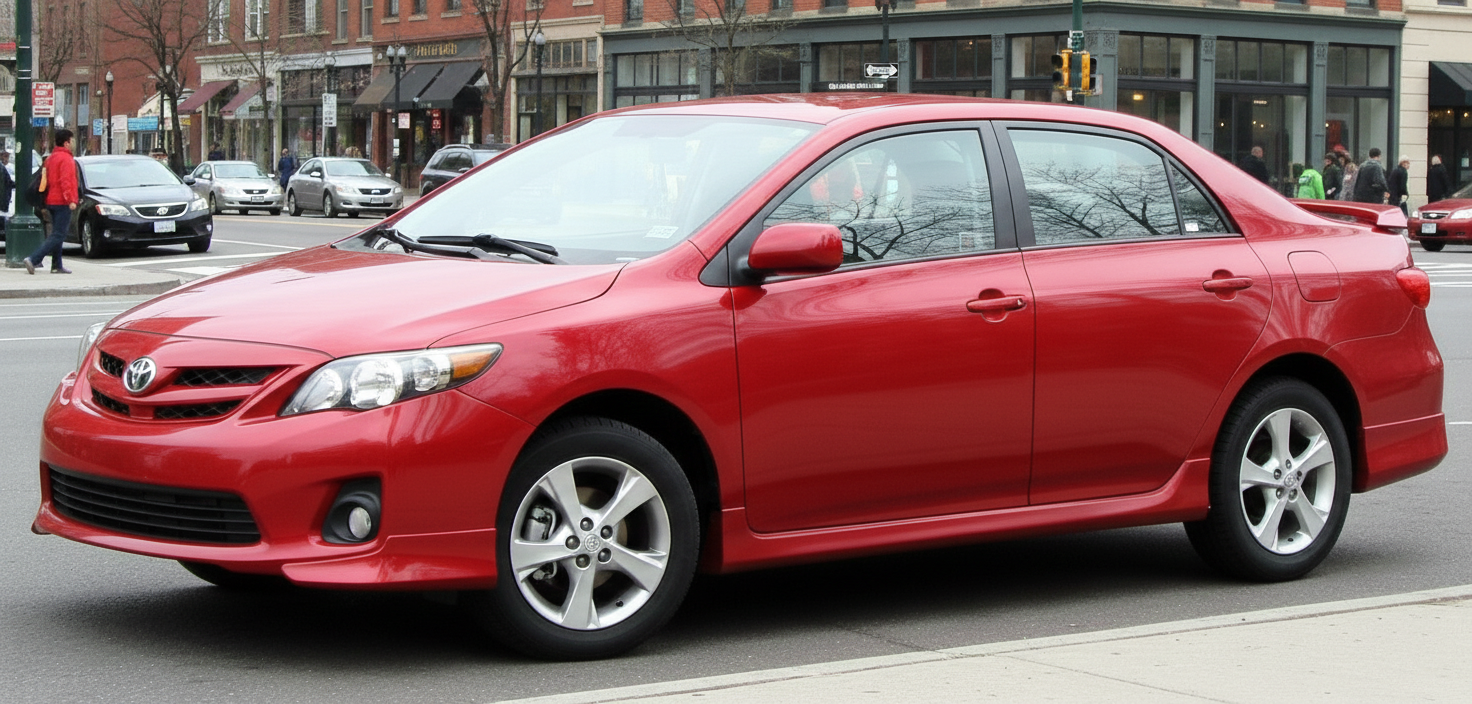
- Body Type: sedan.
- Why it’s the best choice: if there were a standard for reliability in the Bureau of Standards, it would be the Corolla. In this budget, you get a car that, with basic maintenance (oil and filter changes), is capable of covering over 250,000 miles without a major engine overhaul. It is a boring car, but that boredom is its greatest virtue. It simply works.
- What to look for: avoid the robotic transmission (MultiMode) on early E150 models—it is jerky and unreliable. Look for the classic 4-speed automatic or a manual gearbox. The 1.6L (1ZR-FE) and 1.8L (2ZR-FE) engines are extremely reliable, but approaching 120,000 miles, they may start consuming oil due to stuck piston rings if oil change intervals were stretched. Also, check the steering rack for knocking sounds.
2. Honda Civic (8th Generation, 2006–2011)
.png?_t=1770662366)
- Body Type: sedan / coupe.
- Why it’s the best choice: the Civic offers the perfect balance between Toyota's reliability and driving pleasure. It features sharp steering, an ergonomic interior, and legendary R-series engines that love high revolutions while demonstrating enviable longevity. This is perhaps one of the most emotional choices among the best cheap used cars.
- What to look for: the steering rack is a weak point of this generation, often knocking or leaking. Early models (2006-2008) had issues with the 1.8L engine block, which could crack (many were replaced under warranty; check the history). Ground clearance is low, so carefully inspect the undercarriage and rocker panels for damage and corrosion.
3. Toyota Camry (Generation XV40, 2006–2011)
.png?_t=1770662366)
- Body Type: mid-size Sedan.
- Why it’s the best choice: the Camry XV40 is synonymous with comfort and indestructibility. In the $10,000 budget, it is one of the most spacious and softest riding cars. It is ideal for long trips and poor roads thanks to its energy-absorbing suspension.
- What to look for: versions with the 3.5-liter V6 engine (2GR-FE) turn the Camry into a rocket, but this motor has its nuances (oil leaks, issues with VVTi gears at high mileage). The golden mean is the 2.4-liter engine (2AZ-FE), but it is known for the problem of stripped cylinder head bolt threads on pre-facelift models (before 2009). Also, the interior, despite its spaciousness, wears quickly (especially the leather and "wood" trim).
4. Honda Accord (8th Generation, 2008–2012)
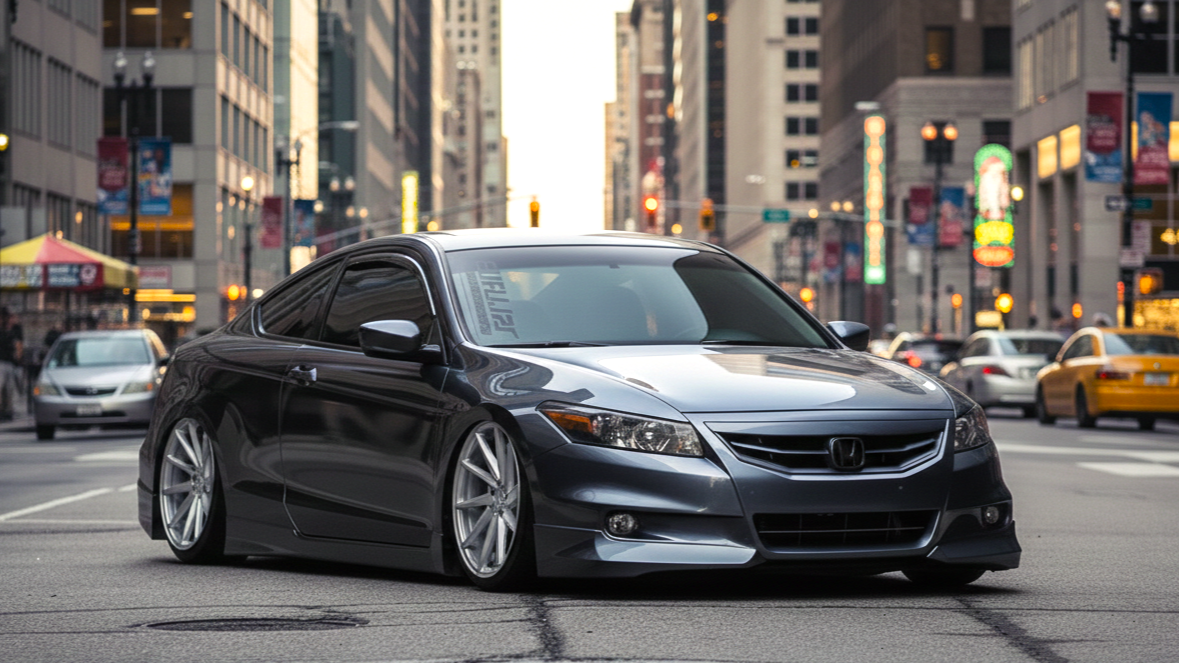
- Body Type: sedan / coupe.
- Why it’s the best choice: direct competitor to the Camry, but for those who prefer to sit behind the wheel rather than on the rear sofa. The 8th-gen Accord looks aggressive even years later, handles excellently, and has a very reliable classic automatic transmission. The 2.4-liter engines are extremely durable.
- What to look for: like the Civic, the steering rack requires attention. The 2.4L engine may suffer from a VTC actuator gear issue (a characteristic rattling sound on a cold start) and increased oil consumption. The suspension is more complex and expensive to repair than the Camry's, but it is what provides the superior handling.
5. Mazda3 (2nd Generation BL, 2009–2013)
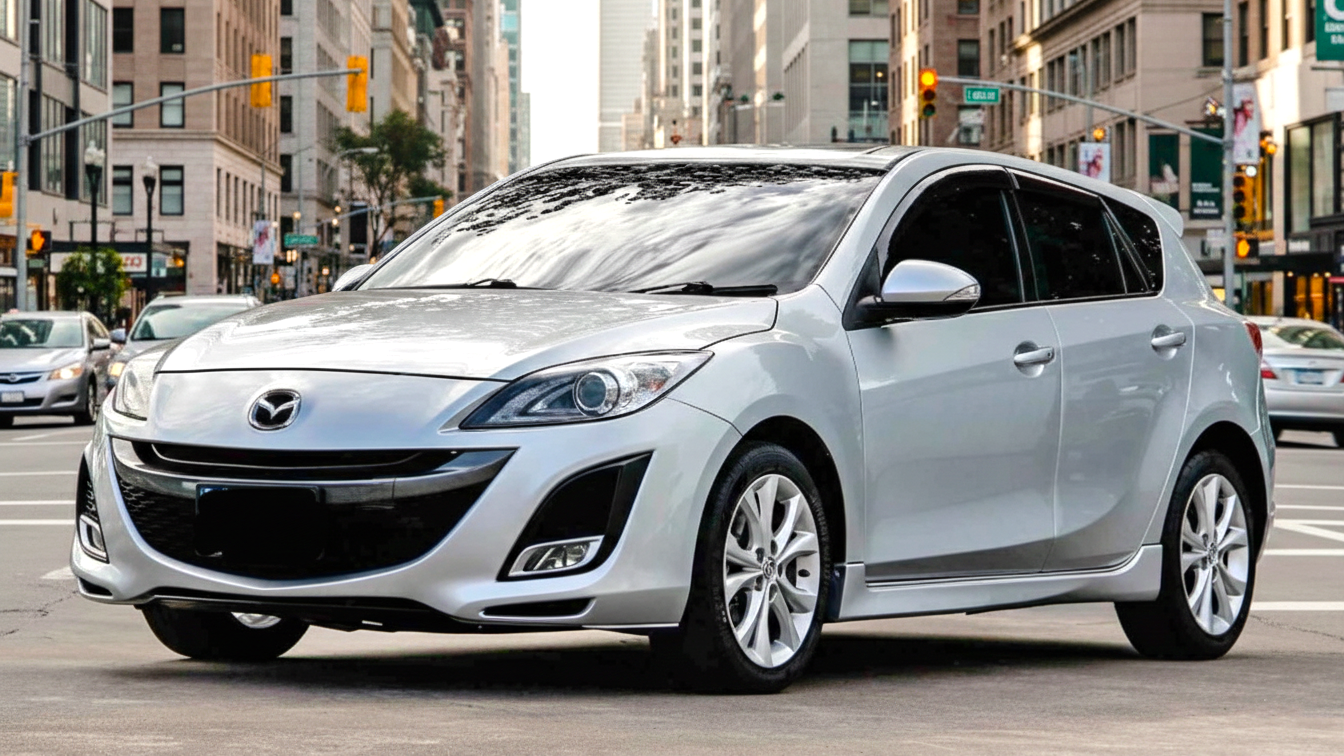
- Body Type: sedan / hatchback.
- Why it’s the best choice: this generation of the Mazda3 got rid of its predecessor's main problem—catastrophic corrosion—while retaining its spirited character. It is a stylish, well-handling car with reliable, time-tested naturally aspirated 2.0L and 2.5L engines and simple automatic transmissions.
- What to look for: although the metal has improved, corrosion is still possible—check the wheel arches and door edges. The suspension is a bit stiff and may require rebuilding the rear multi-link setup every 60,000–75,000 miles. Sound insulation is traditionally weak for this class.
6. Honda CR-V (3rd Generation, 2007–2011)
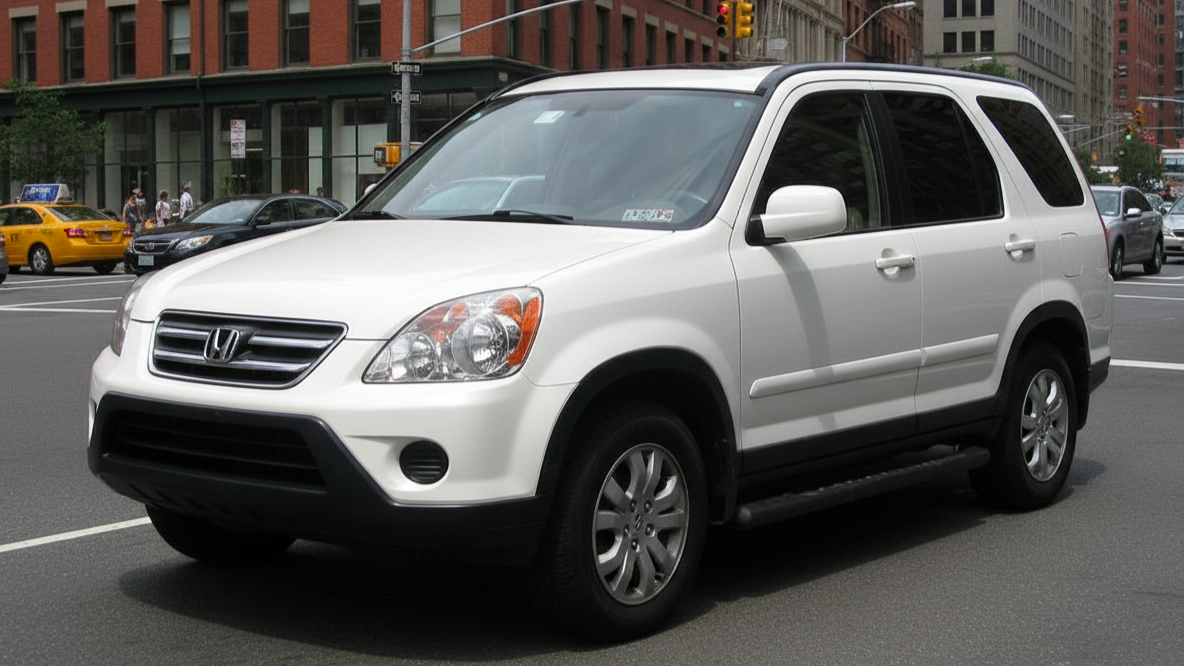
- Body Type: compact crossover.
- Why it’s the best choice: if you need a crossover under $10,000, the CR-V is the safest bet. It is incredibly practical. a huge trunk, a well-thought-out interior, and a flat floor in the rear. The all-wheel drive here is "nominal" (engaging only when slippage occurs), but it is sufficient for a snowy driveway. The reliability of the powertrain is on par with the Civic and Accord.
- What to look for: a characteristic problem is the rear wheels developing negative camber ("squatting") due to sagging springs and worn bushings. Issues with the AWD clutch pack are also possible if the car was frequently driven hard off-road. The steering rack is a traditionally weak spot for Hondas of that era.
7. Toyota RAV4 (Generation XA30, 2005–2012)
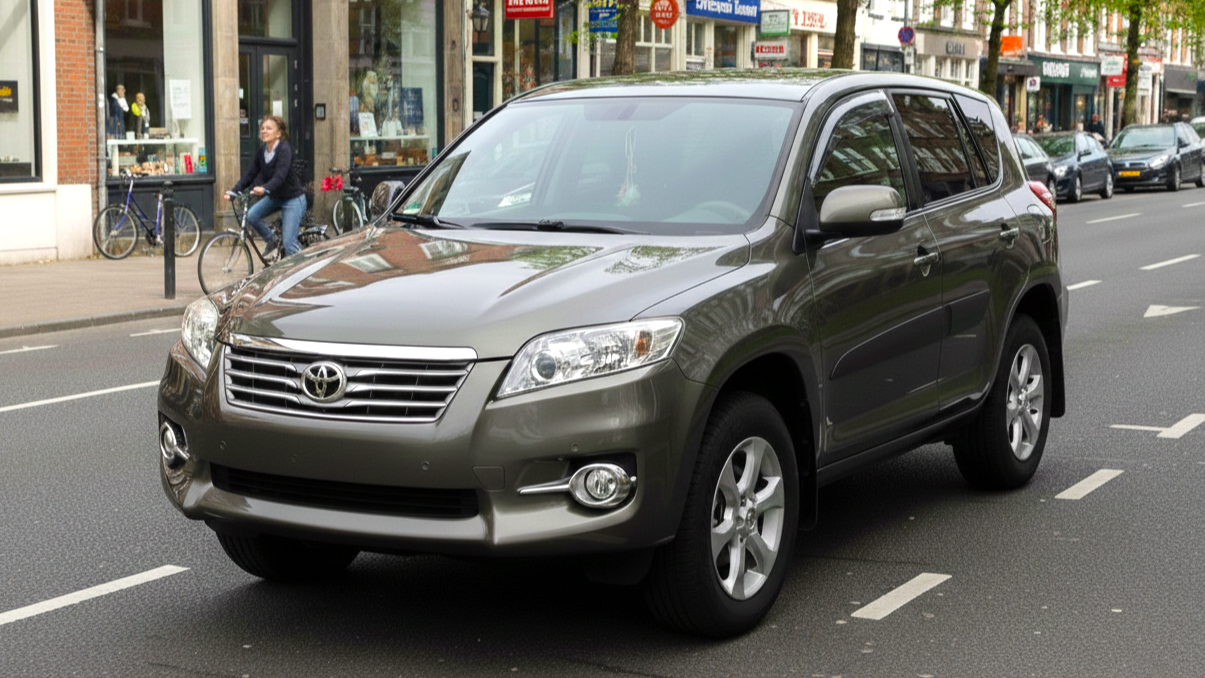
- Body Type: compact crossover.
- Why it’s the best choice: the eternal rival to the CR-V. The RAV4 is slightly stiffer on the road but has a more effective all-wheel-drive system and slightly better geometric capability. This is the pragmatist's choice. high liquidity upon resale and phenomenal reliability of major components.
- What to look for: the 2.4L and 2.5L engines are reliable but may consume oil. Avoid diesel versions of this age if you are in a market that got them—the fuel system is expensive to repair. Models with the powerful 3.5L V6 are highly desirable, but finding a "live" example is difficult. Pay attention to the condition of the steering shaft (the universal joint may knock).
8. Hyundai Tucson / Kia Sportage (Generations JM/KM, 2005–2010)
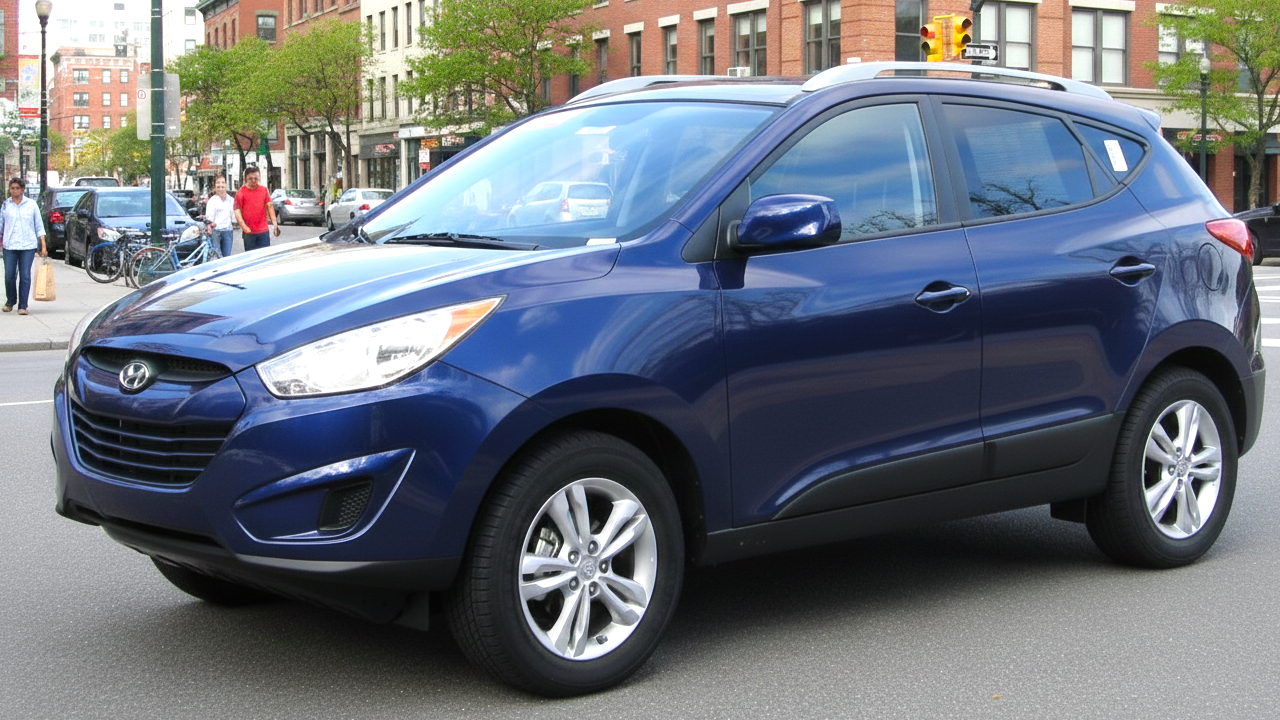
- Body Type: compact crossover.
- Why it’s the best choice: these Korean twins are your entry ticket into the world of crossovers. They are structurally simple, parts cost pennies, and the reliability of the old 2.0-liter cast-iron block engines (Beta II series) is very high. They won't offer exquisite handling or luxurious interiors, but they will get you from point A to point B on any road.
- What to look for: the main enemy of these cars is corrosion (rocker panels, arches, subframes). The all-wheel drive is implemented via an electromagnetic clutch, which fears overheating and water ingress. The suspension is simple but requires frequent attention to stabilizer links and bushings.
9. Ford Fusion / Mondeo (Gen 4 Mondeo or US Fusion equivalent, approx 2010–2014)
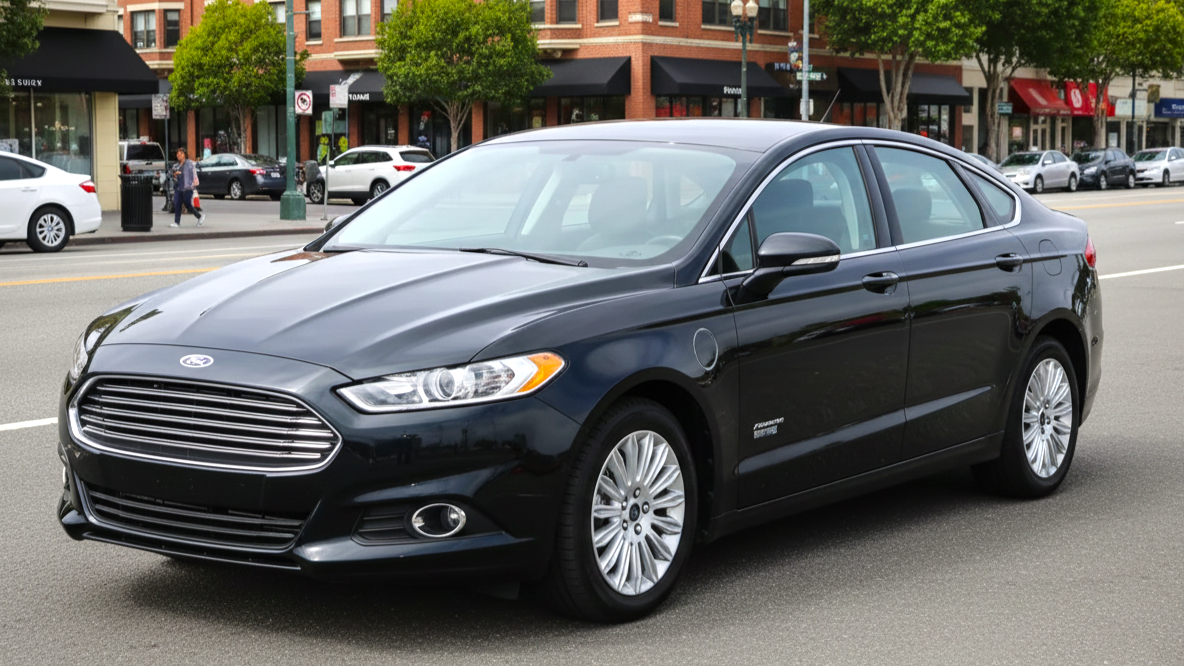
- Body Type: sedan (mostly).
- Why it’s the best choice: Ford offers a lot of car for a little money. You get a spacious interior, excellent sound insulation, and a chassis that is tuned better than many Japanese competitors. These are underrated cars that are often found in better condition than overpriced Toyotas of the same years.
- What to look for: IT IS CRITICALLY IMPORTANT to avoid the PowerShift dual-clutch robotic transmission (often paired with smaller displacement engines). It is a financial disaster. Look only for the classic torque-converter automatic (usually comes with larger naturally aspirated engines like the 2.5L) or a manual transmission. Also, check the condition of the steering rack.
10. Nissan Leaf (1st Generation, post-facelift 2013–2016)
.png?_t=1770662366)
- Body Type: electric hatchback.
- Why it’s the best choice: this choice is not for everyone, but if your daily commute does not exceed 50-60 miles and you have a place to charge (garage/private home), the Leaf is a way to travel almost for free. It has no internal combustion engine, transmission, oil, or spark plugs. There is practically nothing to break other than the suspension.
- What to look for: the only thing that matters is the condition of the high-voltage battery (SOH — State of Health). In a budget under $10k, you need to look for a car with a battery showing at least 9 out of 12 capacity bars on the dashboard. Avoid cars from very hot climates, as the Leaf battery lacks active cooling and degrades quickly from heat.
The Most Affordable Cars on the Market (Cheapest Cars for Sale)
Sometimes the budget is even more constrained, for example, to $5,000 - $6,000. In this segment, searching for the cheapest cars for sale turns into a hunt for condition rather than a specific model. Here, the model year or brand is less important than how well the specific example has been preserved. Nevertheless, there are models that are structurally simpler and cheaper to maintain, often representing the most reliable cheap cars in the absolute lowest price bracket.
- Chevrolet Cobalt / Cruze (earlier simple models). Simple, spacious vehicles featuring proven engineering roots. The design may be dated, but parts are readily available everywhere.
- Nissan Versa / Tiida (C11 Generation). Known for surprisingly spacious interiors and very durable engines. The 4-speed automatic is bulletproof. The body can be prone to rust, but the mechanics are very robust.
- Ford Focus (Mk2/Mk2.5). Excellent handling and a strong body. However, avoid complex engines and automatic transmissions in this budget. The best choice is a manual transmission paired with a simple, naturally aspirated engine.
Tips When Buying a Used Car Under $10,000
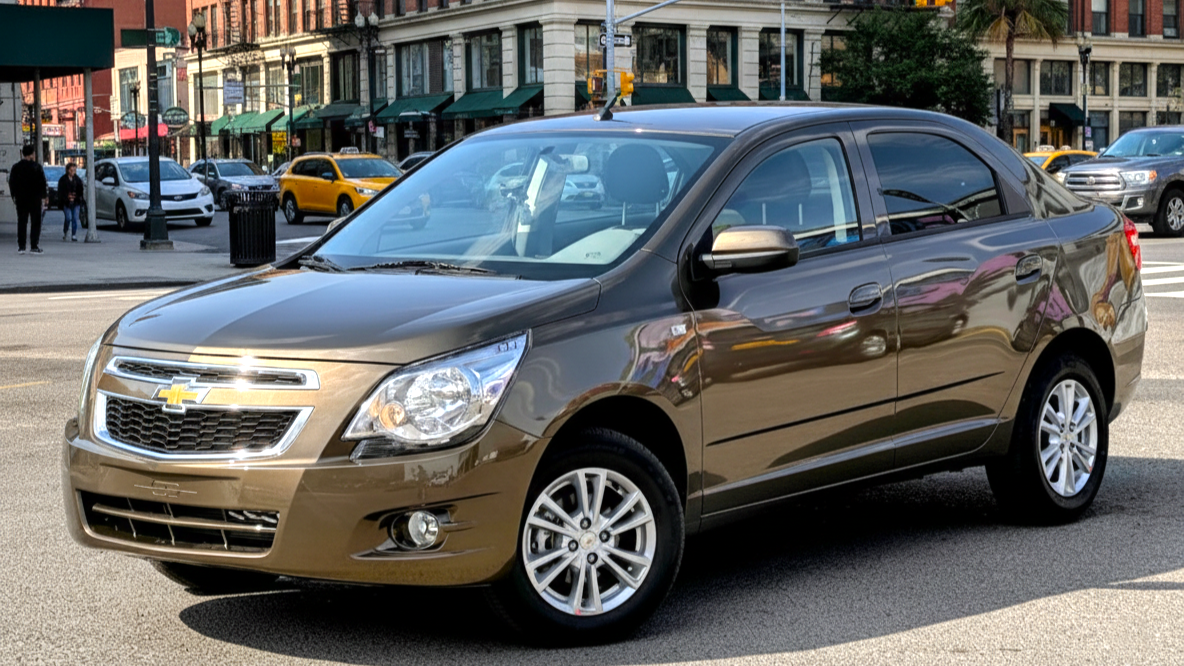
Buying in this segment is a minefield. To find a truly reliable vehicle and avoid buying a "bucket of bolts," follow these rules.
1. "Turnkey" Budgeting
If you have exactly $10,000 in hand, you cannot afford a $10,000 car. Your maximum purchase budget is $8,500. The remaining $1,500 is your contingency fund for initial maintenance (oil, filters, timing belts/chains, brake pads, tires), insurance, and registration taxes. Believe it. even a "perfect" car will require investments in the first month.
2. History is Everything
Do not consider vehicles without a transparent service history. If the seller says, "I changed the oil myself in the garage, no receipts," turn around and walk away. Look for cars with a stack of repair orders or a stamped service booklet. This shows that maintenance was not skimped on.
3. Database Checks
Before inspecting, always check the vehicle via its VIN using history services (like Carfax or AutoCheck). This will help weed out cars with salvage titles after total loss accidents, rolled-back odometers, or legal liens.
4. Professional Pre-Purchase Inspection (PPI)
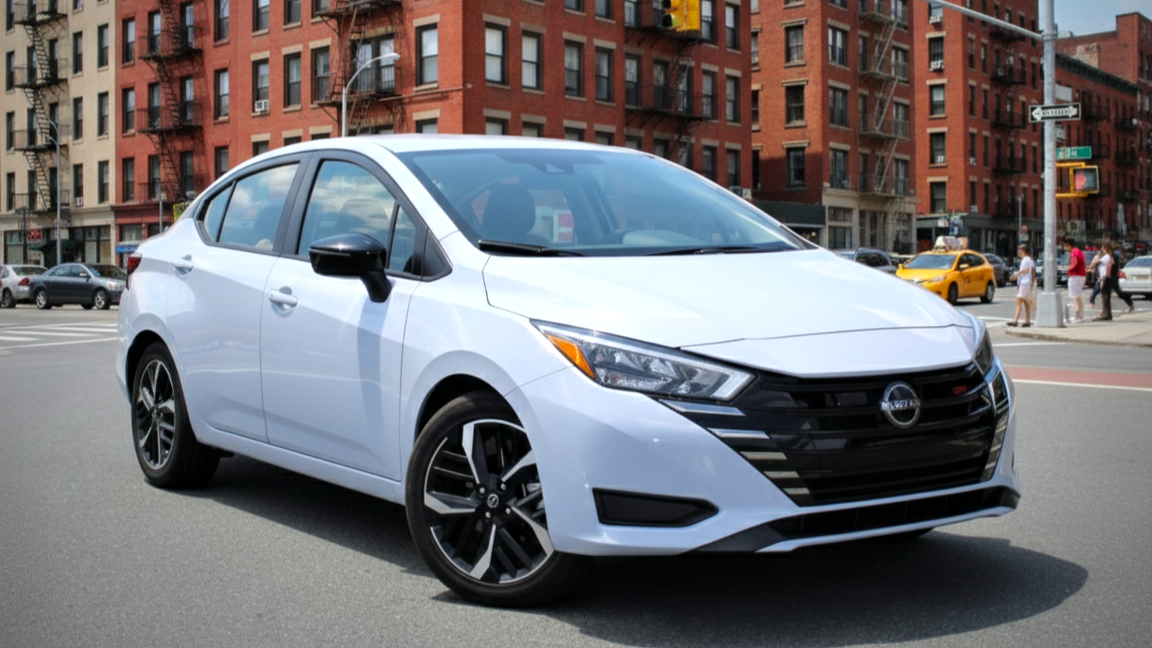
This is the most important point. Never buy a car in this budget without an inspection at an independent mechanic shop. A $100-$150 diagnostic check can save you from $2,000 in repairs.
What to check. Computer diagnostics (active codes, real-time engine parameters), compression test, suspension inspection on a lift, and most importantly, checking the body with a paint thickness gauge for bondo and evidence of past serious accidents.
5. The Test Drive
Do not hesitate to conduct a lengthy test drive. The car should be cold at startup. Listen for extraneous noises, and check the operation of the automatic transmission in all modes (smoothness of shifts when cold and when hot). Check the operation of all electrical components. air conditioning, power windows, and the heater in all positions.
Conclusion
Summarizing the results, we can state with confidence that finding a worthy automobile under 10,000 dollars is realistic, but it requires patience, cold calculation, and a systematic approach. The models from Toyota, Honda, Mazda, and other manufacturers presented in our list are rightfully considered the best used cars under 10000 because they have proven their ability to resist time and mileage.
Your success in the search depends not so much on luck, but on your willingness to invest time in verification. Remember that even the most reliable cheap cars can be brought to a deplorable state by poor maintenance. Therefore, your goal is not just to buy a specific model, but to find the best condition example of that model available on the market.
The market is full of offers, and finding the best cheap used cars that will not bankrupt you with repairs is an achievable task. The main thing is not to chase exterior gloss and always keep a reserve of money in mind for unforeseen expenses. When browsing through the cheapest cars for sale, always prioritize transparency and mechanical soundness over lower prices. Happy hunting and safe roads!

