



Best Uber Cars for Comfortable and Profitable Drivin
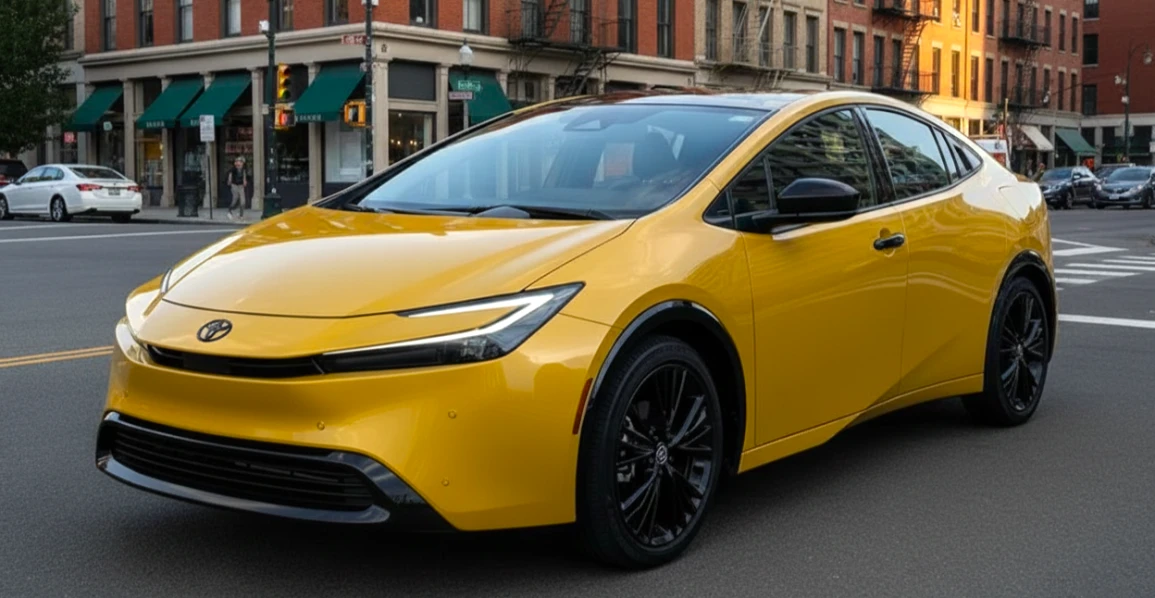
Choosing the best car for Uber is not just about style or comfort–it’s a business decision that can define a driver’s income, passenger ratings, and long-term savings. The right car affects every ride: from fuel consumption to maintenance costs and overall satisfaction. In this guide, we’ll explore how to choose wisely, what types of vehicles work best for Uber, and which models in 2025 truly stand out as the best Uber cars.
Working as an Uber driver means your car is both your office and your investment. The right choice will balance reliability, efficiency, and passenger comfort while keeping expenses low. Below, we’ll break down the key selection criteria, discuss ideal car types, and present a curated top-10 list of models that combine profitability and pleasure behind the wheel.
Main Criteria for Choosing a Car for Uber
Reliability and Maintenance Cost
Reliability is the foundation of profitability. Frequent repairs and downtime can drastically cut your income. Japanese brands such as Toyota and Honda dominate here–models like the Corolla or Civic can easily run over 300,000 miles with regular servicing. Drivers appreciate predictable maintenance and widely available spare parts, which keep annual expenses lower than competitors.
Fuel Efficiency and Hybrid Options
Fuel costs often account for 30–40% of an Uber driver’s operating budget. That’s why many experienced drivers say the good car for Uber must deliver at least 40 mpg (≈5.8 L/100 km). Hybrid models like Toyota Prius or Hyundai Ioniq offer incredible savings, while full-electric options such as Tesla Model 3 or Chevrolet Bolt eliminate fuel expenses entirely. The higher purchase price of an EV can be offset by government incentives and reduced long-term operating costs.
Passenger Comfort
Riders consistently rate comfort as a top factor in Uber reviews. A spacious back seat, quiet cabin, and smooth suspension contribute to 5-star ratings and more repeat passengers. Mid-size sedans like Toyota Camry Hybrid or Honda Accord balance comfort and cost, while compact SUVs such as Kia Niro provide easier entry and better visibility without losing fuel economy.
Vehicle Price and Depreciation
For professional use, a car must not only be affordable to buy but also hold its value over time. Toyota and Hyundai hybrids have some of the best resale values in the industry–often retaining up to 65% of their worth after five years. When choosing the best Uber cars, factor in both initial cost and depreciation, as this directly influences your net profit.
Safety Features
Modern Uber drivers must consider safety ratings and technology. Vehicles with high crash-test scores, multiple airbags, and advanced driver-assistance systems (ADAS) not only protect passengers but also lower insurance premiums. Systems like lane-keeping assist, automatic braking, and blind-spot monitoring are now essential rather than optional.
The Best Types of Cars for Uber
Sedans: The Workhorse of Ride-Sharing
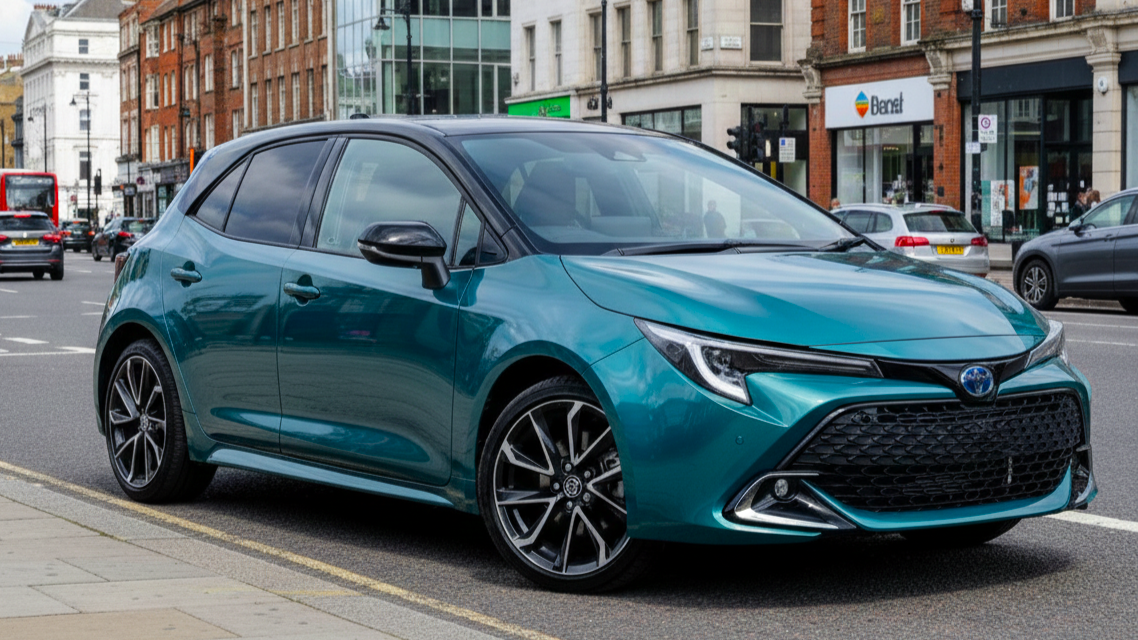
Sedans remain the most popular segment for UberX due to their balance of efficiency, comfort, and affordability. Models like the Toyota Corolla Hybrid, Hyundai Elantra, and Honda Civic dominate the market thanks to low fuel consumption (≈4–5 L/100 km) and high reliability. They’re easy to park in urban environments and require minimal maintenance.
Hatchbacks: Compact and Cost-Effective
Hatchbacks offer practical cargo space and agility in city traffic. The Hyundai Ioniq, Toyota Prius C, and Mazda3 Hatchback are strong choices for drivers who prioritize low fuel use and easy maneuvering. Their compact size also helps reduce tire and brake wear–important for those completing 100+ rides per week.
Crossovers and SUVs: Comfort Meets Versatility
For Uber Comfort or UberXL, small SUVs like the Kia Niro, Honda CR-V, or Toyota RAV4 Hybrid provide higher seating positions and larger trunks, ideal for airport runs or family passengers. Though fuel consumption is higher than sedans, these models often attract premium fares that offset extra costs.
Hybrids and Electric Cars: The Future of Uber
Sustainability is no longer optional. With Uber’s growing Green and Zero Emissions programs, hybrids and EVs represent the platform’s future. The Tesla Model 3, Hyundai Ioniq 5, and Chevrolet Bolt EV stand out for drivers wanting zero fuel costs and quiet, smooth acceleration. The downside remains limited charging infrastructure in some regions, but this is improving rapidly across North America and Europe.
Top 10 Best Models for Uber
Choosing the right car for Uber is one of the most important decisions a driver can make. The ideal Uber vehicle must balance fuel efficiency, passenger comfort, reliability, and long-term ownership costs. Below is a carefully selected list of the best Uber cars for 2025, trusted by experienced drivers around the world and proven to deliver consistent earnings.
1. Toyota Prius Hybrid
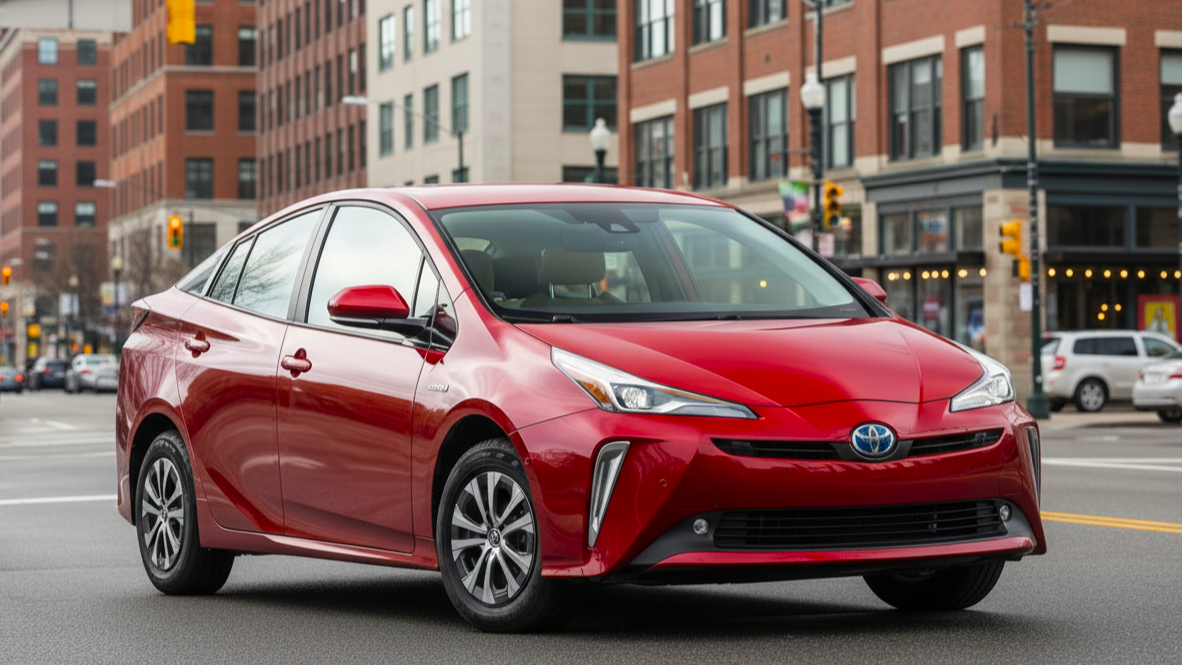
The undisputed Uber legend. The Toyota Prius remains the gold standard for Uber drivers. With outstanding fuel efficiency of around 56 mpg, legendary reliability, and low maintenance costs, it’s hard to find a better overall option. The quiet hybrid system creates a smooth ride, while the spacious interior keeps passengers comfortable even on longer trips. For many drivers, the Prius is simply the smartest way to maximize profits.
2. Toyota Camry Hybrid
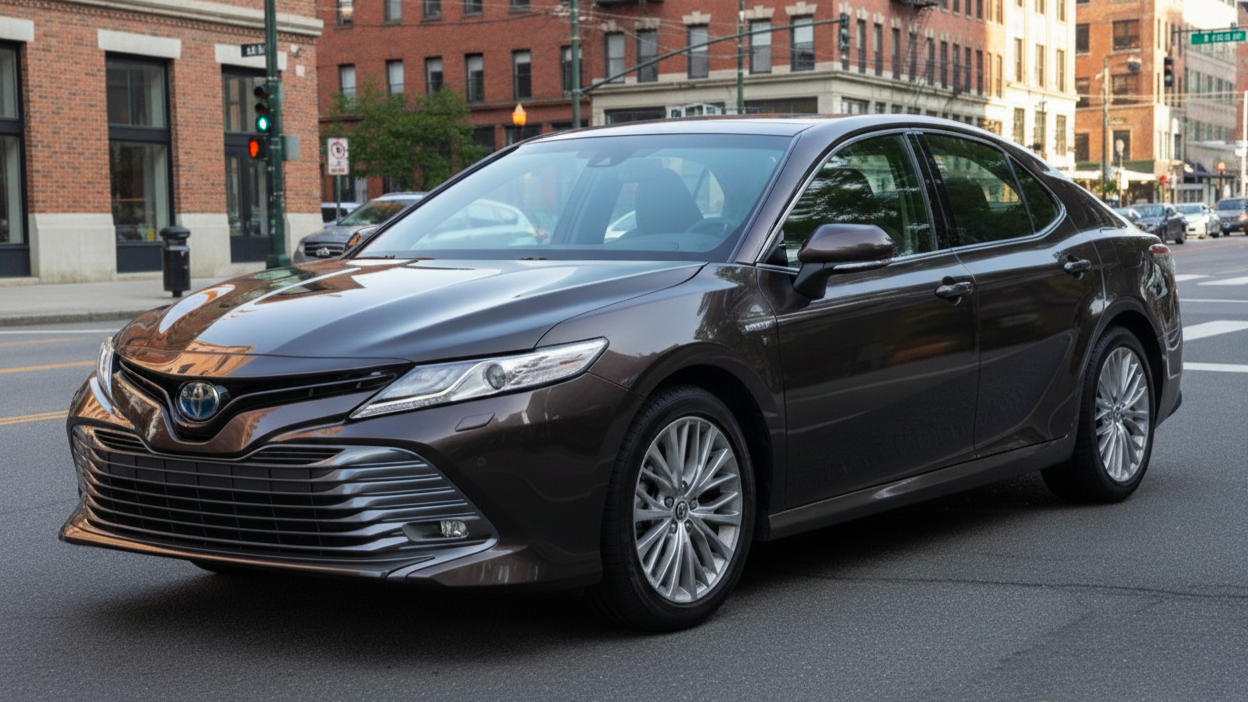
Comfort meets efficiency. For Uber Comfort and business-class rides, the Camry Hybrid is a top choice. It offers a noticeably more spacious cabin, smooth suspension, and a premium feel—without sacrificing fuel economy. Ideal for drivers who want higher-paying rides and passengers who value comfort and quietness.
3. Kia Niro Hybrid / EV
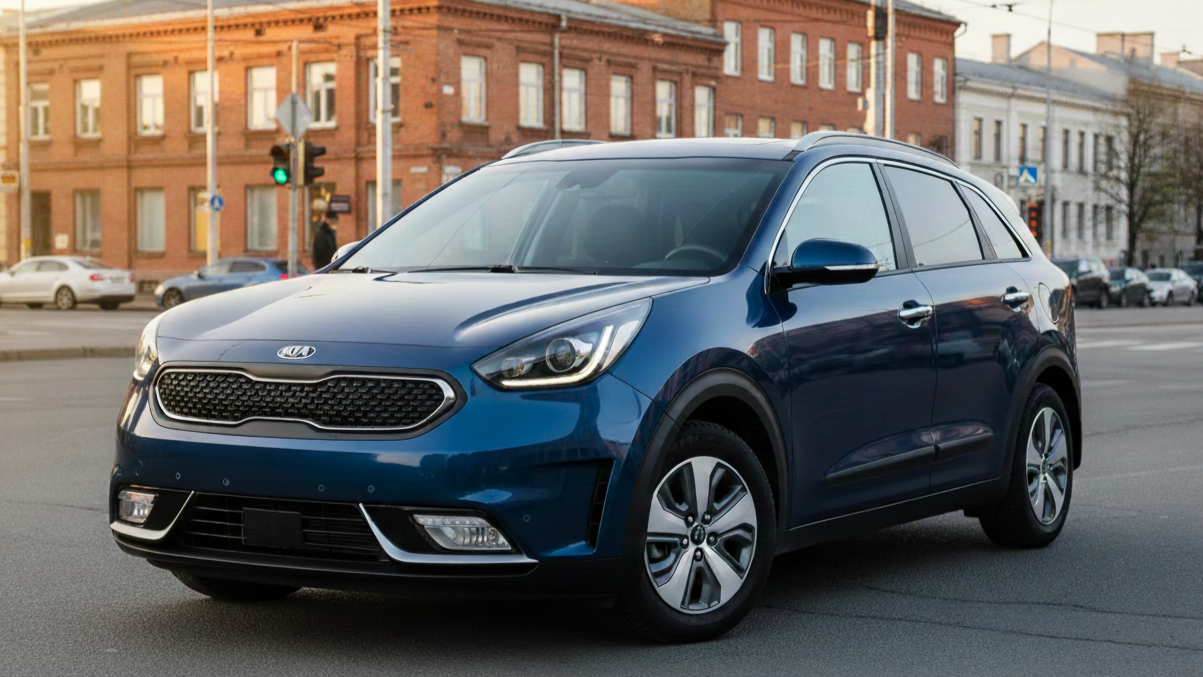
Versatile and city-ready. The Kia Niro combines the practicality of a compact crossover with impressive efficiency. Available in both hybrid and fully electric versions, it’s perfect for urban driving and longer trips alike. High safety ratings, elevated seating, and generous cargo space make it a favorite among both drivers and riders.
4. Hyundai Ioniq Hybrid
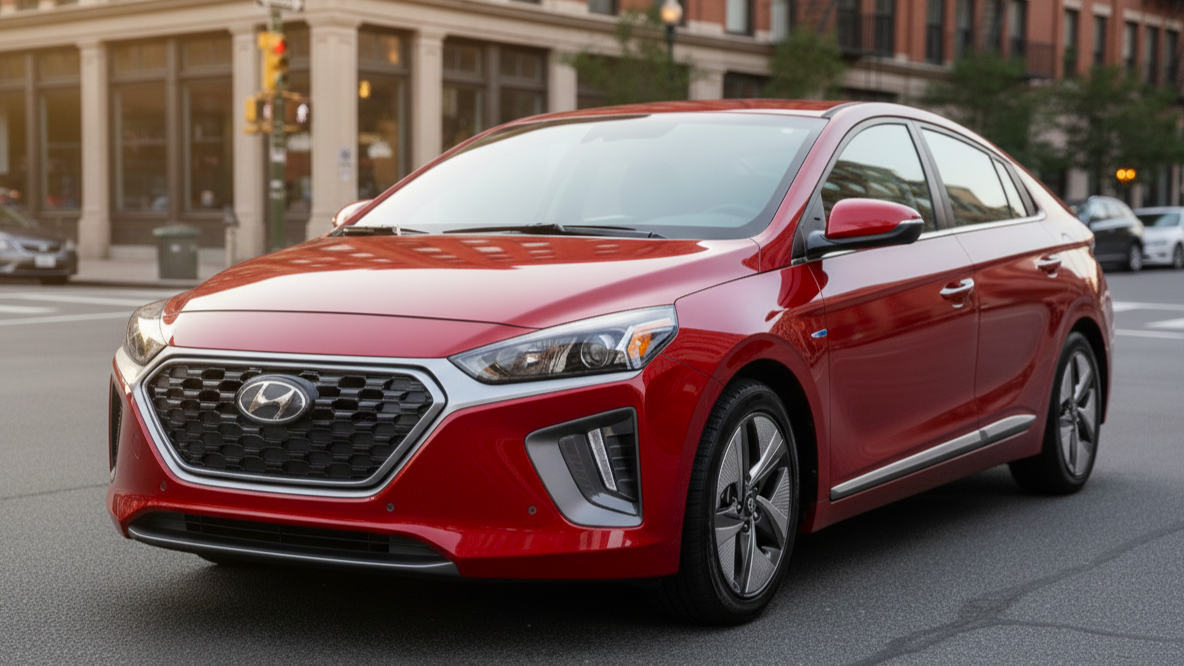
Modern, efficient, and driver-friendly. A direct competitor to the Prius, the Hyundai Ioniq Hybrid stands out with its sleek design, intuitive tech, and excellent fuel economy (≈55 mpg). Hyundai’s strong warranty coverage adds peace of mind, making it especially appealing for high-mileage drivers. Passengers appreciate its modern interior, while drivers enjoy its low running costs.
5. Tesla Model 3
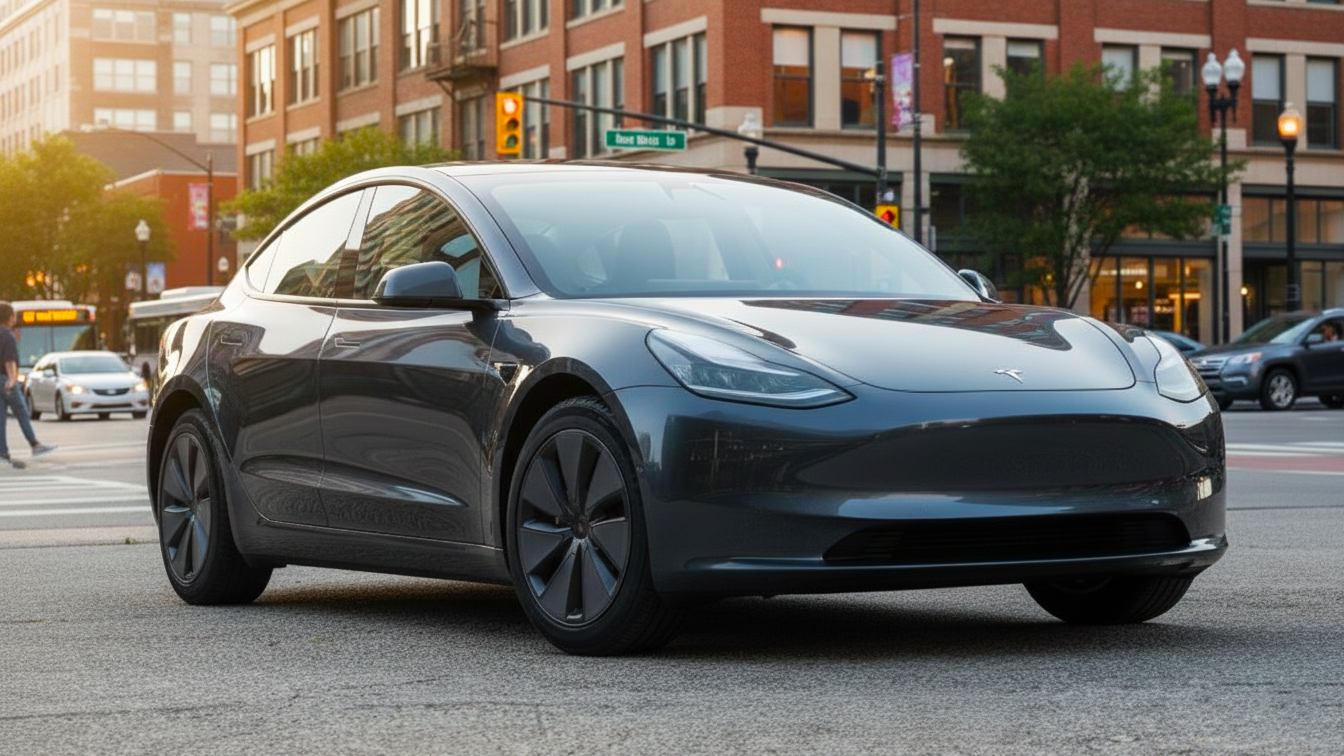
The best electric Uber car for modern cities. For drivers with access to reliable charging, the Tesla Model 3 offers a premium Uber experience. Instant acceleration, ultra-smooth driving, and zero fuel costs make it highly attractive. Riders love the futuristic interior, while drivers benefit from lower maintenance and strong brand appeal.
6. Honda Civic
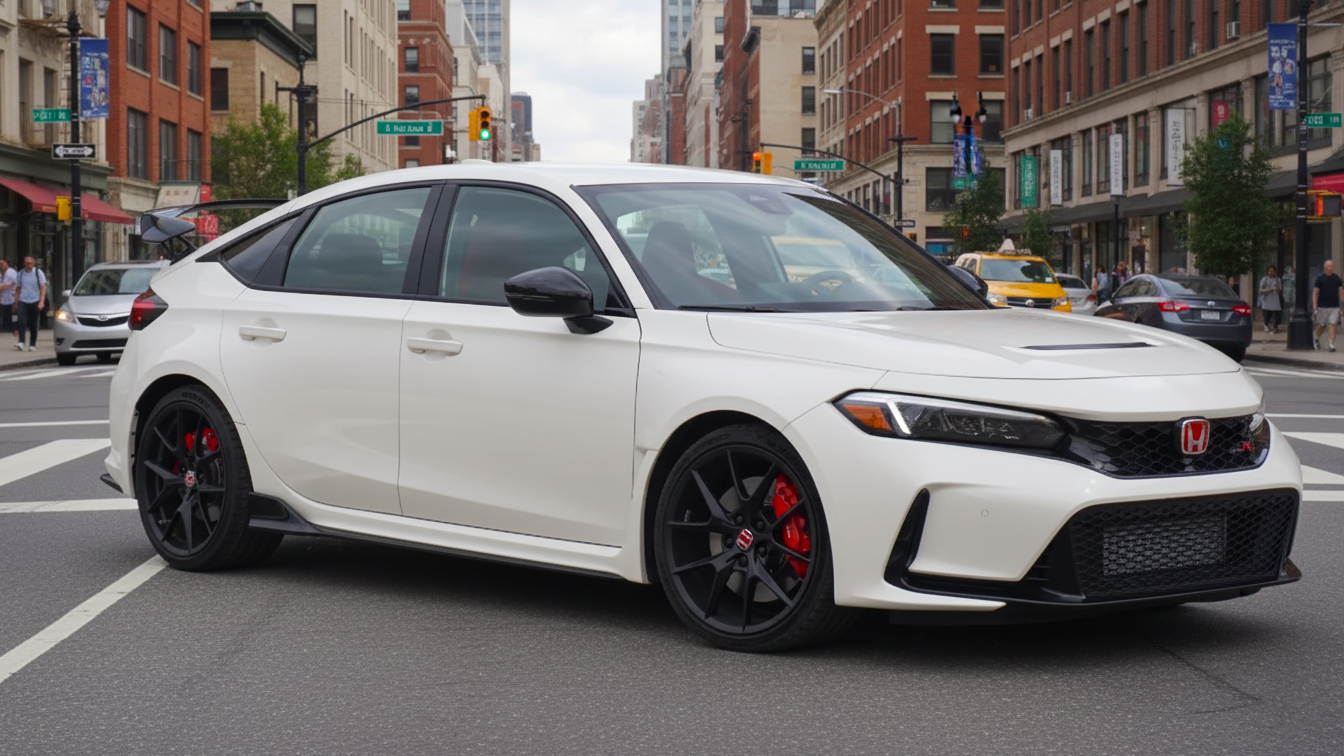
Reliable, familiar, and always in demand. The Honda Civic has earned its reputation as a dependable workhorse. It delivers a comfortable ride, solid fuel economy, and responsive handling. Its balanced character makes it suitable for both short city trips and longer airport rides, keeping satisfaction high on both sides.
7. Hyundai Elantra Hybrid
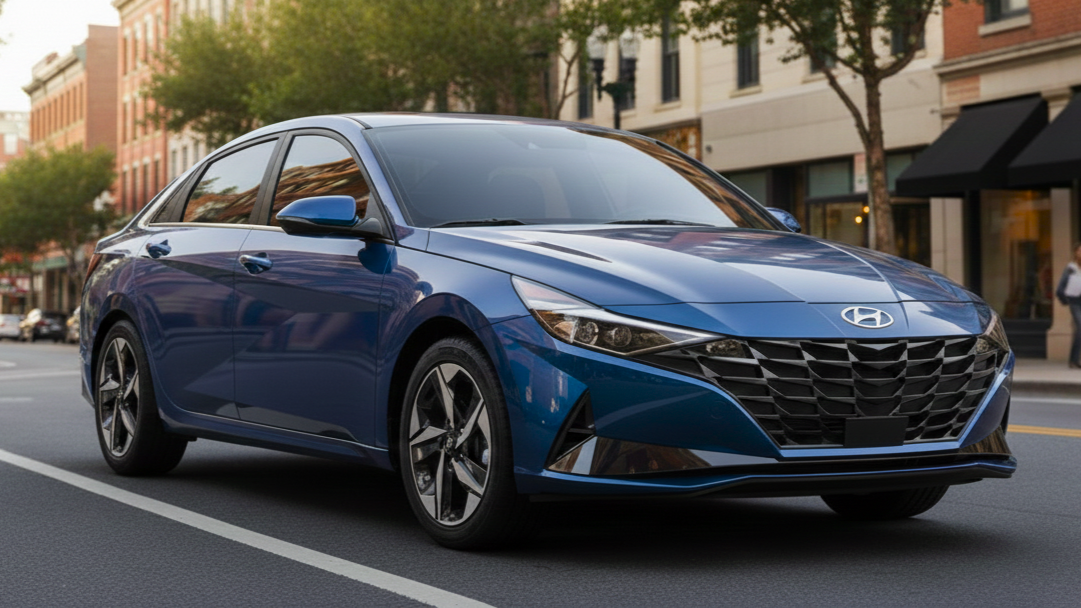
Affordable efficiency with style. One of the most budget-friendly hybrid sedans on the market, the Elantra Hybrid offers excellent mileage and a surprisingly modern design. The spacious interior and advanced safety features make it a smart entry point for drivers transitioning into hybrid Uber driving.
8. Toyota Corolla Hybrid
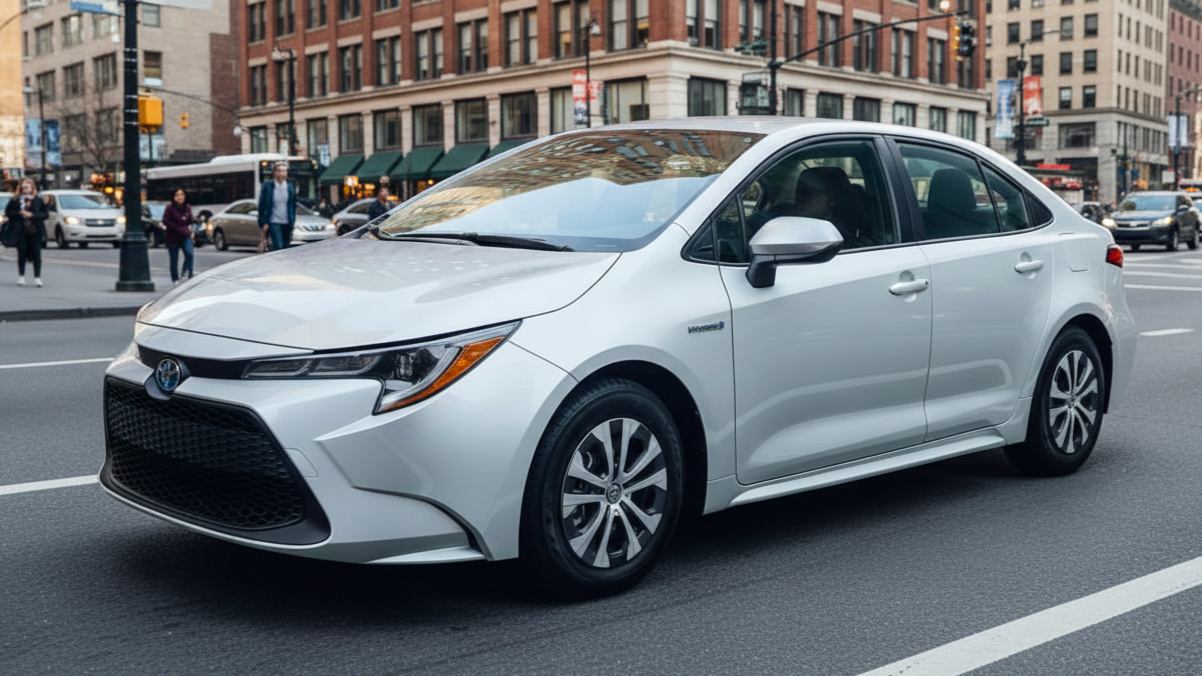
Simple, durable, and cost-effective. The Corolla Hybrid is all about long-term value. It’s incredibly reliable, easy to maintain, and fuel-efficient. While not flashy, it excels where it matters most—keeping costs low and uptime high, which is crucial for consistent Uber income.
9. Chevrolet Bolt EV
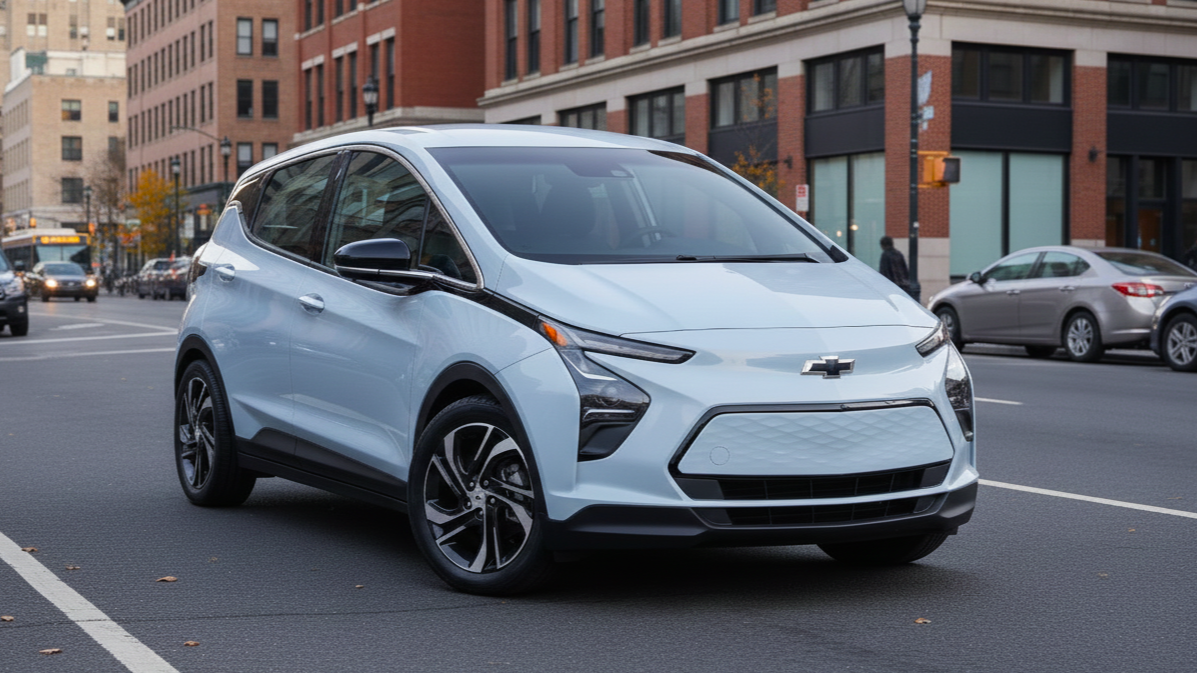
Urban electric efficiency. Compact yet surprisingly powerful, the Chevrolet Bolt EV is a favorite in dense city environments. Its affordable price, solid driving range, and nimble size make it ideal for frequent short trips. Low charging costs and minimal maintenance further boost profitability.
10. Honda Accord Hybrid
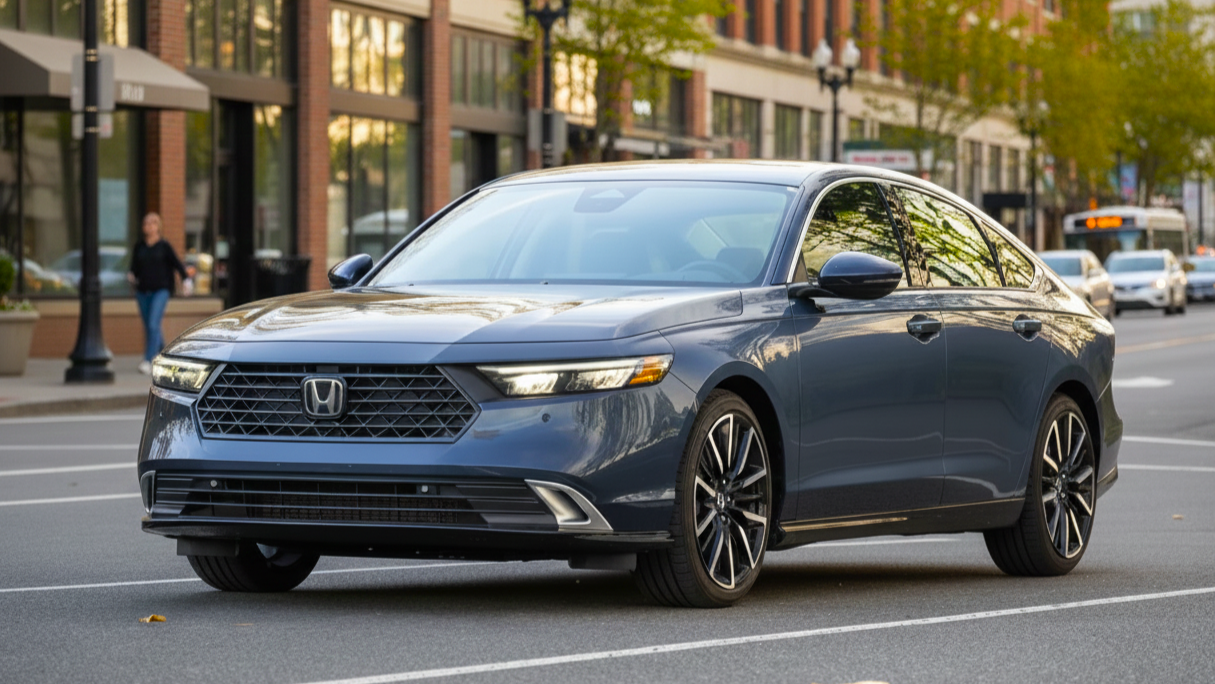
Space, comfort, and premium feel without luxury pricing. For drivers who want extra legroom and a more refined experience, the Accord Hybrid is an excellent choice. It offers a smooth ride, high-quality interior materials, and strong fuel efficiency—making it perfect for longer rides and higher-rated trips.
Key Aspects of Operating an Uber Vehicle
Driving professionally isn’t just about owning the best car for Uber; it’s about how you manage it.
- Regular Maintenance: Routine servicing extends vehicle life and ensures safety. Oil changes, tire rotations, and brake inspections prevent costly repairs later.
- Cleanliness: A spotless cabin and polished exterior directly affect passenger ratings. Keep wipes, air fresheners, and a portable vacuum in the trunk.
- Minimizing Wear and Tear: Choose routes with smoother surfaces when possible. Avoid harsh acceleration and braking–this saves tires, fuel, and suspension.
- Smart Route Planning: Use apps like Waze or Uber’s built-in navigation to minimize idle time and fuel waste. Avoid peak congestion zones unless surge pricing compensates for delays.
- Experienced drivers know: a good car for Uber combined with mindful maintenance equals higher long-term profit.
5. Cost and Profitability
When evaluating the best Uber cars, always calculate total cost of ownership (TCO). This includes:
- purchase price or lease payment;
- insurance;
- maintenance and repairs;
- fuel or electricity;
- depreciation.
For example, a Toyota Prius Hybrid costs more upfront than a standard gas sedan but saves up to $1,500 per year in fuel and maintenance. Over five years, this difference can exceed $7,000 in net savings. Electric cars, though pricier to buy, have near-zero fuel costs and fewer moving parts. Drivers using Tesla Model 3 or Hyundai Ioniq 5 report annual savings up to $2,000 compared to gas models, depending on local electricity rates and incentives. When calculating profitability, factor in Uber bonuses for Uber Green and Comfort categories. These higher fares can shorten payback periods and boost ROI.
6. Buying Tips for Uber Drivers
- New vs. Used: New cars offer warranty and peace of mind, but lightly used models (1–3 years old) often provide better ROI due to lower depreciation.
- Check the Vehicle History: Before buying used, review maintenance records and accident reports. Certified Pre-Owned (CPO) hybrids are ideal for Uber.
- Uber Certification Requirements: Ensure your car meets Uber’s regional standards: age limit, four-door design, and minimum safety ratings.
- Financing and Leasing: Some automakers (e.g., Hyundai, Toyota) offer ride-share-friendly financing with flexible mileage caps.
Conclusion
Choosing the best car for Uber in 2025 means balancing comfort, reliability, and economy. A vehicle that saves fuel, maintains safety, and delights passengers will quickly pay for itself. Toyota and Hyundai remain industry benchmarks, while EVs like Tesla Model 3 point toward the future of sustainable ride-sharing.
Ultimately, the best Uber cars are those that fit your driving style, local conditions, and long-term business goals. Think of your vehicle not just as transportation, but as your partner in success. Plan carefully, drive smart, and your Uber journey will be as rewarding as it is efficient.

