



Best Sounding Engine: Legendary Car Sounds Explained
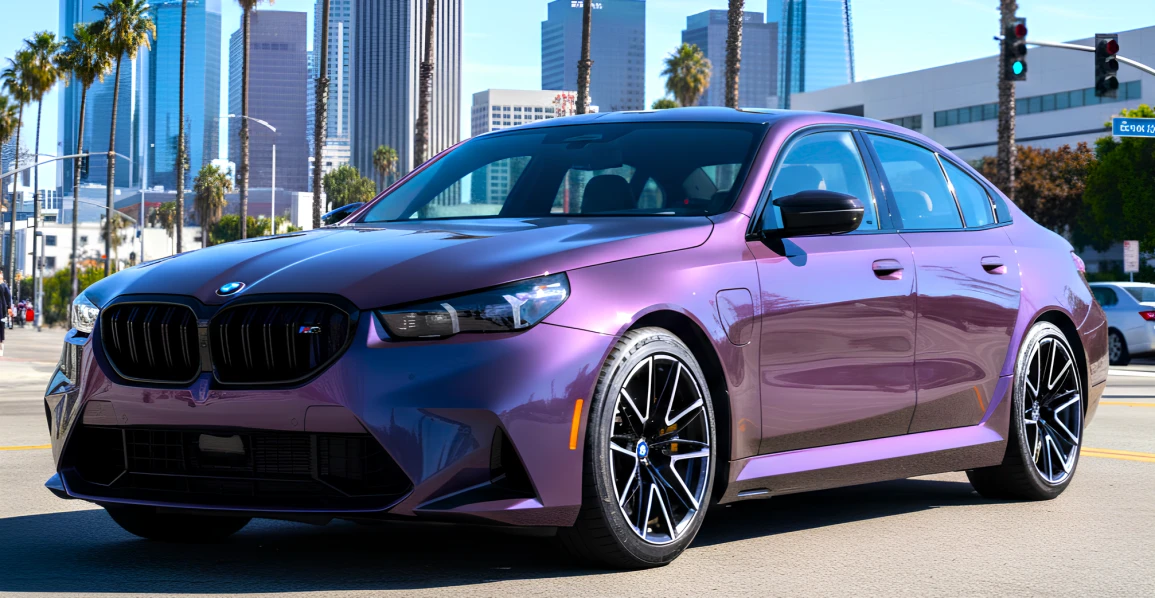
In the automotive world, people usually compare numbers: power, acceleration, top speed. Yet for those who truly understand cars, the core emotion does not come from spec sheets. It appears the moment the engine comes to life. At that instant, car sounds shape the very first impression of a machine and often determine whether it will stay memorable for years.
This is why best sounding cars often achieve cult status, even if over time they lose to newer models in performance or technology. Sound is not a secondary effect — it is a value of its own, directly tied to engineering decisions.
Why engine sound is an essential part of automotive emotion
Engine sound is a form of communication between the machine and the driver. Through tone, richness, and throttle response, an experienced driver can understand the engine’s operating state and how close it is to its limits without relying on instruments. A best sounding engine always stands out with predictability and clarity of response, not just volume.
The emotional impact is rooted in physics: vibrations, resonance, and frequency characteristics act directly on human senses. This is why many naturally aspirated engines of the past evoke stronger feelings than modern powertrains that may be technically advanced but acoustically sterile.
How exhaust and engine configuration create legendary sound
The final sound of a car is the product of the entire system working together. Engine configuration sets the base tone, while the exhaust system shapes its final character. The length of the headers, the design of the resonators, and valve tuning all influence the richness and purity of sound at different RPM ranges.
In legendary models, engineers deliberately worked on sound to achieve harmony between mechanical honesty and acoustic expressiveness. That is how best sounding cars emerged — instantly recognizable even when unseen.
Below, we examine cars that became timeless thanks to their sound. These are not just powerful machines, but carefully engineered examples of how sound can be the defining element of automotive character.
What makes a car sound legendary

Engine configuration and cylinder count
The number and layout of cylinders define the basic frequency structure of sound. V10 and V12 engines offer a wide and smooth range, while flat and inline engines create more distinctive and recognizable tones. Perception is also influenced by the evenness of firing pulses, which is closely tied to layout and cylinder angles.
Exhaust type and tuning
Even a superb engine can sound mediocre without the right exhaust setup. Exhaust tuning determines clarity, depth, and the absence of unwanted resonance. A well-designed exhaust does not amplify sound artificially but emphasizes the natural character of engine operation.
Naturally aspirated or turbocharged
Naturally aspirated engines maintain a direct connection between RPM and sound. Turbocharging increases efficiency but often reduces acoustic expressiveness. This is why naturally aspirated engines are often perceived as more honest and predictable in terms of sound feedback.
RPM and throttle response
The car sounds we remember most come alive as RPM rises, when the engine delivers linear response and a stable tone without dips or distortion. The more precise the throttle response, the more clearly the driver perceives the engine’s behavior through sound rather than electronic indicators.
Top 9 best sounding cars
Ferrari V12 (multiple generations)
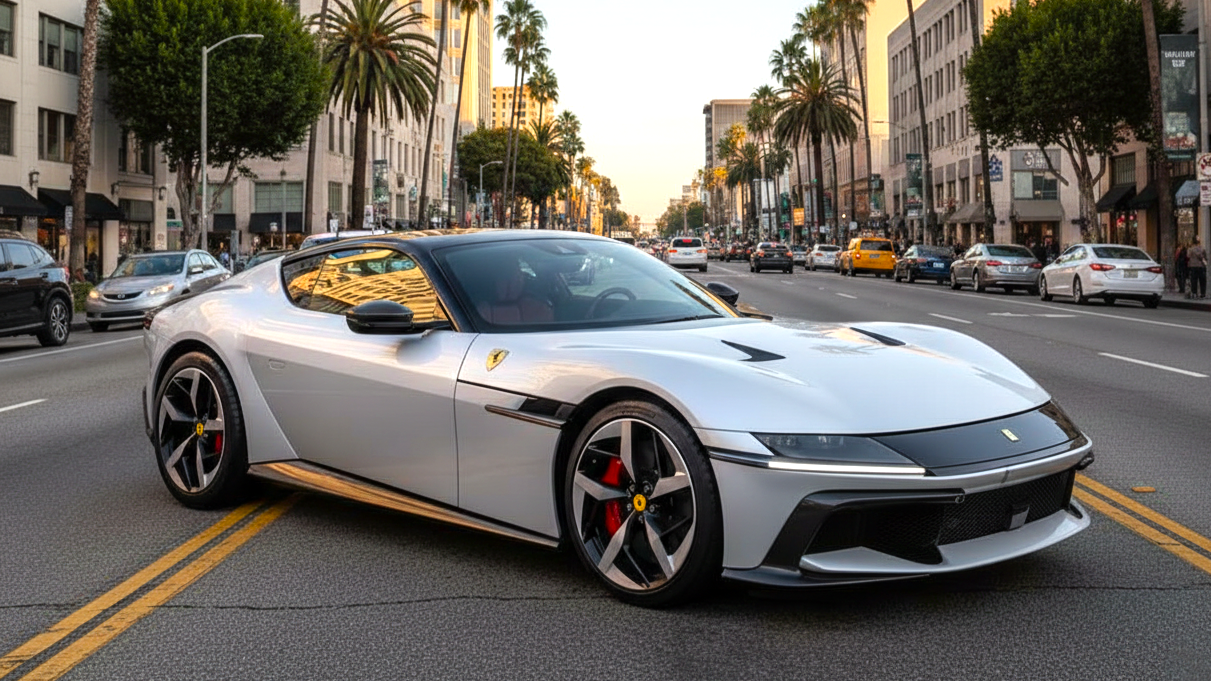
The Ferrari V12 is valued not for loudness, but for the engineering purity of its sound. In the most successful generations of these engines, you can hear an even firing structure, a transparent rise in RPM, and the absence of unwanted overtones that often appear under load in less refined designs. The naturally aspirated layout is fundamental here: it preserves a direct link between throttle position and changes in tone. The driver hears not an effect, but the actual mechanical process of the engine at work.
As RPM increases, the sound shifts into a higher frequency range without losing density or definition. It does not fall apart into separate noises, nor does it become harsh. This is the sign of proper balancing and precise exhaust tuning. That is why the Ferrari V12 is perceived as a benchmark: the emotion comes not from aggression, but from mechanical accuracy and predictable response.
Lamborghini V12

With a similar engine configuration, Lamborghini chooses the opposite acoustic philosophy. Here, the sound is tuned for dominance from the outset. The tone is harsher, the attack under throttle input sharper, and the sense of tension is present even at mid-range RPM. The exhaust and overall calibration emphasize not purity, but force of delivery.
As RPM rises, the sound becomes denser and sharper, reinforcing associations with speed and an extreme operating mode. This character does not aim for universality. It is designed for a strong emotional reaction and underlines the aggressive image of the brand. For this reason, Lamborghini consistently appears in lists of best sounding cars, despite their uncompromising nature.
Porsche 911 (air-cooled and water-cooled)
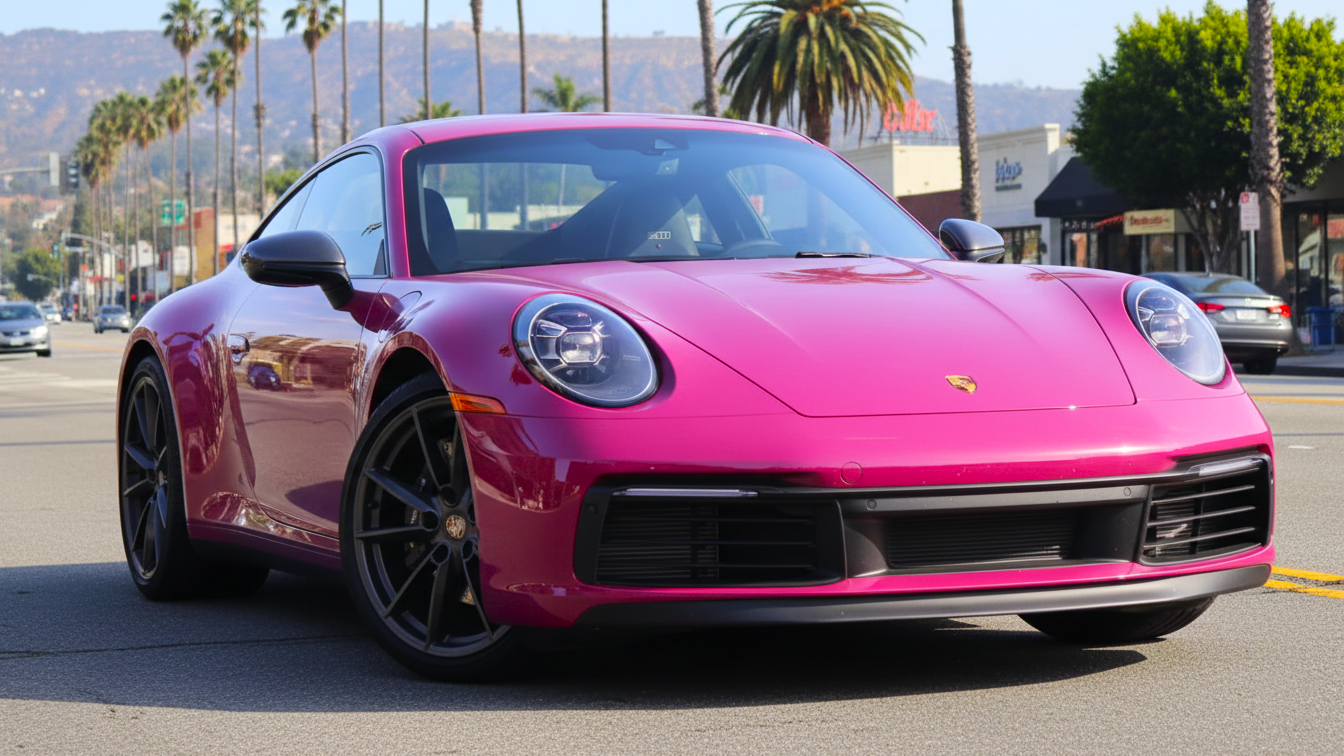
The Porsche 911 is an example of how engine layout creates a unique acoustic identity. The flat-engine configuration establishes its distinctive firing rhythm and specific frequency structure, different from V-shaped engines. In air-cooled versions, the sound is more mechanical and textured. Water-cooling makes the delivery smoother and more consistent, yet the fundamental character remains.
At high RPM, the engine produces a taut, focused tone without excessive sharpness. The Porsche 911 is recognized not for volume, but for its stable and repeatable acoustic pattern. This consistency is what makes it one of the most recognizable sound signatures in automotive history.
Lexus LFA (V10)

The Lexus LFA holds a special place among best sounding cars, because its engine was originally developed with acoustics as a priority. The V10 of the LFA can rev to extremely high RPM, yet the sound maintains clarity and linearity throughout the range. This is achieved through precise balancing, a short-stroke architecture, and meticulous intake and exhaust tuning.
The key trait is that the tone never becomes overloaded with low frequencies and does not crumble at the top end. The sound remains transparent and informative, allowing the driver to literally navigate by ear. This is why the LFA is often described as one of the most technically refined examples of what a best sounding engine can be.
BMW M5 (V10, E60)

The E60-generation BMW M5 became an exception even within the M lineup. Its V10 unites two contrasting personalities. At low and mid-range RPM, the sound is relatively restrained, without excessive aggression. This creates a sense of controlled power and everyday usability.
Once the engine enters the upper RPM range, the character changes dramatically. The sound becomes denser, richer, and noticeably sharper in frequency structure. This contrast amplifies the sensation of acceleration and highlights the engine’s sporting heritage. It is this combination of calmness and high-rev expressiveness that made the E60 M5 a cult favorite among enthusiasts who value car sounds as part of a model’s identity.
Mercedes-Benz AMG V8
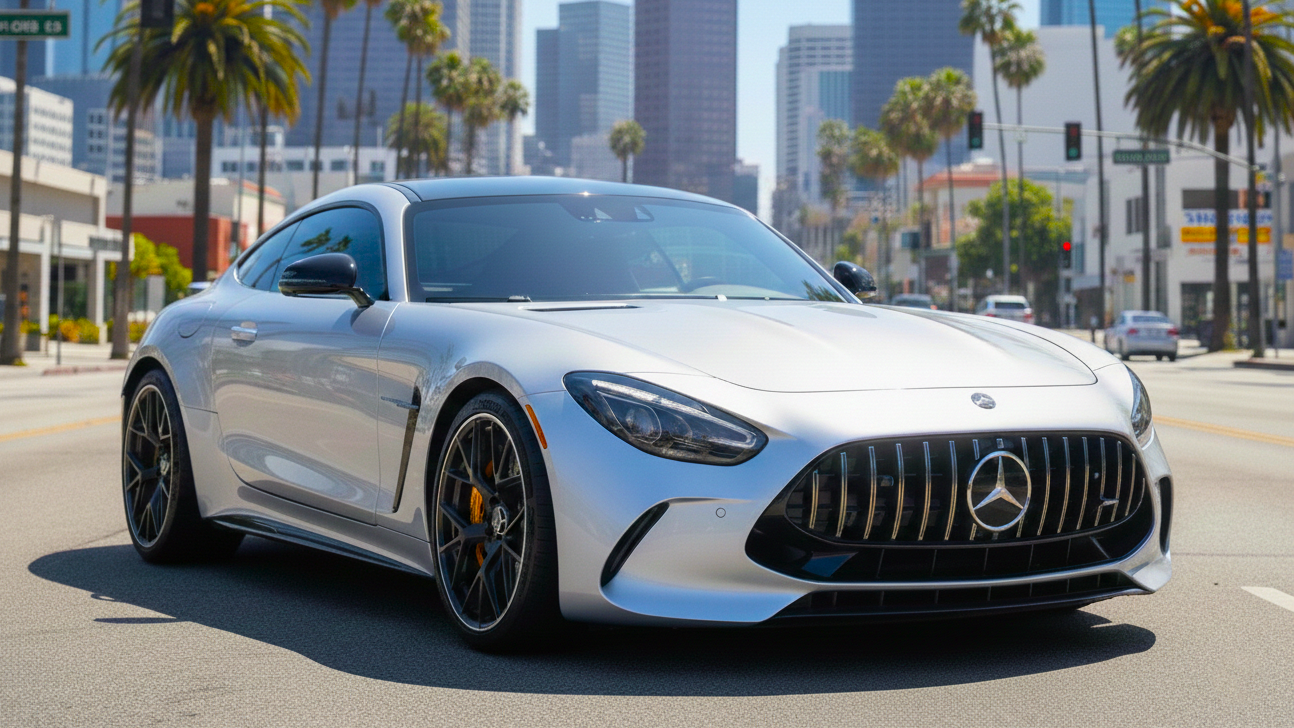
The AMG V8 represents a different acoustic philosophy. Here, the focus is not on RPM, but on displacement and torque. The sound is formed in the low and mid-frequency ranges, creating an impression of mass and constant power reserve. Even with moderate throttle input, the engine sounds full and confident.
As the car accelerates, the tone becomes denser without turning harsh. This reflects AMG’s signature approach, where sound enhances the feeling of strength rather than showcasing maximum RPM. Such character makes the AMG V8 instantly recognizable and explains why it consistently appears in lists of best sounding cars.
Dodge Viper (V10)

The Dodge Viper is an example of the most straightforward approach to sound. Its large-displacement naturally aspirated V10 operates without smoothing its character. The tone is raw, saturated with mechanical vibrations, with a pronounced low-frequency background. The sound is shaped less by tuning and more by the inherent physics of the engine.
Throttle response is immediately reflected in the acoustics, without delay or filtering. This character underlines the essence of the Viper: minimal mediation between driver and engine. For this honesty, the model is appreciated by fans of best sounding cars, where emotion arises not from elegance but from power.
Aston Martin V12
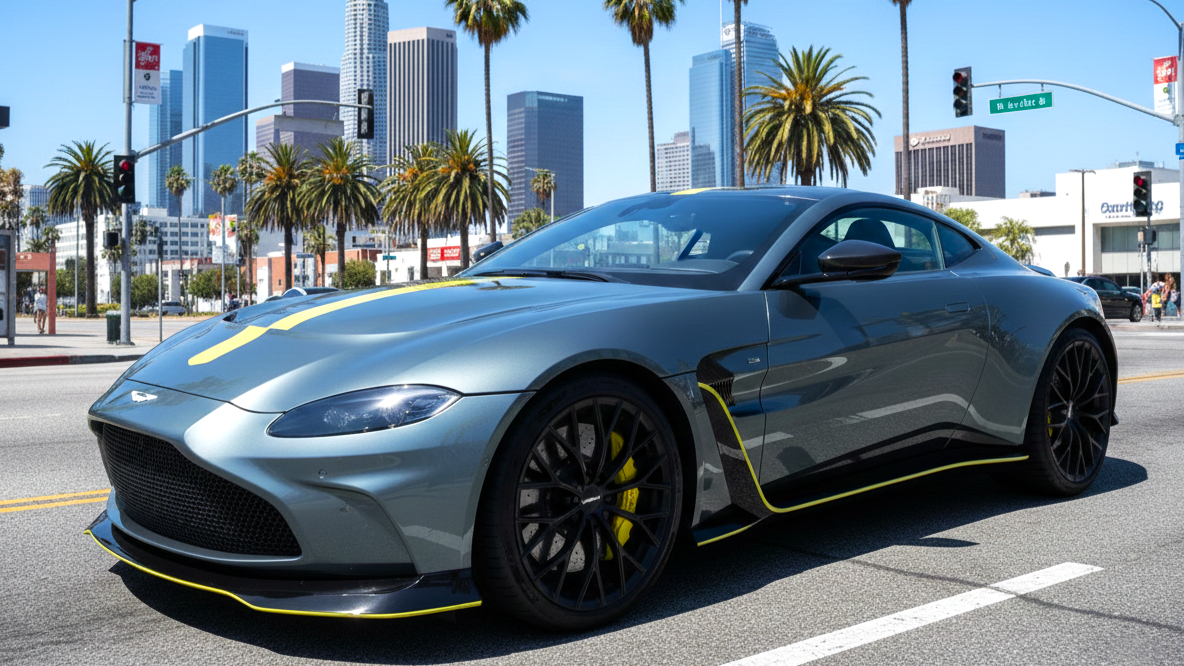
The Aston Martin V12 presents a different balance. Here, the sound is not aggressive or dominant, but reinforces the sense of status and confidence. The tone is smooth and saturated, without sharp peaks. At low and mid-range RPM, the engine sounds dense and calm, delivering the impression of effortless power.
With increased load, the sound becomes more expressive, yet maintains a refined structure. The absence of harshness and overloaded frequencies keeps the perception comfortable even at high RPM. This approach explains why car sounds of Aston Martin are associated with luxury and understated performance.
Mazda RX-7 / RX-8 (rotary engine)
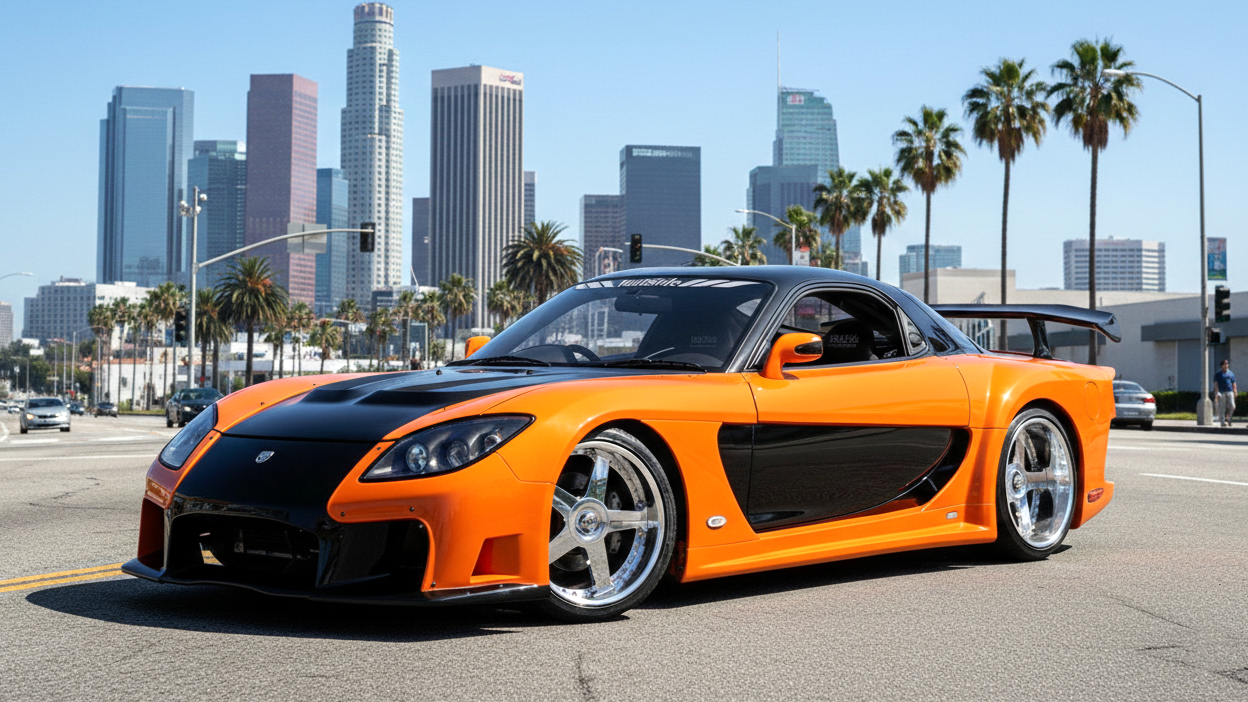
Mazda rotary engines occupy a category of their own. Their sound is formed differently than in piston engines. The lack of traditional cylinder cycles creates a high-frequency, continuous tone with minimal pauses between pulses.
As RPM rises, the sound becomes higher and denser while maintaining consistency. This distinctive quality makes rotary Mazdas instantly recognizable and fundamentally different in perception. Despite technical limitations, the RX-7 and RX-8 remain central to discussions of best sounding cars thanks to their unique character.
Why sound still matters today
Sound directly influences driving emotion and shapes brand perception. For many drivers, acoustics remain a decisive factor when choosing a car, especially in the sports and premium segments. Car sounds act as an instant identifier: even before a car shows its performance, the driver already reads its character through sound.
In practice, engine sound performs several roles:
- emotional — reinforcing engagement and driving pleasure;
- informational — conveying engine load and operating mode;
- identificational — shaping model and brand recognition;
- image-building — reinforcing associations with power, sportiness, or status;
- engineering — reflecting quality of calibration and balance of design.
At the same time, the idea of the best sounding engine is subjective. It depends on driver preference, experience, usage patterns, and expectations. Some prefer high-rev clarity, others low-frequency pull and dense tone. But the core principle remains unchanged: a best sounding engine always provides clear feedback and the feeling of a live mechanical heartbeat.
Crucially, in the era of hybrids and electrification, the role of sound becomes even more important. As technical specifications increasingly converge, acoustics remain one of the few elements capable of preserving a car’s individuality. That is why best sounding cars continue to be valued not as transport, but as sources of sensations that cannot be replaced by numbers or software simulations.
Conclusion
The best sounding cars of all time share not power or rarity, but the ability to evoke emotion through sound. These sensations cannot be replaced by spec sheets or synthetic noise.
Browse our catalog of cars on our website BuyCars.cy and find the model that gives you the sound that sends chills down your spine.

