



The Best Muscle Cars of All Time: From Classic Legends to Modern Icons
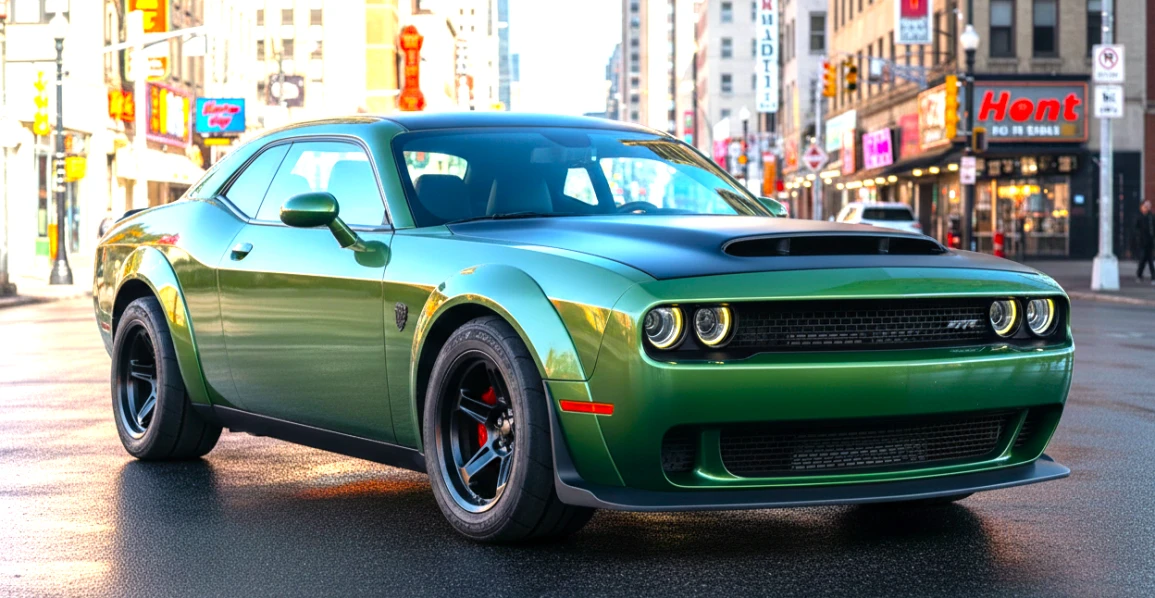
Your neighbor buys a quiet, economical electric car, and you understand why. But deep down, something is missing. What's actually missing is the drama, the character. And most importantly, the sound is missing – that same deep rumble you heard in old movies. The sound of a real muscle car.
Why do these simple and raw machines still command such reverence? They aren't the fastest on a racetrack. And interestingly, they aren't the most technologically advanced. But they are the ones called the best muscle cars of all time. The secret lies in their unique philosophy. And now, we will reveal it.
The Birth of a Legend: How Muscle Cars Came to Be
The history of muscle cars is almost a kind of mythology — a blend of boldness, engineering ingenuity, and the spirit of freedom that defined America in the ’60s. Young people of that era craved speed, the roar of a loud engine, and the sensations that only true performance cars could deliver. But European sports models were expensive and far too “refined” for those who wanted raw, honest power. And that’s where the legend begins.
The Pontiac GTO and the Dawn of Automotive Superheroes
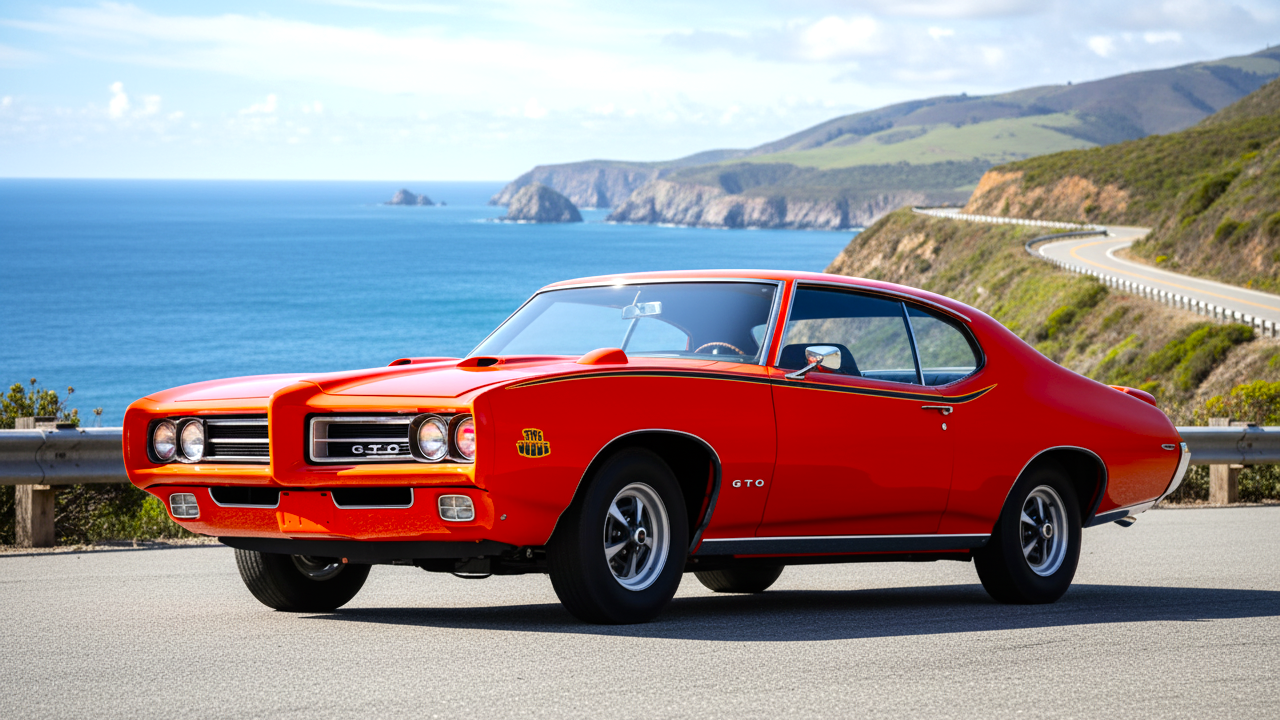
In 1964, a team of engineers led by John DeLorean (yes, that one), bypassing General Motors' corporate prohibitions, installed a massive 6.4-liter V8 engine from a full-size sedan into the lightweight and affordable Pontiac Tempest coupe. Thus, the Pontiac GTO was born – the first official muscle car. The formula of "big engine + small body" worked perfectly. The GTO was incredibly fast and inexpensive.
The success was overwhelming. Other manufacturers – Ford, Chevrolet, Dodge, Plymouth – immediately joined the arms race. Americans fell in love with muscle cars for their honesty, affordability, and the incredible sense of power they provided.
The Golden Era of the 1960s–70s
The decade from the mid-60s to the early 70s was the golden age of muscle cars. Power grew with each passing year, and designs became increasingly aggressive.
The Dodge Charger, Chevelle SS, and Other Icons That Conquered Streets and Screens
- Dodge Charger R/T (1968–1970). One of the most charismatic muscle cars. Its brutal design with hidden headlights and a "Coke bottle" body profile became iconic. And after its roles in the movie "Bullitt" and the TV series "The Dukes of Hazzard," the Charger was forever cemented as the bad boy's symbol.
.png?_t=1763447593)
- Chevrolet Chevelle SS (1970). The SS 454 version with a 7.4–liter Big–Block engine producing 450 hp was the king of street racing. It is still considered one of the most powerful production cars of its era.
.png?_t=1763447517)
- Plymouth Hemi ‘Cuda (1970–1971). The legendary Hemi 426 engine turned this compact car into a true monster. Rare and incredibly expensive today, the Hemi ‘Cuda is the "Holy Grail" for collectors.
.png?_t=1763447517)
Cool classic muscle cars became an integral part of American culture, symbolizing freedom, power, and an era when gasoline was cheap and the roads were open.
The Dark Times and the Revival
The golden age of muscle cars ended abruptly and cruelly. In 1973, the oil crisis, caused by the OPEC embargo, struck. Gasoline prices in the US quadrupled almost overnight. The huge, gas-guzzling V8 engines turned from a symbol of freedom into a symbol of wastefulness.
How the Oil Crisis Nearly Killed Muscle Cars – and Who Saved Them
The blow came from several directions at once. In addition to the fuel crisis, the US government introduced new, much stricter environmental regulations (the Clean Air Act), which required the installation of catalytic converters and a switch to unleaded gasoline. This "strangled" the powerful engines.
At the same time, insurance companies, concerned about accident statistics involving young drivers in muscle cars, introduced prohibitive rates, making ownership of such a car excessively expensive.
Manufacturers found themselves at a dead end. Demand for classic muscle cars plummeted. Legendary names began to disappear one by one.
- Plymouth ceased production of the Road Runner and Barracuda.
- Dodge discontinued the Charger in its classic form.
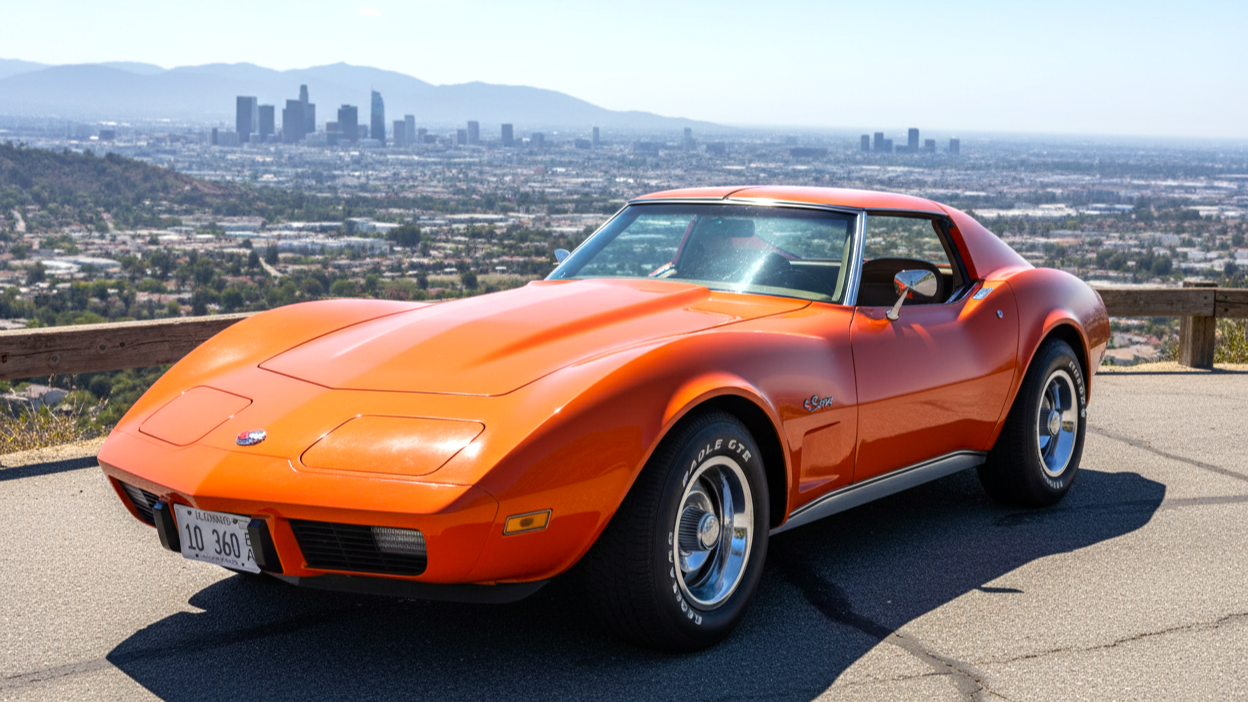
The power of the remaining models dropped to ridiculous levels. For example, a 1975 Chevrolet Corvette in its base version produced only 165 hp – less than a modern compact hatchback. The 80s were the peak of this decline. The second-generation Ford Mustang (Mustang II) was built on the platform of the economical Ford Pinto, and the Chevrolet Camaro of those years was associated more with a slow cruise down the boulevard than with racing.
But the spirit of the muscle car did not die. It lay dormant, waiting for its moment. The spark of revival was lit by Ford in 1994 with the release of the fourth-generation Mustang (SN-95). It received a new, more aggressive design and, most importantly, brought back a powerful V8 under the hood. In 2005, Ford delivered a decisive blow by introducing the fifth-generation Mustang with a frankly retro design that resurrected the spirit of the legendary 1967 model.
Of course, the competitors couldn't stay on the sidelines. Chevrolet responded with the revival of the Camaro in 2010, and Dodge with the Challenger in 2008. Both cars were also designed in a retro style and were equipped with powerful V8s. A new wave of muscle cars had begun. 21st-century technologies – electronic fuel injection, variable valve timing systems, modern materials – allowed engineers to create engines that were simultaneously powerful, reliable, and compliant with strict environmental standards. The arms race started anew, but on a completely new technological level.
Modern Muscle Cars
Modern muscle cars are on a whole new level of technology. They have retained the spirit and brutality of their ancestors but have shed their flaws.
The Mustang Shelby, Dodge Hellcat, and Camaro ZL1: Legends of a New Generation
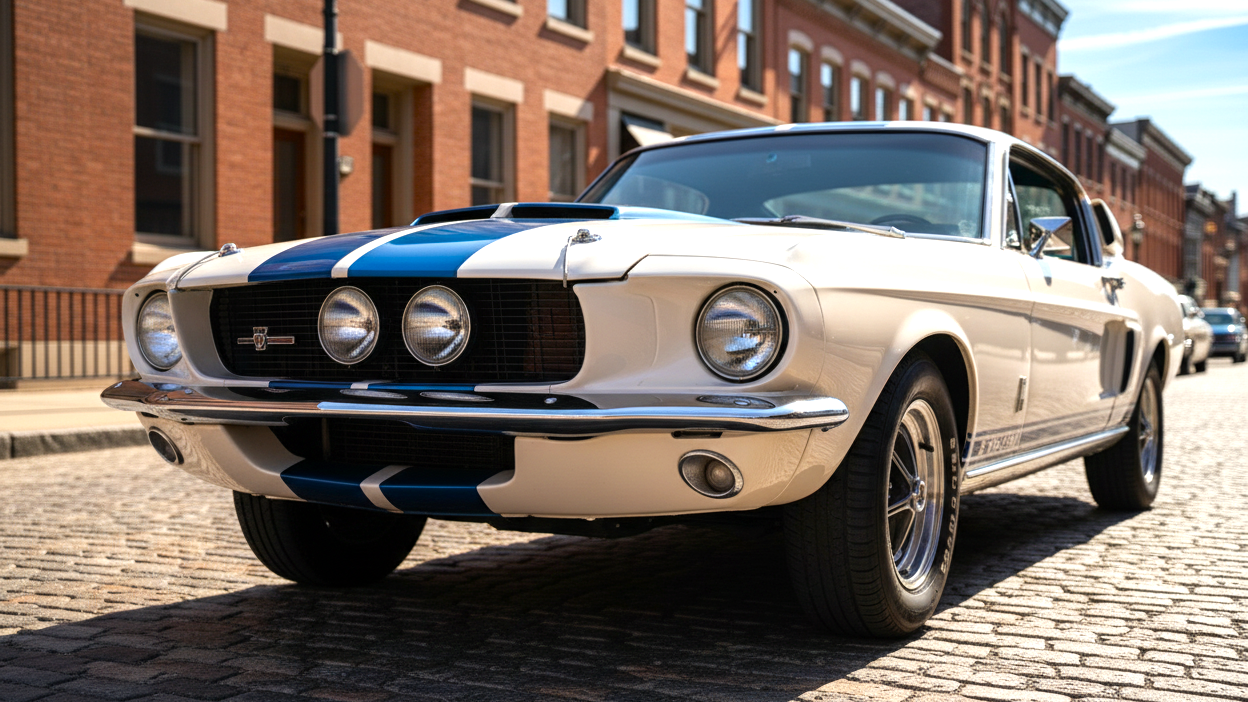
- Ford Mustang Shelby GT500. The most powerful production Mustang in history. Its 5.2–liter supercharged V8 produces 760 hp. But unlike its predecessors, it handles excellently not only in a straight line but also on a racetrack.
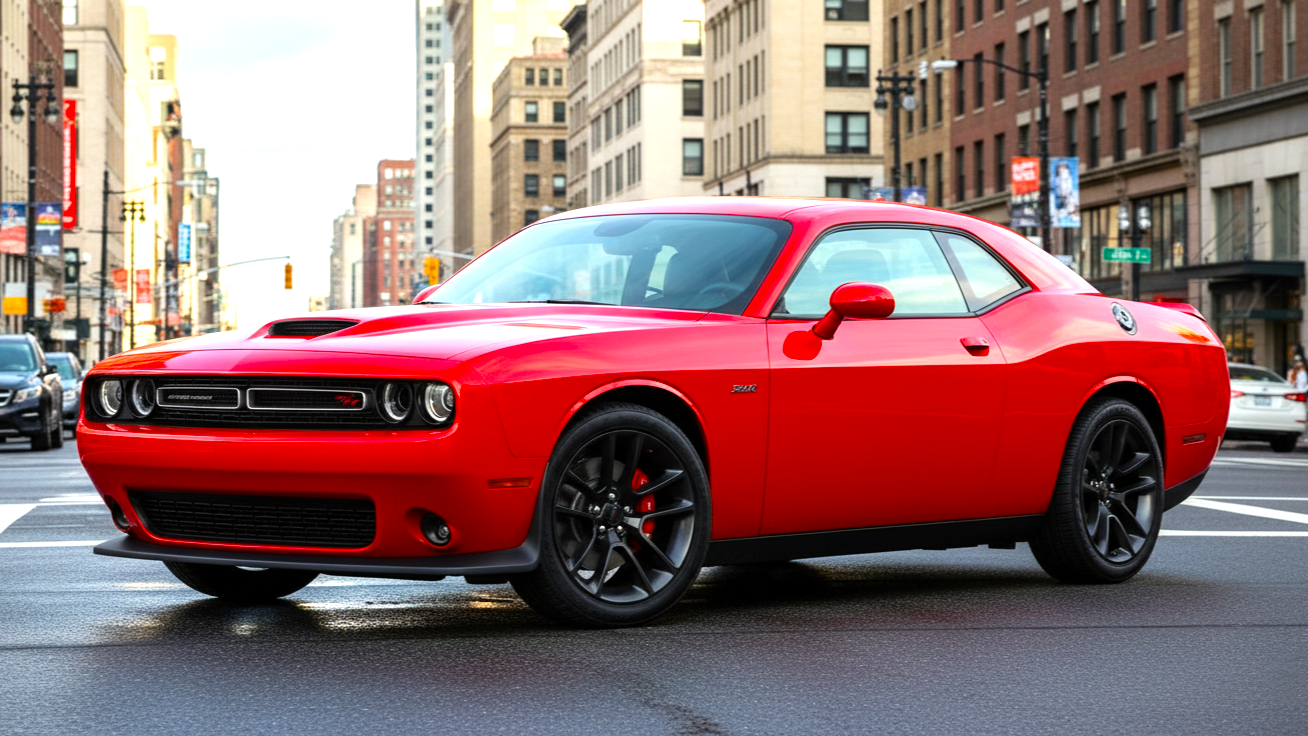
- Dodge Challenger SRT Hellcat / Demon. Dodge resurrected the arms race. The Hellcat version with 717 hp seemed insane, but then the Demon appeared with 840 hp – a street-legal dragster.
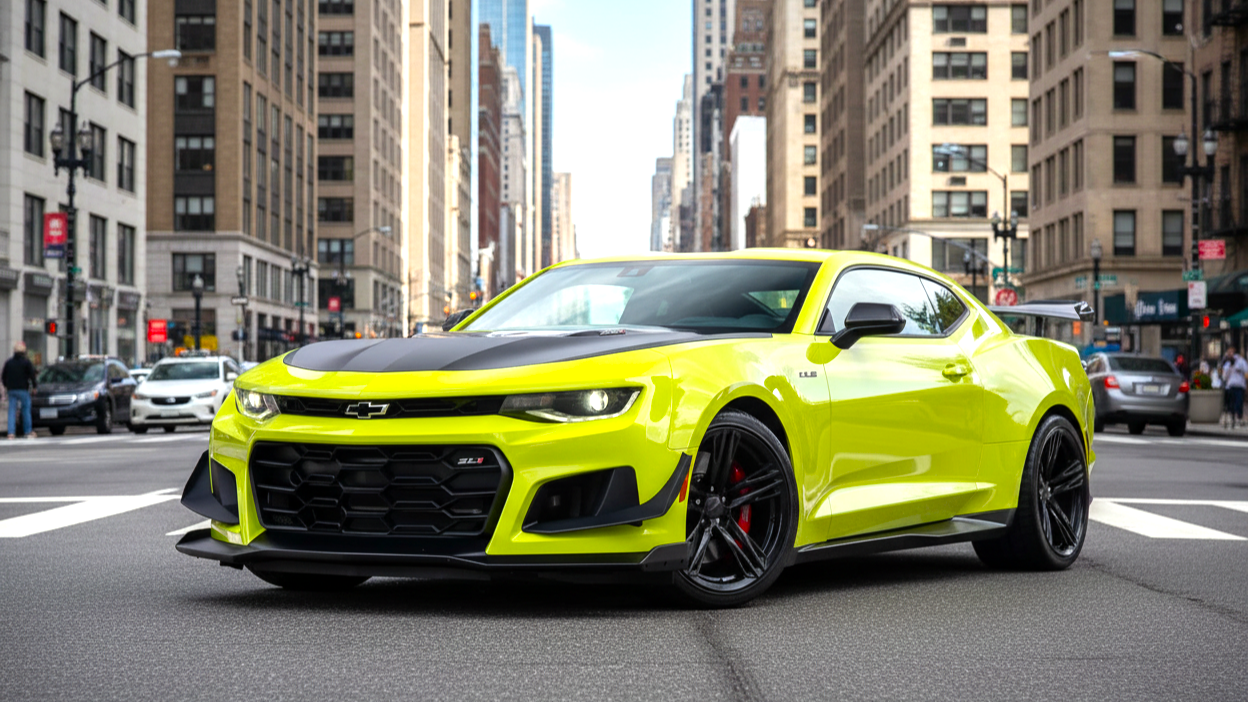
- Chevrolet Camaro ZL1 1LE. A muscle car built for the track. With a chassis tuned on the Nürburgring and aerodynamics from race cars, it proves that American cars can be fast not only in a straight line.
The modern most popular muscle cars have received independent suspension, powerful Brembo brakes, stability control systems, and comfortable interiors with multimedia. They have become safer, more comfortable, and much faster on any road.
Muscle Cars in Drift and Tuning Culture
Although Japanese cars are more often chosen for professional drifting due to their better handling and lower weight, muscle cars occupy their own niche.
From Street Customs to RC-Drifting: A New Life for Old Legends
The immense torque of the V8 and their spectacular appearance make them popular in show-drifting. Projects like Ken Block's Hoonicorn (an all-wheel-drive 1965 Mustang with 1400 hp) show the incredible potential of these machines. The culture of muscle car tuning is vast: from restoration to original condition (restomod) to radical custom projects. And for those who cannot afford a real car, there is the world of RC-drifting (radio-controlled models), where replicas of classic muscle cars are very popular.
The Future of Muscle Cars
The future of muscle cars stands on the brink of changes that would have seemed unthinkable just a few years ago. Electrification is the main challenge to the very philosophy of these vehicles — a philosophy built on high-displacement naturally aspirated V8 engines, thunderous sound, and the raw, mechanical feeling of untamed power. Yet it is often a challenge that marks the beginning of a new era.
The Electric Mustang and Hybrid Monsters: The End or an Evolution?
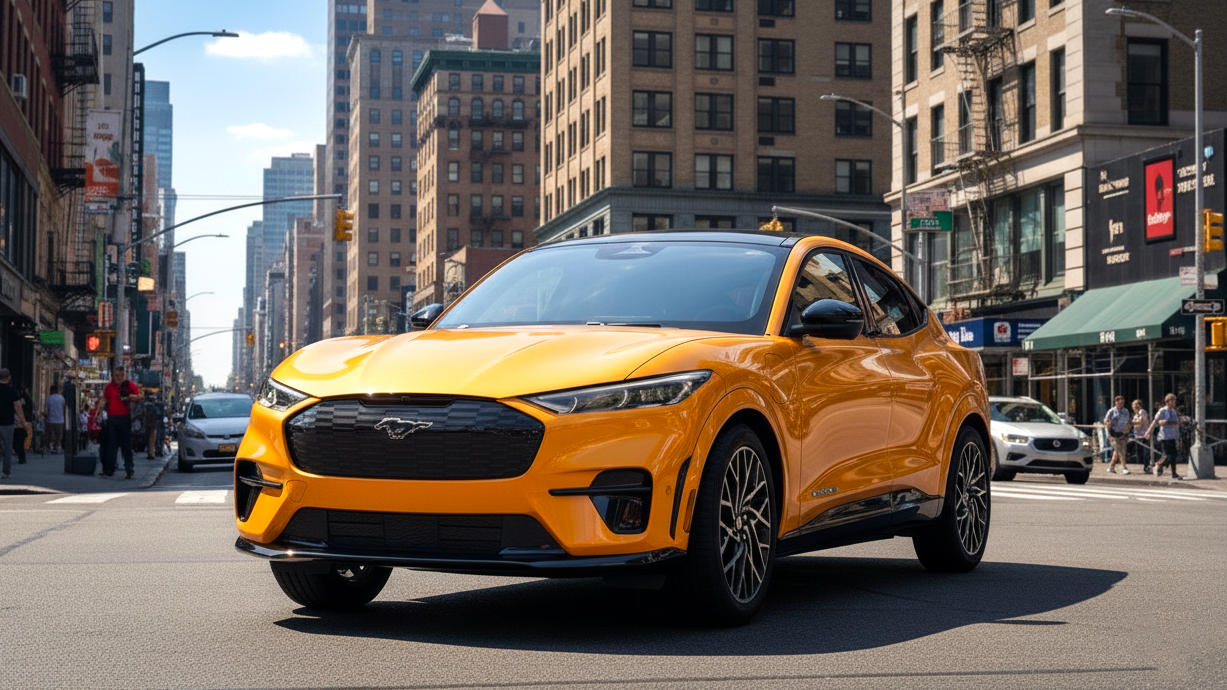
Can a muscle car be silent? The release of the electric Ford Mustang Mach-E crossover caused a storm of indignation among fans. However, Dodge has already introduced the electric Charger Daytona, which uses a special system to simulate the sound of a V8. Chevrolet is preparing a hybrid Corvette. The industry is changing. Perhaps in the future, the roar of a V8 will be replaced by the whine of electric motors, but the spirit of excessive power and brutal style will remain.
The Best Muscle Cars of All Time
It is impossible to create a single definitive ranking, but some models have forever entered the pantheon.
Model | Years | Why It's a Legend |
Pontiac GTO | 1964 | The originator of the genre |
Dodge Charger R/T | 1969 | An icon of design and pop culture |
Plymouth Hemi ‘Cuda | 1971 | Rarity and the legendary Hemi engine |
Ford Mustang Shelby GT500 | 2020 | The pinnacle of modern technology |
Chevrolet Camaro ZL1 1LE | 2017 | A muscle car that conquered the track |
Conclusion
The best muscle cars are part of the American dream, an embodiment of freedom, power, and individualism. They remind us of a time when engineers were not constrained by environmental regulations, and the main value was pure, untamed power.
Despite the changing eras, the greatest muscle cars of all time continue to inspire and amaze. Their V8 roar is the soundtrack of automotive culture. And as long as there are roads and people who love speed, the spirit of the muscle car will live on.

