



The Future on Wheels: The Most Innovative Concept Cars Transforming the Auto Industry
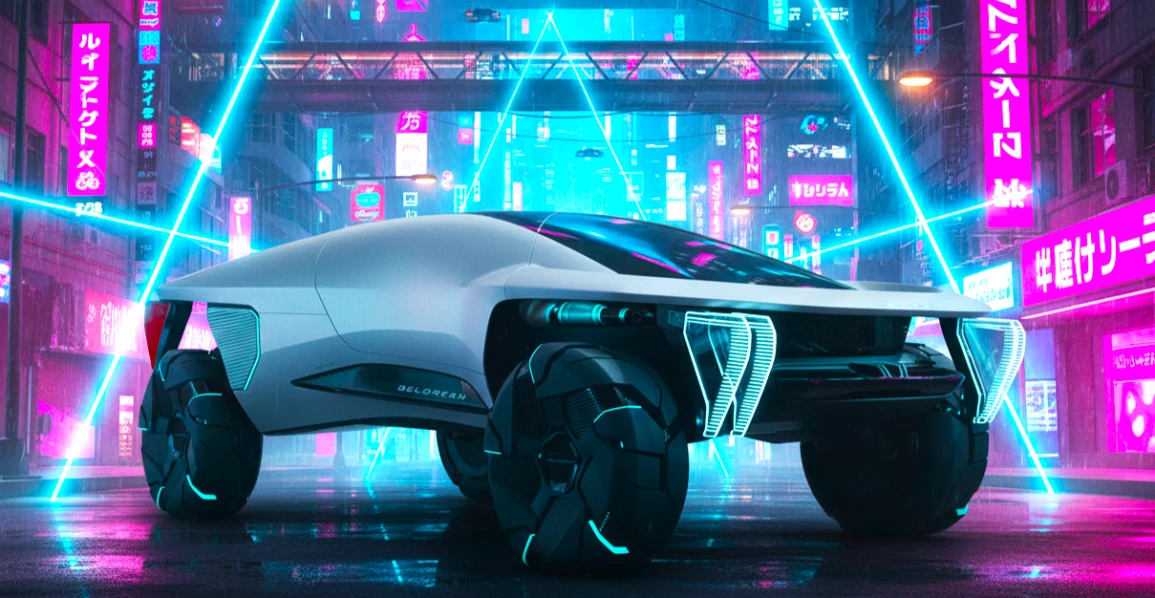
A car that breathes. A car that changes color to match your mood. a cabin that transforms into a luxurious living room while you cruise down the highway. Do you think this is the fantasy of screenwriters? No! These are fully working prototypes that automakers are showing us today, no matter how fantastic it may seem. Today, right before our eyes, the line between a bold idea and a production technology is blurring.
Concept cars have ceased to be mere exhibition pieces to attract attention. In 2025, they represent laboratories on wheels. They are used to test the latest technologies in batteries, artificial intelligence, and new materials. Ideas that seemed crazy just yesterday are now shaping the look of tomorrow's transportation.
That is why now is the best time to look beyond the horizon. Let's find out which bold ideas are changing the industry, which best concept cars deserve special attention, and what the car of the next decade will be like.
What are concept cars?
To understand what a concept car really is, imagine a sketch of the future, brought to life in metal, glass, and carbon fiber. A concept car isn’t just a vehicle — it’s a vision on wheels, a physical expression of what engineers and designers believe the cars of tomorrow should look and feel like.
A concept car is an experimental model created to explore bold ideas, new technologies, and innovative design directions that may still be far from mass production. Car manufacturers invest millions in developing these prototypes — not for profit, but for inspiration, experimentation, and innovation.
Why Concept Cars Are Created
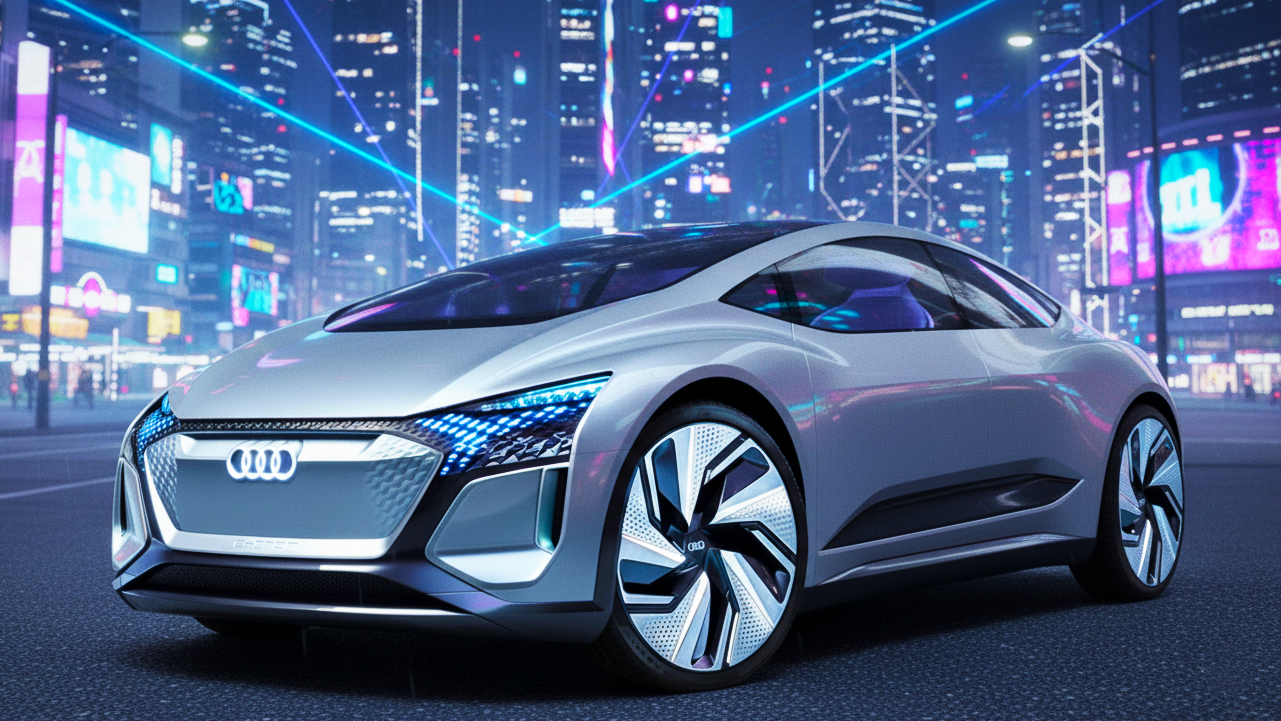
There are several key reasons automakers develop concept cars:
1. To test public reaction. Concept cars serve as a way to gauge how people respond to new design languages, technologies, or futuristic features — from unconventional body shapes and minimalist interiors to experimental lighting systems and smart materials. The feedback helps manufacturers understand which ideas are worth developing further.
2. To give designers total creative freedom. Unlike production vehicles, concept cars aren’t limited by safety standards, budgets, or manufacturing constraints. Designers and engineers can think without boundaries — creating something that’s pure imagination turned into reality. These projects often become a playground for innovation and a showcase of a brand’s creative power.
3. To showcase technological ambition. Every major carmaker uses concept cars to make a statement — to show the world that they’re not just building cars, but shaping the future of mobility. Concepts often highlight advances in electrification, autonomous driving, connectivity, or sustainable materials, giving us a glimpse of what’s coming next.
From Dreams to Reality
Many features we now take for granted first appeared on concept cars: gullwing doors, hidden door handles, digital dashboards, aerodynamic silhouettes, and LED lighting systems. At the time, these ideas seemed too bold — yet today they define modern automotive design.
In essence, a concept car is a promise. A promise of innovation, of a future that’s already being imagined today. Some concept cars remain as design studies or showpieces for auto expos, while others inspire the production models that eventually reshape the entire automotive industry.
Concept cars remind us that the car of the future doesn’t appear overnight — it begins as a daring idea, a spark of creativity that pushes boundaries and moves the whole industry forward.
An overview of the most unusual concept cars of the future
We have selected six concepts that most vividly demonstrate the direction in which automotive thought is moving. They impress not with power, but with the boldness of their ideas.
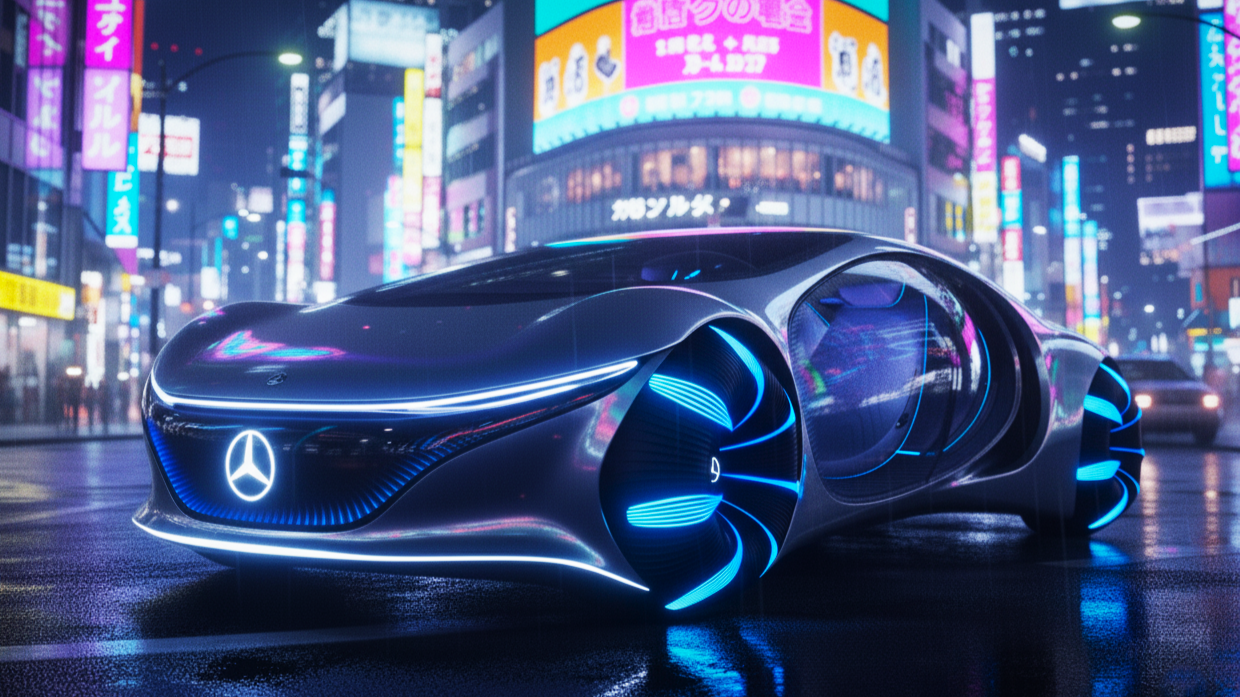
- Mercedes-Benz Vision AVTR is a living organism created in collaboration with the creators of the movie "Avatar." It has no steering wheel. Control is achieved through a biometric sensor on the center console that reads your pulse and breathing, creating a symbiotic link between human and machine. Instead of conventional wheels, there are 33 spherical elements that allow the car to move sideways and diagonally, like a crab. And the "bionic flaps" on the rear of the body "breathe" and interact with the outside world.
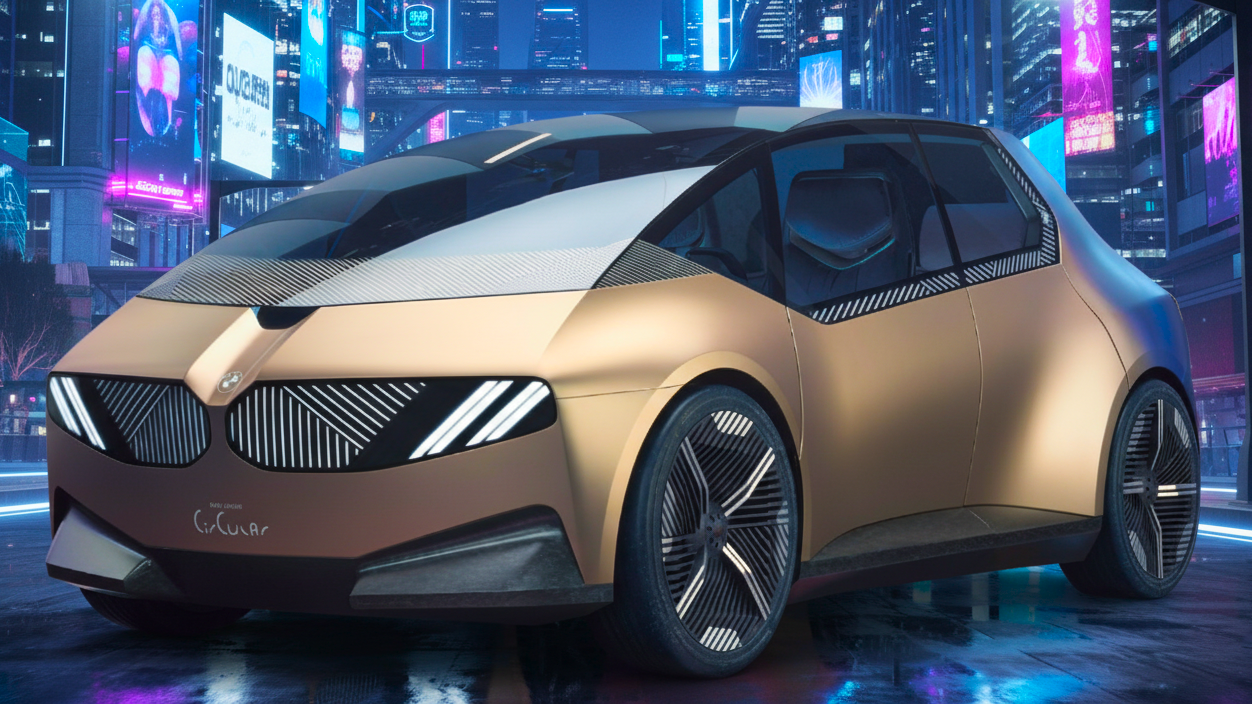
- BMW i Vision Circular is the answer to the main challenge of our time: ecology. This compact city car is made of 100% recycled materials and is 100% recyclable at the end of its life. Instead of paint, there is anodized aluminum; instead of chrome, laser engraving. All connections are designed so that the car can be easily disassembled into components.
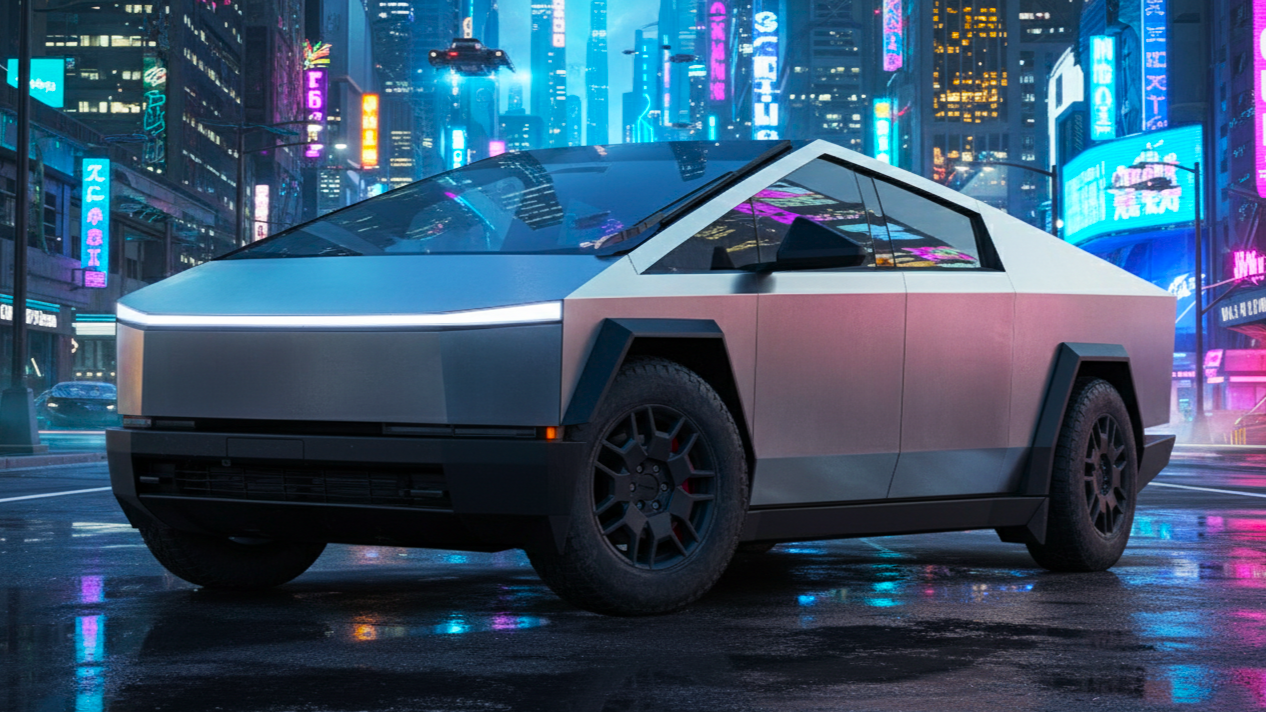
- Tesla Cybertruck – although it has gone into production, its ideology and design remain purely conceptual. The radical exterior with flat panels of unpainted stainless steel and armored glass breaks the canons of automotive design.
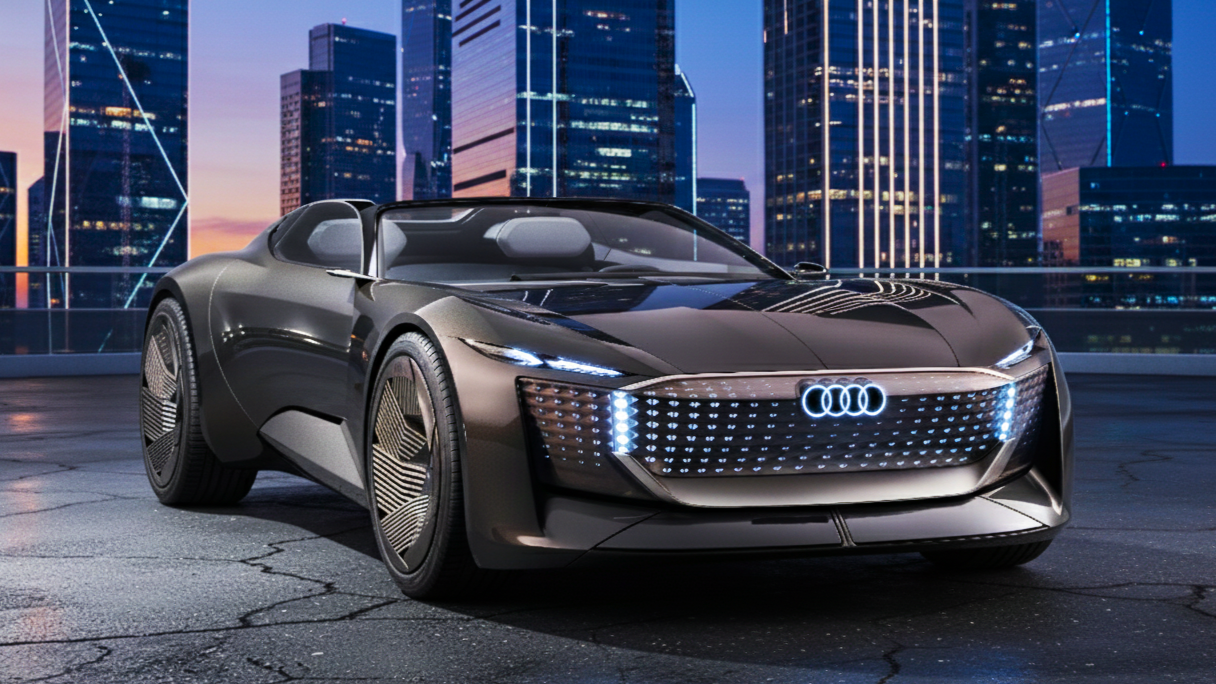
- Audi Skysphere is a transforming car. An elegant two–seater roadster capable of changing its wheelbase and, accordingly, its character. In "Sport" mode, it shortens, turning into an exciting sports car for active driving. In "Grand Touring" mode, it extends by 25 centimeters, the steering wheel and pedals retract into the dashboard, and the cabin becomes a comfortable space for autonomous travel.
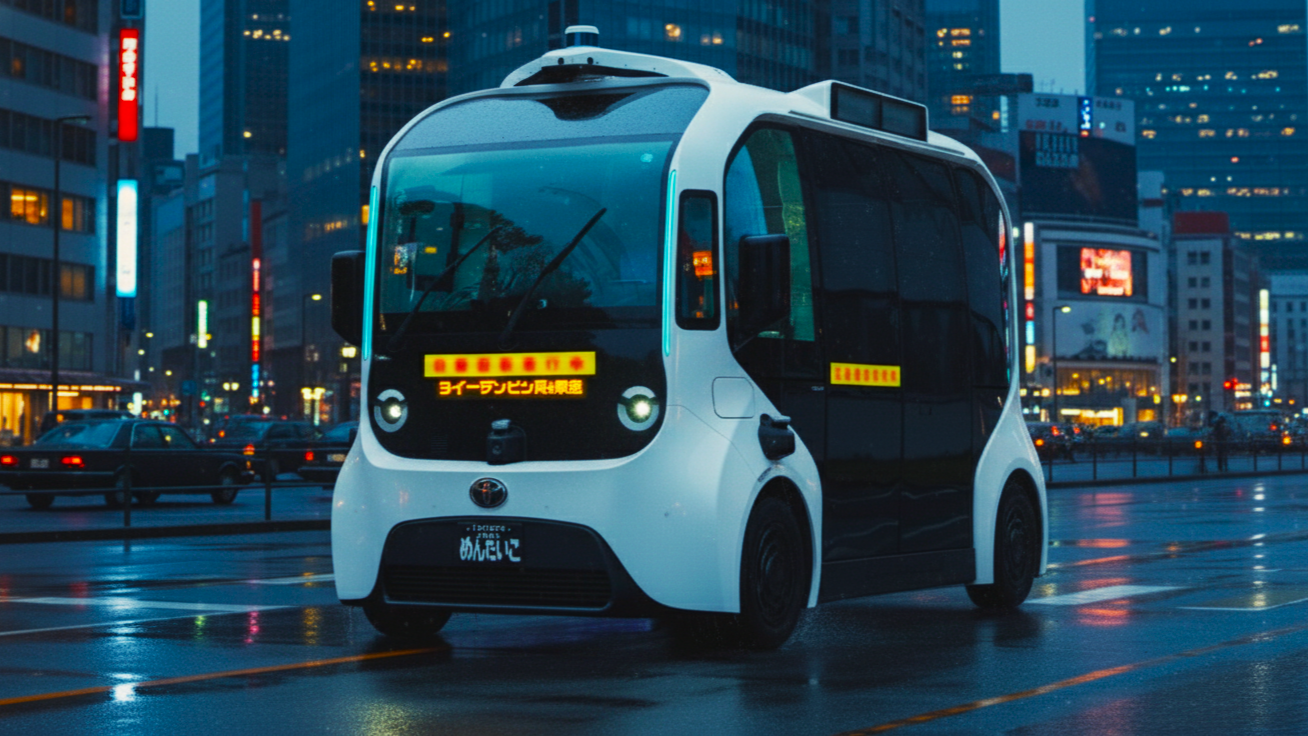
- Toyota e–Palette is a vision of future urban mobility. The e–Palette is not a personal car but a universal autonomous capsule on wheels. Today it can be a shuttle taxi, tomorrow a mobile coffee shop or a delivery point, and the day after tomorrow, a mobile medical office. The e–Palette is a platform for creating new urban services.
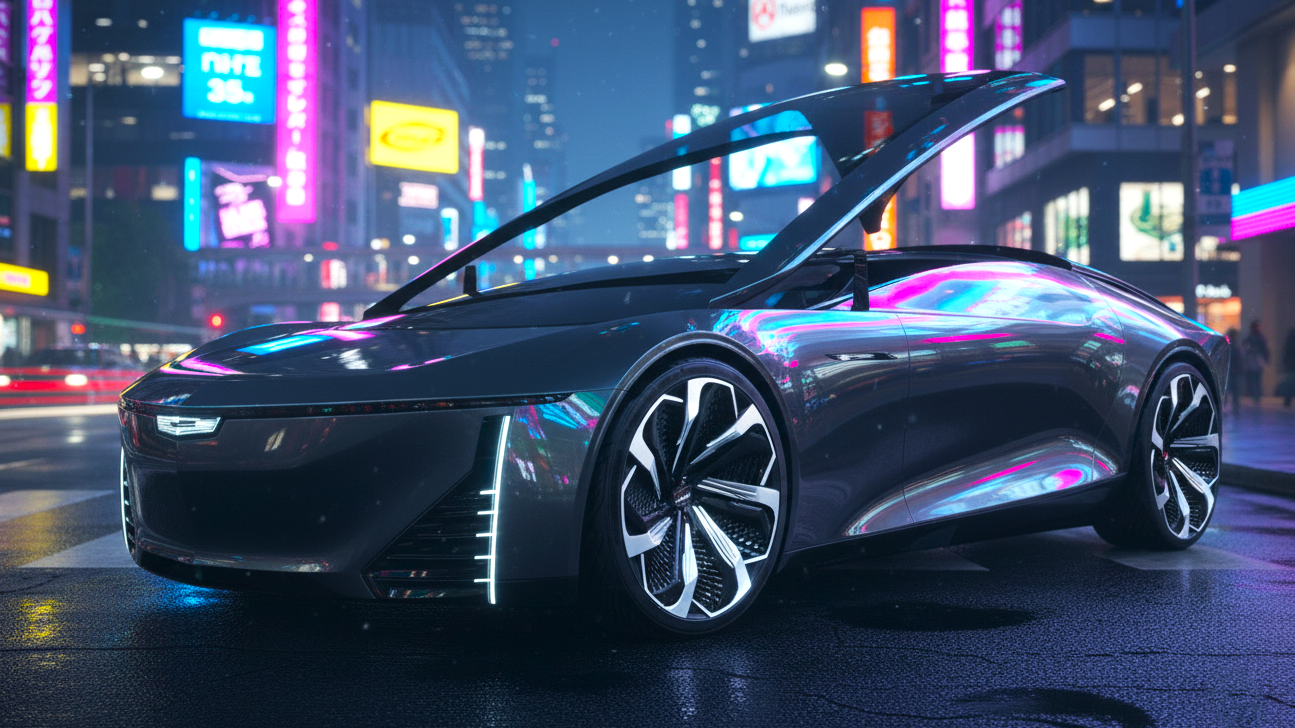
- Cadillac InnerSpace is absolute luxury in the era of full autonomy. A two–seater coupe without a steering wheel or pedals, where the entire interior space is given to the passengers. A huge panoramic screen that occupies the entire front, a comfortable sofa, and doors that open with part of the roof create the feeling of boarding a private jet. InnerSpace is a vision of what a premium car will become when driving is no longer a necessity.
What Technologies do concept cars showcase?
Concept cars are technological declarations. Every element in them – from the seat material to the software code – demonstrates the industry's development vector. Let's take a detailed look at exactly what technologies are being tested in these laboratories on wheels.
Autonomous Driving and Artificial Intelligence: The Car as a Personal Butler
If today's autopilot is a highway assistant, in concepts like the Cadillac InnerSpace or Audi AI:ME, it becomes a full–fledged chauffeur. We are talking about Level 4 and 5 systems that do not require human intervention. This is made possible by a combination of next-generation sensors. Lidars, which were once bulky and expensive, are becoming compact and integrated directly into the body. They create a detailed three-dimensional map of the surroundings that cannot be "blinded" by rain or fog. High–resolution cameras recognize not only signs and markings but also the gestures of pedestrians or the intentions of other drivers.
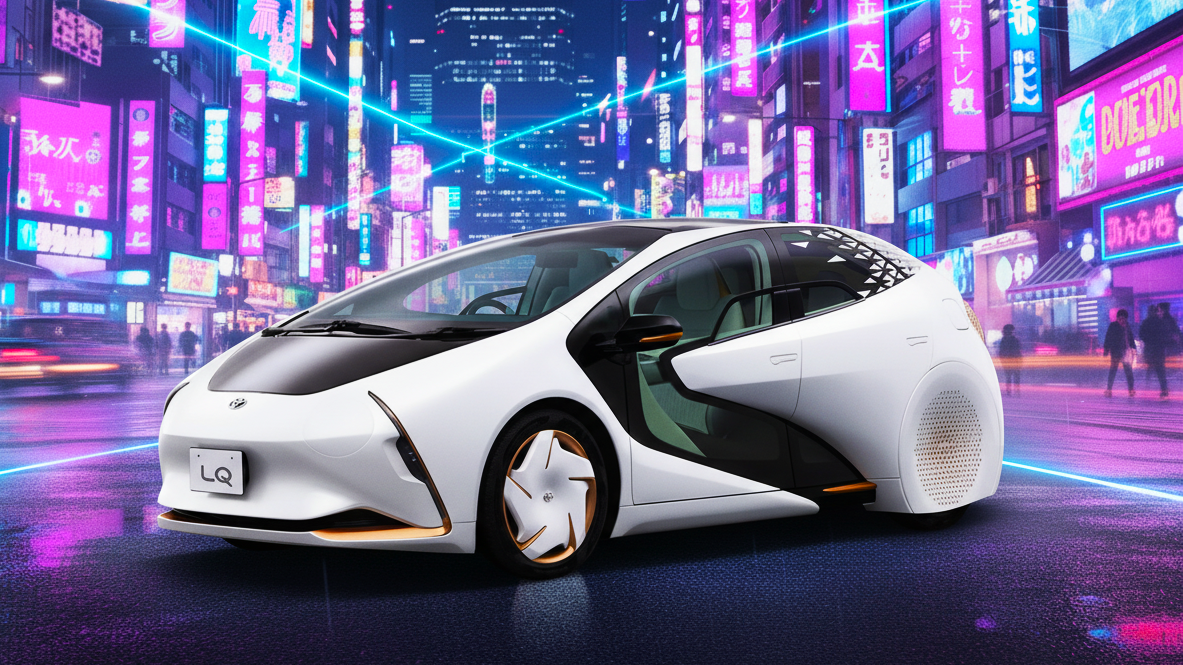
But the main thing is artificial intelligence (AI). It not only follows a route but also learns. The Toyota LQ concept with its "Yui" assistant is a prime example. The AI studies your voice, gaze, calendar, and even your pulse to anticipate your state and needs. If you are tired, it will suggest finding the nearest coffee shop and play energizing music. If you are in a good mood, it might suggest a more scenic and interesting route. In the future, your car will cease to be a means of transport and will become a truly empathetic partner.
Eco-Materials and Sustainable Production: Luxury with a Clear Conscience
The future of the premium segment is "sustainable luxury." The BMW i Vision Circular concept is a clear example of this approach. In its cabin, you will not find traditional leather or chrome. The seats are upholstered with fabric made from recycled plastic bottles, and the dashboard is made of natural wood certified to FSC standards. All plastic elements are made from a single type of polymer to facilitate subsequent recycling. Even the tires are made from certified natural rubber. This trend is being picked up by other brands. The interior of the Mercedes-Benz Vision AVTR uses vegan Dinamica® leather made from old clothing and PET bottles, and the floor is covered with Karuun rattan palm.
New Interfaces: A Dialogue with the Car
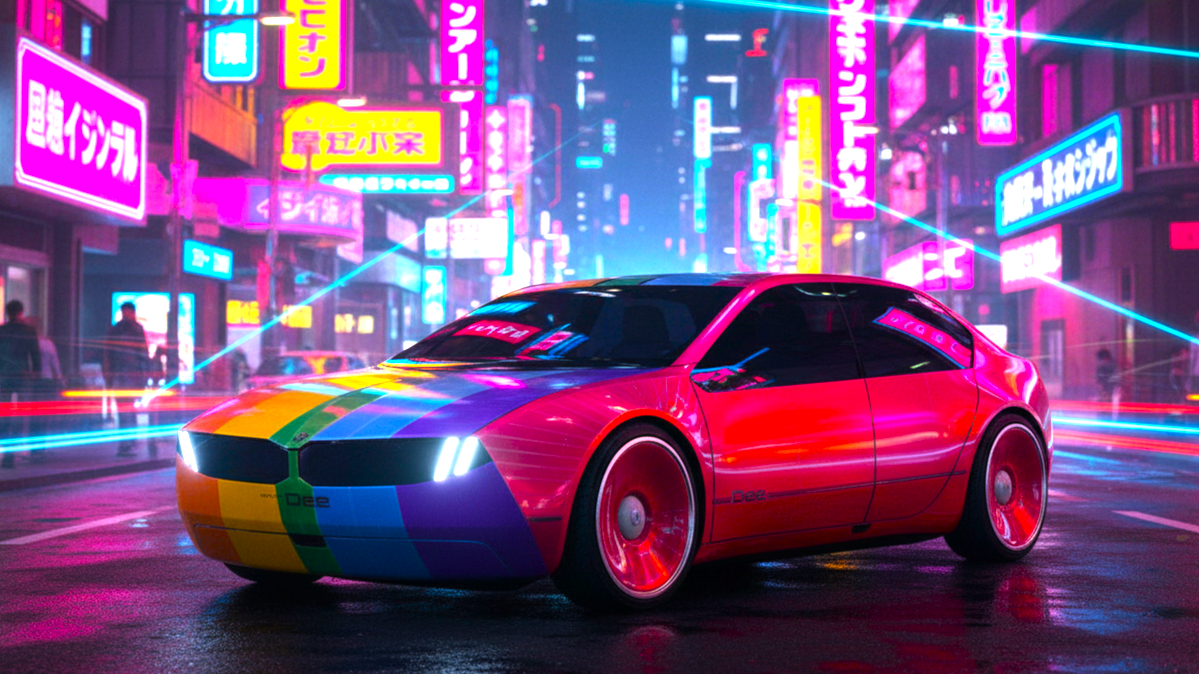
Interaction with the car of the future goes beyond touch screens.
- Gesture and Gaze Control. In the BMW i Vision Dee, you can select a widget on the windshield with your gaze and move it with a gesture.
- Biometric Integration. The Mercedes–Benz Vision AVTR reads your pulse, synchronizing with you.
- Augmented Reality (AR). Next–generation head–up displays, as in Audi concepts, overlay navigation arrows and warnings directly onto the road in your field of view.
- AI–Powered Voice Assistants. They understand not just commands but the context of a conversation, becoming a full–fledged conversational partner.
Future Design and Ergonomics: A Space for Living
When the need for a steering wheel and pedals disappears, the entire architecture of the cabin changes. It becomes a multifunctional space. The Audi Skysphere concept, which physically extends in autonomous mode, is a clear confirmation of this. The Cadillac InnerSpace offers a layout reminiscent of a private jet, with a sofa and a huge screen for entertainment. A flat floor, made possible by compact electric motors and a flat battery, and panoramic glazing create a sense of space and freedom, turning a trip from a necessity into an experience.
What Concept Cars Say About the Future of the Auto Industry
If you take a close look at the most innovative concept cars of recent years, you’ll notice that they are more than just displays of bold shapes or unconventional doors — they tell a story about the future. About what cars might look like in 5, 10, or even 20 years. And this future is no longer about raw horsepower or top speed — it’s about intelligence, comfort, and sustainability.
There is a fundamental shift in focus: power and aggressive design are no longer the primary measures of progress. Instead, the spotlight is on convenience, personalization, and eco-friendliness. Concept cars show us that the car of the future is not merely a means of transportation — it’s part of an intelligent ecosystem capable of understanding the driver and adapting to their needs.
The new automotive world is built around three main pillars, which can be described as the three key trends of the future:
Electrification
The transition to electric powertrains is no longer a trend but the new standard. Concept cars demonstrate that electric vehicles are not just about sustainability — they also offer technological advantages: instant throttle response, silent operation, innovative batteries, and the ability to charge “on the go” via smart infrastructure. For many brands, electrification is also a symbol of a clean, sustainable future.
Autonomy
The next step is self-driving cars. Concept vehicles increasingly feature interiors where the steering wheel and pedals are either hidden or entirely absent. Instead, there’s a spacious cabin with seats that rotate toward each other, panoramic displays, and voice control. The idea is simple: the driver stops being the operator and becomes a passenger in their own mobile capsule, able to work, relax, or watch movies.
Customization
The third trend is personalization. Concept cars offer vehicles that adapt to their owners: changing interior lighting based on mood, remembering habits, recognizing voice commands, and even analyzing the driver’s condition to suggest music or adjust the climate according to their emotional state. It’s a shift from a “machine with an engine” to a smart companion on wheels.
Modern concept cars also show how vehicles are becoming part of a connected digital ecosystem. Cars link seamlessly with smartphones, smart homes, and urban infrastructure: they find parking spots, warn about traffic, optimize energy usage, and even communicate with other vehicles on the road.
What once seemed like science fiction is gradually making its way into production models. Large touchscreens, voice control, advanced driver-assistance systems, and intelligent AI assistants — all of these first appeared in concept cars, boldly showcasing what the transport of the future could look like.
Conclusion
Concept cars are laboratories of ideas on wheels. They allow us to peek into the future, push the boundaries of what is possible, and dream. Each such car is an answer to the question of what tomorrow's transport could be. The bold experiments we see today are shaping the reality we will live in ten or twenty years from now.
Perhaps the best concept cars will never become production models in the form we see them. But their ideas, technologies, and design solutions will live on in millions of cars around the world. And in answering the question, "what is a concept car?", one could say that it is a promise of the future. And judging by the latest prototypes, the future promises to be very interesting.

