



Best Classic and Vintage Cars: Icons, Investments, and the Greatest Muscle Car of All Time
The smell of petrol and genuine leather. The solid thud of a closing door. Analog gauges with a warm glow. Yes, in our era, when cars are turning into silent gadgets on wheels, retro machines remain a bastion of real, vivid emotions. In 2025, interest in them is not just fading but is flaring up with new strength. And this is not because of nostalgia, as one might think. Modern people simply strive for authenticity.
Owning a classic car allows you to travel through time. Every drive becomes an incredible event. And every engine start – a solemn ritual. But the universe of retro is vast and diverse. So which best classic cars are a profitable investment? Which best vintage cars are suitable for daily driving? And what is it, the greatest muscle car of all time?
Do you want to find out? Then read on. Together, we will explore the eras and styles, present the best old cars to buy, and help you understand how to touch a legend without making costly mistakes.
A Journey Through Time: How Retro Cars Shaped History
Every decade had its own face, its own soundtrack, and its own cars that became a reflection of cultural and technological shifts.
1950s: The Golden Age of Chrome and Curves
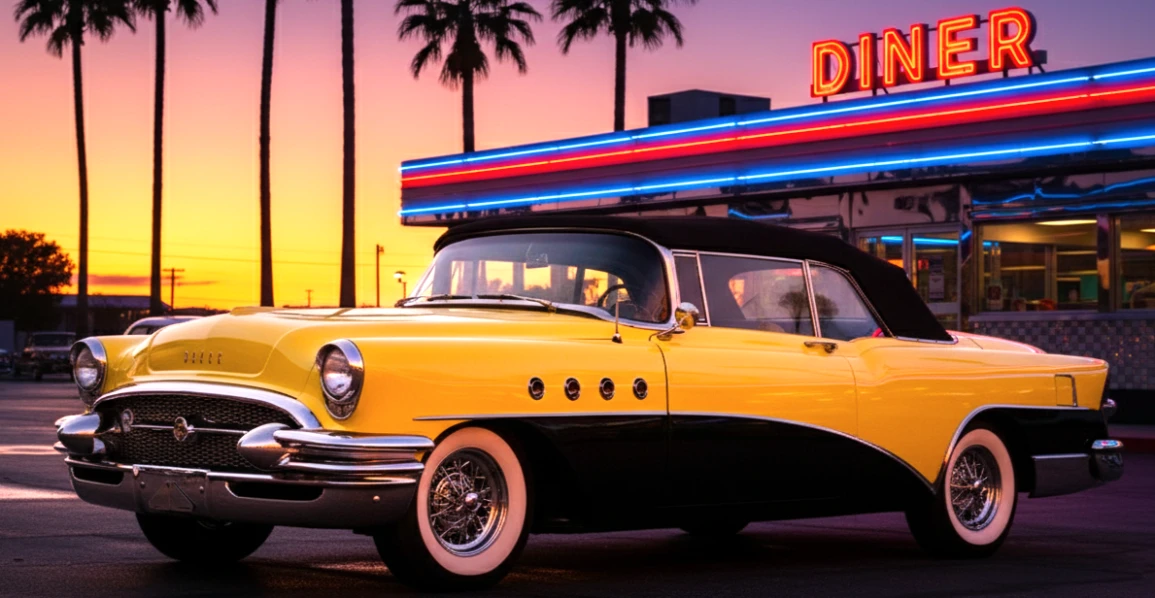
The 1950s became a true celebration of automotive design — a time when cars stopped being just a means of transportation and turned into vivid symbols of success, style, and faith in the future. America was experiencing an economic boom, cities were expanding, and the dream of owning a car was becoming a reality for millions of families.
Designers drew inspiration from aviation and space — themes that fascinated people at the dawn of the space race. Cars began to resemble jet planes: elongated bodies, elegant tail fins, an abundance of chrome gleaming in the sunlight, and dazzling grilles that gave an impression of speed and progress even when the car stood still.
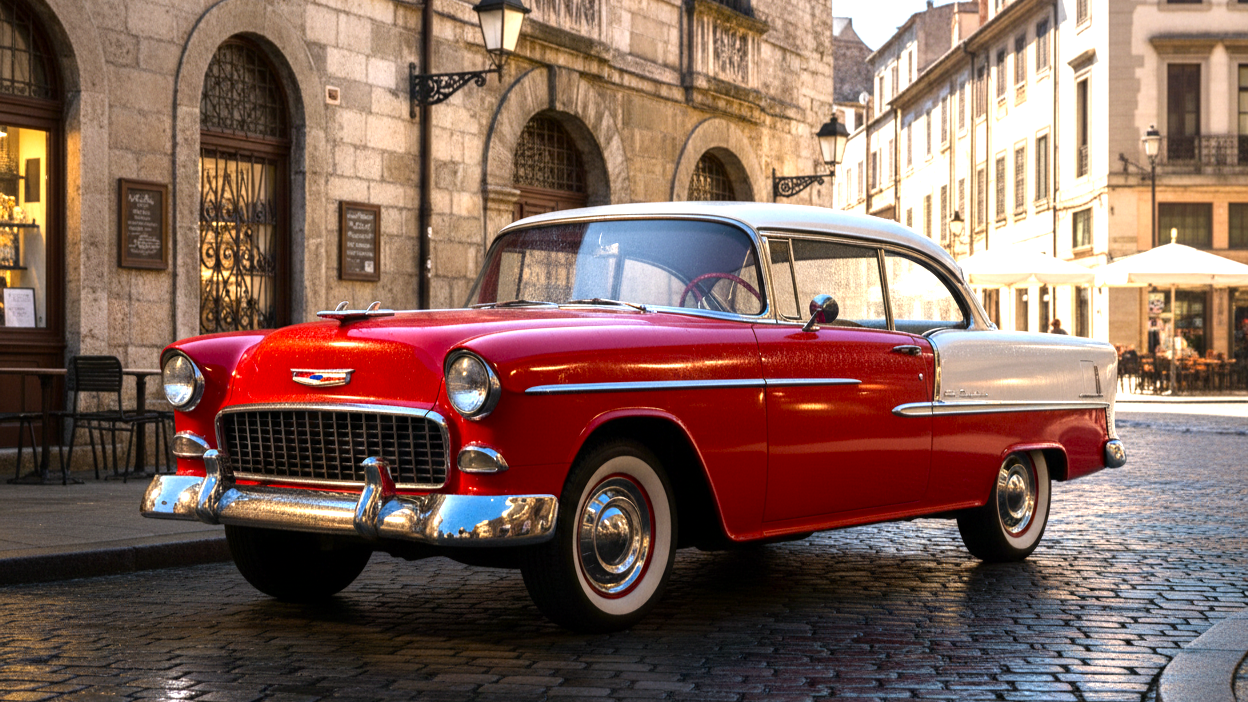
Cadillac Eldorado, Chevrolet Bel Air, Buick Roadmaster, and Chrysler Imperial became true icons of the era. Their distinctive looks — panoramic windshields and two-tone bodies — embodied luxury and optimism. Every detail, from the sweeping bumpers to the smallest emblems, seemed to declare: “The future has arrived.”
A car of the 1950s was not just a vehicle — it was a work of art, born from an age when people genuinely believed that technology would make life better.
1960s–1970s: Muscle Cars, Freedom, and the Spirit of Rebellion
The 1960s and 1970s were decades of transformation — on the roads, in music, and in people’s minds. The younger generation, tired of the strict rules and formality of their parents, sought freedom in everything — in fashion, in the rhythms of rock ’n’ roll, and of course, behind the wheel of their own car.
It was an era when a real rock concert rumbled under the hood. Massive V8 engines roared like Jimi Hendrix’s guitars, and their power resonated not only on the track but across culture itself. Ford Mustang, Chevrolet Camaro, Dodge Charger — these muscle car legends became symbols of strength, speed, and defiance. Simple in construction but explosive in character, they embodied the American dream of personal freedom: you sit behind the wheel — and the world is yours.
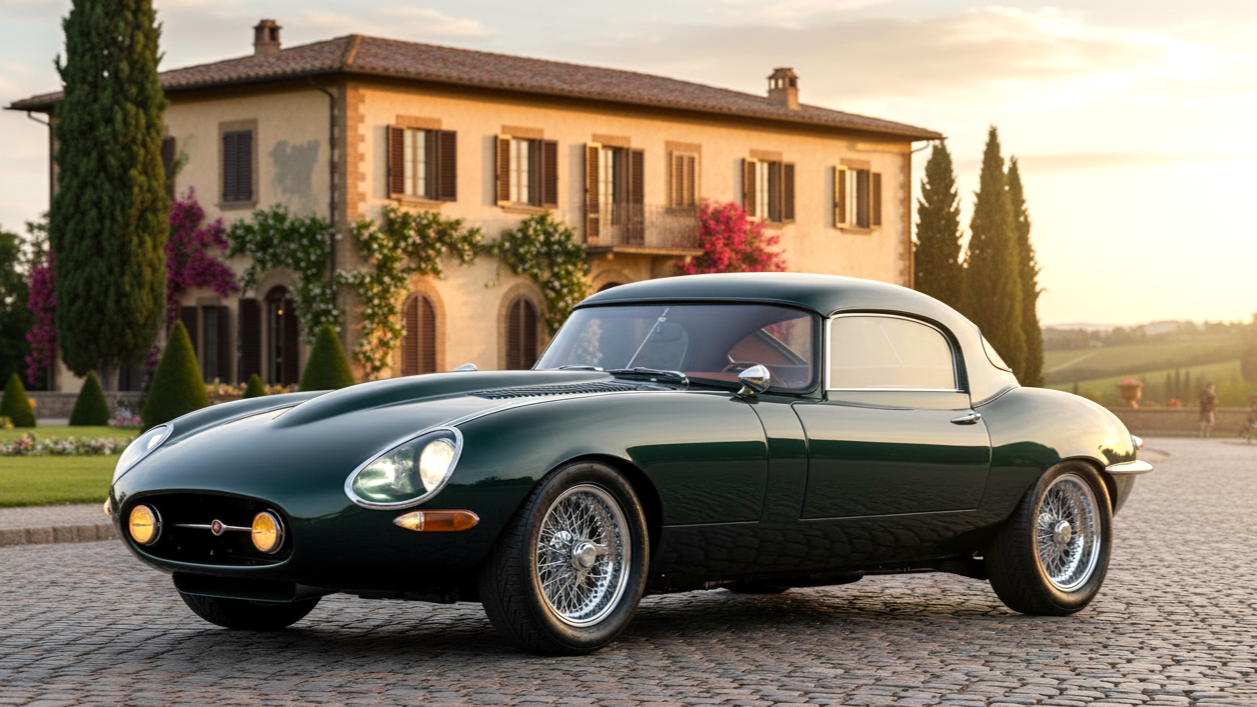
The car cult spread far beyond the United States. In Europe, a different philosophy of speed was emerging — more refined, elegant, almost artistic. The Jaguar E-Type, with its flowing curves, and the Porsche 911, with its perfect chassis balance, represented engineering precision and the aesthetics of motion. Here, the emphasis was not on brute power but on the harmony of speed, handling, and design.
Two schools of automotive art — American and European — mirrored the cultural contrast of the time: loud, rebellious freedom versus sophisticated perfection. Yet it was precisely in this clash that the unique spirit of the 1960s–1970s was born — an age when the car became an expression of personality, and the open road, a way to make a statement to the world.
1980s–1990s: Pop Culture Icons and Modern Classics
With the arrival of the 1980s, the automotive world stepped out of the romantic past and into a technological future. Design became angular, bold, and aerodynamic — form was now dictated by function. The smooth lines of the 1950s gave way to sharp edges and low silhouettes, as if carved from metal and glass. Cars no longer simply impressed — they made a statement.
It was a time when technology took center stage. Turbocharging, electronic fuel injection, and the first onboard computers turned cars into intelligent machines. Speed became a science, and the technological arms race between manufacturers — a matter of pride.
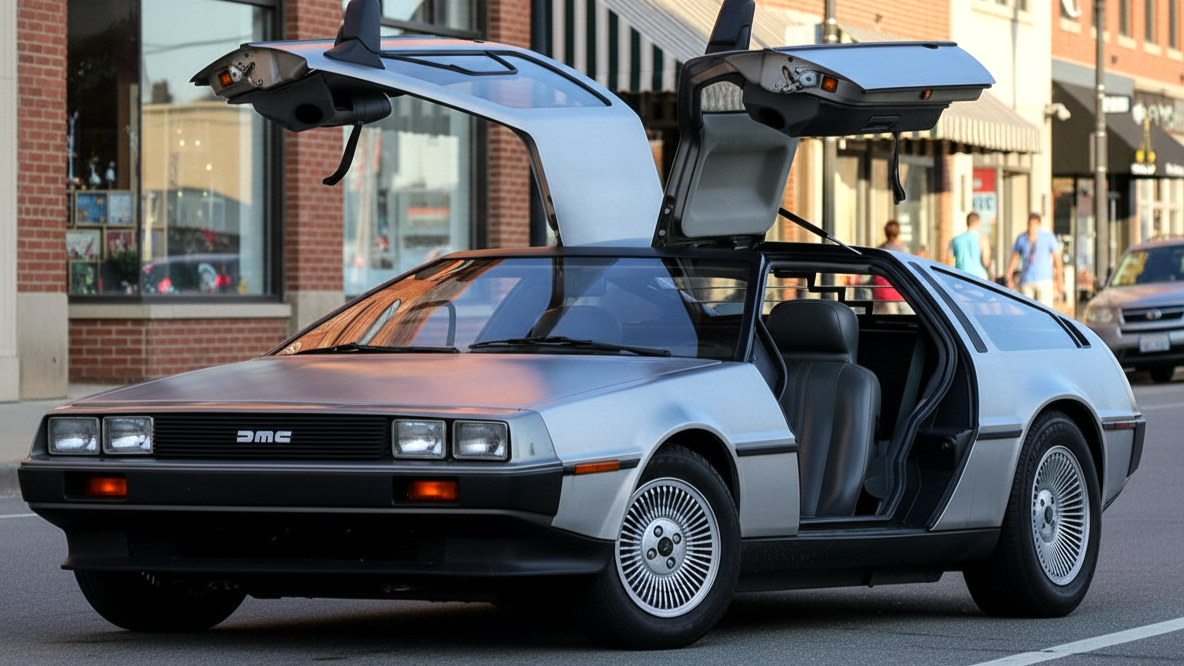
Ferrari Testarossa, Lamborghini Countach, DeLorean DMC-12 — these models weren’t just cars; they were pop-culture icons. They glowed in neon lights, appeared in movies, music videos, and video games, embodying the energy and style of the 1980s. Their sharp edges and scissor doors looked like portals to the future — the one people imagined back then.
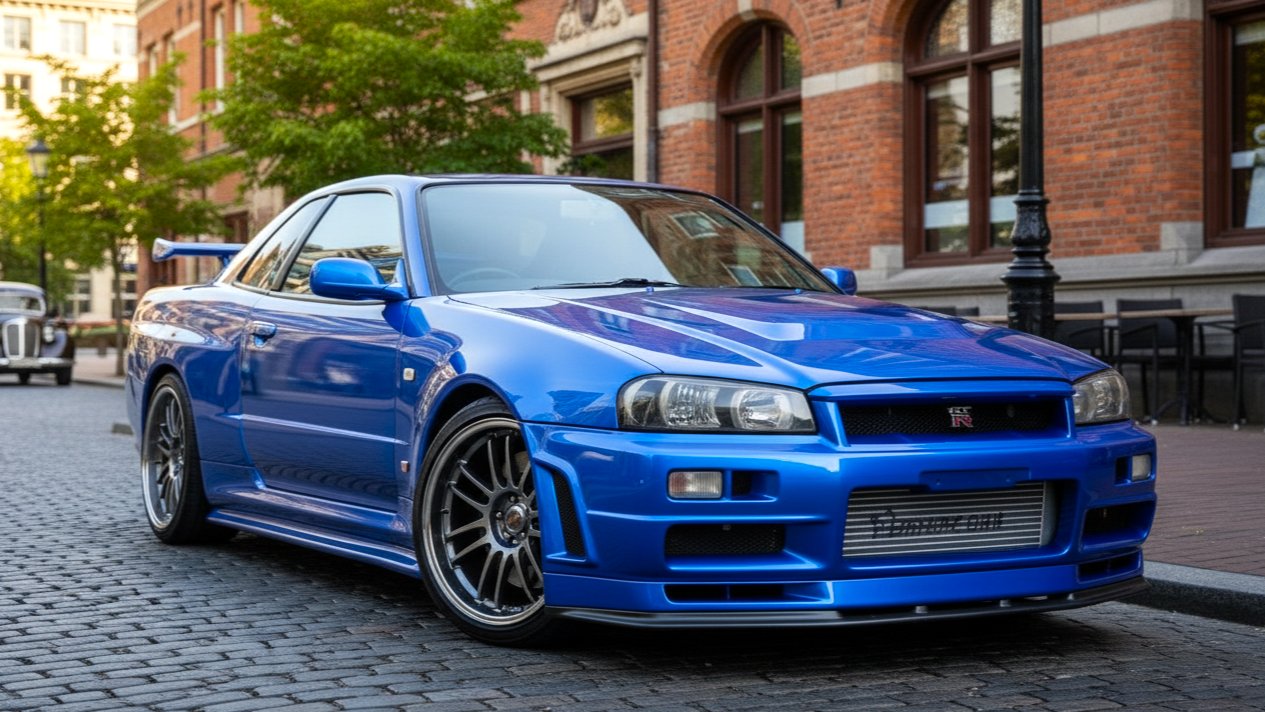
At the same time, Japan burst onto the global stage with its own vision of speed and style. Toyota Supra, Nissan Skyline GT-R, Mazda RX-7 — these sports cars proved that a production vehicle could be an endless canvas for creativity. They laid the foundation for the tuning culture, where every driver could turn their car into a unique masterpiece of engineering and design.
The 1980s–1990s were a fusion of technology and emotion — an age where every body panel reflected the glow of neon signs, and every highway carried humanity’s eternal desire to be faster, smarter, and freer.
Categories of the Best Retro Cars
The classics are not homogeneous. Therefore, the choice of a perfect retro car depends entirely on your goals, budget, and willingness to compromise.
- For Collectors. This includes rare, limited-edition models with a rich racing history or unique design. Such cars are a full-fledged investment asset, their value only increases over time. Examples: Ferrari 250 GTO, Aston Martin DB5, Mercedes-Benz 300SL Gullwing.
- For Daily Driving. Reliable and relatively simple to maintain classic models that can serve as an everyday car. They provide emotions and style but do not require a garage full of special tools and daily attention. Examples: Mercedes-Benz W123, Volvo 240, classic VW Golf GTI.
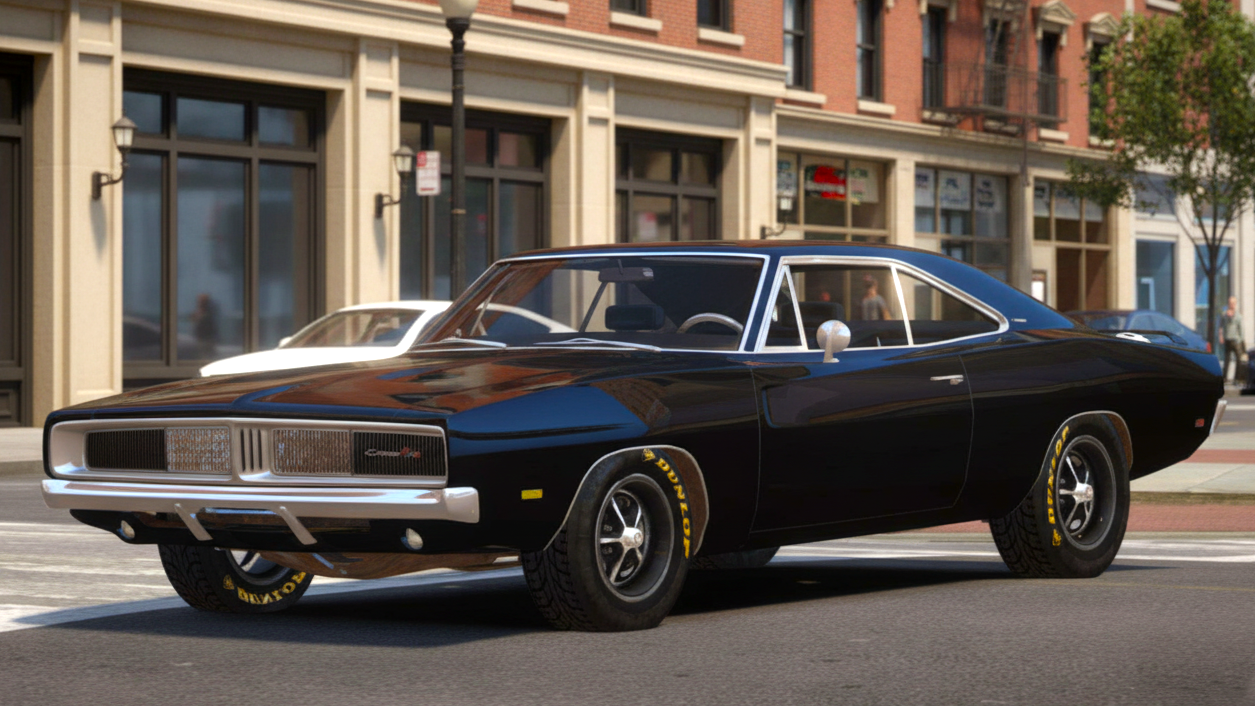
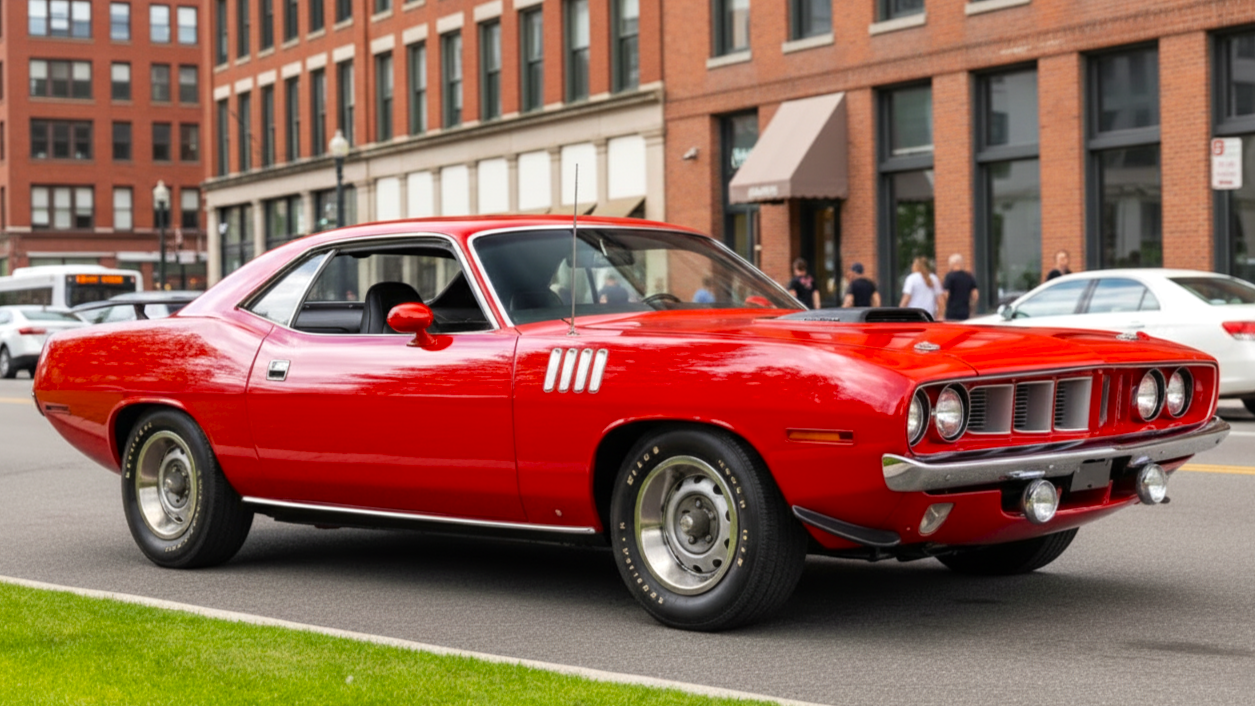
- Muscle Cars. The embodiment of American power and charisma. The ideal choice for those who appreciate a brutal design, the sound of a V8, and straight-line acceleration. Examples: 1969 Dodge Charger R/T, Ford Mustang Boss 429, Plymouth Hemi 'Cuda.
- European Classics. Elegance, refined design, and engineering art. Such cars are valued for their balance of handling, comfort, and style. Examples: Jaguar E-Type, Porsche 911 (964), Alfa Romeo Spider.
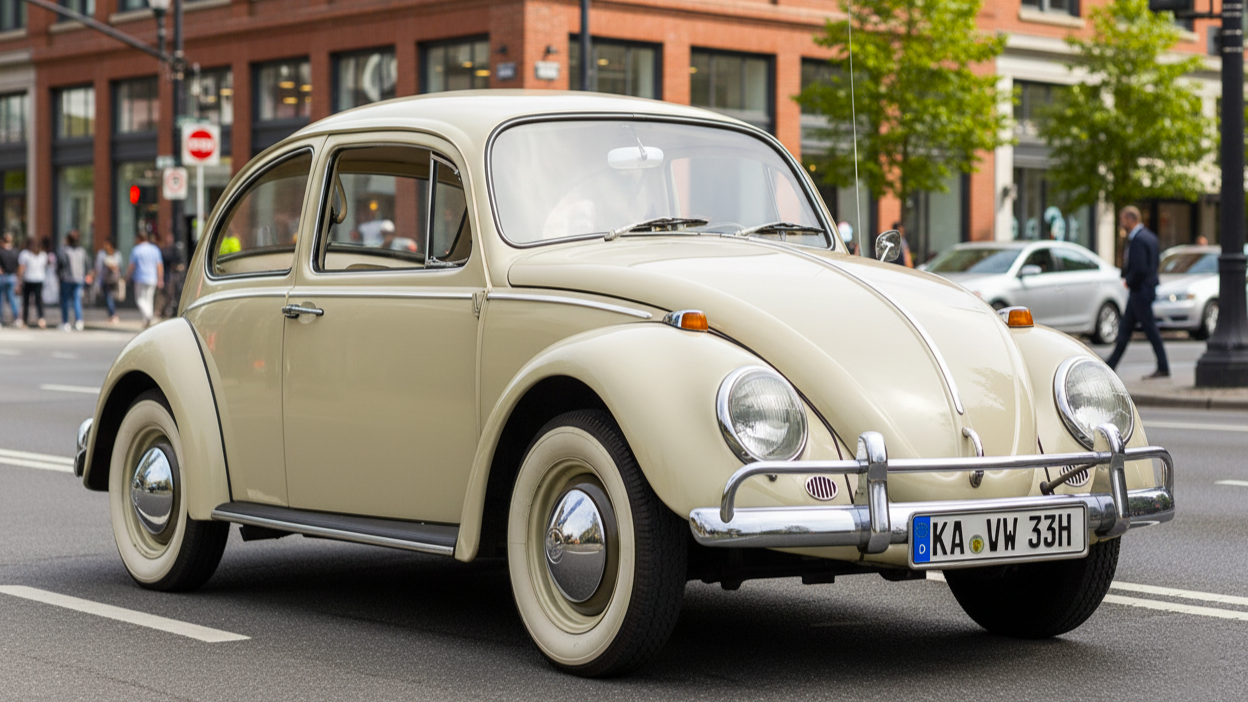
- Affordable Classics. Budget-friendly vintage cars that allow entry into the world of classics without huge financial investments. They are simple to maintain and have a large community of fans. Examples: Volkswagen Beetle, Fiat 500, MGB Roadster.
Why People Still Love Retro Cars
In an era of digitalization, unification, and soulless technologies, analog, "living" cars are a special treasure. The nostalgia factor plays a huge role – many dream of the car that hung as a poster in their childhood room or belonged to their parents. The unique design, created by people and not by neural networks, and manual assembly create a sense of authenticity and craftsmanship that is often lacking in modern cars. And the process of restoration, searching for original parts, and communicating with like-minded people in clubs and at exhibitions turns car ownership into a fascinating and multifaceted hobby that unites people.
Expert's Choice: The Legends Everyone Talks About
Some cars have gone beyond being just "old cars" and have become eternal icons whose influence is still felt today.
Model | Years of Production | Famous For | Status |
Ford Mustang | 1964–1973 | Created the "pony car" class, star of "Bullitt" | An icon of American freedom |
VW Beetle | 1938–2003 | The "People's Car," symbol of the 60s | A global cultural phenomenon |
Porsche 911 (Classic) | 1964–1989 | The benchmark sports car, timeless design | A legend of engineering |
Jaguar E-Type | 1961–1975 | A recognized design masterpiece | A work of art on wheels |
Chevrolet Corvette C2 | 1963–1967 | Sting Ray design, V8 power | America's sports car pride |
Dodge Charger R/T | 1968–1970 | Icon of the muscle car era, star of "The Fast and the Furious" | The greatest muscle car of all time |
Mercedes-Benz 300SL | 1954–1963 | "Gull-wing" doors, the first supercar | A technological marvel of its era |
Lamborghini Countach | 1974–1990 | Wedge design, "Lambo doors" | The poster car of the 80s |
The Ford Mustang gave the young generation an affordable and stylish sports car. The VW Beetle motorized the post-war world and became a symbol of nonconformity. The classic Porsche 911 proved that a sports car can be reliable and practical for daily use. The Jaguar E-Type set the bar for automotive beauty that remains unattainable to this day. And the Dodge Charger R/T became the embodiment of the brutal power and charisma of American muscle cars, forever cementing its legendary status.
Retro vs. Modern Cars: A Lifestyle Choice
The choice between classic and modern is a choice between the analog and digital worlds. In a vintage car, you feel the road through a thin, unassisted steering wheel, you hear the mechanical workings of the engine, you shift gears yourself, feeling every engagement of the cogs. The driver gets real, unfiltered feedback. A modern car, on the other hand, isolates you from the outside world with complex sound insulation, adaptive suspension, and numerous electronic assistants.
Owning a classic requires more involvement and knowledge. You need to understand the basics of mechanics, regularly check components, search for specific parts, and put up with the absence of modern comfort and safety systems like air conditioning or airbags. In return, you get incomparable emotions, a feeling of complete control over the machine, and the sense of owning a piece of automotive history.
A Buyer's Guide: Tips Before Choosing a Retro Car
Buying a vintage model is fundamentally different from visiting a modern car dealership. Here is what you need to know to avoid mistakes:
- Where to Look. The best examples are often sold at specialized auctions (Mecum, Barrett-Jackson, RM Sotheby's), through enthusiast clubs, or from private collectors. Avoid spontaneous purchases from ads without a full inspection.
- What to Check. The main enemy of an old car is rust. Thoroughly inspect the body, frame, sills, undercarriage, and hidden cavities. Verify the authenticity of the engine and chassis numbers (VIN), as well as the presence of all documents confirming the car's history (service book, repair invoices).
- Hidden Costs. Always factor in the costs of possible restoration, regular and often more expensive maintenance, the search for rare parts, and special insurance for classic cars. Good old cars to buy are those with a transparent history and minimal signs of rust.
Conclusion: Retro Cars as an Eternal Passion
Vintage will never lose its appeal. Such models are the material embodiment of the history, design, and engineering thought of their era. Owning such a car is an opportunity to touch a legend, become part of a large and passionate community of enthusiasts, and preserve a unique heritage for future generations.
When choosing among vintage car brands, you are choosing not just a machine, but a culture. Whether it's an American muscle car, a European sports car, or a Japanese classic, the best vintage cars provide emotions that cannot be obtained from modern transport.

