



Best City Cars of 2025: Compact, Efficient, and Perfect for Urban Life
Choosing a car is always a compromise, but when it comes to urban transport, priorities shift dramatically. While a vehicle for highway or long-distance travel needs a powerful engine, long range, excellent stability at high speeds, and a spacious trunk, in a metropolis, these qualities often become secondary. The needs of a city driver—frequent stops, maneuvering in dense traffic, searching for parking, and constant stop-and-go operation—mean different criteria apply.
The ideal city car is a combination of compactness, maneuverability, fuel efficiency, and comfort. It must be easy to drive, inexpensive to maintain, and "smart" enough to handle daily commutes in a modern city, from congested parking lots to endless traffic jams. It is on these key criteria that the choice is built for 2025, defining what makes a truly great town car.
Key Criteria for Choosing the Best Town Car
Compact Size and Ease of Parking
Compactness is the main criterion. A short body and a small turning radius are vital for maneuvering in narrow courtyards and driveways. Vehicles with a short wheelbase and a hatchback or micro-sedan body allow parking where larger cars simply won't fit. This not only saves time but also reduces the risk of minor accidents.
Fuel Economy and Low Running Costs
City driving, with its constant acceleration and braking, is by definition not the most fuel-efficient. Therefore, a small-volume engine (optimally up to 1.6L) that consumes minimal fuel is essential for a city car. Low maintenance costs—affordable and reliable spare parts, low road tax, moderate insurance costs, and simplicity of service—are equally important for a reliable best city car.
Maneuverability and Driving Comfort in Traffic
High maneuverability is ensured not only by compact dimensions but also by precise steering, good visibility, and a correctly chosen transmission. In traffic jams, an automatic transmission (classic torque converter, CVT, or a modern dual-clutch 'robot') is indispensable, as it relieves the driver's left leg, making driving in traffic maximally comfortable.
Safety Level and Modern Technologies
Modern urban models are equipped with mandatory systems like ABS, ESP, airbags, as well as advanced assistants such as Automatic Emergency Braking (AEB), parking assist, and blind-spot monitoring. These technologies not only enhance safety but also simplify driving, preventing typical urban collisions.
Interior Comfort and Multimedia for Daily Trips
Despite short trips, the driver spends a significant amount of time in the city car's cabin. The quality of materials, seat ergonomics, and the availability of heating in cold weather all influence the overall impression. Modern multimedia with Apple CarPlay and Android Auto support transforms the car into a mobile office and entertainment center, especially valuable when stuck in long traffic.
Top Categories of City Cars
The market offers several categories, each with its strengths for urban use.
Compact Hatchbacks
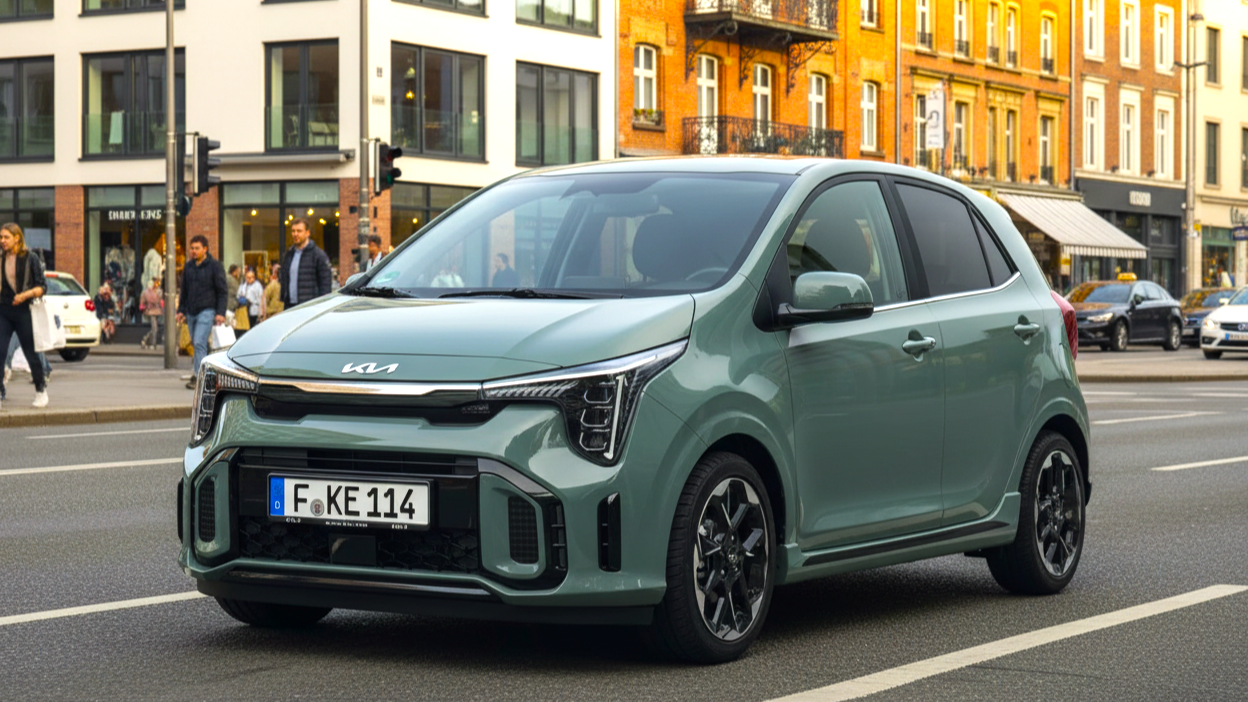
Hatchbacks are traditionally considered the kings of the city. Their main advantages are a maximally short rear overhang, which simplifies parking and maneuvering, and versatility due to the ability to fold the rear seats. This allows a compact vehicle to transport bulky items inaccessible to a sedan, making them a strong contender for the title of best city car.
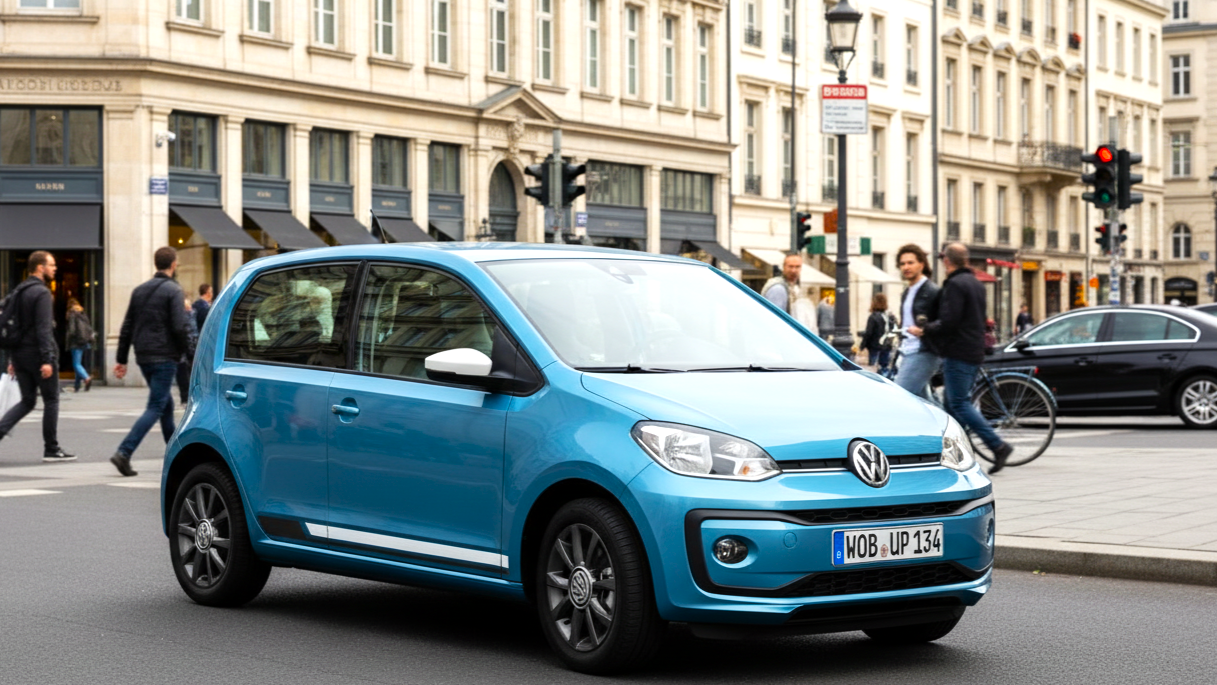
Popular models in 2025 include the Toyota Yaris (known for reliability and a hybrid version), Kia Picanto (stands out for affordability, maneuverability, and rich equipment), Hyundai i10 (offers a spacious interior for its compact size), and European leaders like the Volkswagen Up! and Suzuki Swift.
Mini-Sedans
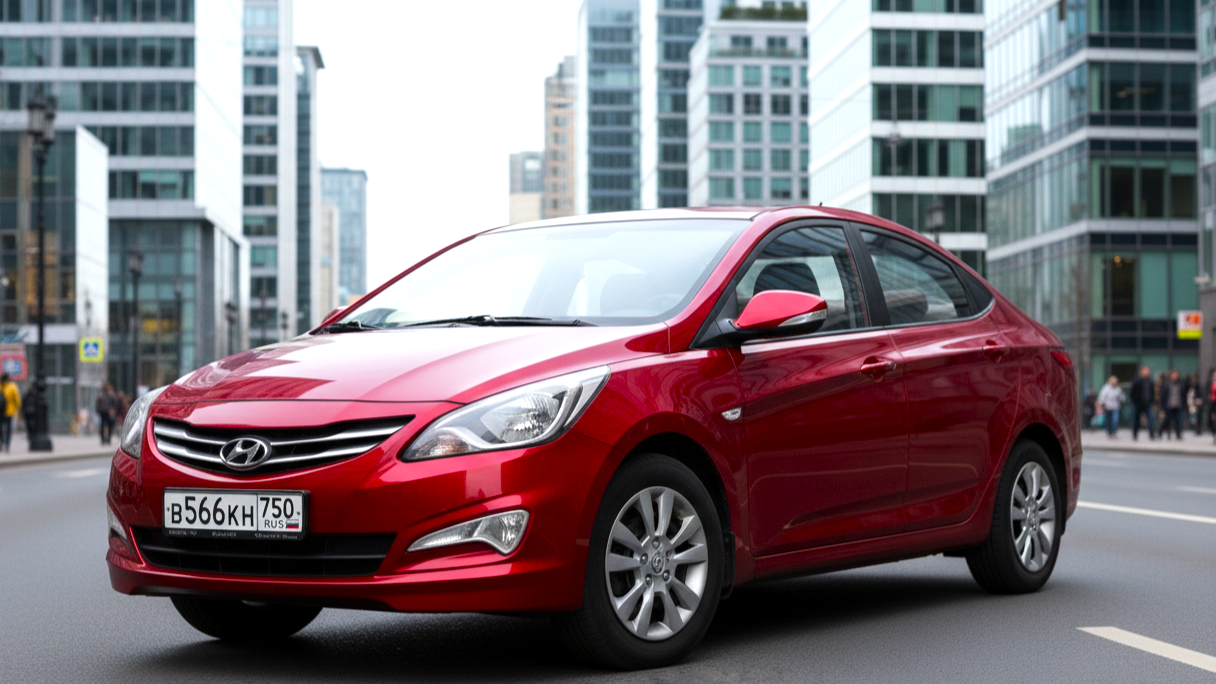
A sedan is a choice if the driver values a full-fledged, isolated trunk that protects the cabin from odors and noise, and prefers a more "solid" appearance. B-class mini-sedans often share the same wheelbase as hatchbacks but are slightly longer. They are a good option if the car is used not only for the city but also for occasional longer trips with significant luggage.
In this segment, time-tested models like the Hyundai Solaris and Kia Rio (in the secondary market) lead, as well as new budget models presented in 2025, such as the Renault Logan or its more fuel-efficient counterparts.
Electric and Hybrid City Cars
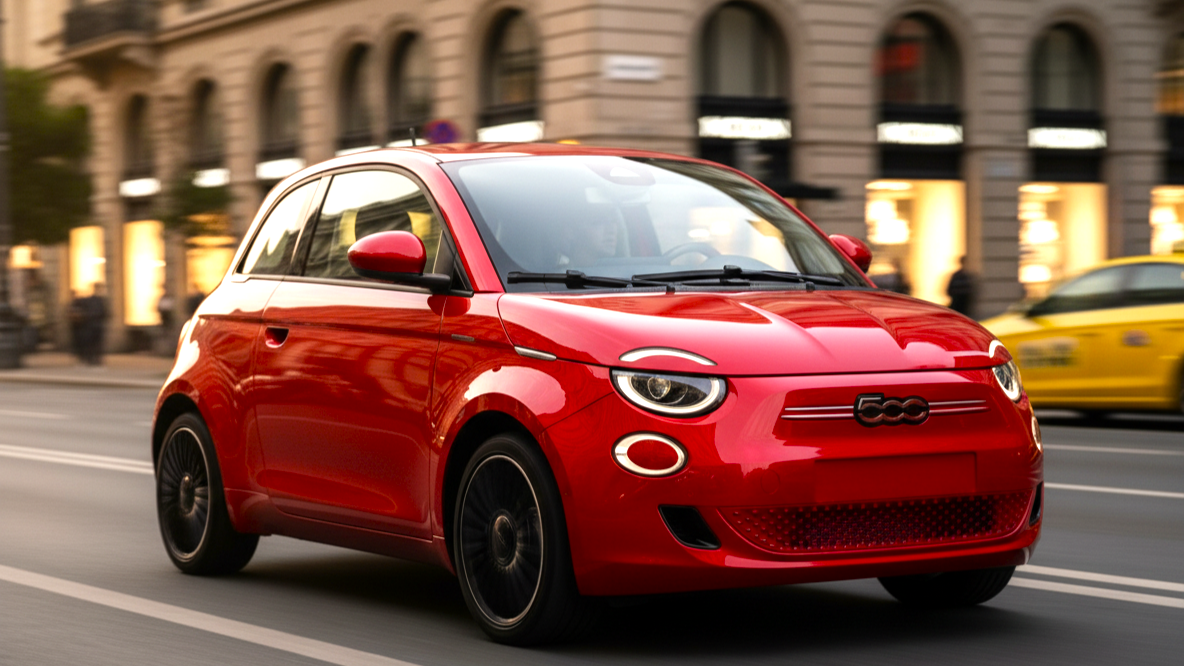
Electric vehicles (EVs) and hybrids are the elite city cars for the urban environment, where the average daily mileage rarely exceeds 50–70 km. EVs provide zero emissions in the city, low cost per kilometer, and instant torque, making them very dynamic at traffic lights. Hybrids, especially Plug-in (PHEV) types, allow daily trips to be completed entirely on electricity, using the petrol engine only for long distances. The main advantage is energy recuperation during braking, which is maximally effective precisely in stop-and-go traffic and extends the range.
Among the leaders in 2025 are electric hatchbacks and microcars—MINI Electric (style and maneuverability), Fiat 500e (ultracompactness and design), as well as hybrid options like the Toyota Yaris Hybrid and new models from Chinese and Korean manufacturers actively gaining market share.
Microcars and B-Segment Crossovers
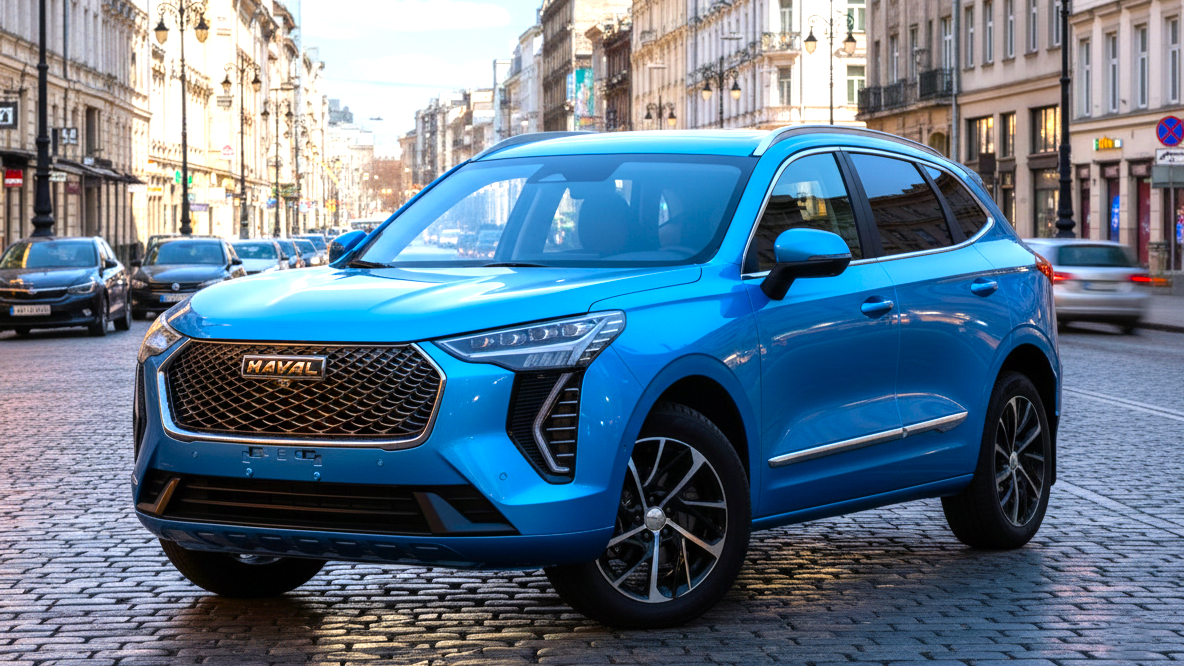
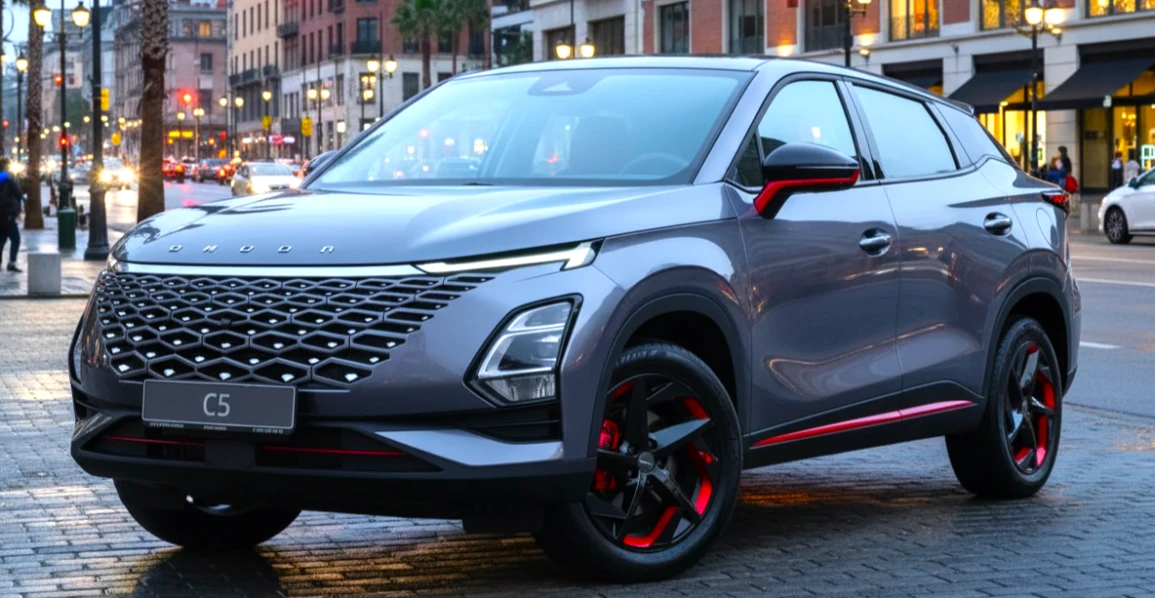
Ultra-compact cars, such as the Smart ForTwo or Renault Twingo, are suitable for those who primarily need the ability to park perpendicular to the curb and navigate maximum traffic density. They are typically two-seaters and are ideal for single use or a couple without extensive luggage needs. In the B-segment crossover category, which appeals with a high seating position and better visibility while retaining urban dimensions, models like the Haval Jolion, Geely Coolray, and Omoda C5 lead. They offer higher ground clearance, which is relevant for uneven city roads and curbs, while remaining relatively compact and fitting the criteria of a practical best town car.
Top 5 Best City Cars of 2025
Rank | Model | Strengths |
1 | Toyota Yaris Hybrid | Available in petrol and highly efficient hybrid versions. Renowned for phenomenal reliability and very low fuel consumption in the city cycle (about 3.8–4.5 L/100 km for the hybrid). |
2 | Kia Picanto | One of the most compact and affordable city cars on the 2025 market. Ideal for narrow streets and restricted parking. Inexpensive to maintain and often comes with rich equipment. |
3 | Hyundai i10 | Offers a surprisingly spacious and comfortable cabin despite small external dimensions. Boasts good fuel economy and modern design. |
4 | Volkswagen Up! (Electric) | High European build quality, compactness, and eco-friendliness. The ideal "shuttle" for urban trips if home charging is available. |
5 | Lada Granta | Low cost, ease of repair, and resilience to poor roads. The most affordable car on the market. |
Tips for Choosing a City Car
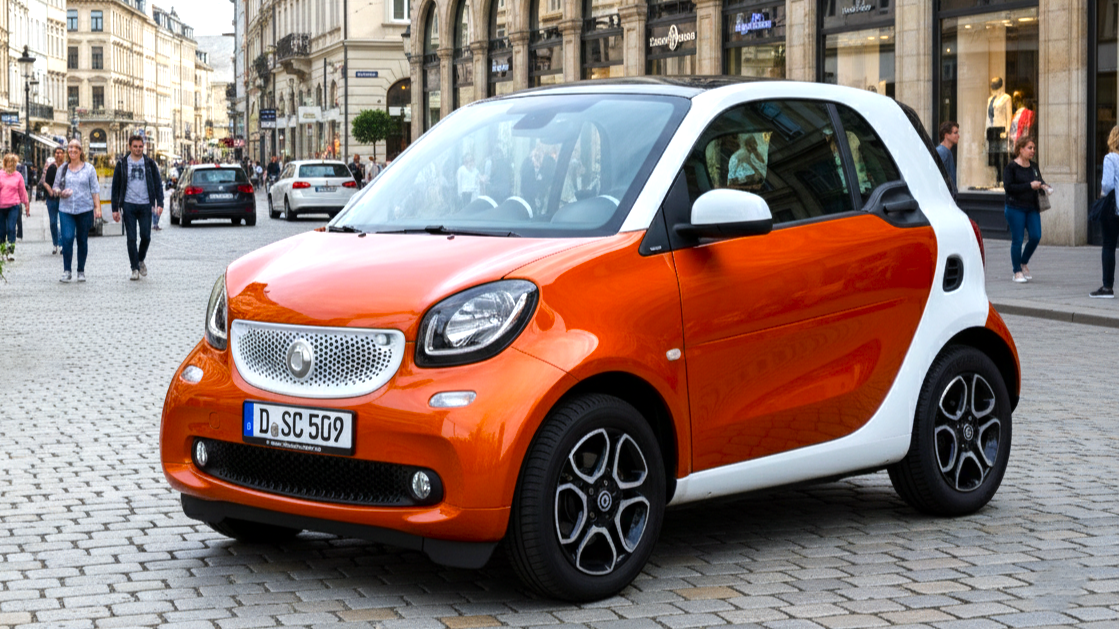
New or Used Car for the City
A new car offers reliability, manufacturer's warranty, and access to the latest safety and multimedia technologies. Its purchase is justified if you plan to use the car intensively and want to avoid unexpected repairs. A used car is a way to save money and get a higher-class model for the same price. For city driving, used cars are advantageous because minor scratches and dents, inevitable in dense traffic, will be less painful. When choosing, one should focus on popular, reliable models (e.g., Hyundai Solaris I/Kia Rio I) with a transparent service history.
Automatic or Manual for Traffic
For 95% of urban drivers, the clear choice is an automatic transmission (AT, CVT, or "robot"). An automatic transmission drastically reduces fatigue in traffic jams, where a manual would require constant shifting. Classic torque-converter ATs and CVTs provide the greatest comfort and smoothness, which is ideal for stop-and-go mode, making them a common feature of elite city cars focused on comfort. Manual remains the choice for those seeking maximum economy and structural simplicity.
What to Check During a Test Drive
A test drive isn’t just a formality — it’s your chance to understand whether the car truly fits your lifestyle. When you’re evaluating a city car, try to recreate the conditions of your everyday driving as closely as possible. Here’s what to focus on:
Turning Radius and Maneuverability
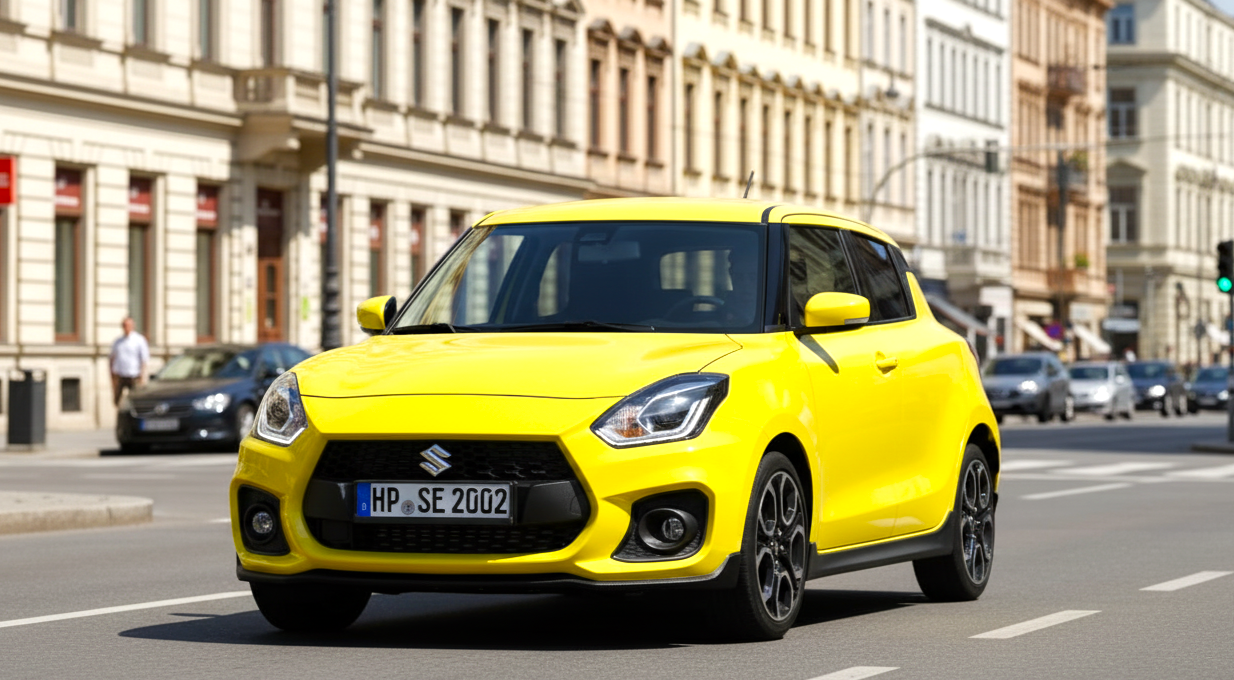
Find a narrow street or parking lot and check how easily the car turns around or parks in tight spaces. A good city car should handle “U-turns” or tight maneuvers smoothly, without excessive steering effort or multiple corrections.
Visibility and Blind Spots
Sit comfortably and check if you can clearly see through the windshield and side mirrors. Pay attention to how thick the rear pillars are — they can create dangerous blind spots when parking or changing lanes. Excellent visibility means greater safety and confidence on busy streets.
Suspension Comfort and Response
Drive over small bumps, speed humps, or tram tracks. Notice how the suspension absorbs shocks — it should cushion road imperfections without feeling too stiff or “bouncy.” A well-tuned suspension is especially important in urban conditions with uneven pavement.
Acceleration and Handling Dynamics
When merging into traffic or overtaking, see how quickly the car responds to your commands. The engine should provide enough power for smooth acceleration without forcing you to press the pedal to the floor. Ideally, the car should feel agile and responsive — confident but not aggressive.
Bonus Tip: try parking the car several times in different ways — parallel, reverse, and head-in. This simple exercise will quickly show how comfortable the car is to handle in real-life city scenarios.
Conclusion
The best city car in 2025 is a vehicle that successfully solves the three main problems of the metropolis—it saves money (through low fuel consumption and affordable maintenance), saves time (through compactness and maneuverability), and saves nerves (through comfort, automatic transmission, and modern driver assistance systems). This is most often a compact hatchback or a small B-segment crossover, and for the environmentally conscious choice—a hybrid or electric vehicle, truly representing the pinnacle of the modern best town car.

