



Top Cars for Short Drivers: A Complete Guide to Choosing and Adjusting Your Vehicle
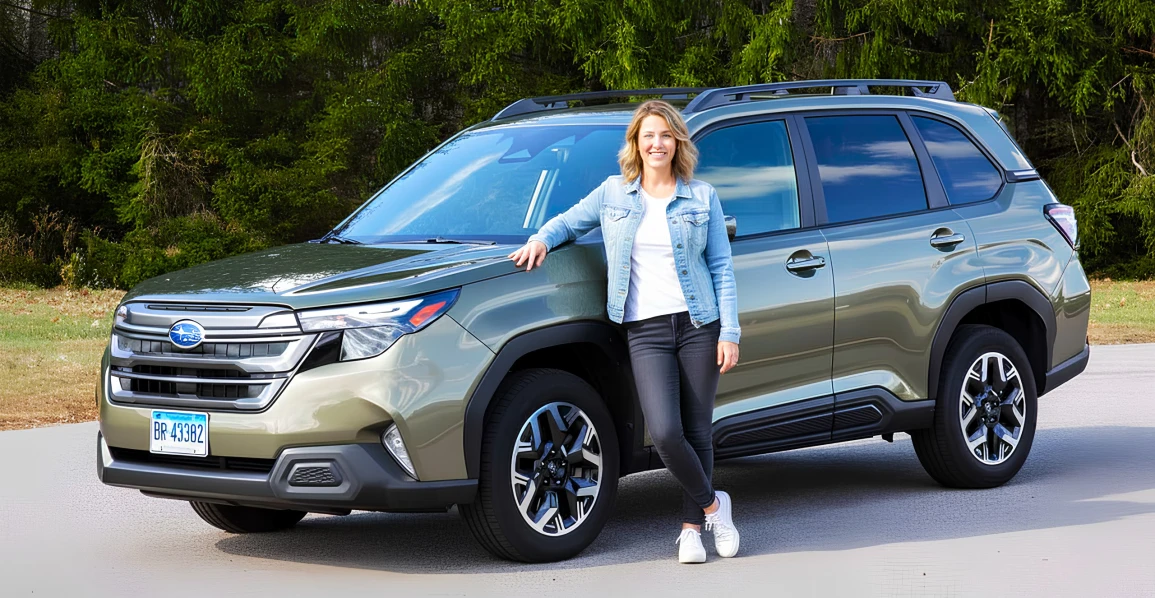
For many people, choosing a car is a matter of preference, style, and budget, but for drivers of a shorter stature, it's also a crucial matter of safety and comfort. An improperly chosen or adjusted vehicle can turn everyday commutes into a tiring and even dangerous activity due to restricted visibility and the necessity of adopting unnatural driving postures.
This article will detail the main issues faced by short drivers, the key selection criteria, propose a list of good cars for short people, and offer practical advice on seat adjustment and utilizing modern safety technologies. The right choice and configuration of a vehicle not only enhances personal comfort but also significantly improves overall road safety.
Key Challenges for Shorter Drivers
Drivers of short stature encounter a number of specific problems. These difficulties are typically related to the mismatch between standard automotive ergonomics and the driver's individual measurements.
Limited Visibility Through the Windshield and Side Windows
One of the most serious issues is insufficient visibility. Due to their height, a driver may sit too low relative to the windshield line, making it difficult to get a full view of the road, signs, and traffic lights. Furthermore, thick front body pillars (A-pillars) can create significant blind spots, especially when turning or maneuvering, as the driver's head is positioned at a level that prevents them from easily looking around these obstructions.
Difficulty Reaching Pedals with Proper Driving Posture
Correct driving posture requires the back to be firmly pressed against the seatback and the hands to be comfortably positioned for steering. However, shorter drivers often must slide the seat too close to the steering wheel and far forward to fully depress the pedals. This position leads to excessive bending of the legs and, more dangerously, places the chest too close to the steering column and the airbag.
Incorrect Positioning Relative to the Airbag
A vital safety aspect is the distance to the steering wheel. If the driver is seated too close (less than 10-12 inches (25-30 cm) from the center of the chest to the center of the steering wheel), the force of the airbag's deployment in a crash can cause severe injuries instead of protecting them. Conversely, moving back to maintain a safe distance might prevent a short driver from operating the pedals effectively.
Difficulties with Visibility During Parking and Maneuvering
Due to a lower seating height, it can be challenging for the driver to judge the vehicle's dimensions and the distance to obstacles, especially when parking or reversing. A high rear end or a tall hood in some models significantly diminishes visual contact with the surroundings, increasing the risk of minor accidents and scrapes.
Criteria for Selecting a Car for Shorter People

Choosing an appropriate vehicle for a short driver should be based on a thorough analysis of the cabin's ergonomic features and the availability of key adjustments. It's important to remember that the car should adapt to the driver, not the other way around. The priority criteria are extensive seat adjustability, superb visibility, and well-thought-out control ergonomics.
Seat Adjustments
The seat is responsible for comfort and safety. When choosing cars for short people, you should pay attention to the following adjustment parameters:
- Wide range of height and distance-to-pedal adjustment.
- Ability to adjust the seatback angle and headrest. A correct seatback angle (about 100–110 degrees) ensures the shoulders are firmly against the backrest, and the headrest setting ensures neck safety.
- Lumbar support for a comfortable posture. Built-in or added support will reduce fatigue on long journeys.
These parameters allow a short driver to sit high enough for visibility and far enough from the steering wheel for safety.
Visibility and View
Good visibility is the foundation of safe driving, especially when the driver’s height is limited.
The following vehicle characteristics contribute to good visibility:
- Low hood line for a better view of the road. This allows the driver to see the space immediately in front of the vehicle.
- Thin body pillars that don't restrict side visibility. Less thickness in the front (A) pillars reduces blind spots during maneuvering and turning.
- Seating height for an overview of the surrounding area. In some models (e.g., compact SUVs), a slightly higher seating position can offer a better overall view.
Good visibility directly affects the driver's ability to react quickly to the road situation.
Control Ergonomics
All controls should be easily accessible when the driver is seated in a correct and safe position. Car control ergonomics suitable for shorter drivers should include:
- Easily accessible location of all controls. Buttons, levers, and screens should be within reach without lifting the back off the seat.
- Adjustable steering column for height and reach (telescopic). This allows the steering wheel to be set at a safe distance from the chest without obstructing the gauges.
- Convenient positioning of rear-view mirrors. Mirrors should be easily adjustable for maximum coverage with minimal blind spots.
Well-designed cabin ergonomics ensure the driver won't be distracted or compromise their posture to operate secondary functions.
Safety
In addition to standard safety systems, short drivers should look for technologies that compensate for their ergonomic challenges.
Important safety aspects include:
- Correct positioning of airbags. Side and knee airbags activate correctly relative to the seating position.
- Assistance systems to compensate for limited visibility. Technologies like lane departure warning can help with insufficient side visibility.
- Parking cameras and sensors. These systems make it easier to judge dimensions and distance to obstacles, compensating for visibility difficulties when parking.
A comprehensive approach to safety includes both passive (airbags) and active (ADAS) systems.
Top 10 Best Cars for Short People
When choosing from the wide range of models, focus on vehicles that consistently receive high ratings for ergonomics, significant seat adjustment capabilities, and excellent visibility.
Compact Sedans
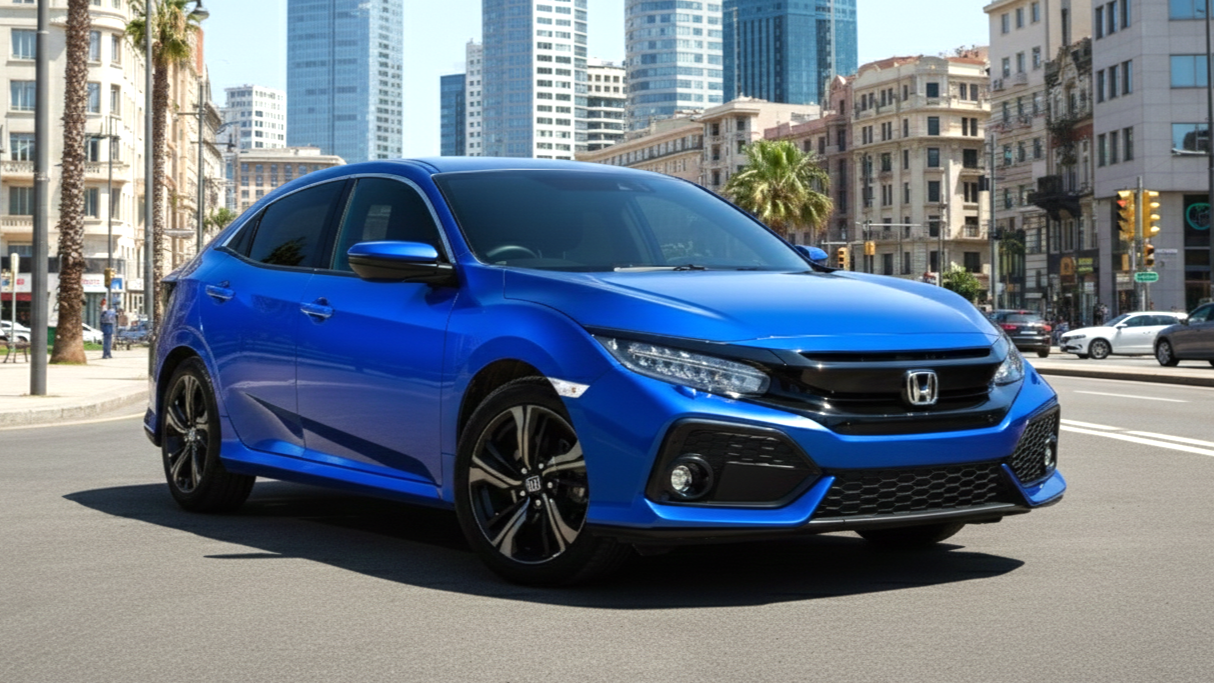
- Honda Civic. The new-generation sedan boasts excellent driver's seat ergonomics with a wide range of height and distance adjustments. The telescopic steering column offers a generous reach, making it possible to find a safe distance from the airbag without losing access to the pedals.
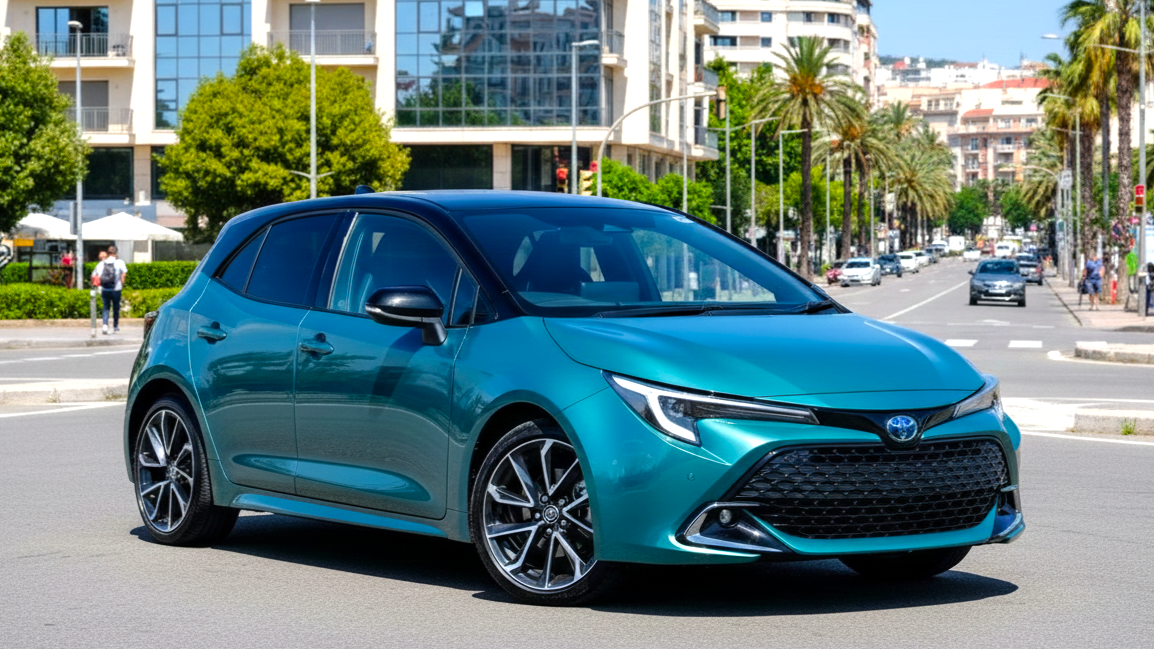
- Toyota Corolla. Known for reliability and well-designed interior. It stands out for its low beltline and narrow front pillars, which minimize blind spots. The standard seat offers sufficient vertical lift, and the simple, intuitive layout of all controls ensures you don't have to reach for buttons.
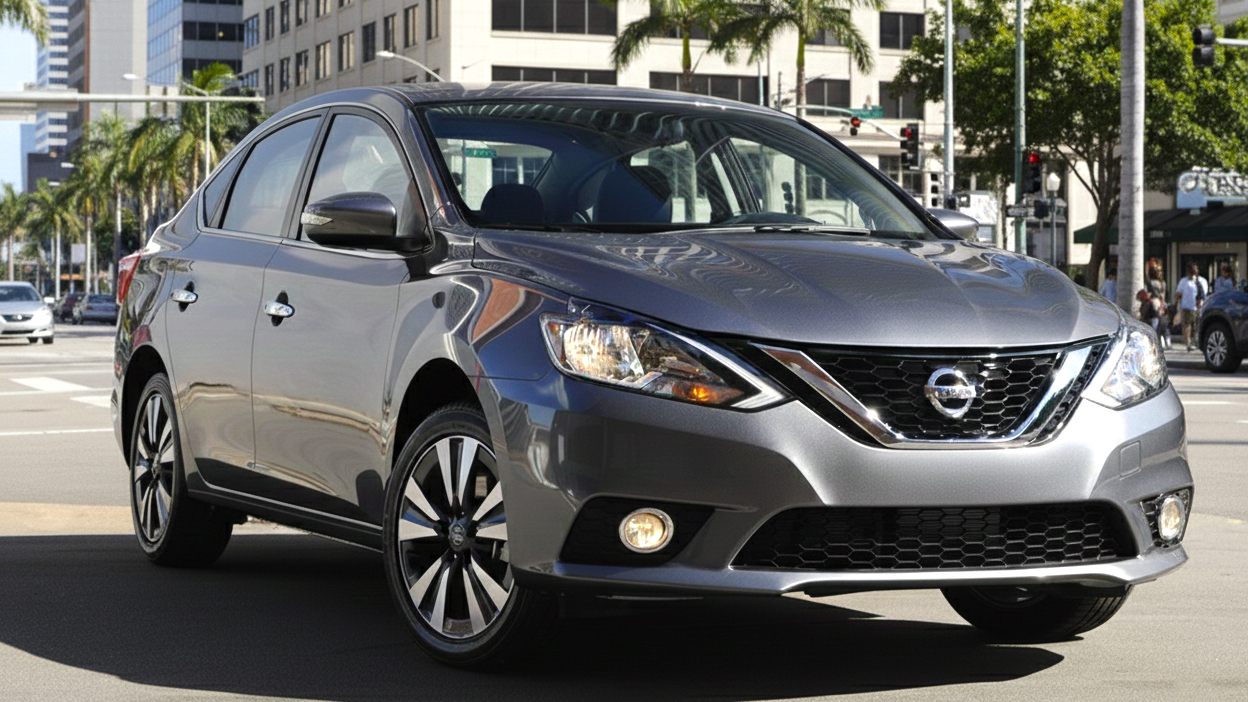
- Nissan Sentra. Offers a relatively spacious cabin with multiple seat adjustments. Modern Sentra models feature good height and tilt adjustment, allowing customization to individual parameters. The Sentra's ergonomics often include a convenient center console layout and easily accessible controls, eliminating the need to lean forward.
Compact SUVs
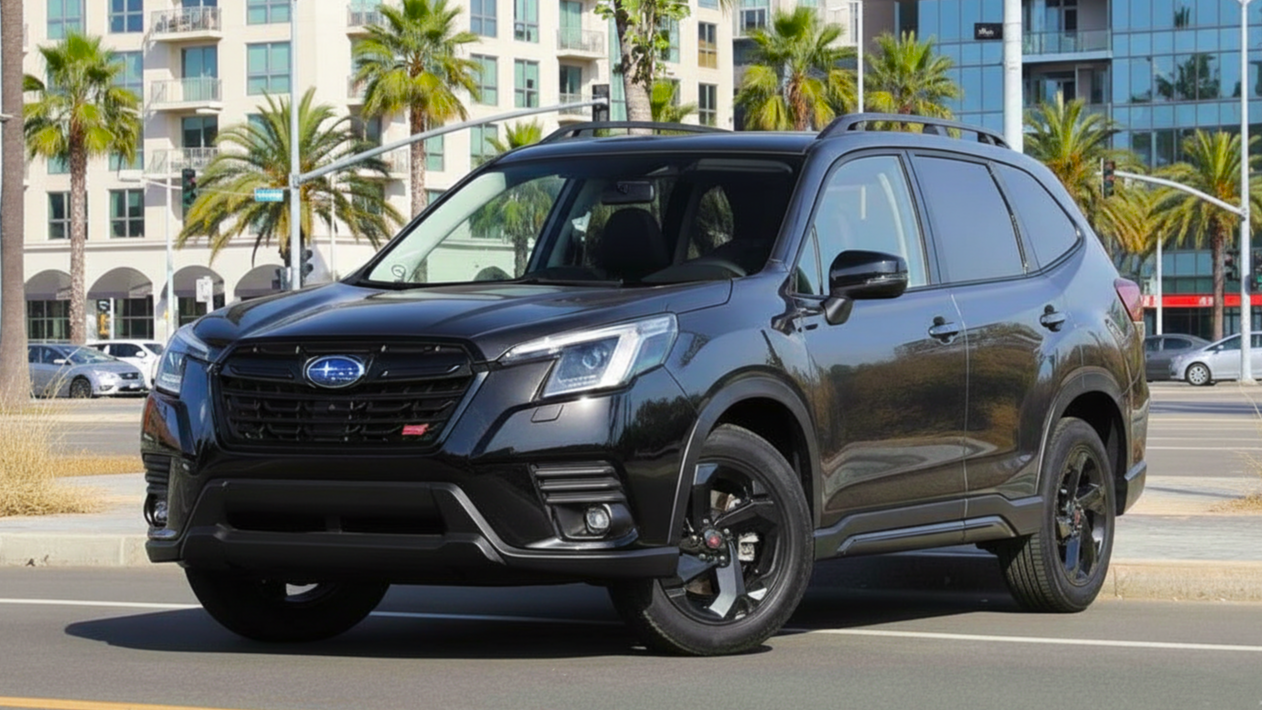
- Subaru Forester. Consistently receives high marks for visibility due to its large glass area, upright body design, and thin pillars. The high seating position provides an excellent overall view of the road and surroundings. Seats have a wide range of vertical adjustment, which, combined with the high ground clearance, provides comfortable entry and exit. This is a top-rated best suv for short people.
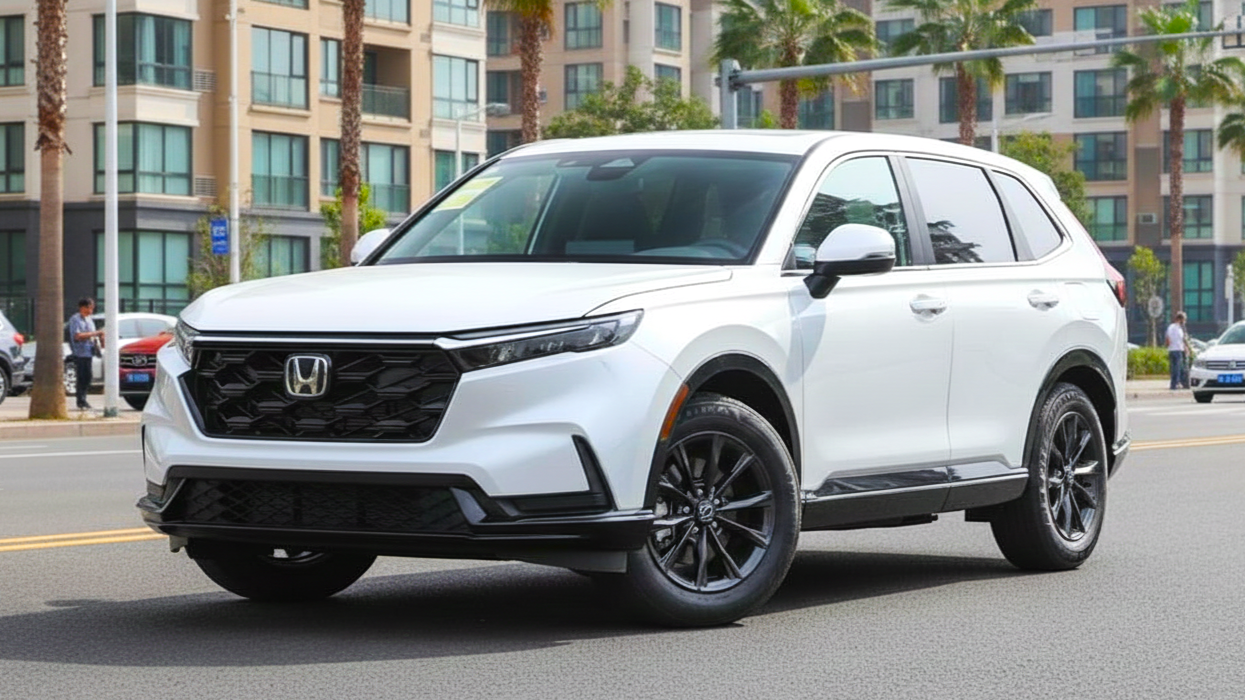
- Honda CR-V. Represents an ideal blend of height (for better visibility) and convenient seat adjustments. The model has a well-designed instrument panel that doesn't obstruct the view. Controls on the steering wheel and center console are easily accessible, and the telescopic steering wheel adjustment makes it easy to maintain a safe distance from the airbag.
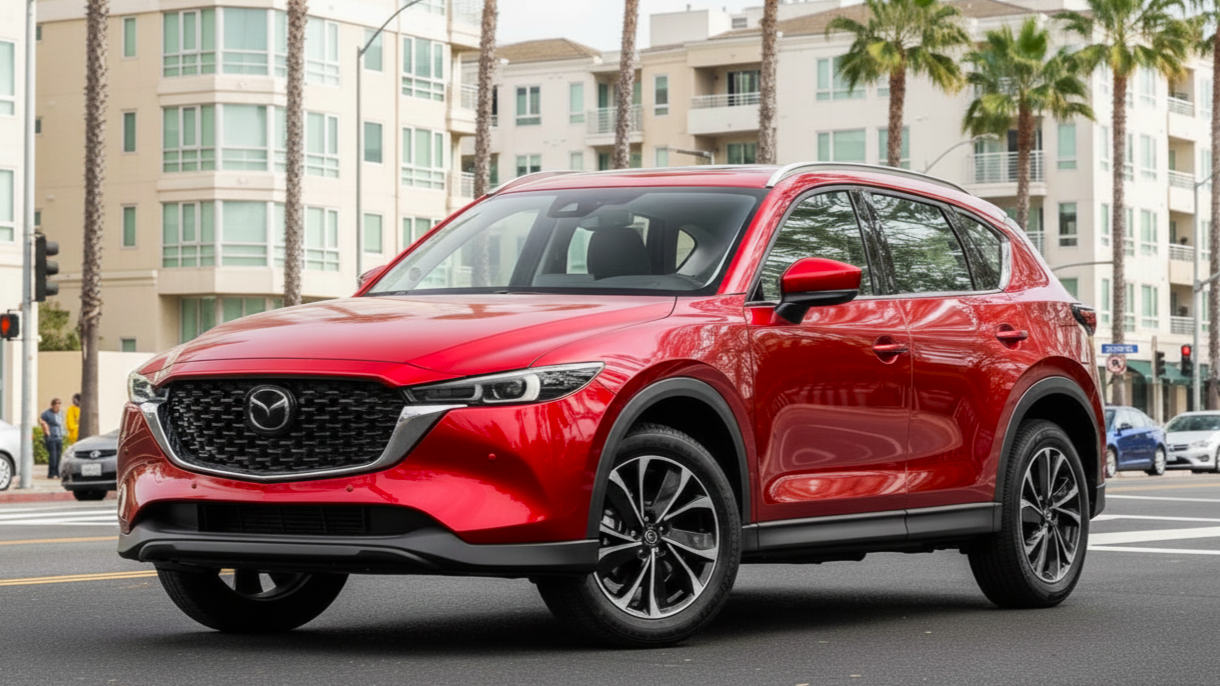
- Mazda CX-5. Distinguished by premium ergonomics in an accessible segment. Mazda's design philosophy (driver-focused) ensures all controls are precisely positioned and easily accessible. The seats often feature an elongated cushion and a wide range of adjustments. A low hood line for an SUV of this class further enhances forward visibility.
Hatchbacks
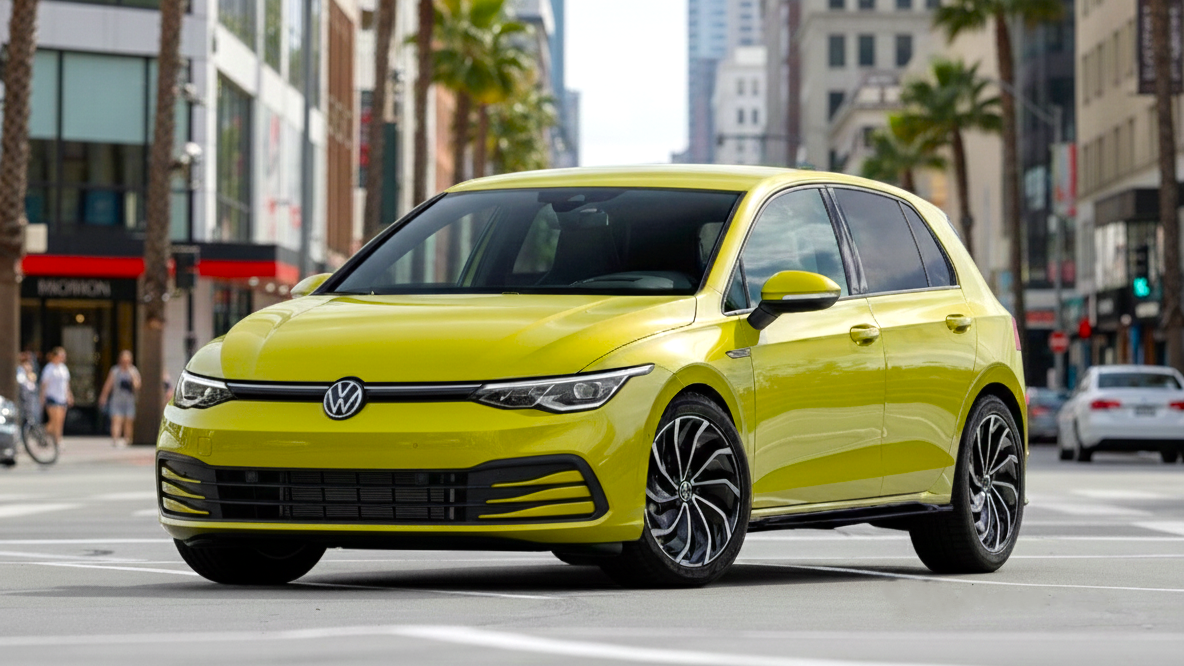
- Volkswagen Golf. A classic European hatchback with refined seating. It offers precise seat and steering wheel adjustments, allowing a shorter driver to perfectly configure their workspace. The compact size simplifies maneuvering and parking, and good rear visibility compensates for difficulties in judging dimensions.
- Honda Fit (Jazz). The model features a spacious cabin and the famous “Magic Seat” system. The high roofline and large glass area ensure excellent all-around visibility. The driver's seat is height-adjustable, and the close proximity of the pedals makes them easy to reach.
.png?_t=1764667442)
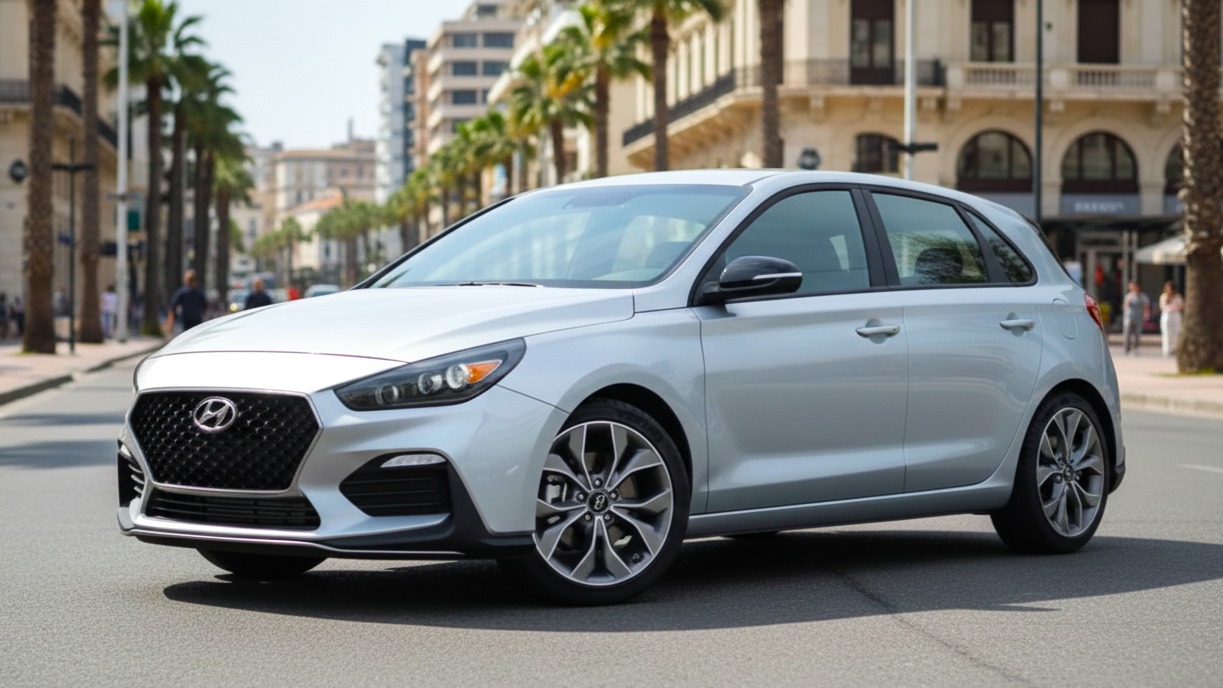
- Hyundai Elantra GT. Offers a sporty yet comfortable seating position. The seats provide good lateral support, which helps maintain a stable posture. Compared to some competitors, the Elantra GT provides relatively good visibility and convenient access to all controls on the center console.
Mid-Size Crossovers
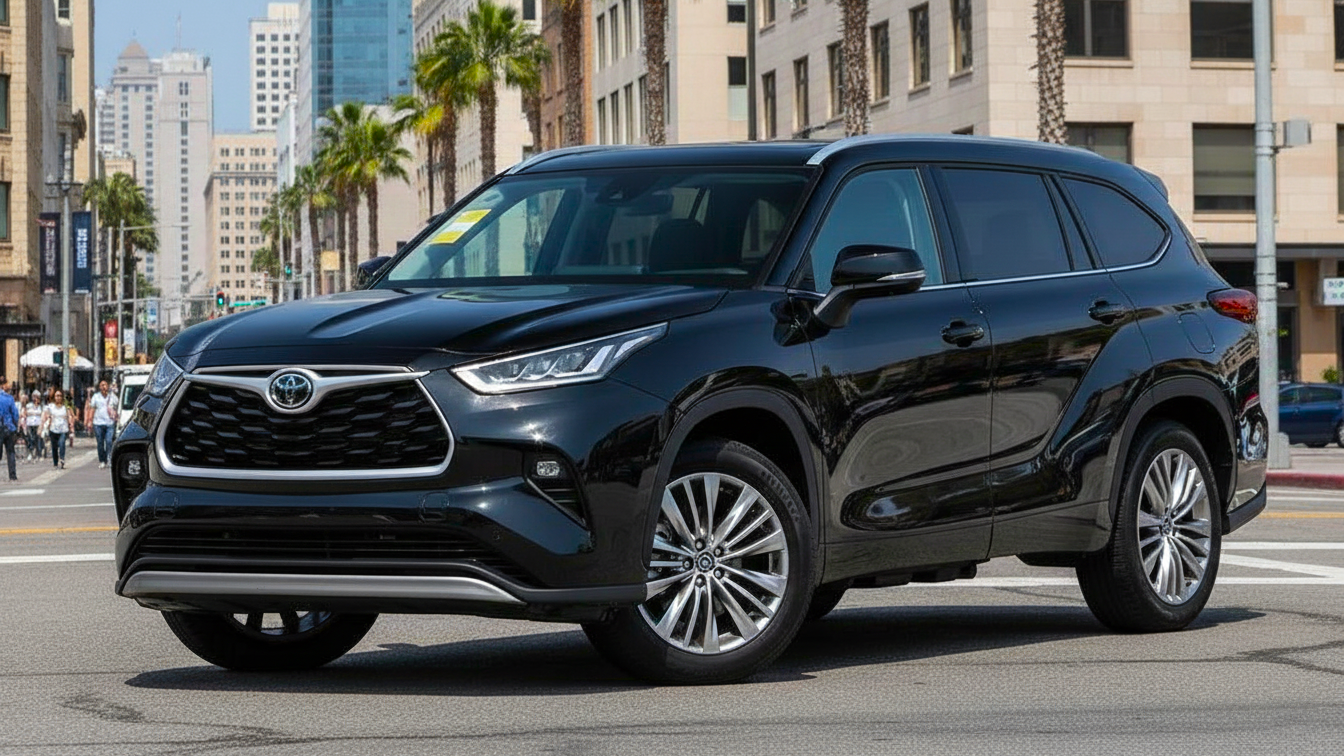
- Toyota Highlander. As a family vehicle, it is equipped with seats that offer a wide range of adjustments suitable for drivers of various heights. Power seat adjustment often includes a cushion tilt function, which helps relieve hip strain, and large windows and optional surround-view systems further compensate for the vehicle’s large dimensions.
Configuring the Vehicle for Optimal Comfort
Even the most ergonomic car requires adjustment to the driver's individual characteristics.
Proper Seat Adjustment: Distance to Pedals and Steering Wheel
Adjusting the driver's seat involves setting the distance to the pedals and the steering wheel. The seat should be positioned so that the brake pedal can be fully depressed while maintaining a slight bend in the knees. A safe distance (at least 10–12 inches / 25–30 cm) must be maintained between the center of the chest and the center of the steering wheel. The seat should be raised as high as possible to maximize visibility. The seatback should be set at an angle of 100–110 degrees, allowing the wrists to rest on the top of the steering wheel without the shoulders lifting from the backrest.
Optimal Mirror Adjustment for Maximum View
Correctly adjusted mirrors minimize blind spots and compensate for restricted view due to short stature. All three mirrors must be adjusted:
- Center mirror: Should show the entire rear window area without needing to tilt the head.
- Side mirrors: The majority of the mirrors should be angled toward the road and adjacent lanes to minimize blind spots.
This adjustment allows the driver to monitor the surrounding environment with minimal head and body turning.
Using Cushions and Pads for Extra Comfort
If standard seat adjustments don't provide sufficient height or support, additional accessories can be used.
It is recommended to use:
- Special wedge cushions for the seat: Firm, non-slip pads that increase seating height and improve visibility through the windshield.
- Orthopedic back cushions: Provide proper lumbar support, prevent slouching, and help maintain an optimal, higher posture.
The accessory should not be too soft and must not interfere with the geometry of the seat belt.
Headrest Adjustment for Neck Safety and Comfort
The headrest is a fundamental component of passive safety, preventing whiplash injuries.
The adjustment should be as follows:
- Height: The top of the headrest should be level with the top of the head or slightly above.
- Distance: The gap between the back of the head and the headrest should be no more than 2 inches (5 cm).
Correct headrest positioning ensures that in a rear-end collision, the head will be supported, and the risk of neck injury will be minimal.
Driver Assistance Technologies for Enhanced Safety

Modern Advanced Driver-Assistance Systems (ADAS) can compensate for inherent limitations associated with reduced visibility and difficulty judging dimensions. Integrating these technologies significantly enhances confidence and safety on the road.
Surround-View Systems and Rear-View Cameras
These systems are essential for compensating for limited visibility during maneuvering and parking.
- Rear-view camera.
- Surround-view systems (360° View).
These technologies replace the need to "peer out" of the car, which can be difficult with a low seating position.
Blind Spot Sensors to Compensate for Limited View
Blind Spot Monitoring (BSM) is an addition to side mirrors. It uses radar or ultrasonic sensors to detect vehicles in adjacent lanes that are in areas invisible to the driver (blind spots). It provides a visual (in the side mirror) or auditory warning, alerting the driver to potential danger when changing lanes. This is a critical feature for any good cars for short people.
Automatic Emergency Braking
The system (AEB) continuously monitors the distance to objects ahead using radar and/or cameras. If the driver fails to respond to collision warnings, the system automatically activates the brakes. This is important in situations where limited visibility or a forced improper driving posture slows the driver's reaction time.
Adaptive Cruise Control with Lane Keeping Assist
These technologies reduce driver fatigue on the highway, helping to maintain a safe posture. Adaptive Cruise Control (ACC) automatically maintains a set speed and a safe distance from the vehicle ahead, reducing the need for constant pedal work. Lane Keeping Assist (LKA/LCA) helps the car stay centered in its lane. Reduced fatigue directly leads to increased concentration and safety.
Conclusion
Choosing and adjusting a vehicle for a shorter driver isn't just a matter of comfort; it's a critical safety aspect on the road. The combination of a correctly selected model (with a wide range of adjustments and good visibility), smart individual configurations (seat, mirrors, steering wheel), and the use of modern driver assistance technologies provides the best cars for short people experience, ensuring safe and confident driving.

