



What is Car Detailing? A Complete Guide to Car Detailing and Its Importance
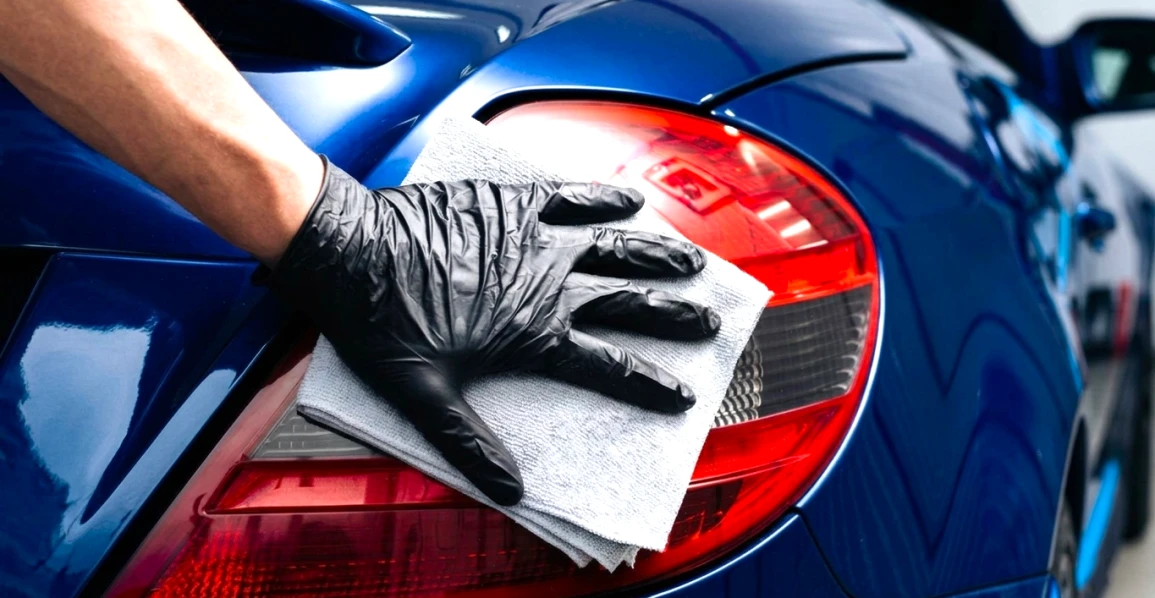
When the question arises regarding what is car detailing, many vehicle owners mistakenly believe it is merely a synonym for a thorough and perhaps expensive car wash. However, this is a significant misconception that must be dispelled immediately to truly appreciate the value of the service. Detailing is a complex engineering and chemical process, a philosophy of absolute cleanliness, and a technological art form dedicated to restoring a vehicle to its pristine, showroom condition.
It is not simply about removing visible dirt; it is a comprehensive suite of high-tech operations aimed at the meticulous treatment of both the interior and exterior of a vehicle. Unlike a standard conveyor belt car wash, where the objective is to blast away surface grime in fifteen minutes using harsh bristles, detailing aims for molecular-level cleaning, the correction of paint defects, and the long-term preservation of the results. Every square centimeter of the automobile, from the chrome exhaust tips to the intricate stitching on a leather seat, passes through the skilled hands of a master technician.
History and Development of Detailing
To fully grasp the depth of this craft, one must look back at its origins and evolution over the last century. The specific terminology and the industry standards we recognize today largely originated in the United States, specifically in Southern California, during the mid-20th century. It was in this region that American car culture reached its zenith, and owners of luxurious hot rods, muscle cars, and classic convertibles were desperately seeking methods to make their vehicles stand out at competitive exhibitions and shows.
In the early days, vehicle care was limited to natural waxes based on carnauba, derived from Brazilian palm trees, and rudimentary cleaners. Interestingly, in the 1800s, similar animal fat and wax compositions were used on horse-drawn carriages to protect the lacquer from the corrosive effects of horse manure and the mud of unpaved roads. However, the true revolution in this field occurred with the advent of polymer chemistry and the rapid development of automotive clear coats.
Evolution of Services. From a Bucket of Water to Nanoceramics
By the 1980s and 1990s, the industry took a massive leap forward with the invention of synthetic sealants and the introduction of the automotive clay bar, a tool that migrated to the West from Japan. The clay bar was a game-changer, allowing users to physically pull embedded contaminants—such as industrial fallout, rail dust, and overspray—out of the paint, which simply could not be removed by water alone. This innovation fundamentally changed the car detailing meaning, shifting it from simple cosmetic gloss enhancement to deep surface decontamination.
Modern detailing standards were solidified in the early 2000s with the widespread adoption of microfiber technology. Unlike cotton or old rags, microfiber towels are designed to lift dirt away from the surface rather than dragging it across the paint, drastically reducing scratches. Simultaneously, the development of Dual Action (DA) polishers allowed for safer paint correction, minimizing the risk of burning through the clear coat, which was a common danger with older rotary machines. Today, detailing is a massive global industry with strict protocols, master certifications, and the heavy use of nanotechnology. Approaches vary by region. in the USA, the focus is often on "Show Car" gloss; in Europe, particularly Germany, the emphasis is on pedantic preservation and engineering protection; while in Japan, the industry pioneered the use of glass coatings (liquid glass) for ultimate hardness.
Main Areas of Automotive Detailing
Detailing is a modular system comprising various specialized procedures. One cannot simply "do a detail" in a generic sense; the work is typically divided into several key areas, each requiring specific skills, chemistry, and equipment. Globally, professional car detailing is categorized into three major groups. exterior restoration, interior sanitation, and technical aesthetics (engine and undercarriage).
Exterior Detailing
This is the most requested service, as the vehicle's bodywork takes the brunt of environmental abuse, from UV rays to road salts.
- Multi-Stage Washing. This involves the "Two-Bucket Method" (one for rinse, one for soap) to prevent grit from scratching the paint, along with pH-neutral shampoos and snow foams that lift dirt without stripping existing wax.
- Decontamination. This is a critical step involving both chemical and mechanical removal of bonded contaminants. Iron removers are used to dissolve metallic brake dust particles that have embedded into the clear coat, preventing them from oxidizing and causing rust spots.
- Paint Correction (Polishing). This is the most labor-intensive phase. The master technician removes a microscopic layer of clear coat (usually measuring only 3 to 5 microns) to level the surface. This process eliminates swirl marks, scratches, etching, and holograms, restoring true optical clarity to the paint.
- Protection. The final step involves sealing the perfected surface. Options range from traditional carnauba waxes and synthetic polymer sealants to "liquid glass" or advanced ceramic coatings (SiO2), which crystallize to create a sacrificial, armored layer over the paint.
Interior Detailing
The interior presents a more complex challenge because the detailer must work with a vast array of disparate materials. hard plastics, soft vinyl, various grades of leather, Alcantara, synthetic textiles, natural wood, carbon fiber, and chrome.
- Deep Cleaning. This often involves the removal of seats to access hard-to-reach areas. Technicians clean the headliner, seatbelts, and carpets using "Tornador" tools (which blast compressed air and cleaning solution into fibers) and hot water extraction machines.
- Ozone Treatment. This is a scientific approach to odor elimination. An ozone generator is placed in the sealed car to kill bacteria, viruses, and mold spores that cause bad smells, rather than just masking them with perfume.
- Restoration and Protection. Leather requires pH-balanced cleaners followed by conditioners to prevent cracking. Plastics are treated with anti-static, non-greasy dressings that provide UV protection to prevent fading.
Engine Bay and Undercarriage
Frequently ignored by the average car owner, the engine bay is a crucial part of a full detail. Engine cleaning is performed using dielectric gels and specialized degreasers rather than high-pressure water, which could damage sensitive electronics and sensors. After cleaning, all hoses, rubber pipes, and plastic covers are dressed with preservatives to prevent the rubber from drying out and cracking due to engine heat. Similarly, wheels are removed to fully clean the inner barrels, suspension components, and brake calipers.
Table of Differences. Standard Car Wash vs. Professional Detailing
Criterion | Standard Car Wash | Professional Detailing |
Time Required | 30 – 60 minutes | From 6 hours to 5+ days |
Tools Used | Sponges, dirty rags, harsh brushes | Premium microfiber, soft boar's hair brushes, foam cannons |
Primary Goal | Visual cleanliness | Deep purification, defect removal, and protection |
Effect on Paint | Often causes micro-scratches (swirls) | Removes scratches, restores mirror-like reflection |
Longevity | Lasts until the next rain | From 6 months to 5+ years (with ceramic coating) |
Essential Tools and Materials
The quality of the result is directly dependent on the arsenal available to the master technician. A hobbyist kit of automotive cosmetics purchased from a local supermarket is generally insufficient for professional results. True professionals utilize equipment and compounds where the cost of a single setup can exceed the price of a used economy car. To truly understand what does a car detailer does, one must look at the specialized technology they employ to achieve perfection.
Chemistry and Compounds
Detailers use strictly segmented chemical products. While a cheap car wash might use one strong acid to clean wheels, paint, and glass, a detailer uses a specific composition for every task.
- Lubricants. Specialized slippery liquids used solely to allow the clay bar to glide over the paint without marring the surface.
- Iron Removers. Chemical agents containing thioglycolic acid that react with iron particles. When sprayed on a car, they turn purple or red as they dissolve the metallic fallout from brake dust that has embedded in the paint.
- Ceramic Coatings. Complex chemical solutions based on silicon dioxide (SiO2) or titanium carbide. Unlike wax, which sits on top of the paint, these coatings form a covalent bond with the clear coat, creating a semi-permanent, glass-like layer.
Equipment
- Polishing Machines. The industry uses Rotary polishers for heavy cutting (removing deep scratches) and Dual Action (Random Orbital) polishers for refining the finish without leaving holograms or buffer trails.
- Lighting. This is perhaps the most critical tool for quality control. Detailers use inspection lights with a high Color Rendering Index (CRI), often mimicking direct sunlight. These lights reveal the tiniest scratches and hazing that would be invisible under normal fluorescent garage lighting.
- Paint Depth Gauges. These are ultrasonic devices used to measure the thickness of the paint on metal and plastic panels. They are essential for safety, allowing the detailer to know exactly how much clear coat is available to polish before striking the base coat.
Consumables
The king of consumables in the detailing world is the microfiber towel. However, not all microfiber is the same. They vary by density (measured in GSM - grams per square meter) and weave type. For drying, "Twisted Pile" towels are used because they absorb massive amounts of water. For buffing off ceramic coatings, low-nap, lint-free suede cloths are used. For glass, a "waffle weave" texture is preferred to prevent streaking.
The Car Detailing Process. A Step-by-Step Anatomy
To fully appreciate the scale of work involved, let us examine the typical algorithm for a "Correction and Protection Detail." It is vital to understand that the sequence of these steps is sacrosanct; violating the order can ruin the finish. For example, polishing a vehicle that hasn't been chemically decontaminated will result in dragging microscopic metal particles across the paint, creating new, deeper scratches. This meticulous process is the heart of car detailing.
- Reception and Inspection. The vehicle is washed, dried, and inspected under high-intensity LED lights. A "damage map" is created, noting stone chips, dents, and etching. The paint thickness is measured on every panel to ensure it is safe to polish.
- Multi-Phase Wash.
- Pre-wash. A citrus-based cleaner or traffic film remover (TFR) is applied to the dry car to break down heavy road grime.
- Snow Foam. A thick layer of foam is applied and left to dwell, lifting dirt away from the surface before a wash mitt ever touches the paint.
- Hand Wash. The contact wash is performed using the two-bucket method with grit guards at the bottom of the buckets to trap dirt.
- Detail Work. Soft brushes are used to clean inside emblems, around window seals, fuel doors, and grills.
- Deep Decontamination. First, a chemical decontamination is performed using iron fallout removers and tar removers. Then, a mechanical decontamination is done using a clay bar or a synthetic clay mitt. This leaves the paint feeling smooth as glass.
- Preparation for Polishing. All sensitive areas—rubber trim, plastic molding, door handles—are masked off with specialized automotive masking tape. This prevents the polishing pad from damaging the trim or forcing polish residue into the texture of the plastic.
- Paint Correction (Polishing). This process usually occurs in multiple stages.
- Cutting Stage. A heavy-cut compound and a microfiber or wool pad are used to remove deep defects and oxidation.
- Polishing Stage. A medium polish and foam pad remove the haze left by the cutting stage.
- Finishing Stage. A jeweling polish and a soft finishing pad are used to maximize gloss and clarity.
- Panel Wipe (Degreasing). After polishing, the paint is covered in polishing oils that mask the true finish. The car is wiped down with an isopropyl alcohol (IPA) mixture or a dedicated panel prep solvent to strip these oils, ensuring the paint is clinically clean for the coating.
- Protection Application. If a ceramic coating is chosen, it is applied using a microsuede applicator block. It is applied in small sections (e.g., 2x2 feet) and leveled after a specific "flash time."
- Infrared Curing. To accelerate the hardening of the ceramic coating, the vehicle is baked under short-wave infrared (IR) lamps. This ensures the coating cures to its maximum hardness and durability.
There is also a service known as Express Detailing. This is a maintenance procedure rather than a restorative one. It includes a thorough wash, a light interior vacuum and wipe-down, and the application of a spray sealant or spray wax. It is designed to maintain the condition of a vehicle that has already undergone a full detail.
Benefits of Car Detailing. Investment or Expense?
Many vehicle owners question whether it is worth paying a premium for professional detailing services. The answer lies in understanding that a vehicle is a depreciating asset, and proper care significantly slows down that financial loss. Here, we approach the economic and aesthetic aspects that define the true car detailing meaning for a savvy owner.
Economic Value and ROI
- Preserving Resale Value. A vehicle with flawless original paint, clear headlights, and a pristine interior will sell for significantly more than a neglected counterpart. Market data suggests a well-detailed car can command a 15-20% higher price.
- Preventative Protection. Ceramic coatings act as a sacrificial layer against environmental hazards. Bird droppings and tree sap contain high levels of acidity that can etch through clear coat and into the metal within hours. Repainting a hood or roof costs exponentially more than the preventative application of a high-quality coating.
- Lease Return Savings. For those who lease vehicles, detailing before the return inspection can save thousands of dollars in "excess wear and tear" fees charged for stains, scratches, and dull paint.
- Maintenance Efficiency. The hydrophobic (water-repelling) properties of modern coatings make the car "self-cleaning" to a degree. Dirt has a harder time sticking to the slick surface, meaning the car stays cleaner for longer and is much faster and easier to wash, saving money on frequent car washes.
Aesthetics and Psychology
One cannot ignore the emotional factor of driving a clean car. Driving in a sanitized, fresh-smelling cabin where the leather is matte and soft—rather than shiny and greasy from body oils—significantly enhances the driving experience and reduces stress. Externally, a car that gleams with a deep, wet look serves as an extension of the owner's image and attention to detail.
Technical Longevity
Detailing extends beyond looks. Cleaning the engine bay prevents overheating by removing layers of insulating grease and dirt. Conditioning rubber seals on doors and windows prevents them from freezing shut in winter or cracking in summer, which leads to wind noise and leaks. Thoroughly cleaning wheels removes brake dust, which is highly corrosive and can cause pitting in alloy wheels, leading to structural damage over time.
Tips for Car Enthusiasts
The world of detailing is vast, and it is easy for a newcomer to feel overwhelmed by the terminology and products. Here are several practical tips and guidelines to help you maintain your vehicle in showroom condition and navigate the industry.
How Often Should You Detail?
- Full Detail (with Paint Correction). This is a major surgery for your car's paint. Since a clear coat is finite, heavy polishing should not be done frequently. It is recommended once every 1 to 2 years, or upon purchasing a used vehicle.
- Maintenance Detail. This should be done seasonally (Spring and Autumn). This prepares the car for the harsh winter (applying protection) and cleans it after the winter (removing salt and road grime).
- Interior Maintenance. Leather cleaning and conditioning should be performed every 3 to 4 months to prevent drying and cracking.
DIY vs. Professional Services
Can you detail your car yourself? Absolutely, but there are significant risks involved. Basic steps like the two-bucket wash, clay bar decontamination, and waxing are accessible to any enthusiast with a driveway and the right chemicals. However, machine polishing is where the line is drawn. Without proper training, an inexperienced user with a rotary polisher can burn through the paint on an edge in seconds, requiring a body shop to fix. Furthermore, professional-grade ceramic coatings require strict environmental controls (humidity and temperature) that are hard to replicate in a home garage.
How to Choose a Detailing Studio?
When selecting a service provider, you need to understand what is car detailing quality control. Here is how to vet a potential detailer.
- Lighting. The studio must be incredibly bright. If a detailer shows you the finished car in a dim garage or outside in the shade, they are likely hiding holograms and missed defects.
- Cleanliness. The shop should be clinically clean. You cannot polish paint or apply ceramics in a dusty environment. Ideally, the shop should have a dedicated "clean room" or separate wet and dry zones.
- Portfolio. Do not just look at photos of the whole car (any wet car looks shiny from 10 feet away). Look for extreme close-up "macro" shots of the paint under inspection lights showing the "before" and "after" condition of the scratches.
- Time Estimates. High-quality detailing takes time. If a shop promises a full interior and exterior detail with polishing in 4 hours, run away. A proper job usually takes a minimum of 1 to 3 days depending on the level of correction required.
Conclusion
Summarizing the extensive information provided, we can confidently state that detailing is not a luxury reserved for supercars, but a necessary culture of vehicle ownership. It is a procedure that transforms a mere mode of transportation into an object of aesthetic delight and preserves the substantial financial investment you have made. We have dissected the question of what does a car detailer do, revealing that their work is a synergy of painstaking manual labor, advanced chemical engineering, and optical physics.
Regular detailing allows you to enter a vehicle every day that looks, feels, and smells brand new, regardless of its manufacturing year or mileage. It is a sign of respect for yourself and for the engineering marvel that is your automobile. If you desire your car to be a source of pride, to be armored against the aggressive urban environment, and to maintain its maximum market value, professional care must become an obligatory part of your maintenance routine. Do not economize on quality; the fleeting joy of a low price lasts far less time than the lingering disappointment of a poor result. Trust your vehicle to professionals who understand the value of every detail.

