



Signs of Bad Spark Plugs and Why Driving With Them Is Dangerous

Spark plugs may look like a minor component, but they determine how easily your engine starts and how smoothly it runs. They provide the spark that ignites the air–fuel mixture in the cylinder. When the ignition component is in good shape, the engine responds quickly, fuel consumption stays consistent, and the drive feels smooth.
Once the part begins to degrade, the engine develops hesitations, acceleration becomes sluggish, and fuel consumption increases. Many drivers mistakenly blame bad fuel or age of the car, when the real issue is often bad spark plug symptoms – subtle warning signs that something in the ignition system isn’t working as it should. Recognizing these signs early can save you from expensive repairs and keep your car reliable.
Why It Is Important to Monitor the Condition of Spark Plugs
A spark plug is a small but critically important engine component. It is responsible for creating the spark that initiates the combustion of the air–fuel mixture. At the same time, spark plugs operate under truly extreme conditions: the temperature inside the cylinder can reach 800–1000°C, pressure rises to dozens of atmospheres, and the frequency of spark generation can reach thousands of times per minute. In such an environment, even minor instability immediately affects the operation of the entire engine.
When spark plugs are in good condition, fuel burns evenly and efficiently. The engine runs smoothly, without excessive vibration, accelerates confidently, and delivers optimal fuel efficiency. However, even a slight deterioration in spark quality can trigger a chain of negative consequences.
Consequences of Spark Plug Wear or Failure
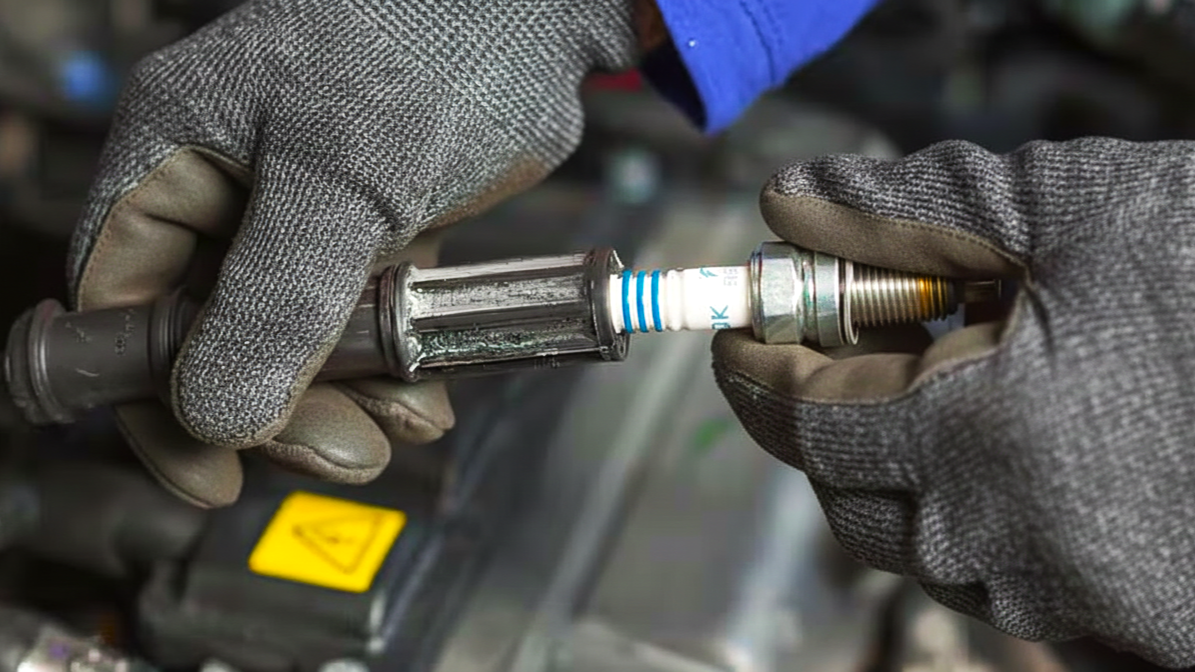
If the spark becomes weak or unstable:
- part of the fuel does not burn completely, reducing engine efficiency and increasing fuel consumption;
- ignition of the mixture is delayed, causing rough engine operation, jerking, and unstable engine speed;
- the load on the catalytic converter and oxygen sensor increases, as unburned fuel enters the exhaust system;
- acceleration hesitation occurs, throttle response worsens, and vibrations appear, especially at idle.
At first glance, these symptoms may seem minor, but in practice they indicate a deeper, systemic problem.
Why Faulty Spark Plugs Should Not Be Ignored
Driving with worn or faulty spark plugs is far from a “minor issue” that can be postponed. Unburned fuel continues to burn in the exhaust system, leading to overheating of the catalytic converter and accelerated wear of exhaust components. Over time, this can result in clogging or failure of the catalytic converter, as well as damage to oxygen sensors.
It is especially important to understand that:
- the cost of replacing a catalytic converter and oxygen sensor can be many times higher than the price of a new set of spark plugs;
- prolonged driving with poor spark quality significantly reduces the overall engine lifespan
- the problem has a cumulative effect and rarely resolves itself without intervention.
Common Signs of Bad Spark Plugs
Signs of bad spark plugs often appear gradually, making them easy to miss. But these subtle shifts are the earliest red flags:
- Hard starts in the morning, especially in damp or cold weather.
- Rough idle – the engine misfires or the RPMs fluctuate.
- Sluggish throttle response, lack of power on acceleration.
- Unexplained increase in fuel consumption.
- Check Engine light appears due to misfires.
- A strong smell of unburned fuel from the exhaust.
The sooner the driver reacts to these signs, the less damage accumulates. Ignoring them leads to additional failures and higher repair costs.
How to Visually Identify Worn Spark Plugs
The appearance of a spark plug is like a “snapshot” of what’s happening inside the engine. A quick inspection of the ignition component can reveal the root of many issues before visiting a shop.
Spark Plug Appearance | Possible Cause | What It Means |
Black, sooty deposits | Rich air–fuel mixture | Fuel doesn’t burn fully, the cylinder works inefficiently |
White deposits | Overheating in the combustion chamber | Lean mixture, risk of valve and piston damage |
Oily residue | Cylinder or ring issues | Oil is leaking into the combustion chamber |
Reddish coating | Additives or coolant contamination | Possible coolant leak or poor fuel quality |
Rust or greenish buildup | Moisture or coolant leakage | Seal failure, possible head gasket issues |
Always remove spark plugs only when the engine is completely cold. Use the proper socket and work slowly. Damaging the threads can lead to an expensive cylinder head repair. If in doubt, have the inspection done by a professional mechanic.
When to Replace Spark Plugs According to Schedule

Replacing ignition elements is part of routine maintenance, not an optional upgrade. Average service intervals:
- Nickel spark plugs – every 20,000–30,000 km (12,000–18,000 miles).
- Platinum – every 50,000–60,000 km (31,000–37,000 miles).
- Iridium – up to 80,000–100,000 km (50,000–62,000 miles).
But mileage isn’t the only factor. Stop-and-go traffic, short trips, poor fuel quality, and temperature swings can shorten service life significantly. If the ignition component isn’t replaced on time, starting becomes harder, and fuel consumption begins to rise even before noticeable misfires appear.
Check the ignition system at least once a year, even if your annual mileage is low. The exact replacement interval is in your owner’s manual — and ignoring it is a direct path to bigger problems.
How to Choose the Right Spark Plugs
Choosing the correct ignition part isn’t just about smooth starts — it protects your engine. The market offers three main types:
- Nickel. Budget-friendly but with a shorter lifespan.
- Platinum. More durable, resistant to deposits, and heat-stable.
- Iridium. Provides a strong, consistent spark under high loads.
Don’t choose based on price alone. The best approach is to match the part using the VIN or the manufacturer’s catalog. That ensures proper heat range and compatibility.
Top 3 mistakes when buying spark plugs
- Choosing by appearance instead of specifications.
- Buying cheap counterfeit products.
- Ignoring the heat rating, which leads to detonation or misfires.
A poor-quality ignition element can cause detonation, overheating, unstable performance, and even catalytic converter damage.
Can You Replace Spark Plugs Yourself?

Yes – if you have basic tools and a steady hand, this is one of the easier DIY maintenance tasks.
Step-by-step:
- Let the engine cool completely.
- Remove the ignition coils or wires.
- Carefully unscrew the old contacts with a spark plug socket.
- Check the gap on the new plugs.
- Install the new set and torque properly.
Always use a torque wrench — overtightening can strip the threads. If you’re not confident, have a mechanic handle it. A shop can complete the replacement in 15–30 minutes with zero risk.
Driving With Bad Spark Plugs: Why It’s Dangerous
Many drivers keep driving with bad spark plugs, ignoring misfires and uneven acceleration. It feels harmless — after all, the car still moves. But this behavior is risky. Misfires lead to unburned fuel reaching the catalytic converter. The converter overheats, breaks down faster, and expensive repairs follow. Engine performance worsens, fuel consumption rises, and the vehicle can stall without warning. The longer you wait, the more costly the consequences. Replacing spark plugs is far cheaper than fixing the exhaust or ignition system later.
How to Extend Spark Plug Lifespan
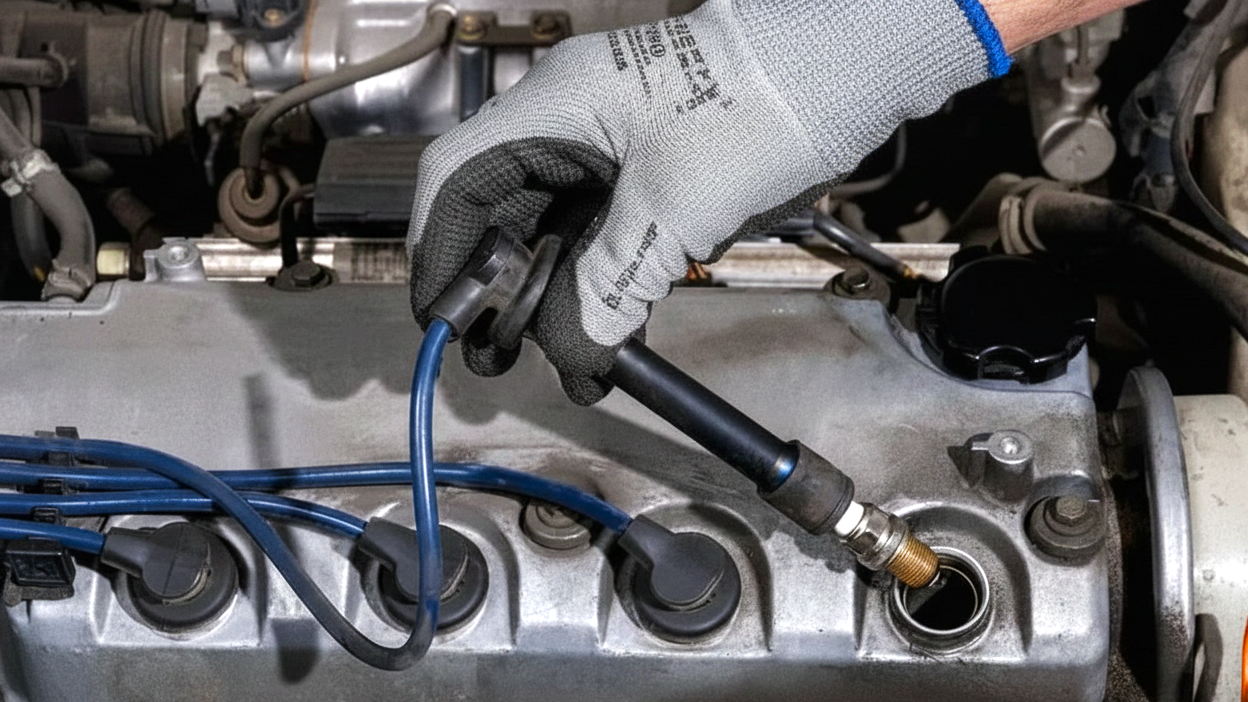
Spark plugs last longer when the ignition system is in good condition. Simple habits can extend their service life:
- Use only quality fuel to minimize deposits.
- Check ignition coils and wires regularly.
- Inspect the ignition set during scheduled maintenance.
- Replace the parts on time — don’t wait for symptoms.
- Use a torque wrench to ensure correct tightening.
- Avoid cheap no-name copies that wear out fast.
Regular cleaning of the electrodes, if recommended by the manufacturer, can add thousands of kilometers to their service life.
Additional Warning Signs to Watch For
Beyond the obvious bad spark plug symptoms, there are subtle signs many drivers miss:
- Starter turns the engine longer than usual.
- RPMs fluctuate at idle even after warming up.
- Hesitation or jerking during acceleration.
- Loss of power during highway overtaking.
- Slight vibrations felt in the cabin at low speeds.
These issues are often blamed on bad fuel or filters. But in many cases, the real culprit is worn spark plugs. A quick check can make a noticeable difference: the engine starts smoother, reacts faster, and runs cleaner.
Conclusion
Spark plugs may be small, but they play a critical role in engine health. Their condition affects everything: starting reliability, fuel economy, engine response, and component lifespan. If you notice bad spark plug symptoms, don’t delay. A quick inspection or replacement requires little time or money but makes an immediate difference — smooth starts, strong acceleration, lower fuel use, and peace of mind. Preventive maintenance is far cheaper than repairing catalytic converters or fuel systems. Check your ignition components today — your engine will thank you for it.

